
💡 Donald Trump Iran War: Strategic Analysis of Conflict Risks
A comprehensive strategic analysis of Donald Trump's Iran policy, the Maximum Pressure campaign, and the geopolitical implications of potential future conflict.
Executive Summary
The geopolitical relationship between the United States and the Islamic Republic of Iran represents one of the most volatile friction points in modern international relations. This strategic analysis examines the legacy of the Trump administration's Maximum Pressure campaign, the 2018 withdrawal from the Joint Comprehensive Plan of Action (JCPOA), and the potential for kinetic conflict in a future political landscape. Key data highlights include a 6 percent contraction in Iranian GDP following the re-imposition of sanctions in 2019 and a reduction in Iranian oil exports from 2.5 million barrels per day to fewer than 500,000 by 2020. This report evaluates the shift from diplomatic engagement to economic warfare and the tactical implications of the 2020 drone strike on Qasem Soleimani.
Introduction
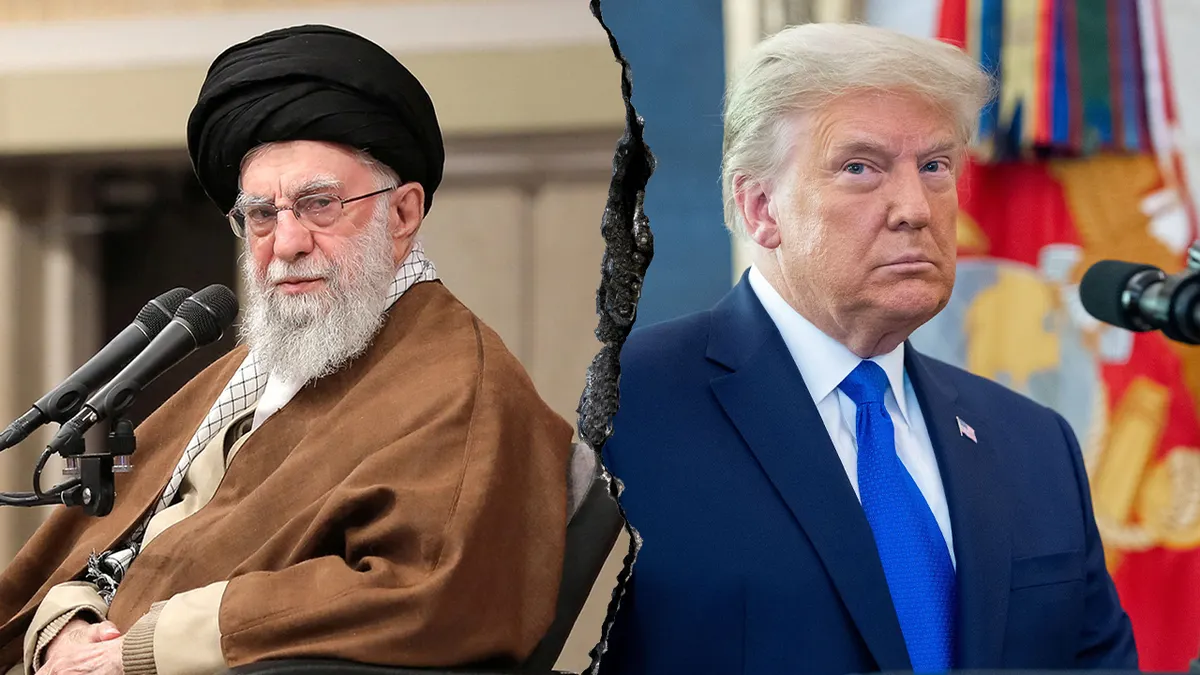
The discourse surrounding a potential Donald Trump Iran war is rooted in a fundamental shift in American foreign policy that occurred between 2017 and 2021. Unlike previous administrations that sought to contain Iran through multilateral nuclear agreements, the Trump administration adopted a strategy of unilateral economic strangulation and targeted military strikes. This approach was designed to force Tehran back to the negotiating table to address not only its nuclear program but also its ballistic missile development and regional proxy activities. As the global political climate shifts toward 2024, understanding the mechanics of this strategy is essential for analyzing future security risks in the Middle East. The regional stability of neighboring nations, as explored in our Pakistan Geopolitical Relations: A Strategic Analysis, remains deeply intertwined with the trajectory of U.S.-Iran tensions.
The Deep Dive: Maximum Pressure and Military Deterrence
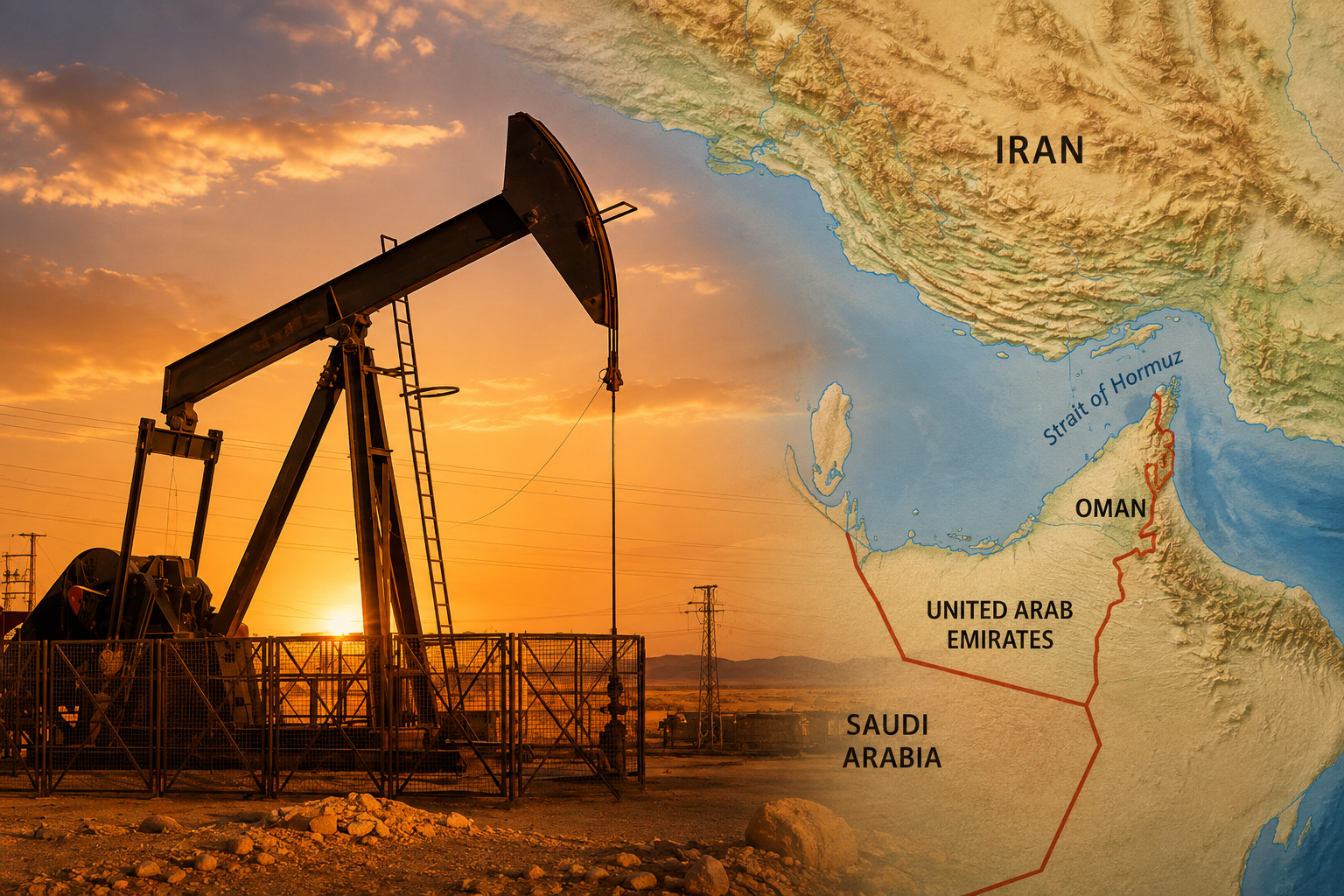
The core of the Trump administration's Iran policy was the Maximum Pressure campaign. This strategy utilized the primary and secondary sanctioning power of the U.S. Treasury to isolate the Iranian financial sector. By 2019, the U.S. had designated the Islamic Revolutionary Guard Corps (IRGC) as a Foreign Terrorist Organization, the first time a part of another government was so labeled. This move had profound implications for global trade and maritime security in the Strait of Hormuz.
Data from the International Monetary Fund (IMF) indicates that these sanctions led to an inflation rate in Iran exceeding 40 percent by late 2019. The strategic objective was to deplete the regime's hard currency reserves, which were estimated to have dropped from 100 billion dollars to approximately 4 billion dollars in accessible funds by the end of 2020. This economic depletion was intended to limit Iran's ability to fund regional proxies in Lebanon, Yemen, and Iraq.
The military dimension of this policy reached its zenith in January 2020 with the assassination of General Qasem Soleimani. This action signaled a departure from traditional gray zone warfare into overt kinetic engagement. While critics argued this brought the two nations to the brink of a full-scale Donald Trump Iran war, proponents suggested it restored a level of deterrence that had been eroded over decades. The subsequent Iranian missile response on the Al-Asad Airbase in Iraq demonstrated the precarious balance of power and the high stakes of miscalculation.
Regional Alliances and the Abraham Accords
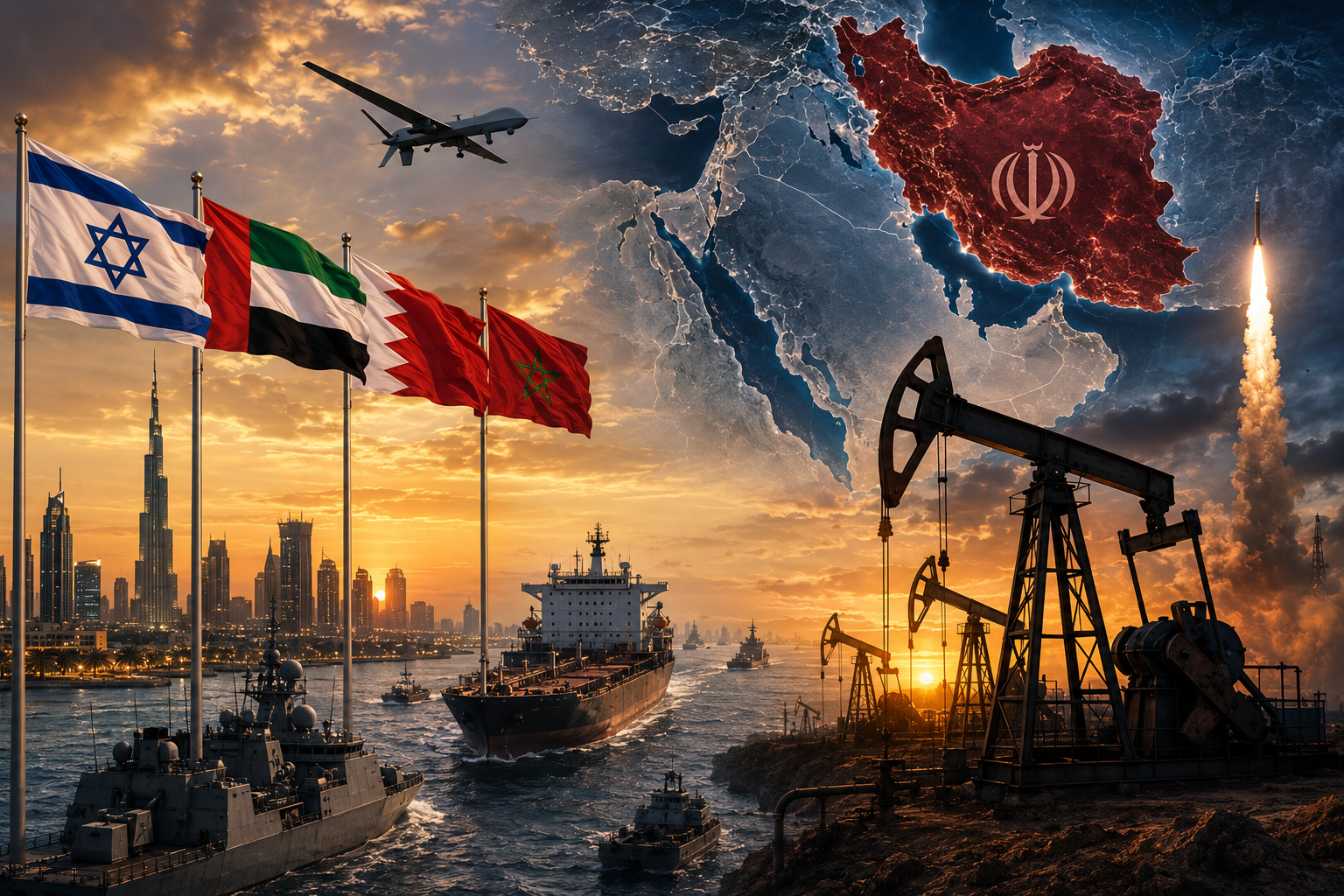
A critical component of the strategy was the formation of a regional coalition against Iranian influence. The brokering of the Abraham Accords, which normalized relations between Israel and several Arab nations including the UAE and Bahrain, created a new security architecture. This realignment was designed to share the burden of regional defense and intelligence gathering, effectively creating a unified front against Tehran's regional ambitions. The integration of these economies also has long-term implications for global markets, similar to the market shifts observed in the AMD Earnings Report: Strategic Analysis of AI and Market Growth, where geopolitical stability often dictates investment flow in the technology and energy sectors.
Furthermore, the shift in focus toward regional security often necessitates a reallocation of domestic resources. In the same way that public health initiatives like those discussed in Ayushman Bharat: Strategic Analysis of Public Health Policy require stable governance and funding, the pursuit of a high-pressure foreign policy demands significant military and diplomatic capital. The trade-offs between domestic policy goals and international military posturing remain a central theme in the debate over the effectiveness of the Trump administration's approach.
What This Means For You
- Energy Market Volatility: Any escalation toward a Donald Trump Iran war directly impacts the price of Brent Crude. Since approximately 20 percent of the world's oil passes through the Strait of Hormuz, conflict risks can lead to immediate spikes in fuel and energy costs for consumers.
- Investment Security: Geopolitical tension in the Middle East often triggers a flight to safety in financial markets, benefiting gold and the U.S. dollar while increasing volatility in emerging markets.
- Global Security: Increased tension often leads to heightened cybersecurity risks, as state-sponsored actors may engage in digital retaliatory measures against infrastructure and private enterprises.
- Policy Shifts: A return to Maximum Pressure would likely result in stricter compliance requirements for international businesses, necessitating robust legal and risk management frameworks.
Expert Verdict and Future Outlook
From a strategic standpoint, the probability of a full-scale ground invasion of Iran remains low due to the immense logistical and economic costs involved. However, the risk of a limited aerial conflict or a prolonged shadow war remains high. The efficacy of the Maximum Pressure campaign is still debated among policy experts: while it successfully crippled the Iranian economy, it did not result in a new nuclear agreement or a significant change in the regime's regional behavior. Looking forward, the strategic focus will likely remain on containment through technology, regional alliances, and economic leverage rather than a traditional total war scenario.
FAQ: Authoritative Insights
- What was the primary goal of the Maximum Pressure campaign? The primary goal was to force Iran to negotiate a more comprehensive deal that included permanent nuclear restrictions, an end to ballistic missile testing, and the cessation of support for regional proxy groups.
- How did the withdrawal from the JCPOA affect global oil prices? Initially, the withdrawal and subsequent sanctions caused prices to rise due to the removal of Iranian supply, though increased production from the U.S. and OPEC+ eventually stabilized the market.
- Was there a formal declaration of war during the Trump administration? No, there was no formal declaration of war. Activities were classified as military strikes and economic sanctions within the framework of national security executive orders.
- How do the Abraham Accords factor into a potential conflict? The Accords created a formal security and intelligence-sharing network among Israel and Arab states, which acts as a strategic counterweight to Iranian influence and reduces the unilateral burden on the U.S.
- What are the risks of a maritime conflict in the Strait of Hormuz? A conflict in this narrow waterway could halt global trade for weeks, causing a global economic recession and a massive surge in energy prices worldwide.
Conclusion
The strategic analysis of a potential Donald Trump Iran war reveals a complex interplay of economic warfare, tactical military strikes, and regional realignments. While the Maximum Pressure campaign achieved significant economic disruption, the long-term goal of a comprehensive new treaty remains unfulfilled. The future of this relationship will depend on whether the U.S. continues a path of unilateral pressure or pivots toward a new multilateral framework, balanced against the evolving security architecture of the Middle East.



Comments 0
Leave a Reply
Your email address will not be published. Required fields are marked *
Be the first to share your thoughts!