Dubai Airport's Crucial Role in the Iran-Iraq War: A Historical Deep Dive
The Middle East has long been a crossroads of history, commerce, and, unfortunately, conflict. Among the most devastating of these conflicts was the Iran-Iraq War, a grueling eight-year struggle from 1980 to 1988 that reshaped the region's political landscape and cost millions of lives. While much is written about the battles fought on land and sea, the role of critical logistical hubs often goes unnoticed. One such hub, Dubai International Airport (DXB), played a surprisingly pivotal, though often understated, role in facilitating movement and trade during this tumultuous period.
The Iran-Iraq War: A Brief Overview
To understand Dubai Airport's significance, we first need to grasp the context of the Iran-Iraq War. This protracted conflict, often referred to as the First Persian Gulf War, was one of the 20th century's longest and deadliest conventional wars. It pitted two major regional powers, Iran and Iraq, against each other in a struggle for territorial control, ideological supremacy, and regional hegemony.
Causes of the War
The roots of the Iran-Iraq War were complex and multifaceted, simmering for decades before boiling over in September 1980. Key factors included:
- Border Disputes: A long-standing dispute over the Shatt al-Arab waterway, a critical shipping channel forming the border between the two nations, was a primary flashpoint.
- Ideological Differences: The 1979 Iranian Revolution, which brought an Islamic government to power, deeply alarmed Iraq's secular Ba'athist regime under Saddam Hussein. Iraq feared the revolution's influence spreading to its own Shia-majority population.
- Regional Power Dynamics: Saddam Hussein saw an opportunity to establish Iraq as the dominant power in the Gulf, believing Iran was weakened by its revolution and international isolation.
- Ethnic Tensions: Historical animosities and ethnic differences (Persian vs. Arab) also played a role in fueling the conflict.
The war began with Iraq's invasion of Iran, expecting a swift victory. However, Iran mounted a fierce resistance, turning the conflict into a brutal war of attrition characterized by trench warfare, chemical weapons use, and attacks on oil tankers in the Persian Gulf.
Dubai Airport's Role in the War
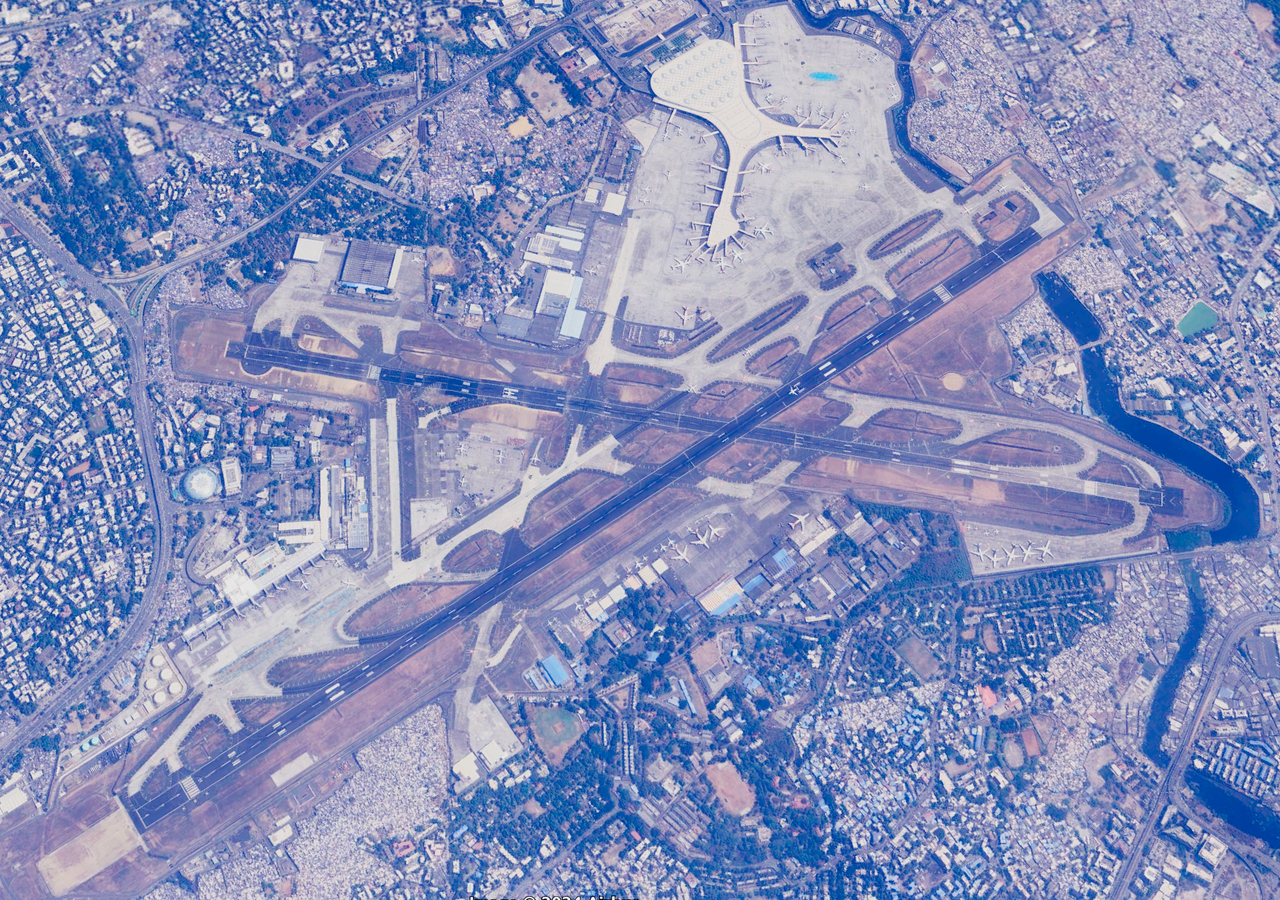
Amidst this regional turmoil, Dubai, part of the neutral United Arab Emirates, found itself in a unique and strategic position. Dubai International Airport, even in its earlier stages of development, was already a burgeoning hub for air transport in the Middle East. Its strategic location, relatively safe distance from the immediate front lines, and the UAE's policy of neutrality made it an indispensable gateway during the conflict.
Dubai Airport served as a critical air transport hub, not necessarily for direct military operations of either combatant, but as a vital conduit for the movement of goods, supplies, and personnel that supported the war efforts indirectly, as well as maintaining essential civilian and commercial links. For many international entities, it became the safest and most reliable entry point into a volatile region. This role extended to:
- Humanitarian Aid: Facilitating the transit of aid workers, medical supplies, and humanitarian relief to both sides of the conflict, often through third-party organizations.
- Commercial Trade: Despite the war, commercial goods still flowed into the region. Dubai became a primary transshipment point for everything from consumer goods to industrial equipment, much of which ultimately found its way into Iran or Iraq through various channels.
- Logistical Support: International companies and governments needing to maintain a presence or conduct business in the Gulf often routed their operations through Dubai, using its airport for staff rotation, sensitive document transfer, and the movement of specialized equipment.
- Refugee and Evacuation Point: At various times, Dubai Airport also played a role in the evacuation of foreign nationals and, to a lesser extent, refugees caught in the crossfire.
Air Transport in the Middle East
The Iran-Iraq War underscored the indispensable nature of air transport, especially in a region prone to conflict and possessing challenging geographical features. While sea lanes in the Persian Gulf became dangerous due to tanker attacks and naval skirmishes, and land routes were often blocked or insecure, air travel offered a relatively faster and safer alternative for specific types of cargo and passengers.
The Importance of Air Transport in the Region
During the 1980s, the aviation infrastructure in the Middle East was not as developed as it is today, making Dubai's capabilities stand out. The airport's growing capacity, coupled with its relatively stable political environment, made it a magnet for airlines and logistics companies. Air transport was vital for several reasons:
- Speed: For urgent supplies, critical components, or high-value goods, air freight offered unparalleled speed compared to sea or land routes.
- Security: While not immune to threats, air cargo faced fewer direct risks from naval mines, missile attacks on shipping, or ground skirmishes compared to other transport methods.
- Accessibility: For landlocked areas or regions with disrupted port operations, air transport provided the only viable link to the outside world.
- Neutrality: As a neutral territory, Dubai could host flights and cargo from nations that might have been hesitant to directly engage with either Iran or Iraq, thus maintaining a crucial indirect supply chain.
War Logistics and Air Cargo
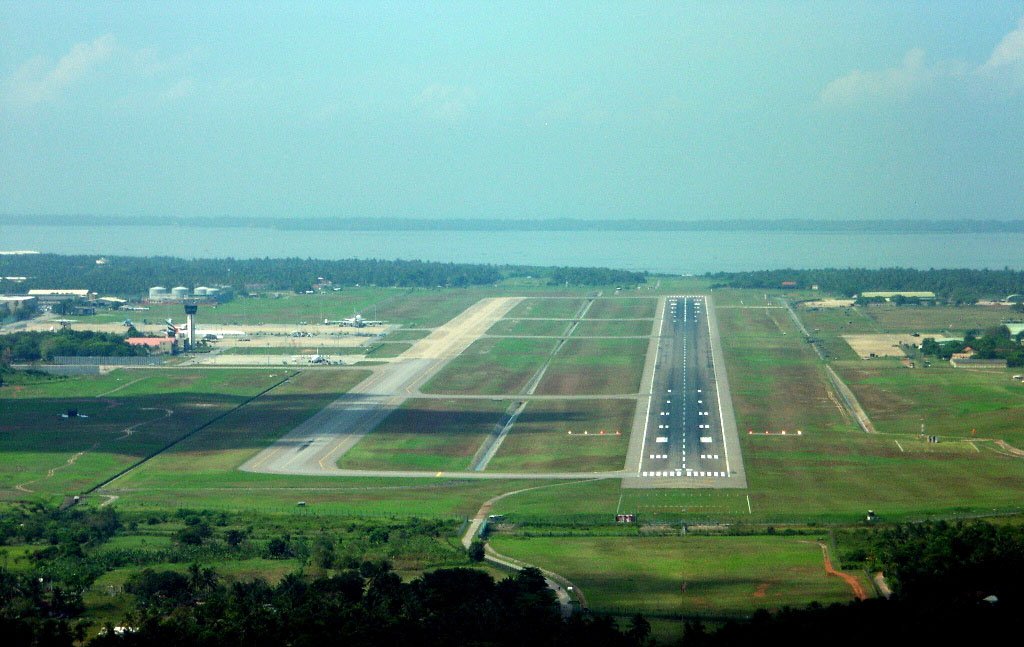
The Iran-Iraq War was a massive logistical undertaking for both belligerents, requiring immense quantities of arms, ammunition, food, fuel, and medical supplies. While much of this was moved by sea and land, air cargo played a specialized and crucial role, particularly for time-sensitive, high-value, or strategically important items. Dubai Airport, though not a direct military logistics base, became a key transit point in this complex web of supply chains.
The Role of Air Cargo in the War
Air cargo through Dubai, while largely civilian in nature, often had dual-use potential or facilitated broader supply efforts. For instance, commercial flights bringing in spare parts for machinery could indirectly support industries vital to the war effort. Similarly, the movement of personnel, including foreign contractors and technicians, was essential for maintaining infrastructure in both countries.
The airport's open-door policy, coupled with its efficient customs procedures (for the time), made it an attractive option for companies seeking to navigate the complexities of wartime trade. Cargo planes, ranging from smaller freighters to larger wide-body aircraft, regularly ferried goods in and out, contributing significantly to the regional economy and, by extension, to the ability of the warring nations to sustain themselves.
Impact on Dubai and the Region: Challenges and Opportunities
Dubai's role during the Iran-Iraq War was a double-edged sword, presenting both significant challenges and unparalleled opportunities that would shape its future trajectory.
Challenges:
- Security Concerns: Despite its neutrality, Dubai's proximity to a major conflict zone meant inherent risks. The potential for spillover, accidental attacks, or heightened regional instability was a constant concern.
- Reputational Risks: Operating as a hub for trade, even indirect, with warring nations could attract scrutiny and potential accusations of complicity.
- Economic Volatility: The broader regional instability could deter investment and tourism, impacting Dubai's long-term growth plans.
Opportunities:
- Economic Boom: The war ironically led to an economic boost for Dubai. As other regional ports and airports became less reliable or outright dangerous, Dubai's stability and infrastructure made it the preferred choice for international businesses. This increased transit trade brought significant revenue.
- Strengthening of Logistics Infrastructure: The demands of wartime logistics pushed Dubai to enhance its airport and port facilities, improving efficiency and expanding capacity. This investment laid the groundwork for its future as a global logistics powerhouse.
- Enhanced International Standing: By maintaining neutrality and facilitating essential services, Dubai solidified its reputation as a reliable and neutral trading partner in a volatile region, boosting its international credibility.
- Diversification: The war further emphasized the need for economic diversification away from oil, pushing Dubai towards becoming a service-oriented economy focused on trade, logistics, and finance.
Expert-Style Opinion:
The Iran-Iraq War, while a tragic chapter in Middle Eastern history, inadvertently cemented Dubai's strategic importance as a neutral, reliable logistical gateway. Its airport, by navigating the complexities of wartime trade and humanitarian efforts, demonstrated an adaptability and foresight that would prove foundational to its subsequent rise as a global aviation and economic powerhouse. This historical episode offers crucial insights into how geopolitical stability and robust infrastructure can converge to create enduring regional influence.
Conclusion
Dubai Airport's role in the Iran-Iraq War, though often a footnote in grander historical narratives, was undeniably significant. It served as a vital artery for the flow of goods, people, and aid, operating as a beacon of stability and connectivity in an otherwise fractured region. This period not only highlighted the critical importance of air transport in times of conflict but also underscored Dubai's nascent vision to become a global hub. The lessons learned during those eight tumultuous years - the need for robust infrastructure, strategic neutrality, and efficient logistics - continue to inform Dubai's development and its enduring position as a crucial player in the global economy and international relations. Its ability to adapt and thrive amidst regional challenges laid the groundwork for the modern, bustling metropolis and world-leading airport we see today.
FAQ
Here are some frequently asked questions about Dubai Airport's historical role during the Iran-Iraq War:
The Iran-Iraq War was a major military conflict between Iran and Iraq that lasted from September 1980 to August 1988. It was characterized by trench warfare, chemical attacks, and attacks on shipping in the Persian Gulf, resulting in significant casualties and widespread destruction.
Dubai Airport served as a key air transport hub for both commercial and humanitarian traffic during the war. Due to the United Arab Emirates' neutrality and Dubai's strategic location, it facilitated the movement of goods, supplies, and personnel into and out of the war-affected region, acting as a vital logistical gateway for international entities.
People Also Ask
Further insights into the broader impact of the Iran-Iraq War and the role of air transport:
The Iran-Iraq War had a profound and lasting impact on the Middle East. It led to immense human cost, widespread destruction in both Iran and Iraq, and significant economic strain. The conflict also altered regional power dynamics, contributed to the rise of new geopolitical alignments, and set the stage for future conflicts, including the subsequent Gulf War (Operation Desert Storm). It destabilized the region for decades.
Air transport played a vital, albeit often indirect, role in the Iran-Iraq War. It provided a faster and often safer means of moving critical supplies, humanitarian aid, and personnel compared to hazardous sea or land routes. Hubs like Dubai Airport became indispensable for maintaining commercial links and facilitating international support efforts, indirectly sustaining the economies and logistical capabilities of the warring nations.