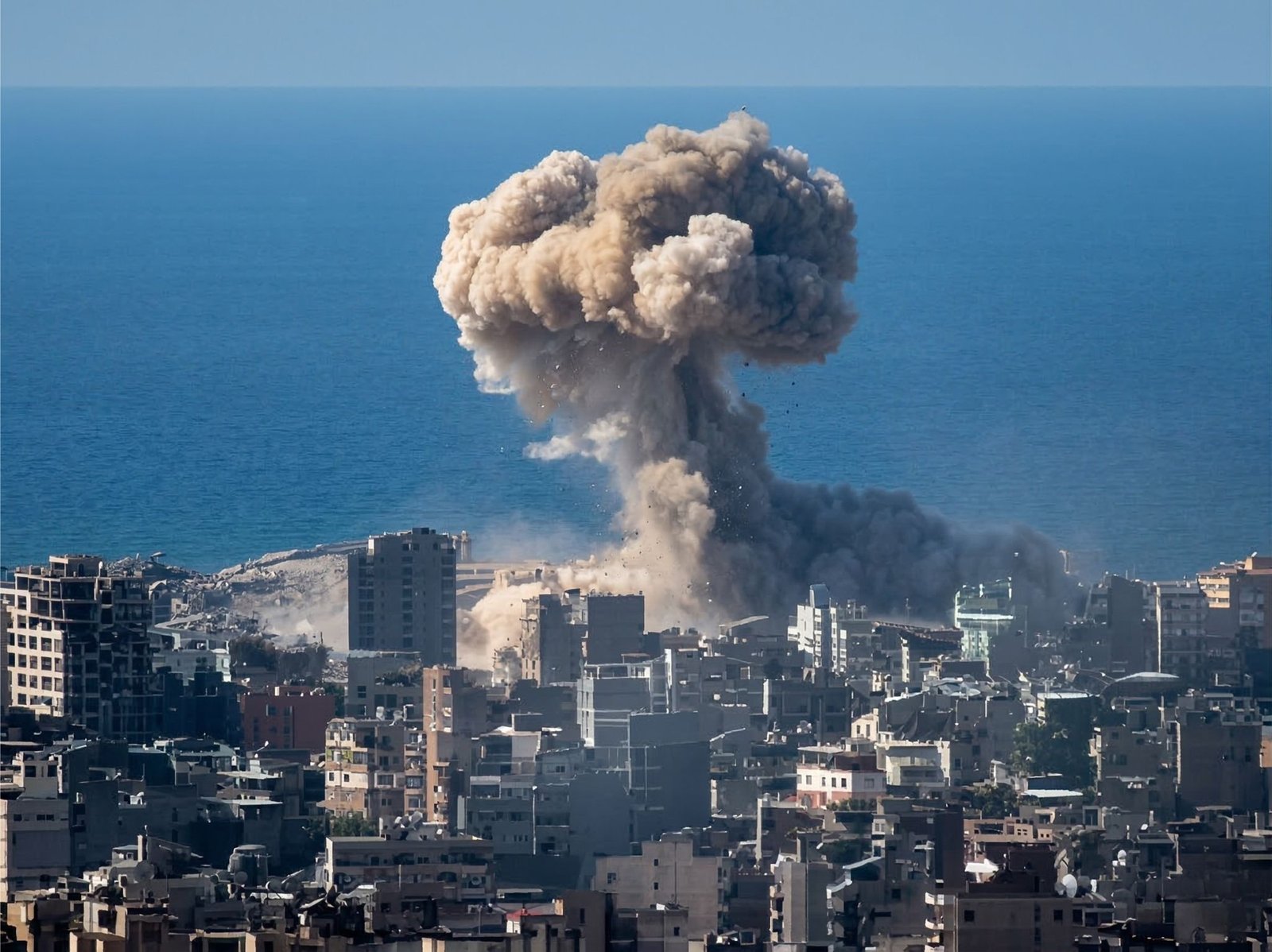
Understanding the Israel Iran Conflict: A Comprehensive Guide
The relationship between Israel and Iran is one of the most important geopolitical issues in the Middle East. It involves political, military, and ideological differences that have developed over many years. Understanding this conflict requires a clear and neutral explanation of its history, causes, and current situation.In recent years, tensions between Israel and Iran have remained high, with both countries focusing on security and regional influence. Understanding this conflict requires delving into its historical roots, the ideological divides, and the critical issues-like Iran's nuclear program-that continue to fuel the animosity.
This guide explains the key reasons behind the conflict, how it developed over time, and why it continues to affect the region today. While daily headlines might focus on specific incidents, the broader narrative of the Israel Iran conflict is one of a simmering geopolitical chess match with high stakes for everyone involved.
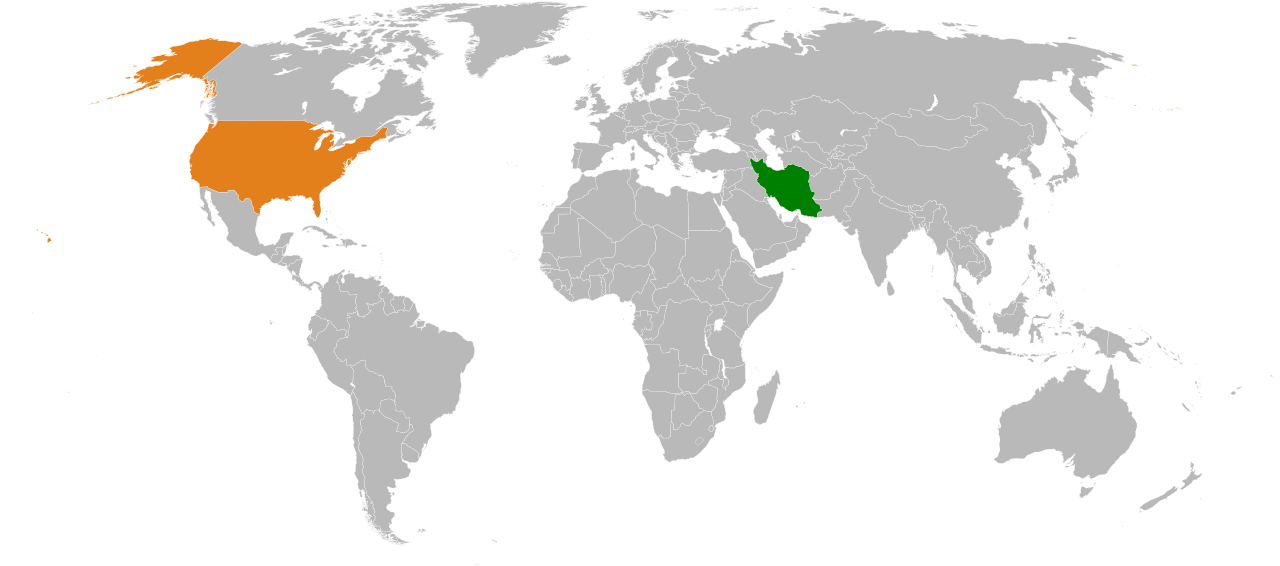
History of the Israel Iran Conflict
To understand the current situation, it is important to look at the historical background of the relationship between the two countries. The current animosity between Israel and Iran wasn't always the case. In fact, prior to the 1979 Iranian Revolution, Israel and Iran, under the Shah, maintained informal but significant strategic ties. Both saw common interests in regional stability and containing Arab nationalism.
Early Tensions and Escalation (1979-2003)
The 1979 Iranian Revolution marked a dramatic turning point. The new Islamic Republic, led by Ayatollah Ruhollah Khomeini, adopted an explicitly anti-Israel stance, viewing the Jewish state as an illegitimate entity and a Western outpost in the Muslim world. This ideological shift transformed a former strategic partner into a sworn enemy. Iran began to openly support Palestinian groups and other anti-Israel movements, laying the groundwork for what would become its "Axis of Resistance."
Throughout the 1980s and 1990s, while direct military confrontation remained rare, Iran's influence grew through proxy groups. The establishment of Hezbollah in Lebanon in the early 1980s, with significant Iranian backing, became a critical component of this strategy. Hezbollah's military capabilities and political power in Lebanon posed a direct threat to Israel's northern border, shifting the conflict from distant rhetoric to tangible security challenges. This period saw a gradual, but steady, escalation of rhetoric and indirect confrontation, setting the stage for the more overt tensions of the 21st century.
Causes of the Israel Iran Conflict
Several intertwined factors drive the enduring conflict between Israel and Iran. These are not static issues but evolving challenges that demand constant attention from international diplomacy and security agencies.
Iran's Nuclear Program and Israel's Security Concerns
Perhaps the most critical and immediate flashpoint is Iran's nuclear program. Israel views a nuclear-armed Iran as an existential threat, citing Iran's repeated calls for Israel's destruction and its development of long-range ballistic missiles capable of carrying nuclear warheads. For Israel, preventing Iran from acquiring nuclear weapons is a top national security priority, a "red line" that successive Israeli governments have vowed to uphold.
As of March 2026, international concern continues to mount over Iran's advancements in uranium enrichment. Despite the Joint Comprehensive Plan of Action (JCPOA), or Iran nuclear deal, having faced significant challenges and withdrawals, Iran has continued to enrich uranium to levels far beyond those permitted under the original agreement. This persistent progression, coupled with limited international oversight, keeps Israel and its allies, particularly the United States, on high alert. The ongoing diplomatic efforts, often spearheaded by the European Union and the United Nations, aim to find a resolution, but progress remains elusive, leaving the specter of a military confrontation on the table.
Regional Instability and the Rise of Hezbollah
Beyond the nuclear issue, Iran's pursuit of regional hegemony through its network of proxy forces profoundly threatens Israel's security. This "Axis of Resistance" includes groups like Hezbollah in Lebanon, Hamas in Gaza, and various Shiite militias in Syria and Iraq. These groups receive financial, military, and logistical support from Tehran, enabling them to project Iranian influence and challenge Israeli interests across the region.
Syria has become a particularly significant battleground for this proxy conflict. As the Syrian civil war wound down, Iran established a substantial military presence and facilitated the transfer of advanced weaponry to Hezbollah and other allied militias. Israel has responded with frequent airstrikes against Iranian targets and arms convoys in Syria, aiming to prevent the entrenchment of Iranian forces near its border and the transfer of "game-changing" weapons to Hezbollah. These strikes are a constant reminder of the active, albeit undeclared, war being waged between the two nations.
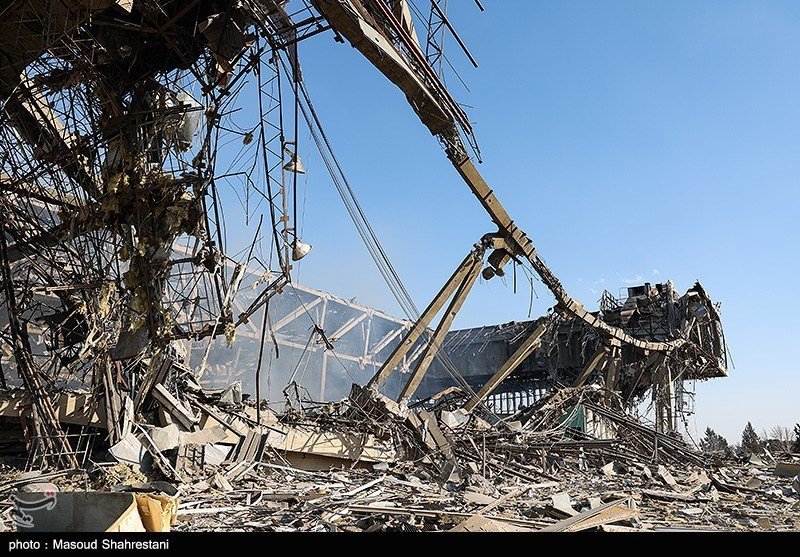
Current Situation and Implications
The dynamic between Israel and Iran is not static; it's a constantly evolving situation characterized by both overt and covert actions. The past year, leading up to March 2026, has seen a continuation of these complex interactions, maintaining a high level of regional tension.
Current Developments and Future Prospects
In recent months, the conflict has manifested in several ways:
- Proxy Clashes: Ongoing skirmishes involving Iran-backed groups like Hezbollah and Hamas along Israel's borders, often in response to perceived Israeli actions or broader regional events. These include rocket fire, drone incursions, and retaliatory strikes.
- Cyber Warfare: Both nations are suspected of engaging in sophisticated cyberattacks targeting critical infrastructure and government systems. These digital battles are often unseen but can have significant real-world impacts.
- Maritime Incidents: There have been reports of attacks on shipping in regional waters, with both sides accusing the other of involvement. These incidents disrupt global trade and add another layer of complexity to the conflict.
- Diplomatic Standoffs: International efforts, particularly from the United States and the European Union, continue to focus on de-escalating tensions and reviving talks around Iran's nuclear program. However, significant breakthroughs remain elusive, with both Israel and Iran holding firm on their core demands. The United Nations often serves as a forum for these discussions, though direct negotiations are rare.
The future prospects remain uncertain. A full-scale military confrontation is a constant fear, yet both sides seem to prefer a calibrated approach to avoid an all-out war that would devastate the region. However, miscalculation or an unintended escalation remains a significant risk. The role of the United States, as a staunch ally of Israel and a key player in international diplomacy with Iran, is crucial in managing these risks.
Regional Impact and Global Response
The Israel Iran conflict doesn't just affect the two nations directly involved; its ripples are felt across the entire Middle East and beyond. Regional stability is constantly threatened, impacting economic development, humanitarian situations, and the broader geopolitical landscape.
Countries like Syria and Lebanon bear the brunt of the proxy warfare, suffering from internal instability and external pressures. The conflict also has implications for global energy markets, given the Middle East's role as a primary oil and gas producer. International bodies and major powers are heavily invested in preventing further escalation, recognizing the potential for a wider conflagration.
Challenges and Potential Pathways
Addressing the Israel Iran conflict presents immense challenges, but also potential, albeit difficult, pathways forward:
Challenges:
- Deep-seated Mistrust: Decades of animosity and ideological opposition make direct dialogue extremely difficult.
- Proxy Networks: Iran's reliance on non-state actors complicates accountability and makes de-escalation harder.
- Nuclear Ambitions: Iran's persistent progress on its nuclear program is a constant source of alarm for Israel and the international community.
- Lack of Comprehensive Framework: The absence of a universally accepted and adhered-to diplomatic framework for the nuclear issue and regional security creates a vacuum.
Potential Pathways:
- Renewed Nuclear Diplomacy: A comprehensive, verifiable nuclear deal that addresses proliferation concerns could reduce a major flashpoint.
- Regional Security Dialogue: Encouraging broader regional talks involving all stakeholders (including Gulf states) could help build trust and address shared security concerns.
- De-escalation Mechanisms: Establishing clear channels of communication or de-escalation protocols to prevent unintended military clashes.
- International Pressure and Incentives: A coordinated international approach combining sanctions with diplomatic incentives could encourage more moderate behavior.
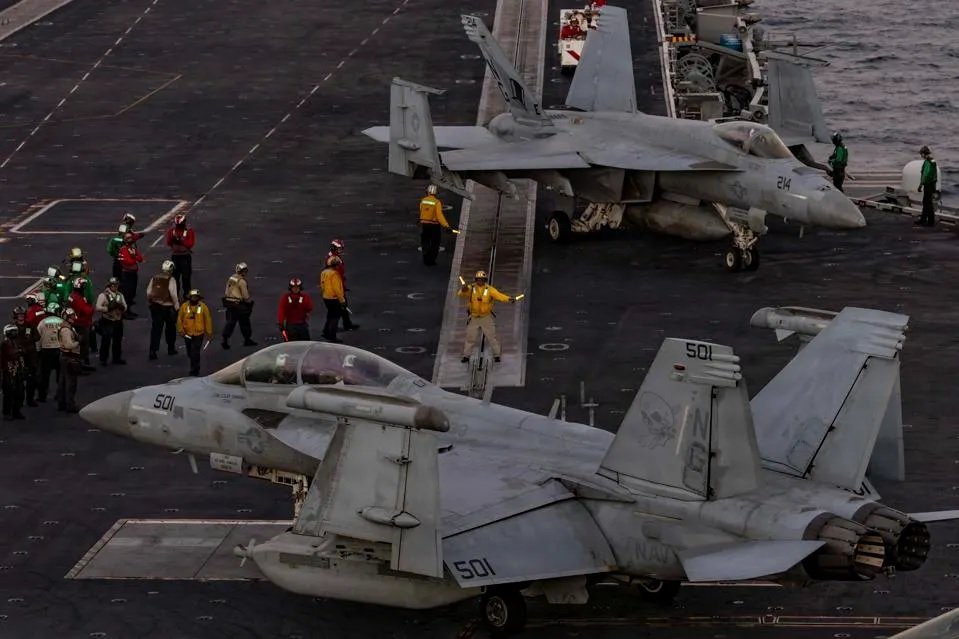
Expert-Style Opinion: The Israel-Iran conflict remains a crucible of Middle East geopolitics, driven by an intractable ideological clash and strategic imperatives. While direct, all-out war is consistently averted through a delicate balance of deterrence, the ongoing proxy engagements, cyber warfare, and the persistent nuclear question ensure a state of perpetual tension. A sustainable resolution requires not just a nuclear agreement, but a fundamental rethinking of regional security architecture, a challenge that will likely define the Middle East for years to come.
FAQ Section
Here are some frequently asked questions about the Israel Iran conflict:
What is the Israel Iran conflict?
The Israel Iran conflict refers to the ongoing tensions and hostilities between Israel and Iran, fueled by disagreements over Iran's nuclear program, regional influence, and security concerns.
When did the Israel Iran conflict start?
The conflict has its roots in the 1979 Iranian Revolution, but escalated in the early 2000s with the revelation of Iran's nuclear program.
What are the main issues driving the Israel Iran conflict?
The main issues include Iran's nuclear program, regional influence, and security concerns, as well as disagreements over the Israeli-Palestinian conflict.
What is the main cause of the Israel Iran conflict?
The main cause is a confluence of factors: Iran's post-1979 ideological opposition to Israel's existence, Israel's profound security concerns regarding Iran's nuclear ambitions and its support for regional proxy groups like Hezbollah and Hamas, and both nations' competition for regional influence.
How has the Israel Iran conflict affected the Middle East?
The conflict has profoundly destabilized the Middle East, leading to proxy wars in Syria and Yemen, increased military spending, humanitarian crises, and a complex web of alliances and rivalries that hinder regional cooperation and economic development.
What are the implications of Iran's nuclear program for Israel?
For Israel, a nuclear-armed Iran represents an existential threat. It implies a dramatic shift in the regional power balance, the potential for nuclear blackmail, and an increased risk of regional nuclear proliferation, pushing Israel to maintain a strong deterrent and consider all options to prevent such an outcome.
What is the current status of the Israel Iran conflict?
As of early 2026, the conflict remains in a state of high tension, characterized by indirect confrontations through proxies, cyber warfare, maritime incidents, and ongoing diplomatic efforts to curb Iran's nuclear program. Direct military clashes are rare but the risk of escalation is ever-present.
Conclusion
The Israel Iran conflict is a deeply entrenched and multifaceted challenge, rooted in history, ideology, and strategic competition. It's a conflict that transcends borders, drawing in global powers and shaping the future of one of the world's most vital regions. While the path to a comprehensive resolution remains fraught with obstacles, understanding its complexities is the first step toward fostering stability. The international community, through sustained diplomatic engagement and a clear commitment to de-escalation, holds a critical role in navigating this dangerous rivalry and preventing its potential for wider devastation.
Related Media
Quick View: Understanding the Israel Iran Conflict: A Comprehensive Guide





Comments 0
Leave a Reply
Your email address will not be published. Required fields are marked *
Be the first to share your thoughts!