
💡 From Himalayan Peaks to Desert Skyscrapers: A Comprehensive Comparison of Nepal and the UAE
A deep dive into the contrasting worlds of Nepal and the UAE, comparing their landscapes, economies, tourism, and lifestyle for travelers and expats.
Nepal and the UAE offer fundamentally different experiences, defined by their geography and economic evolution. While Nepal is the ultimate destination for travelers seeking high-altitude adventure, spiritual heritage, and an affordable lifestyle, the UAE serves as a global hub for luxury, career-driven expats, and cutting-edge urban infrastructure. Choosing between them depends on whether you value the raw, rugged beauty of the world's highest mountains or the polished, hyper-modern efficiency of a desert metropolis.
Exploring the Stark Contrasts Between the Roof of the World and the Jewel of the Middle East
At first glance, Nepal and the United Arab Emirates (UAE) couldn’t be further apart. One is a landlocked nation nestled in the lap of the Himalayas, while the other is a coastal powerhouse carved out of the Arabian Desert. However, both countries share a unique synergy, particularly for the Indian subcontinent. Thousands of people move between these regions for work, trade, and tourism every year, creating a bridge between the ancient traditions of South Asia and the futuristic vision of the Middle East.
Contrasting Landscapes: The Rugged Terrain of the Himalayas vs. the Vast Arabian Desert Sands
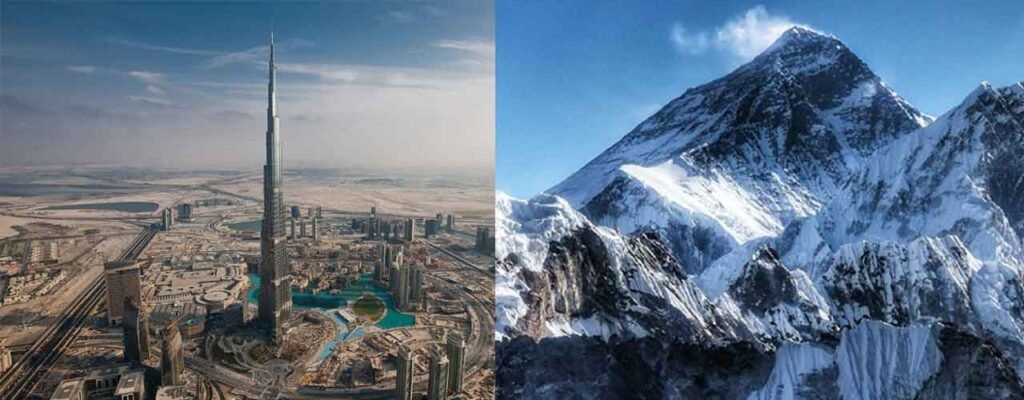
The visual identity of Nepal is dominated by verticality. It is home to eight of the world’s fourteen peaks above 8,000 meters, including Mount Everest. The landscape transitions from the lush, tropical plains of the Terai to the temperate mid-hills and finally the frozen alpine tundra of the high Himalayas. It is a land of deep gorges, rushing glacial rivers, and dense rhododendron forests.
In contrast, the UAE is a masterclass in horizontal expansion and man-made height. Its natural landscape is defined by the rolling dunes of the Rub' al Khali (Empty Quarter) and the turquoise waters of the Persian Gulf. Where Nepal has natural peaks, the UAE has architectural ones, with the Burj Khalifa standing as a metallic echo of the mountains found in the north.
Economic Engines: Nepal’s Developing Economy vs. the UAE’s Global Financial Hub
The economic structures of these two nations represent different stages of development. Nepal’s economy is primarily driven by agriculture, tourism, and remittances. It is a developing nation where the cost of labor is low, and the focus is on building basic infrastructure and sustainable energy through hydropower. For an entrepreneur, Nepal offers a ground-floor opportunity in sectors like eco-tourism and organic exports, though bureaucratic hurdles remain a challenge.
The UAE, specifically Dubai and Abu Dhabi, operates as a global financial nerve center. Having successfully diversified away from a pure oil-based economy, it now thrives on real estate, international trade, aviation, and technology. For professionals, the UAE offers tax-free salaries and world-class corporate environments. However, the limitation here is the high barrier to entry for small businesses and the high cost of maintaining a commercial presence.
Tourism Paradigms: High-Altitude Adventure vs. Ultra-Luxury Urban Experiences
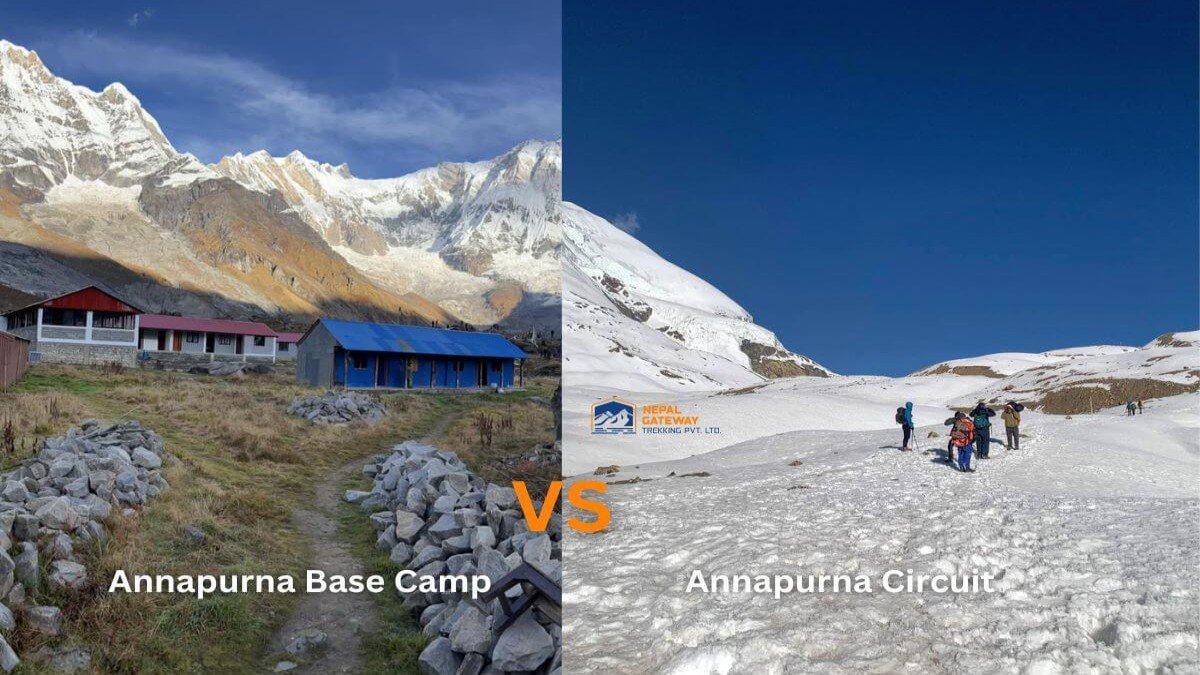
Tourism in Nepal is an immersive, often physical experience. It’s about the Annapurna Circuit, the Everest Base Camp trek, and white-water rafting in the Trishuli River. It attracts the "backpacker" and the "soul-searcher"—people looking to disconnect from technology and reconnect with nature. The infrastructure is often rustic, consisting of tea houses and mountain lodges.
The UAE offers the polar opposite: "Ultra-Luxury." Tourism here is about the world’s largest malls, indoor skiing in the middle of a desert, and seven-star hotels. It is a family-friendly destination where everything is accessible, air-conditioned, and designed for convenience. While Nepal asks you to push your physical limits, the UAE invites you to relax in the lap of modern comfort.
Cultural Heritage and Modernity: Ancient Traditions vs. Cosmopolitan Vision
Nepal’s culture is a living museum. In the Kathmandu Valley, you will find centuries-old Newari architecture, bustling local markets, and a deep-rooted blend of Hindu and Buddhist traditions. Life moves at a slower pace, dictated by seasonal festivals and religious calendars. The temples of Pashupatinath and Swayambhunath are not just tourist spots; they are the beating heart of daily life.
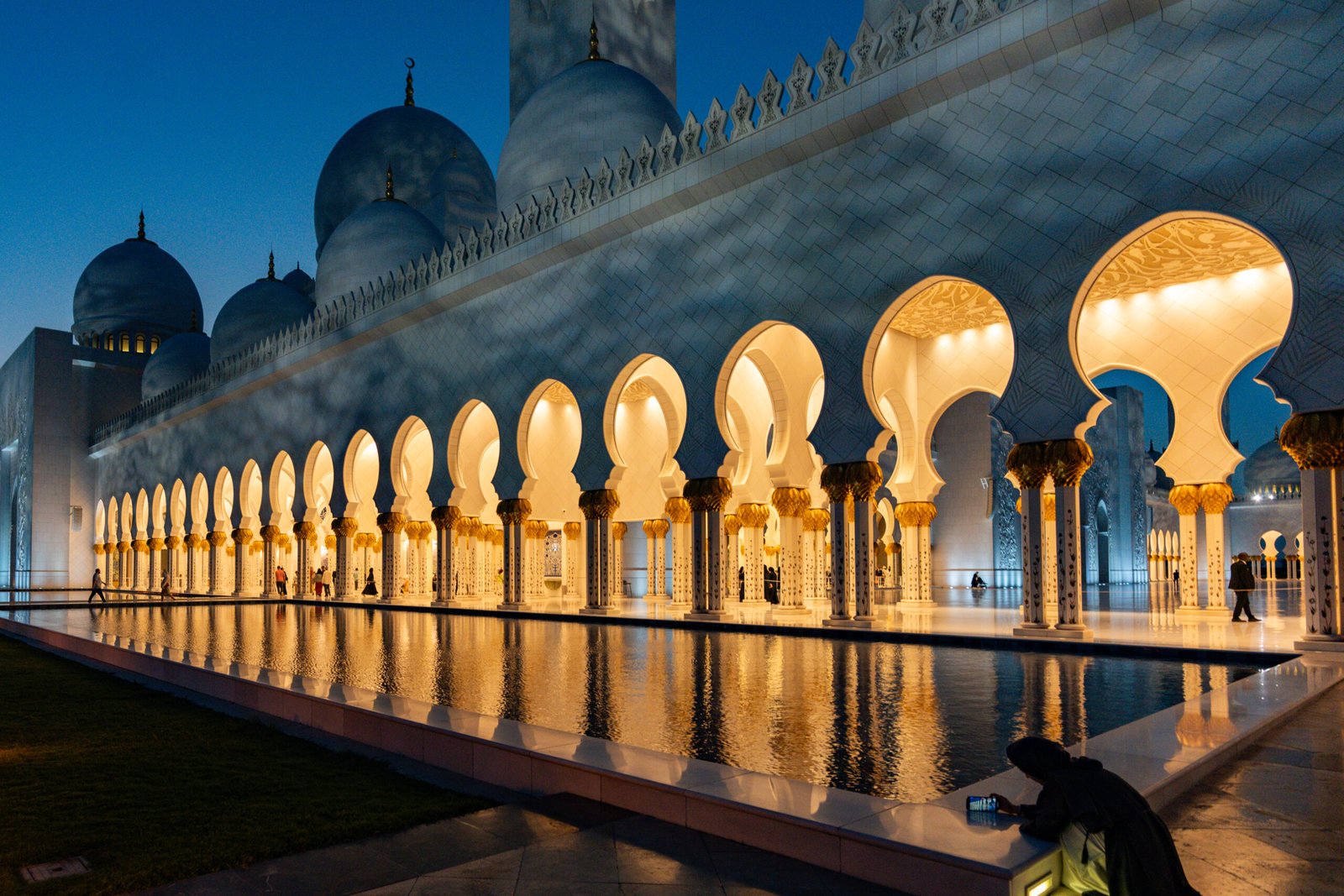
The UAE’s culture is a fascinating blend of traditional Bedouin roots and a hyper-cosmopolitan future. While the Sheikh Zayed Grand Mosque showcases stunning Islamic architecture and heritage, the streets of Dubai are a melting pot of over 200 nationalities. The UAE focuses on "The Future," investing heavily in museums of tomorrow and space exploration, while still maintaining a conservative social fabric based on Islamic values.
Climate and Connectivity: Navigating Monsoons and Desert Heat
Climate is perhaps the biggest factor for anyone choosing between these two. Nepal experiences four distinct seasons. The best times to visit are Spring (March-May) and Autumn (September-November). The monsoon season (June-August) brings heavy rains that can disrupt travel and trekking. It is generally cool, and in the mountains, it is perpetually cold.
The UAE has two seasons: hot and hotter. From October to March, the weather is pleasant and perfect for outdoor activities. However, from June to September, temperatures can soar above 45°C (113°F) with high humidity, making outdoor life nearly impossible. In terms of connectivity, the UAE is a global transit hub with world-leading airlines like Emirates and Etihad, while Nepal’s air connectivity is more limited and often subject to weather-related delays.
Cost of Living and Infrastructure: Daily Life in Kathmandu vs. Dubai
For expats and travelers, the financial contrast is significant:
- Nepal: Extremely affordable. You can get a hearty meal for $3-5 and a decent guesthouse for $15-20. Infrastructure like roads and electricity can be inconsistent, particularly outside major cities.
- UAE: High cost of living but high quality of life. Rent and school fees in Dubai are among the highest in the world. However, you get world-class roads, 5G connectivity, and public safety that is ranked among the best globally.
Practical Tips for Travelers
- For Nepal: Always carry cash (NPR), as card machines are rare in the mountains. Pack layers, even in summer.
- For UAE: Respect local customs regarding dress codes in public areas. Download local transport apps like Careem or RTA for easy navigation.
Frequently Asked Questions
1. Do Indians need a visa for Nepal and the UAE?
Indian citizens do not need a visa to enter Nepal; they can enter with a valid passport or Voter ID. For the UAE, Indians require a visa, though those with a valid US, UK, or Schengen visa may be eligible for a visa-on-arrival.
2. Which country is better for job seekers?
The UAE offers significantly higher salaries and a more robust job market for sectors like construction, IT, finance, and healthcare. Nepal is better suited for those looking into social work, NGO sectors, or small-scale adventure tourism startups.
3. What is the best time to visit Nepal for trekking?
The peak trekking seasons are October to November (clear skies after monsoon) and March to April (rhododendron blooms and moderate temperatures).
4. Is the UAE safe for solo female travelers?
Yes, the UAE is consistently ranked as one of the safest countries in the world due to strict laws and high surveillance, making it very safe for solo female travelers.
5. Can I use Indian Rupees in these countries?
In Nepal, Indian currency (specifically notes of ₹100 and below) is widely accepted. In the UAE, you must use the UAE Dirham (AED), though major malls and airports may accept USD or Euros at poor exchange rates.
Conclusion
Nepal and the UAE represent two different aspirations. Nepal is for the soul—a place to slow down, hike through clouds, and witness ancient rituals. The UAE is for the ambition—a place to witness the pinnacle of human engineering, build a career, and enjoy world-class luxury. Whether you choose the quiet trails of the Himalayas or the buzzing streets of Dubai, both destinations offer a unique perspective on how geography shapes human destiny.





Comments 0
Leave a Reply
Your email address will not be published. Required fields are marked *
Be the first to share your thoughts!