
💡 The Shadow War Unveiled: A Comprehensive Guide to the Israel-Iran Geopolitical Rivalry
A deep dive into the historical roots, proxy networks, and nuclear tensions defining the conflict between Israel and Iran.
The geopolitical rivalry between Israel and Iran is a defining struggle for power in the Middle East, driven by deep-seated ideological differences, a battle for regional dominance, and the existential security concerns surrounding nuclear proliferation. For decades, this conflict was fought through covert operations, cyberattacks, and proxy militias—a dynamic known as the "Shadow War." However, recent escalations have seen this rivalry transition into more direct military confrontations, making it the primary flashpoint for global security and economic stability.
The Shift from Covert Tensions to Direct Confrontation
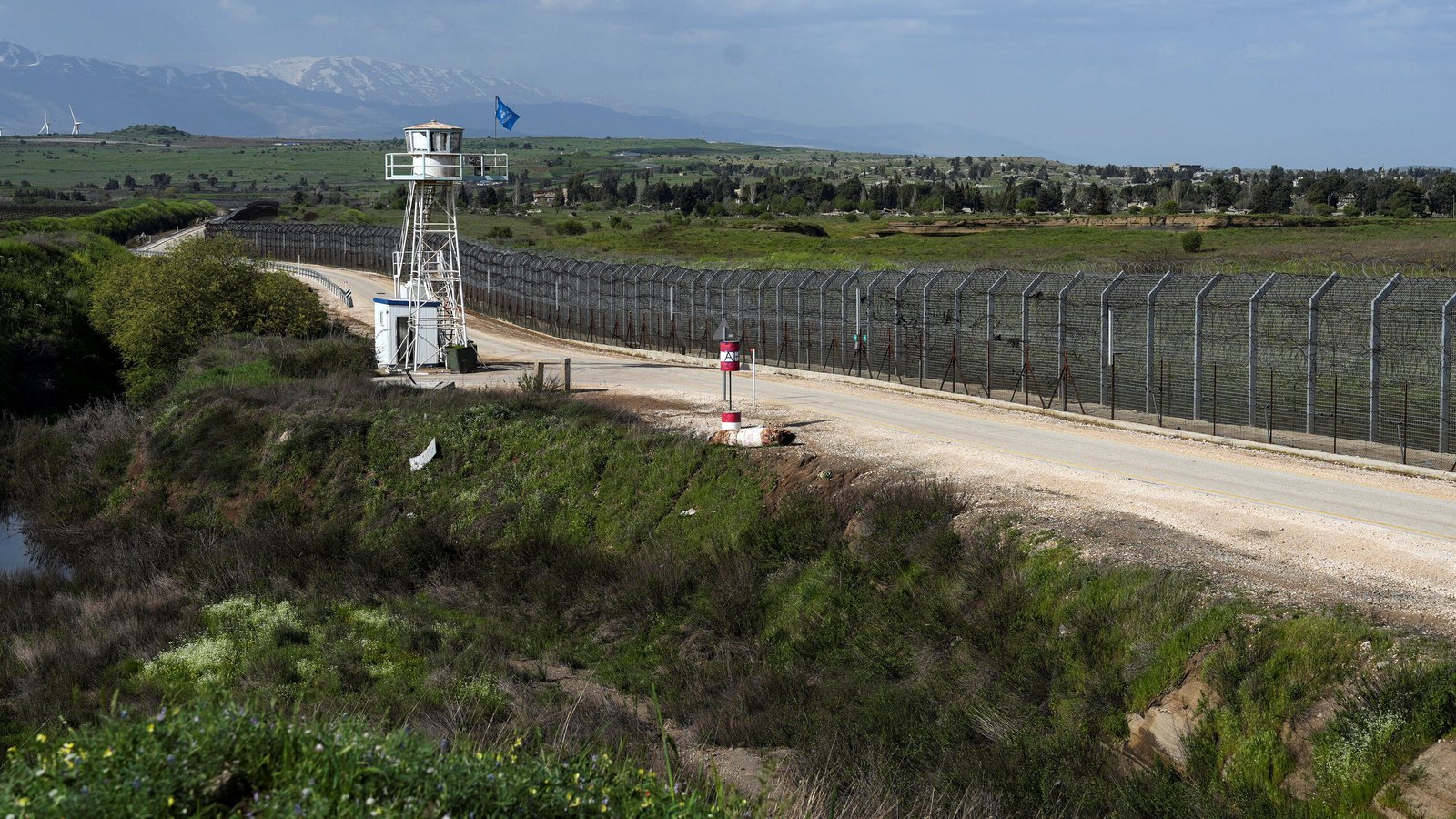
For years, the friction between Jerusalem and Tehran operated under a policy of "plausible deniability." Israel targeted Iranian-linked infrastructure and personnel in Syria, while Iran supported a network of regional groups to harass Israel. This balance was designed to avoid a total regional war while still achieving strategic objectives. Recently, the threshold for direct engagement has lowered. The transition from using middlemen to launching direct strikes from sovereign territories marks a significant shift in the rules of engagement, signaling that the era of keeping the conflict entirely in the shadows may be coming to an end.
From Strategic Allies to Arch-Enemies: The Historical Roots of the Conflict
It is often forgotten that Israel and Iran were once strategic partners. Before the 1979 Islamic Revolution, Iran was one of the first Muslim-majority nations to recognize Israel. During the era of the Shah, the two countries shared deep economic and security ties, primarily because they shared common enemies in the Arab world. Iran exported oil to Israel, and Israel provided Iran with agricultural and military expertise.
Everything changed in 1979. The revolution transformed Iran into a theocratic republic that viewed the United States as the "Great Satan" and Israel as the "Little Satan." The new leadership under Ayatollah Khomeini adopted a staunchly anti-Zionist stance, framing the liberation of Jerusalem as a core religious and political goal. This ideological shift turned former allies into bitter rivals, setting the stage for a decades-long pursuit of regional hegemony.
The Mechanics of the 'Shadow War': Proxy Networks and Asymmetric Warfare
Iran’s primary strategy against Israel is the use of asymmetric warfare. Rather than engaging in a traditional state-on-state war where Israel’s advanced air force and technology would have a massive advantage, Tehran has built a "ring of fire" around Israel. This is achieved through the sponsorship of various groups collectively known as the "Axis of Resistance."
- Hezbollah: Based in Lebanon, this is Iran's most powerful proxy, possessing a massive arsenal of rockets and a sophisticated fighting force.
- Hamas and Islamic Jihad: Operating in the Palestinian territories, these groups receive financial and logistical support from Tehran.
- The Houthis: Based in Yemen, they provide Iran with a way to pressure maritime routes and target Israel from the south.
- Militias in Iraq and Syria: These groups allow Iran to maintain a land corridor from Tehran to the Mediterranean.
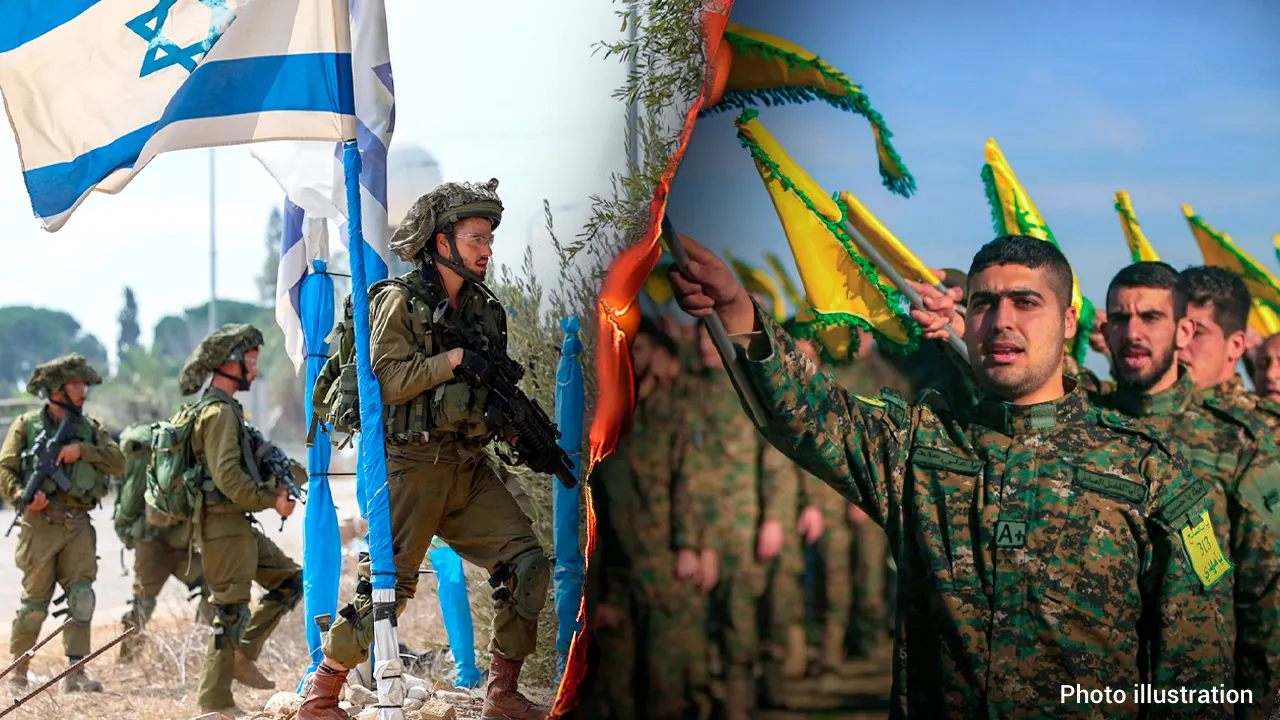
Israel responds to these threats through the "Campaign Between the Wars." This involves targeted airstrikes on weapon shipments, intelligence operations to sabotage military facilities, and high-tech cyber warfare aimed at disrupting Iranian infrastructure.
The Nuclear Threshold: Understanding Israel’s Security Doctrine and Iran’s Technological Ambitions
At the heart of the tension is the nuclear issue. Israel views a nuclear-armed Iran as an existential threat. To prevent this, Israel adheres to the "Begin Doctrine," which states that Israel will not allow any enemy state in the Middle East to acquire weapons of mass destruction. This doctrine led to the destruction of Iraq’s Osirak reactor in 1981 and a Syrian facility in 2007.
Iran maintains that its nuclear program is for peaceful purposes, such as energy and medical research. However, its continued enrichment of uranium to high levels and the development of long-range ballistic missiles have kept the international community on edge. The collapse of the 2015 nuclear deal (JCPOA) has left a vacuum where diplomatic solutions are harder to find, leaving military or covert sabotage as the primary tools for containment.
Regional Hegemony and the Ideological Divide: The 'Axis of Resistance' vs. The Abraham Accords
The rivalry has effectively split the Middle East into two camps. On one side is the Iran-led Axis of Resistance, which prioritizes opposition to Western influence and Israel. On the other side is a growing coalition of nations that prioritize economic modernization and regional stability.
The Abraham Accords represented a seismic shift in this dynamic. By normalizing relations between Israel and several Arab nations (such as the UAE and Bahrain), a new security architecture emerged. These nations, once hostile to Israel, now find common ground with Jerusalem in their shared concern over Iranian expansionism. This realignment is not just about defense; it’s about creating a counter-weight to Iran’s influence through trade, technology, and intelligence sharing.
Global Economic and Security Consequences of a Full-Scale Escalation
A full-scale war between Israel and Iran would not stay contained within the Middle East. The global economy is heavily reliant on the stability of this region for energy supplies. Iran has the capability to disrupt the Strait of Hormuz, a narrow waterway through which about 20% of the world's total oil consumption passes.
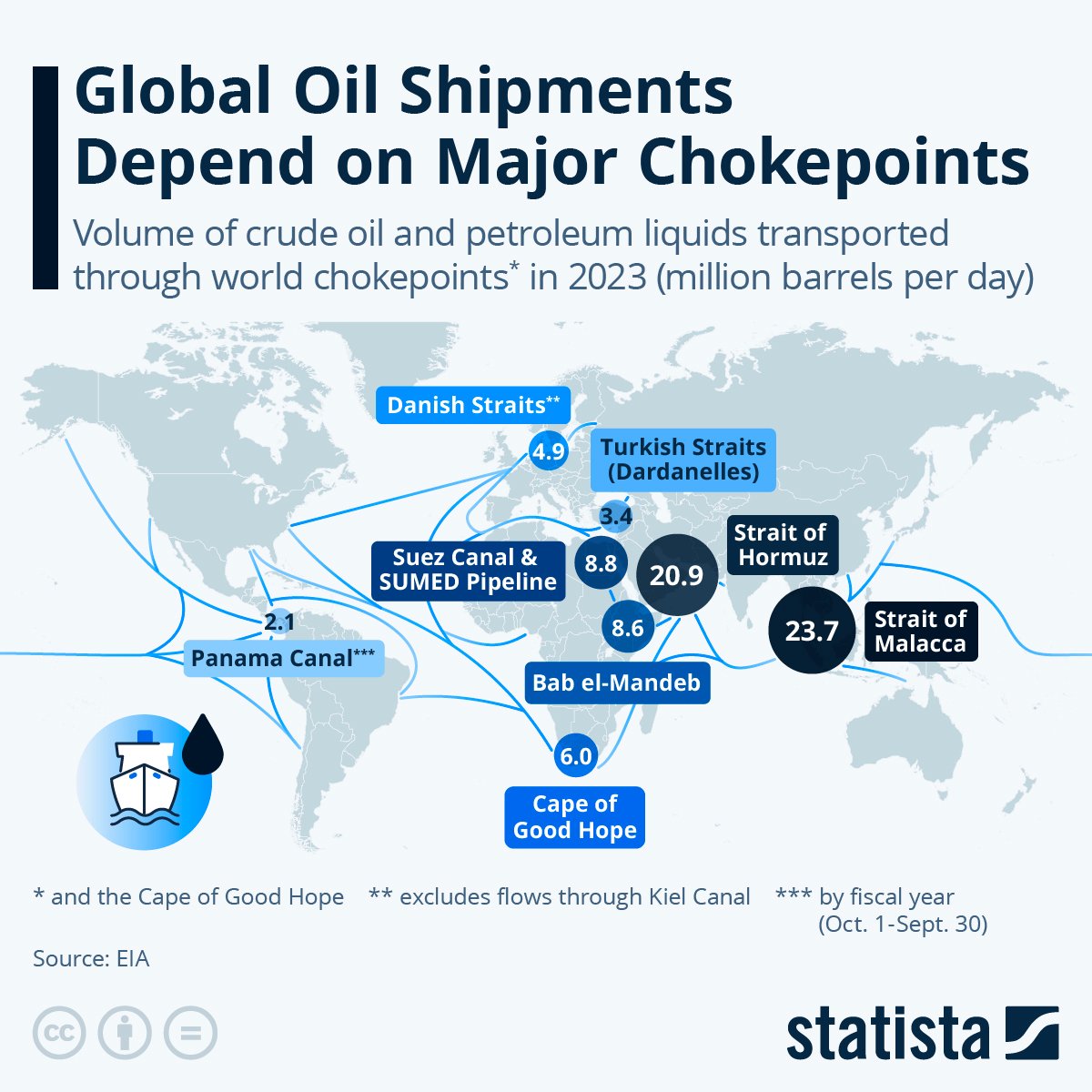
Beyond oil, a major conflict would likely trigger:
- Global Shipping Disruptions: Increased insurance costs and rerouting of vessels around Africa.
- Cyber Warfare: Retaliatory strikes on financial institutions and power grids worldwide.
- Migration Crises: Large-scale displacement of people across the region, impacting Europe and beyond.
Frequently Asked Questions Regarding the Israel-Iran Conflict
1. Why do Israel and Iran hate each other?
The hostility is primarily ideological and geopolitical. Since the 1979 Revolution, Iran’s leadership has viewed Israel as an illegitimate state. Geopolitically, both nations are competing to be the dominant power in the Middle East.
2. Does Iran have nuclear weapons?
Currently, there is no public evidence that Iran possesses a functional nuclear weapon. However, they have significantly increased their uranium enrichment levels, which brings them closer to the "breakout" capacity required to build one.
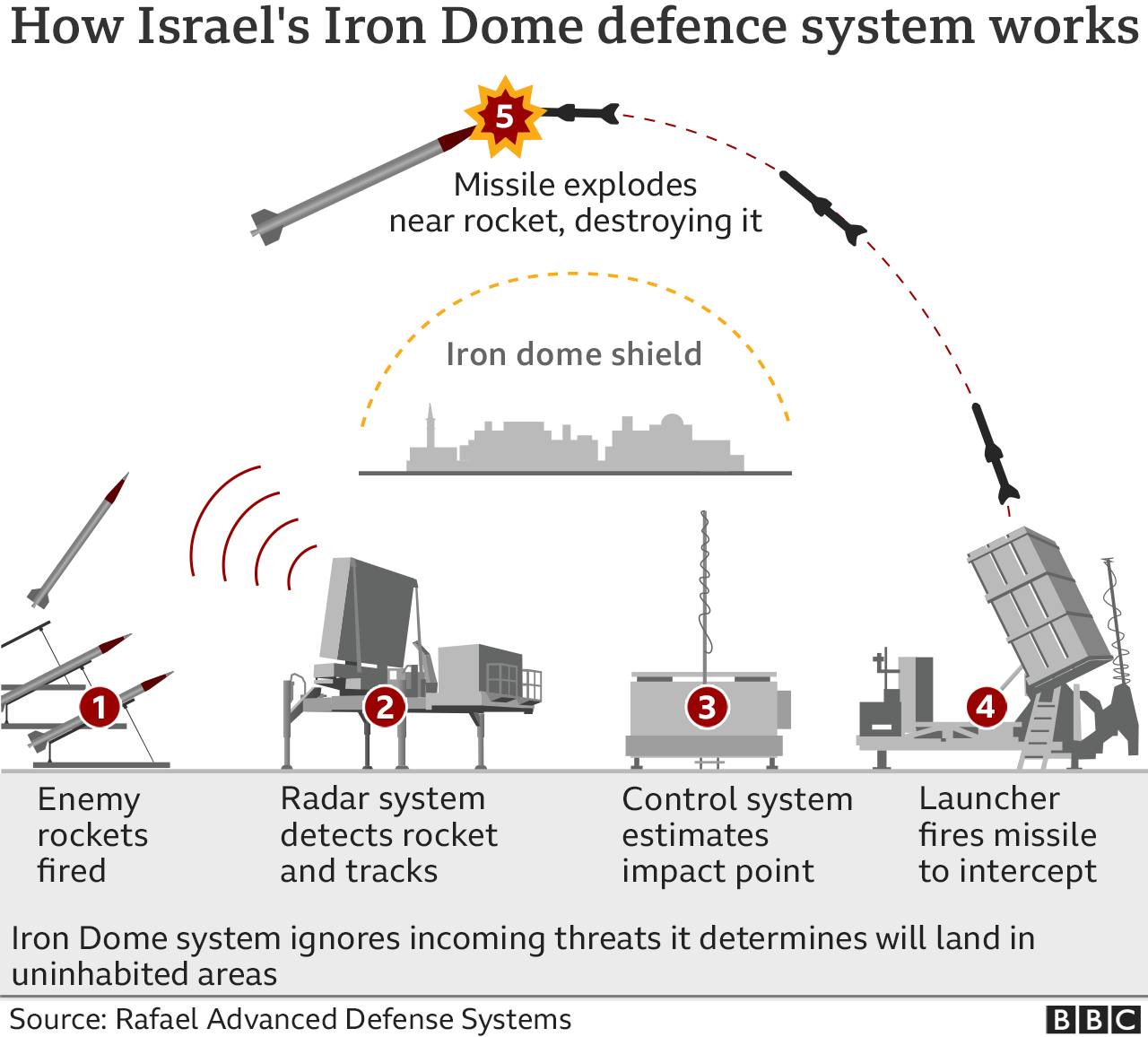
3. What is the Iron Dome?
The Iron Dome is Israel's short-range air defense system designed to intercept and destroy rockets and artillery shells. While highly effective, it is just one layer of a multi-tiered defense system that includes David’s Sling and the Arrow systems for long-range threats.
4. How do the United States and Russia fit into this?
The US is Israel’s primary strategic ally, providing military aid and diplomatic support. Russia maintains a complex relationship with both; it cooperates with Iran in Syria but also maintains a deconfliction channel with Israel to avoid accidental clashes.
5. Can diplomacy end the conflict?
While high-level talks occasionally occur between intermediaries (like the US and Iran), the fundamental ideological differences and security concerns make a comprehensive peace treaty unlikely in the near term. Most diplomacy focuses on "conflict management" rather than "conflict resolution."
Conclusion
The rivalry between Israel and Iran is no longer just a regional dispute; it is a central pillar of global geopolitics. As the 'Shadow War' moves into the light, the world faces a delicate balancing act. Navigating an uncertain future in Middle Eastern diplomacy will require a combination of firm deterrence and a willingness to explore de-escalation channels. Whether through the realignment of regional powers or international mediation, the goal remains the same: preventing a localized rivalry from igniting a global catastrophe.





Comments 0
Leave a Reply
Your email address will not be published. Required fields are marked *
Be the first to share your thoughts!