

💡 Where is 8th pay commission?
Explore the comprehensive guide on the 8th Pay Commission in India, its potential impact on salary, pensions, and how the fitment factor and Dearness Allowance influence government earnings.
Understanding the 8th Pay Commission: A Comprehensive Guide for Central Government Employees and Pensioners
The structure of government compensation in India is a complex but vital aspect of the national economy. For millions of central government employees and pensioners, the transition between pay commissions represents a significant shift in financial stability and purchasing power. As the cycle of the 7th Pay Commission continues, discussions regarding the 8th Pay Commission have become a focal point for administrative and economic discourse. This guide provides an in depth look at what the 8th Pay Commission entails, how it functions, and what it means for the future of government salaries and pensions.

What is the 8th Pay Commission?
The Pay Commission is an administrative body set up by the Government of India to review and recommend changes to the salary structure, allowances, and benefits of central government employees. Historically, these commissions are established approximately every ten years to ensure that government wages keep pace with inflation and the rising cost of living. According to historical data, the first pay commission was established in 1946, and since then, seven commissions have completed their mandates. The 8th Pay Commission is the anticipated next step in this decadal cycle, aimed at revising the pay scales that were last adjusted under the 7th Pay Commission.
Experts suggest that the primary objective of a new pay commission is to address the disparities caused by economic shifts. As per recent industry reports, the commission evaluates various factors, including the consumer price index, the fiscal health of the nation, and the standard of living required for public servants. By doing so, it aims to create a balanced compensation model that attracts talent to public service while remaining sustainable for the national exchequer.
Why is the 8th Pay Commission necessary?
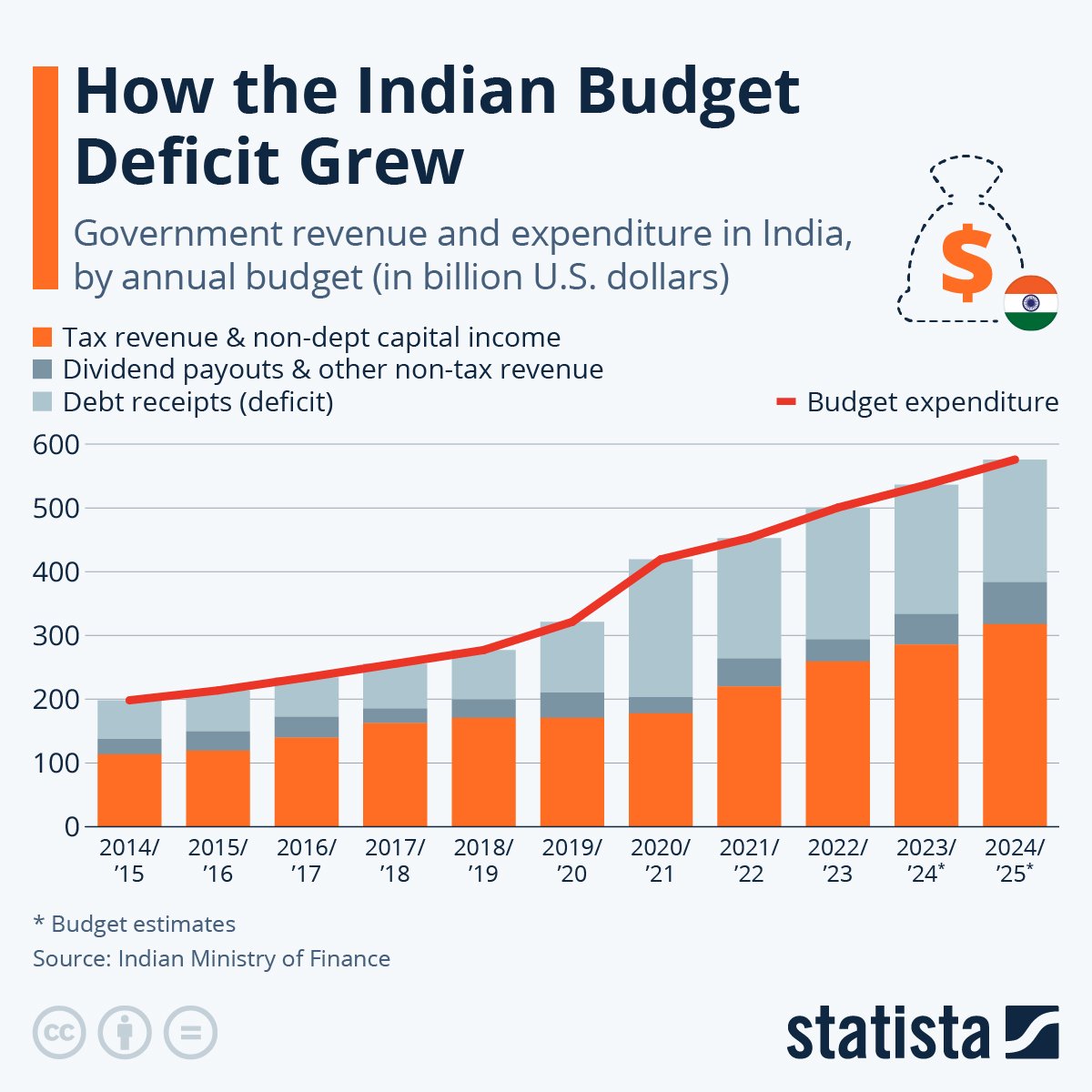
Why is there a consistent demand for a new pay commission every decade? The answer lies in the erosion of purchasing power due to inflation. While the government provides periodic relief through Dearness Allowance (DA), these increments are often seen as temporary measures. A full pay commission review allows for a fundamental restructuring of the basic pay, which in turn affects all other components of the salary, such as House Rent Allowance (HRA) and travel allowances.
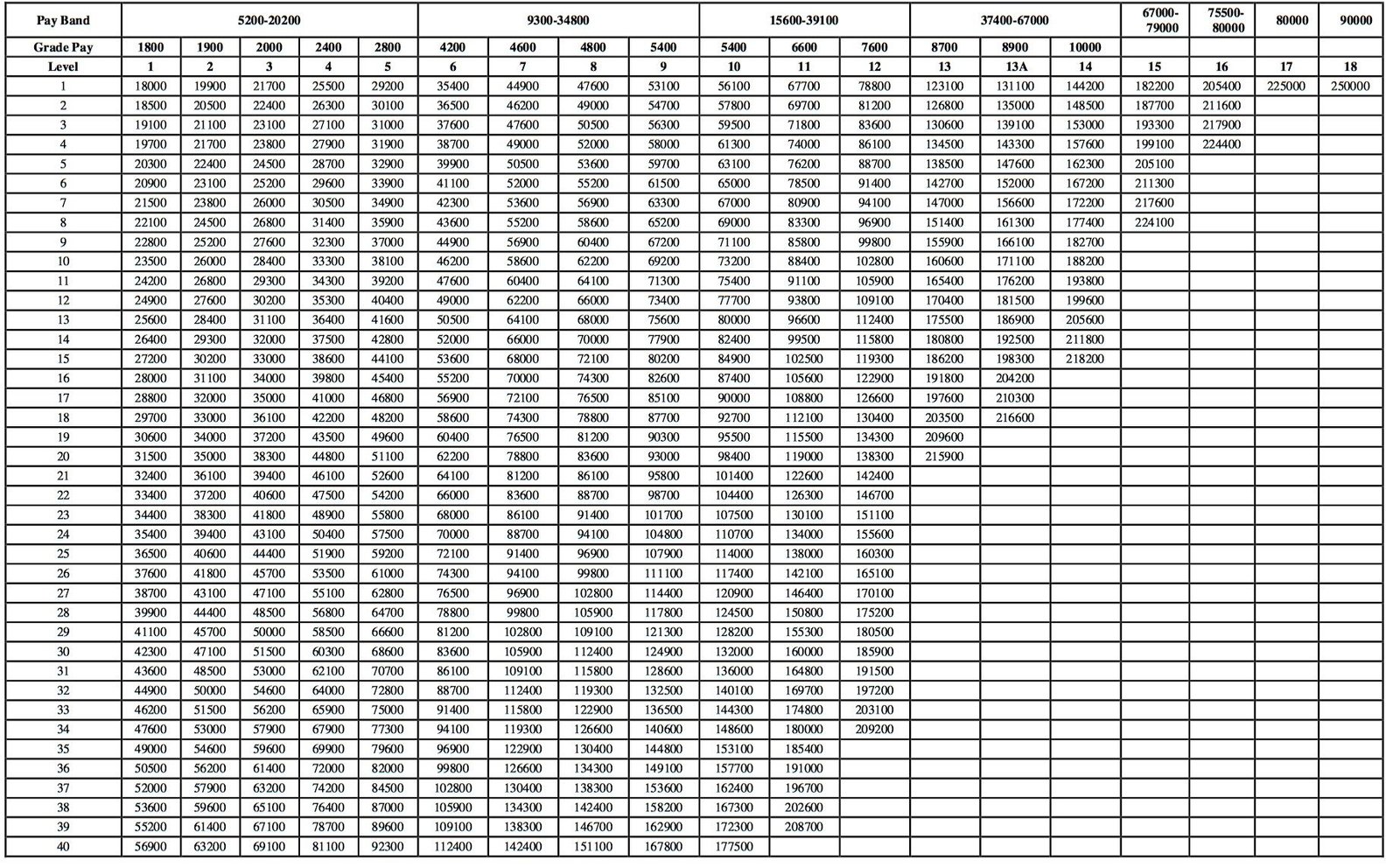
As per economic analysts, the 7th Pay Commission recommendations were implemented in 2016. Following the ten year tradition, the expectations for the 8th Pay Commission usually align with a 2026 implementation timeline. The necessity arises from the need to simplify the complex pay matrix and to ensure that the minimum wage for the lowest tier of government service remains dignified and competitive in the modern market.
How to understand the impact on Salary and Pension?
The impact of a new pay commission is felt most significantly through two primary mechanisms: the Fitment Factor and the merger of Dearness Allowance. To understand how your salary or pension might change, it is essential to look at these core concepts.
What is the Fitment Factor?
The fitment factor is a multiplier used to arrive at the new basic pay from the old basic pay. For instance, the 7th Pay Commission used a fitment factor of 2.57. If the 8th Pay Commission is established, there is widespread speculation among employee unions that a higher fitment factor might be proposed to counter the high inflation rates experienced over the last decade. A higher fitment factor leads to a substantial jump in the basic salary, which serves as the foundation for all other calculations.
What is the role of Dearness Allowance (DA)?
Dearness Allowance is a cost of living adjustment allowance. Experts suggest that when the DA reaches or crosses the 50 percent mark of the basic pay, it often triggers a demand for a merger or a new pay commission. This is because a high DA indicates that the original basic pay is no longer reflective of current economic realities. For pensioners, this is referred to as Dearness Relief (DR), and it follows the same logic as DA for active employees.
Step-by-Step Guide: How the Pay Commission Process Works
Understanding the timeline of a pay commission helps in managing expectations. The process is usually divided into several key stages:
- Constitution of the Commission: The Union Cabinet approves the formation of the commission, appointing a chairperson and members, often including retired judges and economic experts.
- Consultation Phase: The commission invites representations from various stakeholders, including employee unions, departmental heads, and state governments.
- Data Analysis: The body analyzes economic trends, inflation data, and the government fiscal capacity.
- Submission of Report: The commission submits its detailed recommendations to the government.
- Cabinet Approval: The Union Cabinet reviews the recommendations and decides which parts to implement and when.
- Implementation: Notification is issued, and the new pay scales are applied, often with retrospective effect if there were delays.
Real-Life Examples of Pay Commission Benefits
To illustrate the benefits, consider a hypothetical central government employee. Under the 7th Pay Commission, an entry level employee might have a basic pay of 18,000 units. If an 8th Pay Commission were to recommend a fitment factor of 3.00, that basic pay could rise to 54,000 units. This increase does not just stay at the basic level; it proportionally increases the HRA, the DA, and the eventual gratuity and pension benefits. For a pensioner, a similar revision ensures that their fixed income remains sufficient to cover healthcare and living expenses in an era of rising costs.
Common Mistakes in Estimating Pay Hikes
Many employees make the mistake of looking only at the gross salary increase without considering tax implications. A significant jump in salary can push an individual into a higher tax bracket, which may slightly offset the net take home pay. Another common error is ignoring the difference between the date of announcement and the date of implementation. Often, there is a gap, and while arrears are paid, the immediate monthly cash flow does not change until the official notification is executed.
Experts suggest that employees should focus on the "Basic Pay" revision rather than the total package, as the basic pay is the component that determines long term benefits like Provident Fund (PF) contributions and pension amounts.
Pro Tips for Financial Planning
- Monitor DA Trends: Keep an eye on the semi annual DA announcements, as they are the most immediate indicators of how the government is viewing inflation.
- Understand the Pay Matrix: Familiarize yourself with your current level in the pay matrix. This helps in accurately predicting where you will land once a new commission revises the levels.
- Debt Management: If a pay hike is expected, it is a good time to plan for the repayment of high interest loans using the arrears that typically accompany pay commission implementations.
- Diversify Savings: Use the increased income from future pay revisions to diversify investments rather than just increasing lifestyle expenses.
Frequently Asked Questions (FAQs)
What is the expected date for the 8th Pay Commission?
While there is no official announcement yet, historical trends suggest that pay commissions are set up every 10 years. Since the 7th Pay Commission was implemented in 2016, expectations are centered around the year 2026 for the next major revision.
How does the 8th Pay Commission affect pensioners?
Pensioners receive Dearness Relief (DR) which is revised alongside the DA for employees. A new pay commission typically revises the base pension, ensuring that the retired workforce maintains their standard of living despite inflation.
Why is the Fitment Factor so important?
The fitment factor is the most crucial number in a pay commission report because it is the multiplier applied to the existing basic pay to determine the new pay scale. It directly dictates the magnitude of the salary hike.
Who is eligible for the benefits of the Pay Commission?
All regular central government employees, including those in the railways, defense services, and various central ministries, along with their respective pensioners, are eligible for the revisions recommended by the commission and accepted by the cabinet.
How does the DA hike relate to the 8th Pay Commission?
DA hikes are interim measures to manage inflation. When the DA becomes a very high percentage of the basic pay, it strengthens the case for a new pay commission to merge the DA into a new, higher basic pay structure.

Conclusion
The 8th Pay Commission remains a topic of significant interest for the millions who serve the Indian government. By understanding the mechanics of pay revisions, the role of the fitment factor, and the importance of Dearness Allowance, employees and pensioners can better prepare for their financial futures. While the implementation of such commissions involves complex bureaucratic and fiscal considerations, their ultimate goal is to ensure that the backbone of the Indian administration remains financially sound and motivated. As per recent industry reports, staying informed through official channels and expert analysis is the best way to navigate the changes that come with every new pay cycle.
Important Note: Financial Disclaimer: This content is for educational purposes only and does not constitute professional financial advice. Always consult with a certified financial planner before making investment decisions.





Comments 0
Leave a Reply
Your email address will not be published. Required fields are marked *
Be the first to share your thoughts!