
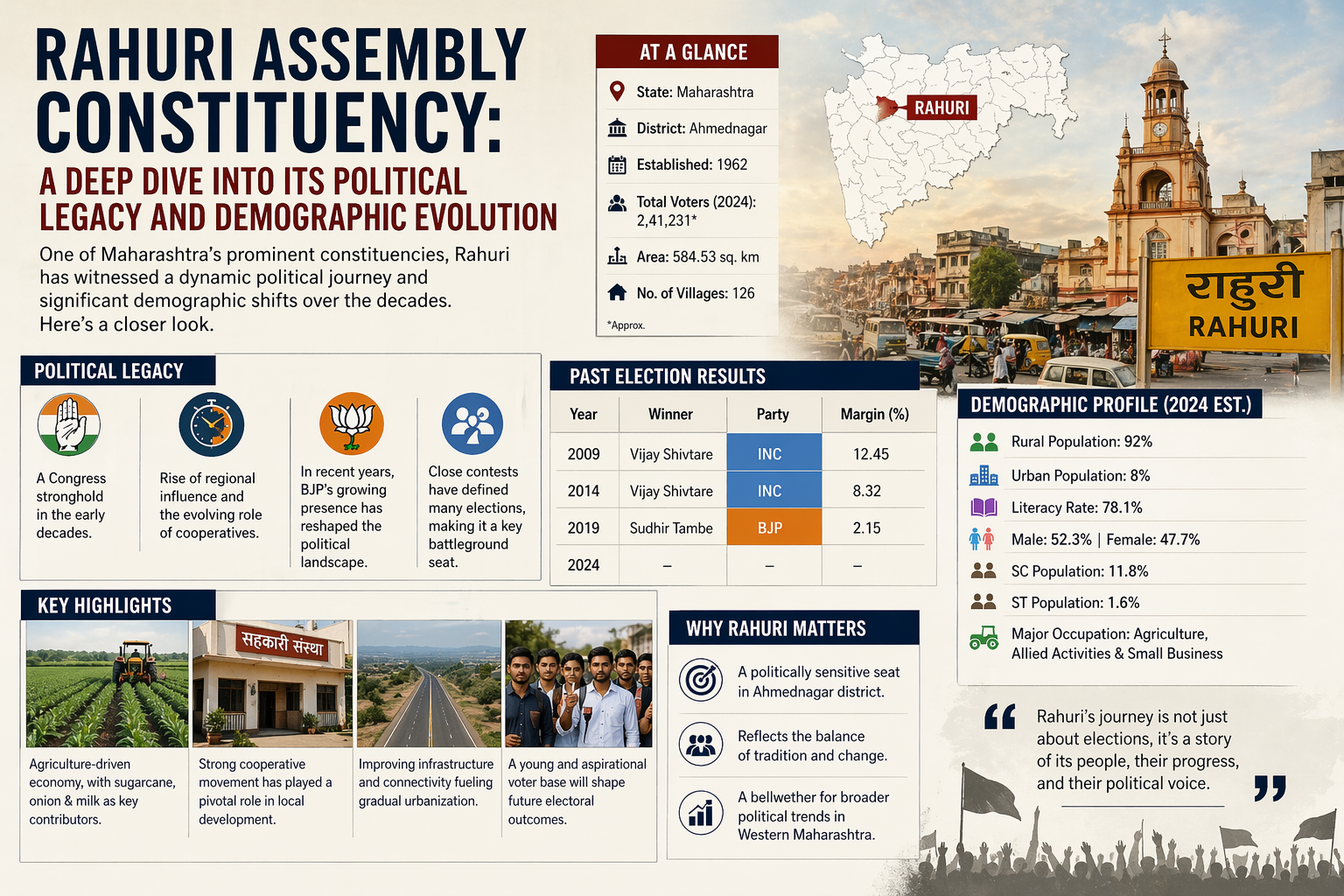
💡 Rahuri Assembly Constituency: A Deep Dive into its Political Legacy and Demographic Evolution
An in-depth look at the Rahuri Vidhan Sabha seat, covering its political history since 1962, the influence of sugar cooperatives, and the demographic shifts shaping its future.
The Rahuri Assembly Constituency, located in the Ahmednagar (now Ahilyanagar) district of Maharashtra, is a vital political seat that serves as a barometer for the state's agrarian and cooperative politics. It is officially designated as Constituency No. 223 and is part of the Shirdi Lok Sabha segment. Since its inception in 1962, Rahuri has been defined by its heavy reliance on the sugar industry, the influence of the Mula Dam, and a long-standing rivalry between prominent local political dynasties. Today, it remains a high-stakes battleground where voting patterns are dictated more by agricultural prosperity and local leadership than by national waves.
Understanding the Significance of Rahuri in Maharashtra Politics
Rahuri is not just another rural seat; it is the heart of the "Sugar Belt" in Western Maharashtra. In the context of Maharashtra politics, whoever controls the cooperative institutions in Rahuri—such as the sugar factories and milk unions—often holds the keys to the Vidhan Sabha. The constituency represents a blend of traditional rural values and educational advancement, being home to the prestigious Mahatma Phule Krishi Vidyapeeth (MPKV), one of India’s leading agricultural universities. This unique positioning makes Rahuri a focal point for agricultural policy discussions and rural development strategies in the state.
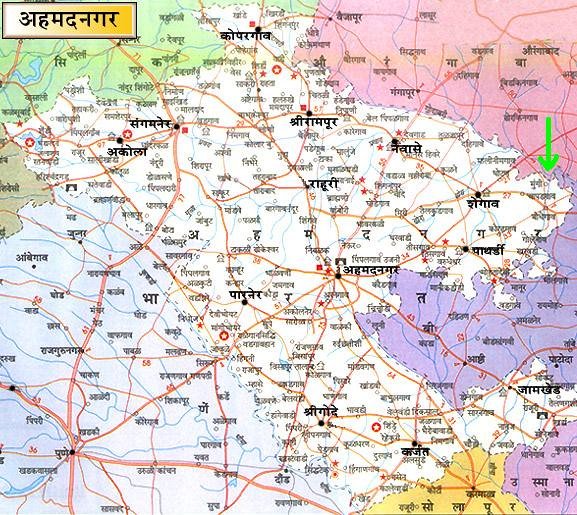
The Historical Journey of the Rahuri Vidhan Sabha Seat (1962–Present)
The Rahuri constituency was established in 1962 following the delimitation of assembly seats in the newly formed state of Maharashtra. In the early decades, the Indian National Congress (INC) held a firm grip on the region, mirroring the party's dominance across the state. However, as the cooperative movement grew, local leaders began to build their own power bases independent of the central party leadership.
Over the years, the seat has seen a transition from Congress dominance to the rise of the Nationalist Congress Party (NCP) and the Bharatiya Janata Party (BJP). The late 1990s and 2000s marked a period of intense competition, where the electorate began prioritizing local developmental issues over ideological affiliations. The 2009 delimitation further altered the constituency's boundaries, incorporating new villages and shifting the demographic balance slightly, which forced political parties to recalibrate their strategies.
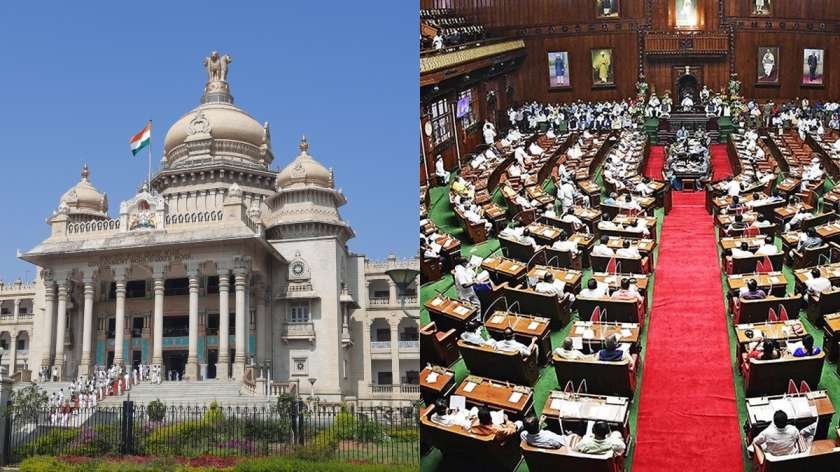
Key Political Figures and the Influence of Local Dynasties
Politics in Rahuri is synonymous with family legacies. For decades, the political narrative has revolved around two or three major families who have controlled the local sugar cooperatives and credit societies.
- The Tanpure Family: Baburao Bapuji Tanpure was a pioneer in the cooperative movement here. His legacy was carried forward by Prasad Tanpure, a veteran leader who served multiple terms. In recent years, Prajakt Tanpure has emerged as the face of the NCP (Sharad Pawar faction), focusing on youth engagement and modernizing infrastructure.
- Shivaji Kardile: A formidable force who has represented both the NCP and the BJP at different times. Kardile’s strength lies in his deep grassroots connection and his ability to mobilize the Maratha and OBC vote banks.
- Ramkrishna More and others: Several other local leaders have played "kingmaker" roles, often shifting their support between the Tanpure and Kardile camps depending on the prevailing political climate.
Demographic Breakdown: Caste Dynamics, Literacy, and Population Trends
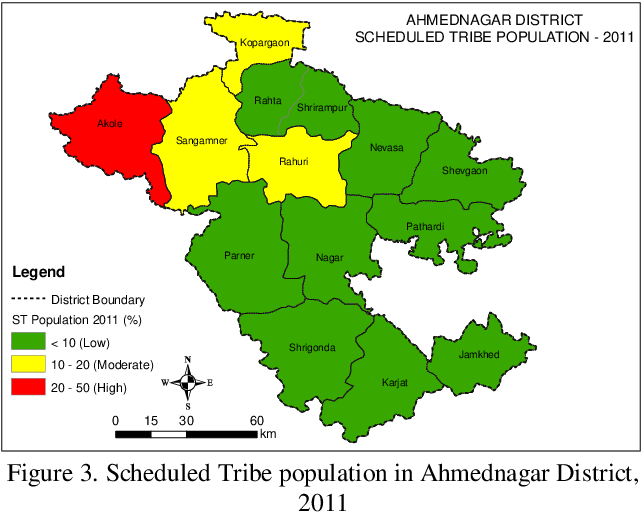
The demographic profile of Rahuri is predominantly rural, though the town of Rahuri is rapidly urbanizing. The Maratha community holds significant social and political sway, making up the largest voting bloc. However, the constituency also has a substantial population of Other Backward Classes (OBCs), Scheduled Castes (SC), and Scheduled Tribes (ST), particularly in the hilly regions bordering the tehsil.
Literacy rates in Rahuri are notably higher than the state average for rural areas, largely due to the presence of the Agricultural University and several private educational complexes. This has created an informed electorate that frequently questions candidates on issues like employment, technical education, and sustainable farming practices.
Economic Drivers: How Agriculture and Sugar Cooperatives Shape Voting Patterns
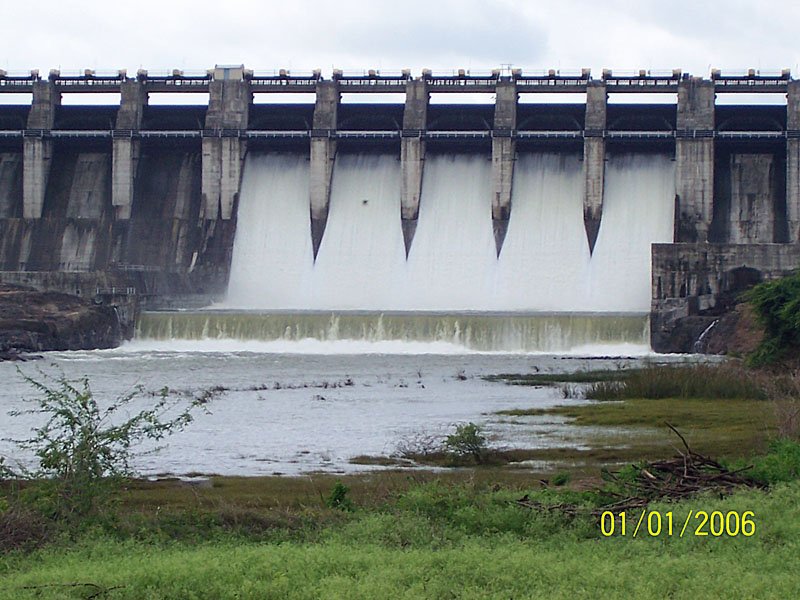
The economy of Rahuri is the engine that drives its politics. The Mula Dam, one of the largest in the district, provides the necessary irrigation for sugarcane, onion, and pomegranate cultivation.
The Sugar Factor: The Rahuri Sahakari Sakhar Karkhana (Sugar Factory) is more than just an industrial unit; it is a political institution. The board of directors often consists of the same individuals running for the Assembly. When the factory performs well and pays farmers on time, the incumbent usually enjoys a smooth ride. Conversely, any mismanagement in the cooperative sector leads to immediate anti-incumbency.
The Rise of Onions and Pomegranates: In recent years, farmers have diversified. Rahuri has become a major hub for onion exports. Consequently, export-import policies set by the central government and the stability of market prices (APMC) have become critical election issues, often outweighing traditional caste-based voting.
Geographical Scope: Major Towns, Villages, and Administrative Boundaries
The constituency primarily covers the Rahuri Tehsil. It includes the Rahuri Municipal Council and several large gram panchayats like Vambori, Deolali Pravara, and Taklibhan. The geography varies from the fertile plains fed by the Mula river to the more arid zones on the outskirts. This geographical diversity means that a candidate must balance the needs of the "water-rich" sugarcane farmers with the "water-scarce" villages that rely on tankers during the summer months.
Analyzing Past Election Results and Shifting Voter Sentiments
Historical data shows that Rahuri rarely sticks with one trend for too long. While the Tanpure family held sway for a significant period, the electorate has shown a willingness to vote for the BJP or independent candidates when they feel the local leadership has become stagnant.
In the last few election cycles, the margin of victory has narrowed, indicating a highly polarized and competitive environment. Voters are increasingly looking for leaders who can provide better healthcare facilities, improve the quality of electricity supply for pumps, and ensure fair pricing for agricultural produce. The youth vote, in particular, is moving away from traditional party loyalty and focusing on digital connectivity and local job creation.
Frequently Asked Questions Regarding Rahuri Assembly Constituency
1. Which Lok Sabha constituency does Rahuri fall under?
Rahuri is part of the Shirdi Lok Sabha constituency, which is a reserved seat for Scheduled Caste (SC) candidates at the parliamentary level, though the Rahuri Assembly seat itself is in the General category.
2. Who are the primary political rivals in Rahuri?
Traditionally, the main rivalry has been between the Tanpure family (associated with the NCP) and Shivaji Kardile (associated with the BJP). However, recent splits in major parties have introduced new players into the fray.
3. What is the role of the Mahatma Phule Krishi Vidyapeeth (MPKV) in the region?
MPKV is a major educational and research hub. While it is an academic institution, its presence brings a lot of floating population, researchers, and students to the area, influencing the local economy and the intellectual discourse of the constituency.
4. What is the main irrigation source for Rahuri?
The Mula Dam is the primary source of irrigation. The distribution of its water through canals is a perennial political issue, especially during drought years.
5. How do sugar cooperatives influence elections here?
Sugar cooperatives provide employment and credit to thousands of farmers. The leaders who control these cooperatives have a direct line of communication with the voters, making these institutions the primary centers of political mobilization.
Conclusion
The Rahuri Assembly Constituency is a classic example of how water, agriculture, and family legacies intertwine to create a complex political tapestry. While the shadows of old dynasties still loom large, the evolving demographics and the demands of a younger, more educated electorate are forcing a shift toward development-oriented politics. As the sugar industry faces new challenges and the agricultural landscape diversifies, Rahuri’s political future will depend on which leader can best bridge the gap between traditional cooperative values and the modern aspirations of its citizens.





Comments 0
Leave a Reply
Your email address will not be published. Required fields are marked *
Be the first to share your thoughts!