
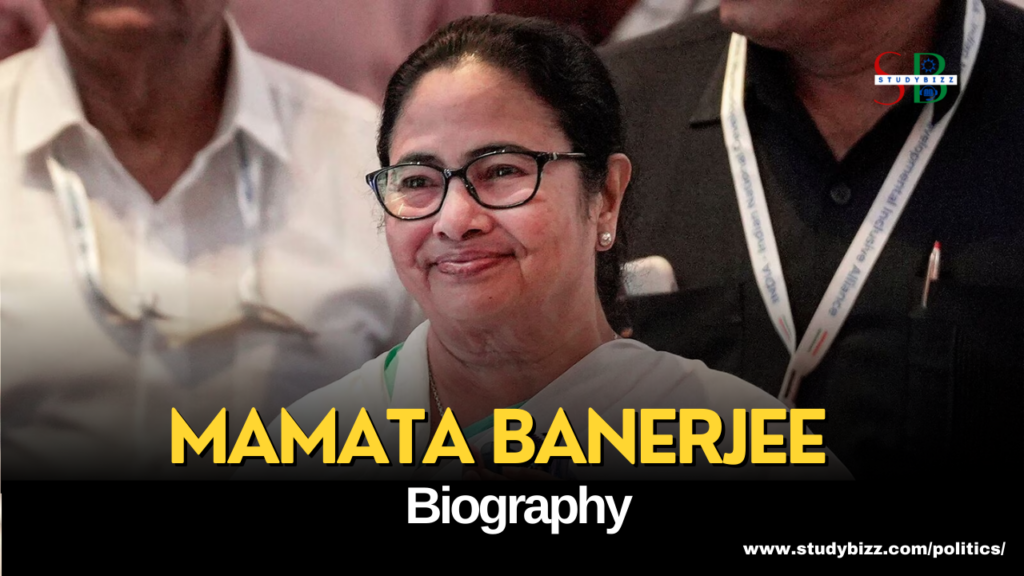
💡 The Political Odyssey of Mamata Banerjee: From Grassroots Activist to West Bengal’s Iron Lady
Explore the remarkable journey of Mamata Banerjee, from her early days as a student leader to becoming the 'giant-killer' of Indian politics and the first female Chief Minister of West Bengal.
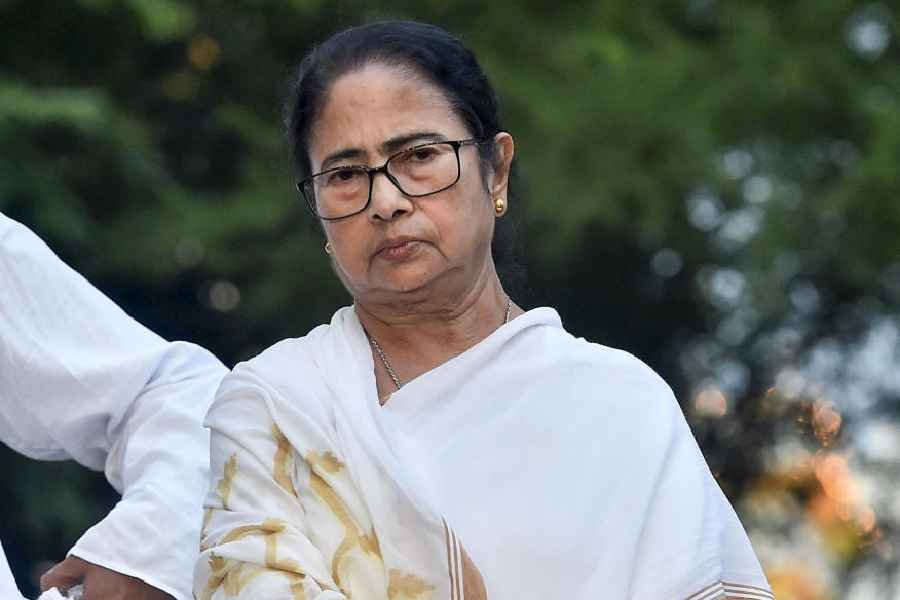
Mamata Banerjee, widely known as 'Didi' (elder sister), is the founder of the All India Trinamool Congress (AITC) and has served as the Chief Minister of West Bengal since 2011. Her political career is defined by her transition from a grassroots student activist to a formidable national leader who ended the world's longest-running democratically elected Communist government. Known for her trademark white cotton sari and rubber slippers, she represents a brand of populist, street-fighting politics that has reshaped the electoral landscape of Eastern India.
The Indomitable Spirit of 'Didi' in Indian Politics
In the complex tapestry of Indian politics, few leaders command as much grassroots loyalty as Mamata Banerjee. Her ascent is not the result of political lineage or inherited wealth, but rather a decades-long struggle against established power structures. As the first woman to hold the office of Chief Minister in West Bengal, she has cultivated an image of a protector of the 'Ma, Mati, Manush' (Mother, Land, and People), a slogan that became the heartbeat of her political movement.
Early Life and the Foundations of a Student Leader in Kolkata
Born on January 5, 1955, in a lower-middle-class family in Kolkata, Mamata Banerjee’s early life was marked by financial hardship. Her father died when she was young, leaving her to navigate the challenges of urban poverty. Despite these hurdles, she excelled academically, earning degrees in History, Education, and Law from the University of Calcutta and Jogesh Chandra Chaudhuri Law College.
Her political journey began in the 1970s when she joined the Chhatra Parishad, the student wing of the Indian National Congress. Even as a young student, she was known for her fiery oratory and her willingness to confront political opponents on the streets, a trait that would define her entire career.
The 1984 Giant-Killer: Rising Through the Ranks of the Indian National Congress
The year 1984 marked Mamata Banerjee’s entry into the national spotlight. In a stunning electoral upset, she defeated Somnath Chatterjee—a veteran Marxist leader and future Speaker of the Lok Sabha—in the Jadavpur constituency. This victory earned her the title of 'giant-killer' and established her as a rising star within the Congress party.
During the late 80s and early 90s, she held various ministerial portfolios in the Union Cabinet, including Human Resources Development, Youth Affairs and Sports, and Women and Child Development. However, her heart remained in the politics of Bengal, where she felt the Congress was not doing enough to challenge the dominance of the Left Front.
The Birth of Trinamool Congress: A Defiant Quest for Bengal’s Identity
By 1997, the friction between Mamata Banerjee and the West Bengal state leadership of the Congress party reached a breaking point. She accused the party of being a 'B-team' of the Communists. In 1998, she broke away to form the All India Trinamool Congress (AITC).
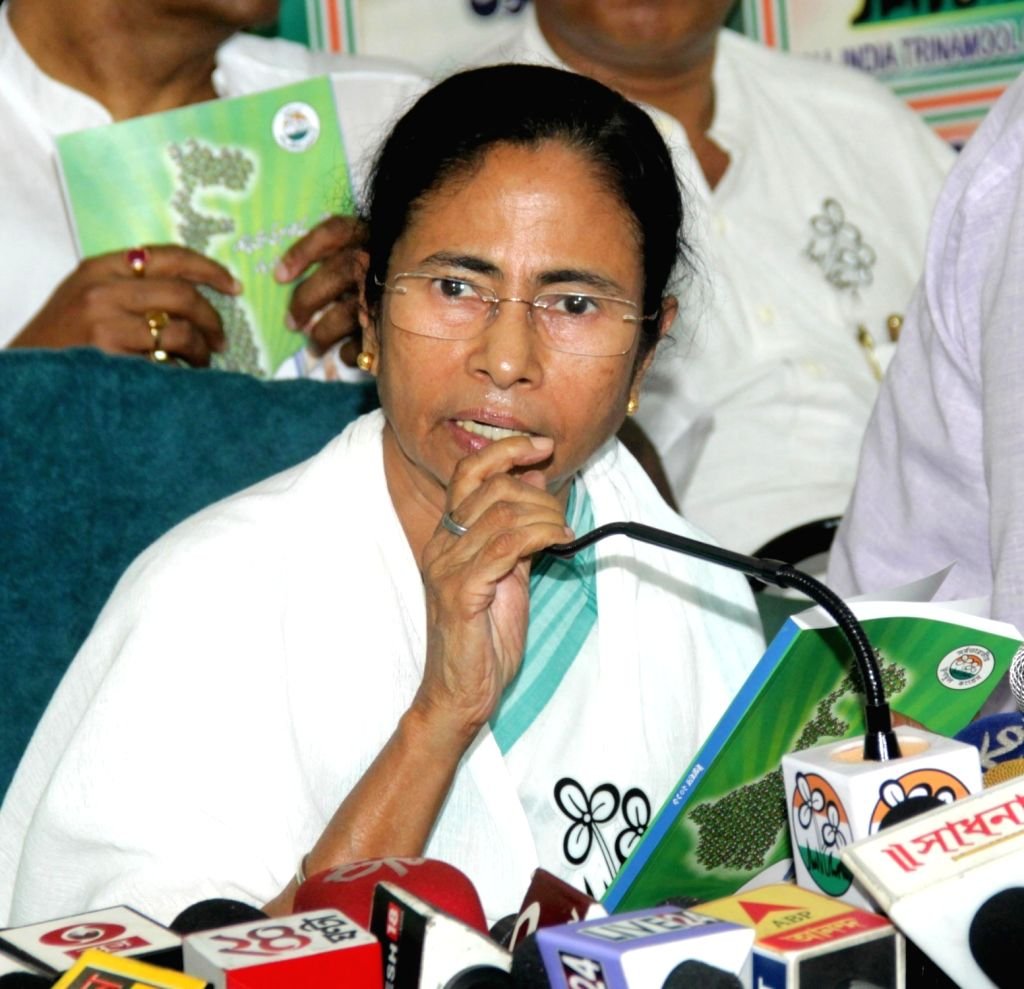
The early years of the TMC were a period of intense struggle. The party faced significant electoral setbacks, and many skeptics believed she could never unseat the deeply entrenched Left Front. Yet, her persistence and ability to connect with rural voters kept the party relevant.
Singur and Nandigram: The Land Movements That Changed the Course of History
The real turning point in Banerjee’s career came between 2006 and 2008. The Left Front government’s attempt to forcibly acquire fertile agricultural land for industrial projects in Singur (for a Tata Motors plant) and Nandigram (for a Special Economic Zone) sparked massive local resistance.
Mamata Banerjee seized this moment, positioning herself as the voice of the displaced farmers. Her 26-day hunger strike and her presence on the front lines of the protests shifted the political tide. These movements successfully painted the Left Front as 'anti-farmer' and 'pro-corporate,' effectively dismantling the Communists' core rural support base.
The Historic 2011 Transition: Ending 34 Years of Left Front Rule
The 2011 West Bengal Legislative Assembly election was a watershed moment in Indian history. Under the slogan of 'Parivartan' (Change), Mamata Banerjee led an alliance that decimated the Left Front, ending their 34-year uninterrupted rule.
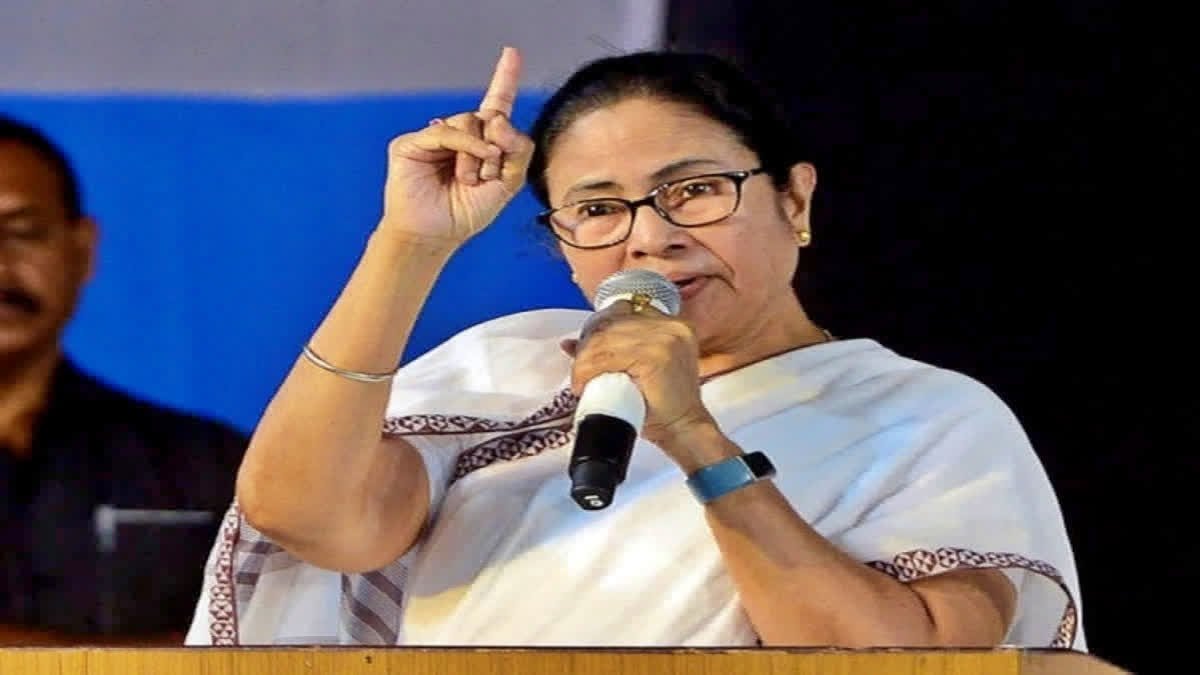
Her victory was celebrated as a triumph of democratic persistence. On May 20, 2011, she was sworn in as the first female Chief Minister of West Bengal, marking the beginning of a new era in the state's governance.
Governance and the 'Ma Mati Manush' Philosophy: Key Welfare Initiatives
Once in power, Banerjee shifted her focus toward social welfare and rural development. Her governance model is characterized by direct benefit transfers and targeted schemes for marginalized communities. Key initiatives include:
- Kanyashree Prakalpa: A globally recognized conditional cash transfer scheme aimed at improving the life and status of girls by discouraging early marriage and encouraging education.
- Sabooj Sathi: A program providing bicycles to students in government-run schools to improve mobility and reduce dropout rates.
- Swasthya Sathi: A comprehensive health insurance scheme covering more than 7.5 crore people in the state.
- Lakshmir Bhandar: A monthly financial assistance program for female heads of households, which has become a cornerstone of her recent electoral successes.
Administrative Challenges and the Evolution of Her Political Strategy
The journey has not been without controversy. Banerjee’s administration has faced criticism over issues such as political violence during local elections, allegations of corruption within party ranks (such as the Saradha and Narada cases), and tensions regarding industrialization. Balancing the needs of a populist welfare state with the necessity of attracting private investment remains one of her biggest administrative hurdles.
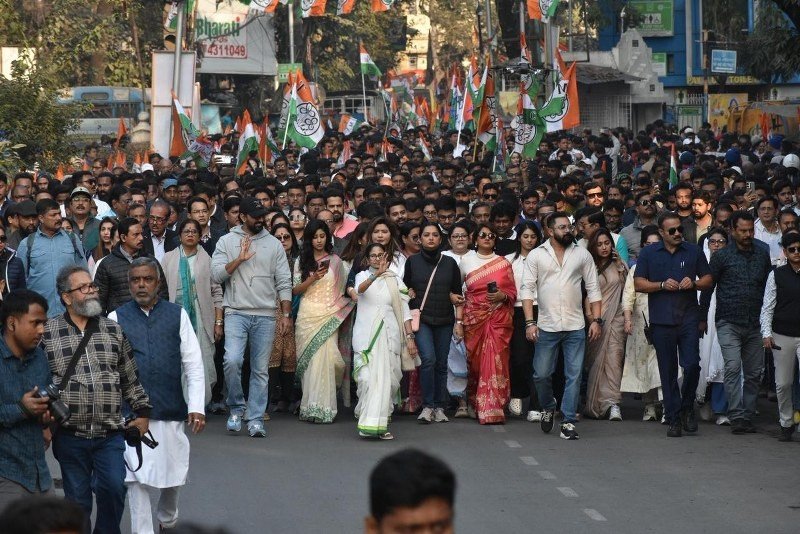
Despite these challenges, her political strategy has evolved. She has successfully countered the rise of the Bharatiya Janata Party (BJP) in Bengal by blending Bengali sub-nationalism with a strong focus on secularism and grassroots welfare.
National Ambitions: Mamata Banerjee’s Role in Shaping the Federal Front
Beyond West Bengal, Mamata Banerjee has emerged as a pivotal figure in national politics. She has been a vocal advocate for federalism, often clashing with the central government over state rights and resource allocation. Her efforts to unite various regional parties into a 'Federal Front' or a unified opposition block have made her a central player in the narrative of the 2024 general elections and beyond.
The Enduring Legacy of West Bengal’s First Female Chief Minister
Mamata Banerjee’s legacy is that of a 'Street Fighter' who never backed down. She transformed the political culture of West Bengal from one dominated by institutionalized party machinery to one centered on charismatic leadership and direct public engagement. Her ability to survive and thrive despite being written off multiple times is a testament to her political acumen.
Frequently Asked Questions About Mamata Banerjee’s Career
1. Why is Mamata Banerjee called 'Didi'?
The term 'Didi' means elder sister in Bengali. It reflects the affectionate and protective relationship her supporters feel they have with her, emphasizing her image as a leader of the people.
2. What was the 'Ma Mati Manush' slogan?
Coined by Mamata Banerjee, it translates to 'Mother, Soil, and People.' It was the primary slogan used during the 2009 and 2011 elections to signify her commitment to the land and the common citizens of Bengal.
3. How many times has Mamata Banerjee been the Chief Minister?
She is currently serving her third consecutive term as the Chief Minister of West Bengal, having won the assembly elections in 2011, 2016, and 2021.
4. Did Mamata Banerjee serve as the Railway Minister?
Yes, she served as the Union Minister of Railways twice—once under the NDA government (1999-2001) and once under the UPA government (2009-2011).
Conclusion
The political odyssey of Mamata Banerjee is a story of grit, grassroots mobilization, and an unwavering connection with the masses. From the narrow lanes of South Kolkata to the corridors of power in Nabanna, she has remained a polarizing yet undeniably powerful force. As she continues to lead West Bengal, her focus on welfare and her role as a defender of regional identity will likely remain the pillars of her enduring political influence. Whether on the streets of Bengal or the national stage in Delhi, 'Didi' continues to be a central figure in the evolving story of Indian democracy.





Comments 0
Leave a Reply
Your email address will not be published. Required fields are marked *
Be the first to share your thoughts!