
💡 Anfield vs Selhurst Park: A Deep Dive into the Liverpool vs Crystal Palace Rivalry
Explore the history, tactical battles, and iconic moments of the Liverpool vs Crystal Palace fixture, from the 9-0 rout to the drama of 'Crystanbul'.
The rivalry between Liverpool and Crystal Palace is a classic Premier League narrative of the powerhouse versus the underdog. While Liverpool holds the historical advantage in terms of trophies and head-to-head victories, Crystal Palace has consistently proven to be a 'banana skin' fixture for the Reds, most notably through high-drama upsets and a uniquely hostile atmosphere at Selhurst Park that often levels the playing field.
The Unique Dynamic of the Reds and the Eagles
On paper, Liverpool and Crystal Palace exist in different tiers of the footballing hierarchy. Liverpool is a global brand with a trophy cabinet filled with European Cups and League titles. Crystal Palace, by contrast, is the quintessential South London club—proud, gritty, and deeply rooted in its community. However, when these two meet, the gap often narrows. The dynamic is fueled by a mutual respect for passionate fanbases and a history of matches that have swung from clinical dominance to chaotic unpredictability.
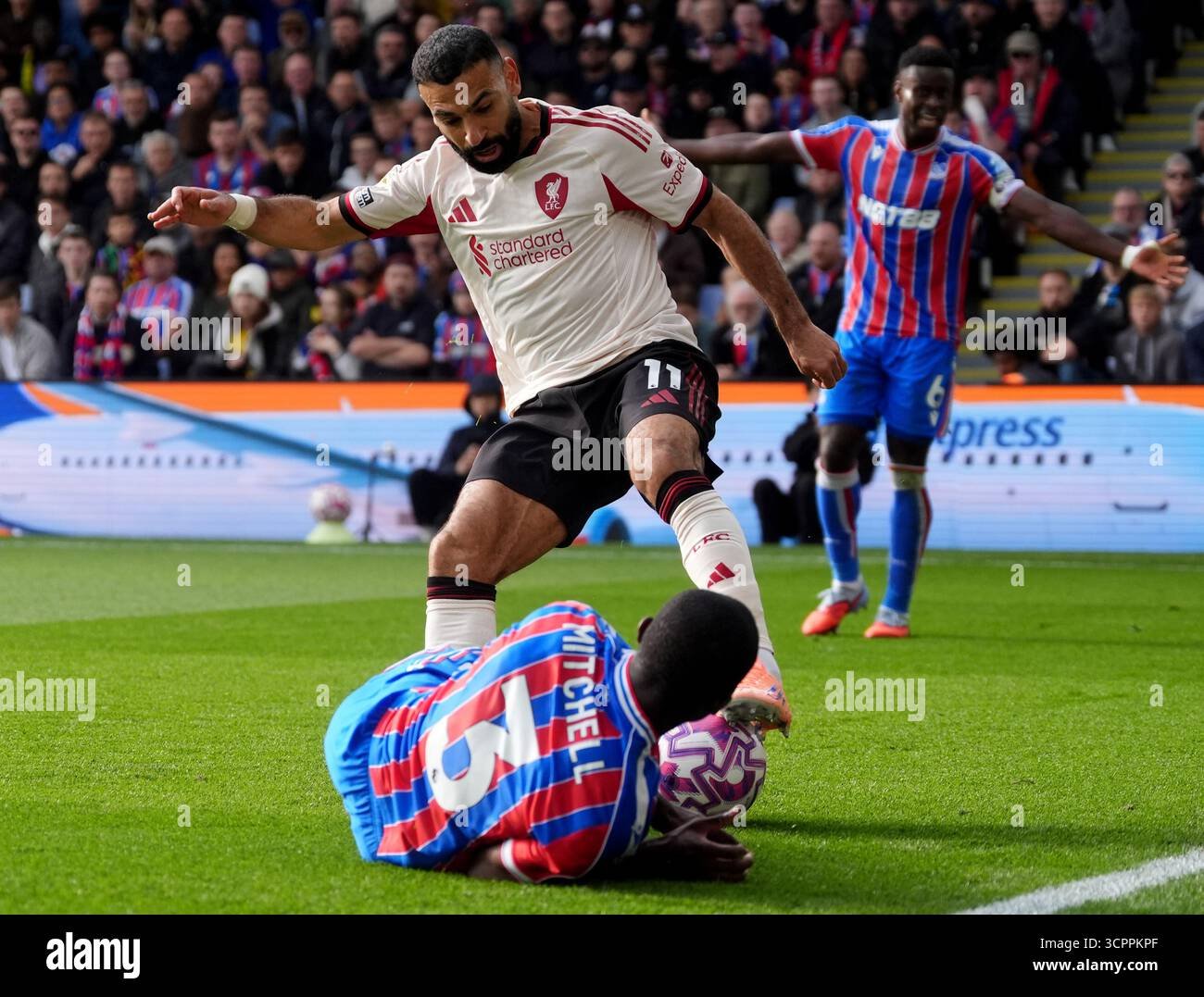
The Historical Backdrop: How the Liverpool-Palace Fixture Developed
The roots of this fixture go back decades, but it truly gained traction in the late 1980s and early 1990s. For many years, Liverpool saw Palace as a reliable source of three points, but the South Londoners began to find their voice under managers like Steve Coppell. The relationship between the two clubs has always been professional, yet there is an underlying tension that stems from Palace’s ability to disrupt Liverpool’s title charges. It is a fixture that represents the beauty of the Premier League: the idea that on any given Saturday, a disciplined London side can dismantle a global giant.
Defining Moments: From the 9-0 Rout to the Drama of 'Crystanbul'
Two specific matches define this rivalry more than any others. In September 1989, Liverpool delivered a masterclass at Anfield, defeating Crystal Palace 9-0. It remains one of the heaviest defeats in top-flight history, with eight different Liverpool players finding the net. It was a display of absolute dominance that many thought would define the relationship forever.
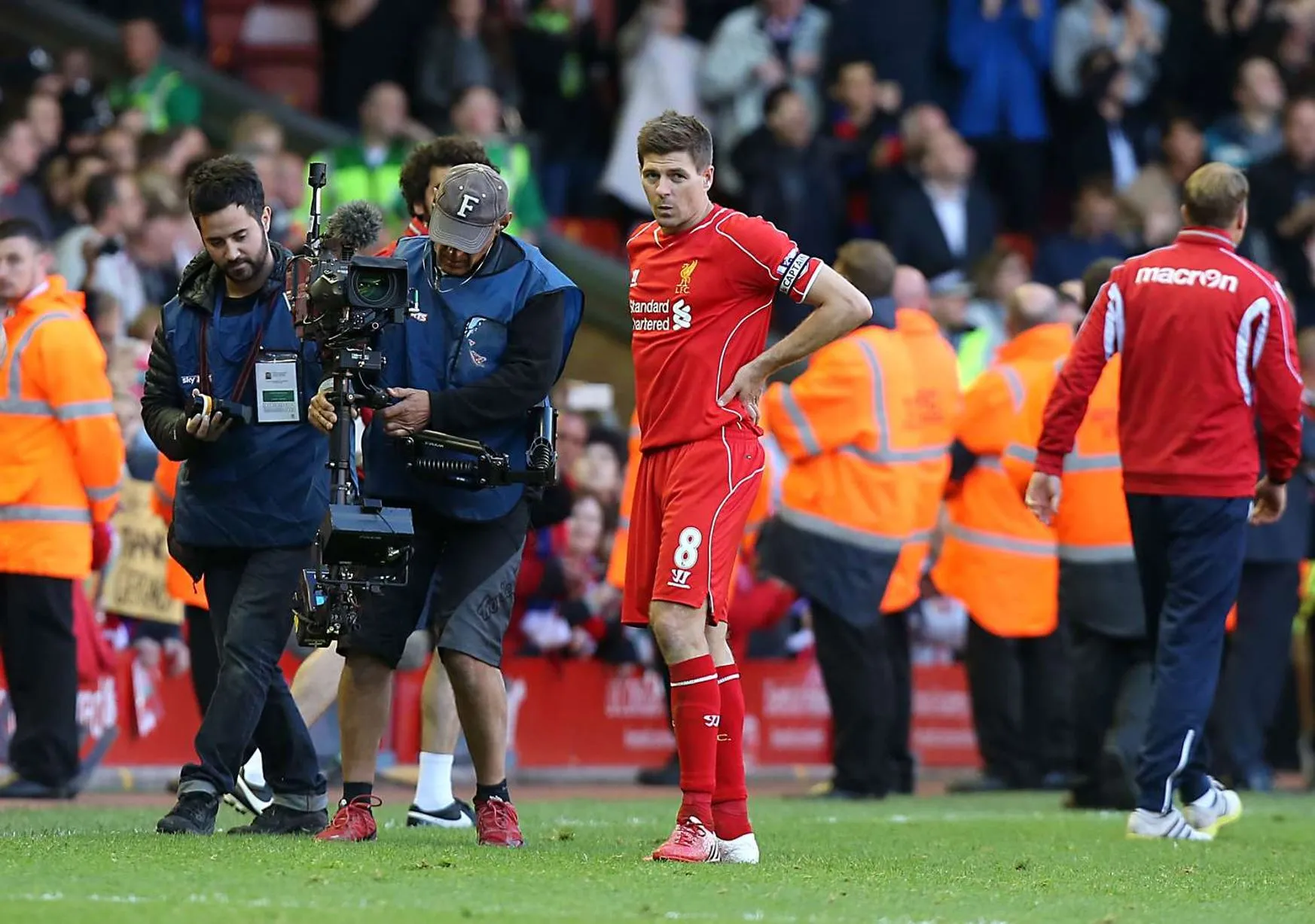
However, football has a long memory. Fast forward to May 2014, a night now infamously known as 'Crystanbul.' Liverpool, chasing their first Premier League title in 24 years, led 3-0 at Selhurst Park with just 11 minutes remaining. In a stunning collapse, Palace scored three goals in quick succession to draw 3-3, effectively ending Liverpool’s title hopes. The sight of Luis Suarez in tears on the pitch remains one of the most iconic images of the modern era, cementing Selhurst Park as a place of dread for the Merseyside club.
Tactical Blueprints: Analyzing the Clash of Styles on the Pitch
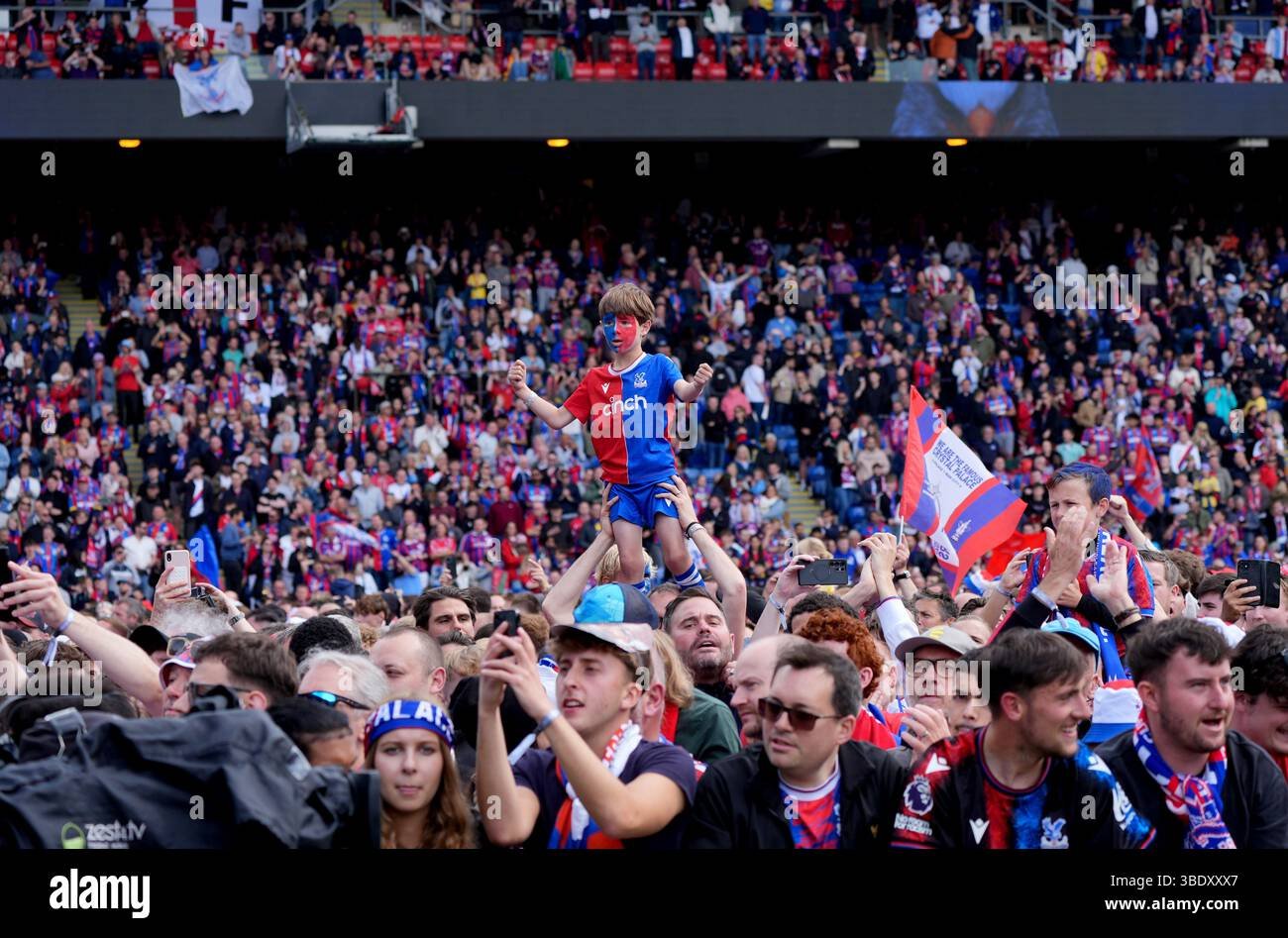
Tactically, this matchup usually follows a predictable but fascinating pattern. Liverpool typically employs a high-pressing, possession-based system. They look to dominate the ball, squeeze the opponent into their own half, and use their full-backs to provide width. Under various managers, the goal has always been to overwhelm Palace with speed and technical superiority.
Crystal Palace, conversely, has mastered the art of the 'low block' and rapid counter-attack. Historically, they have utilized pacey wingers—like Wilfried Zaha or Eberechi Eze—to exploit the space left behind by Liverpool’s attacking full-backs. Palace’s success in this fixture often depends on their defensive discipline and their ability to transition from defense to attack in under ten seconds. When Palace wins, it is usually because they have successfully weathered a storm and struck clinically on the break.
The Fortress Factor: Why Selhurst Park and Anfield Present Unique Challenges
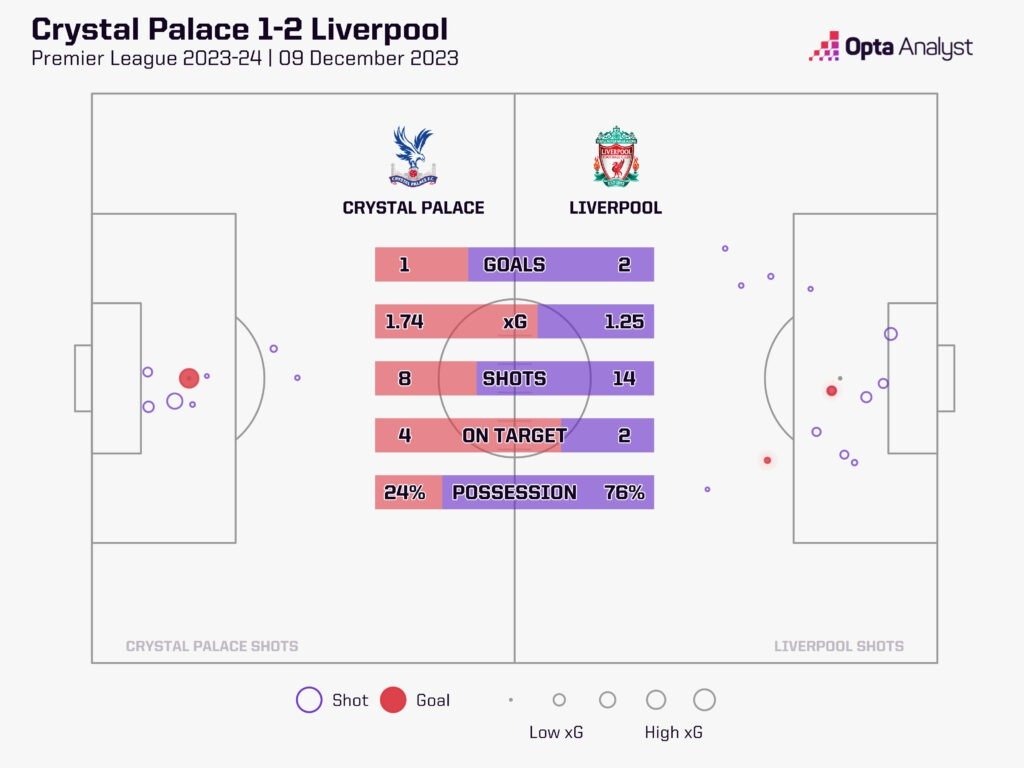
The venues play a massive role in how these games unfold. Anfield is famous for its 'European nights' and the intimidating roar of the Kop, which can make visiting teams feel like they are playing against 12 men. For Palace, playing at Anfield requires immense mental fortitude to avoid being swallowed by the occasion.
Selhurst Park offers a different kind of challenge. It is one of the few remaining 'old-school' stadiums in the Premier League. The fans are famously loud, the stands are close to the pitch, and the atmosphere is claustrophobic. For a team like Liverpool, which thrives on rhythm and space, the tight confines of Selhurst Park can feel suffocating. It is a ground where technical skill often takes a back seat to physical duels and second balls.
Statistical Breakdown: Head-to-Head Records and Notable Trends
While Liverpool leads the overall head-to-head record significantly, the statistics show a tightening of the gap in recent years.
- Home Dominance: Liverpool historically wins over 70% of their home games against Palace.
- The Goal Factor: This fixture rarely ends 0-0. Over the last decade, the average goals per game in this matchup exceeds 2.5.
- Discipline: Because of Palace’s physical style and Liverpool’s high press, yellow cards are frequent, particularly in the midfield third.
Legends of the Tie: Players Who Defined the Matchup Over the Decades
Several players have left an indelible mark on this fixture. For Liverpool, Steven Gerrard and Ian Rush were frequent tormentors of the Palace defense. In the modern era, Mohamed Salah has found the net against the Eagles with remarkable consistency, often providing the individual brilliance needed to break down a stubborn Palace defense.
For Crystal Palace, Ian Wright was a standout performer in the early 90s, while Wilfried Zaha became the modern face of the rivalry. Zaha’s ability to win penalties and draw fouls against Liverpool’s defenders often dictated the tempo of the game. Another notable mention is Dwight Gayle, whose brace in the 3-3 draw at Selhurst Park made him an eternal hero in South London and a villain in the eyes of Liverpool supporters.
Frequently Asked Questions About Liverpool vs Crystal Palace
Why is the 3-3 draw in 2014 called 'Crystanbul'?
The name is a play on 'Istanbul,' where Liverpool famously came back from 3-0 down to win the Champions League in 2005. In this case, the roles were reversed; Crystal Palace came back from 3-0 down to draw 3-3, effectively 'doing an Istanbul' to Liverpool.
Which team has won more trophies?
Liverpool is significantly more successful in terms of silverware, having won numerous League titles, FA Cups, and Champions League trophies. Crystal Palace has yet to win a major top-flight trophy, though they have reached multiple FA Cup finals.
Is there a geographic rivalry between the two?
No, there is no geographic rivalry. Liverpool is based in the North West of England, while Crystal Palace is based in South London. The rivalry is purely based on competitive match history and significant Premier League moments.
What is the highest-scoring game between them?
The highest-scoring game is Liverpool's 9-0 victory over Crystal Palace at Anfield in September 1989.
Do players move between these two clubs often?
There have been several notable transfers between the two. Christian Benteke, Mamadou Sakho, and Nathaniel Clyne are prominent examples of players who have represented both the Reds and the Eagles in the Premier League era.
Conclusion
The Liverpool vs Crystal Palace rivalry is a testament to the competitive depth of English football. Whether it is a tactical masterclass at Anfield or a chaotic night under the lights at Selhurst Park, this fixture rarely fails to deliver drama. While the trophy counts may be lopsided, the intensity on the pitch remains a constant, making it one of the most anticipated matchups for fans of both clubs and neutral observers alike.

Comments 0
Leave a Reply
Your email address will not be published. Required fields are marked *
Be the first to share your thoughts!