
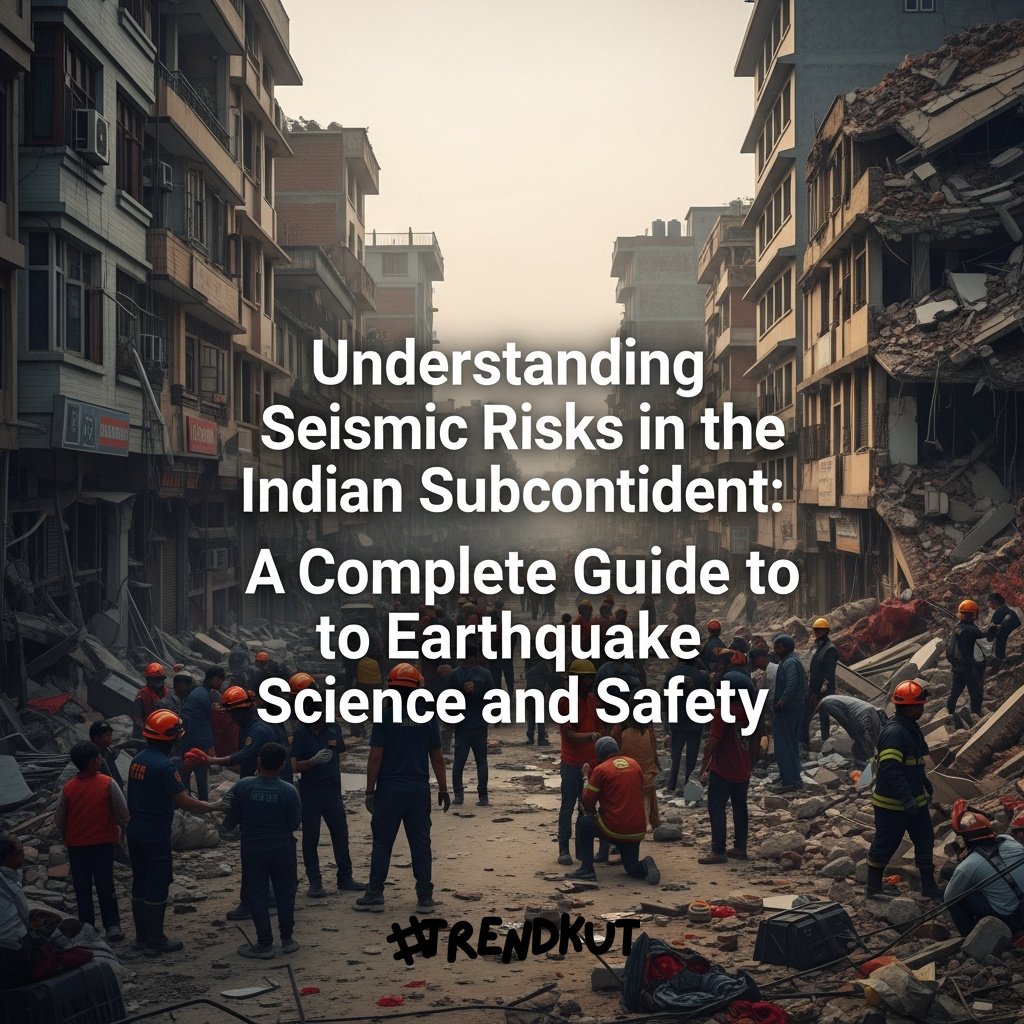
💡 Where is Earthquake?
Explore the science of earthquakes in India, understand seismic zones, and learn essential safety protocols to stay prepared in the Himalayan region and beyond.
Understanding Seismic Risks in the Indian Subcontinent: A Complete Guide to Earthquake Science and Safety
The Indian subcontinent is one of the most geologically active regions in the world. From the towering peaks of the Himalayas to the plains of the Ganges, the earth beneath our feet is in a constant state of slow and powerful movement. For people living in India and neighboring countries like Nepal, understanding earthquakes is not just scientific curiosity—it is essential for safety and preparedness. As tectonic plates continue to move beneath the Earth’s surface, being informed is the first line of defense against the unpredictable nature of seismic shifts.
What is an earthquake?
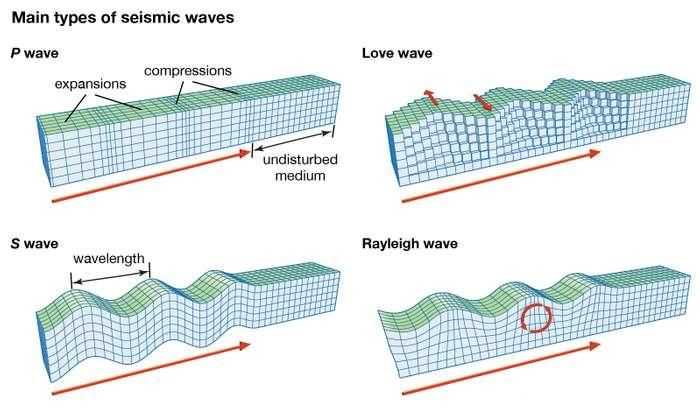
An earthquake is the sudden release of energy in the Earth's crust that creates seismic waves. According to the United States Geological Survey (USGS), earthquakes occur when stress built up in the Earth’s crust is suddenly released along fault lines., this phenomenon typically occurs when rocks under great stress suddenly break along a fault line. The point inside the Earth where the break begins is called the focus or hypocenter, while the point directly above it on the surface is known as the epicenter.
In the context of the Indian subcontinent, the primary driver of seismic activity is the ongoing collision between the Indian Plate and the Eurasian Plate. According to geological studies, the Indian Plate moves northward at approximately 4–5 centimeters per year, colliding with the Eurasian Plate at a rate of approximately 4 to 5 centimeters per year, pushing into the Eurasian Plate. This immense pressure builds up over decades and centuries until it is released in the form of tremors that can range from micro-quakes to devastating seismic events.
How are earthquakes measured?
Seismologists use two primary scales to describe the magnitude and impact of an earthquake. The first is the Richter Scale, which measures the energy released at the source. It is a logarithmic scale, meaning each whole number increase represents a tenfold increase in measured amplitude and roughly 32 times more energy release. For instance, a 5.0 magnitude quake is significantly more powerful than a 4.0 magnitude one.
The second scale is the Modified Mercalli Intensity Scale. Unlike the Richter scale, which measures energy, the Mercalli scale measures the effects of the earthquake at specific locations. It describes what people felt and the amount of damage to buildings and infrastructure. According to the National Disaster Management Authority (NDMA) of India, this scale is crucial for emergency responders to assess which areas require the most immediate assistance following a tremor.
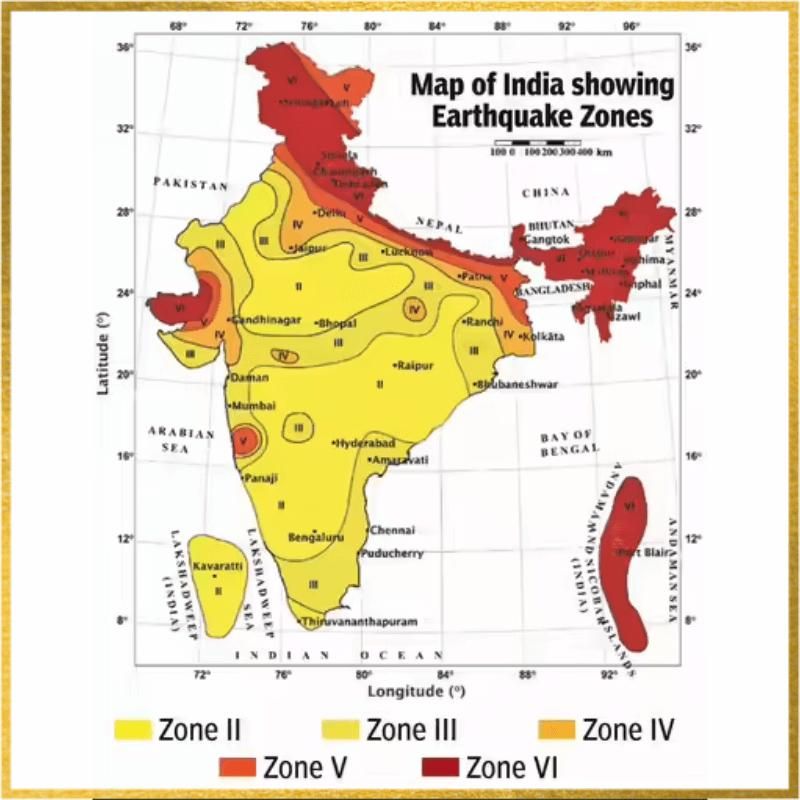
Where are the seismic zones in India?
Seismic Zones in India:
- Zone V (Very High Risk): Northeast India, parts of Jammu & Kashmir, Uttarakhand, Rann of Kutch, Andaman & Nicobar Islands
- Zone IV (High Risk): Delhi, Bihar, parts of Gujarat and Maharashtra
- Zone III (Moderate Risk): Central and southern regions
- Zone II (Low Risk): Remaining parts of India
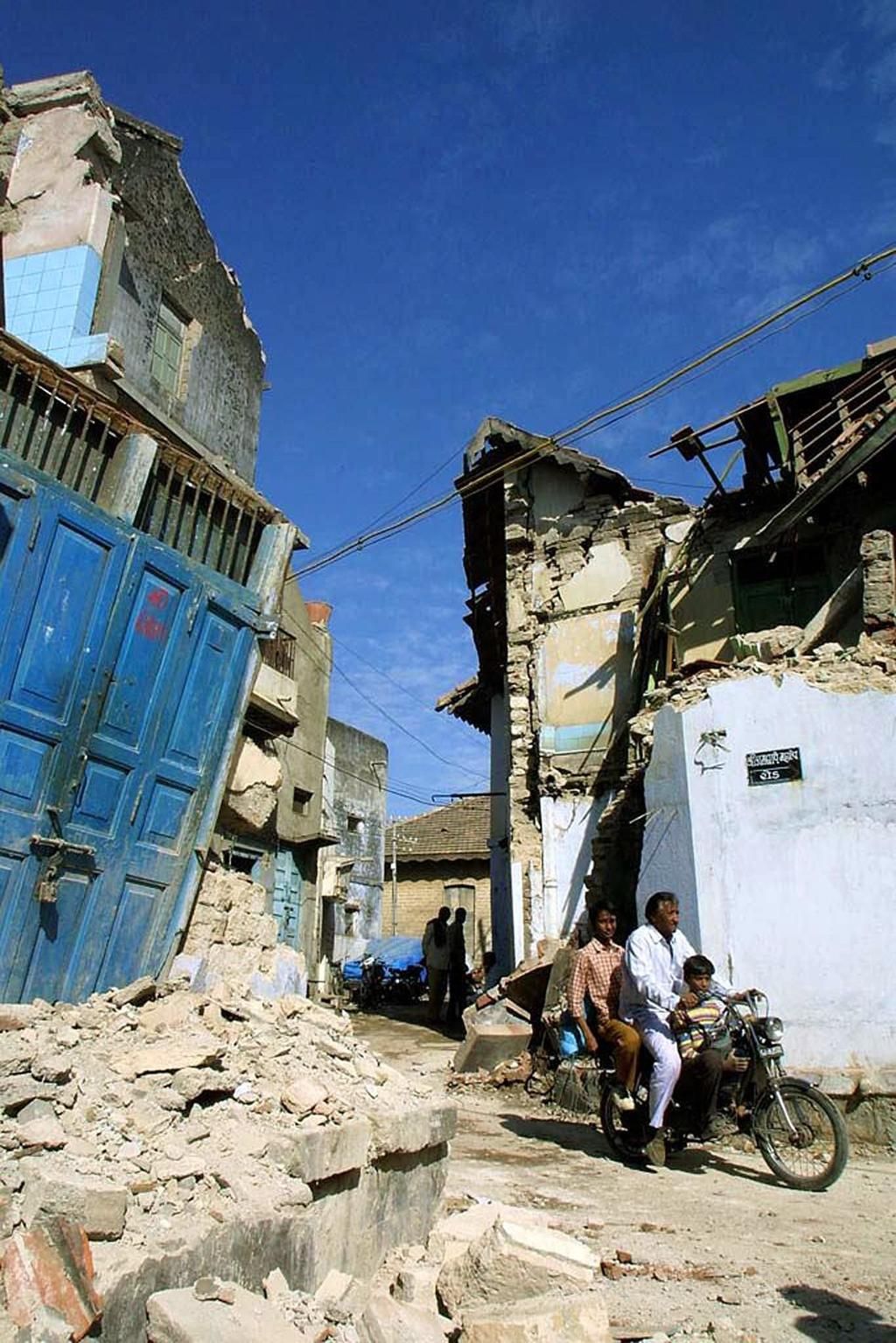
India has experienced several major earthquakes, including the 2001 Gujarat earthquake and the 2015 Nepal earthquake, both of which caused widespread damage and loss of life. These events highlight the importance of preparedness and strong infrastructure.
How to prepare for an earthquake?
Preparation is the key to survival when the ground starts to shake. Since earthquakes occur without warning, having a pre-established plan can save lives. According to disaster management experts, every household should follow these essential steps:
1. Create an Emergency Kit
Your kit should include at least three days of water and non-perishable food, a first-aid kit, a flashlight with extra batteries, a portable power bank, and copies of important documents in a waterproof bag. Don't forget specific items like medications for the elderly or supplies for infants.
2. Secure Your Home
Identify potential hazards in your house. Anchor heavy furniture like wardrobes, bookshelves, and refrigerators to the walls. Ensure that heavy items are not stored on high shelves where they could fall and cause injury. Experts suggest that most injuries during earthquakes are caused by falling objects rather than structural collapse.
3. Master the Drop, Cover, and Hold On Technique
When the shaking begins, do not run outside if you are indoors. Instead:
- DROP: Get down on your hands and knees.
- COVER: Take cover under a sturdy table or desk. If no shelter is nearby, cover your head and neck with your arms.
- HOLD ON: Stay in place until the shaking stops.
What are common mistakes to avoid during an earthquake?
In the heat of the moment, panic often leads to dangerous decisions. One of the most common mistakes is trying to run out of a building while the ground is still shaking. Falling debris from building facades or breaking glass often causes more harm than staying put. Another mistake is using elevators. Power outages are common during quakes, and you could become trapped in a confined space.
Furthermore, many people rush to the kitchen to turn off gas valves during the shaking. While it is important to shut off the gas, you should only do so after the shaking has stopped and if you smell a leak. Your priority during the tremor must be immediate self-protection.
Pro tips for structural safety and long-term resilience
If you are building a new home or renovating an existing one, especially in Zones IV or V, consult with a structural engineer who specializes in earthquake-resistant design. Using TMT (Thermo-Mechanically Treated) steel bars and ensuring high-quality concrete mix can significantly enhance the flexibility and strength of a structure. According to structural engineers and NDMA guidelines, retrofitting older buildings with steel bracing or base isolators can also reduce the risk of collapse during major seismic events.
Frequently Asked Questions
What should I do if I am driving during an earthquake?
Pull over to a clear area away from buildings, trees, overpasses, and utility wires. Stay inside the vehicle with your seatbelt fastened until the shaking stops. Once it is safe to drive, proceed with caution and avoid bridges or ramps that might have been damaged.
Can scientists predict exactly when an earthquake will happen?
Currently, there is no scientific method to predict the exact time, date, and location of an earthquake. However, geologists can identify high-risk areas and estimate the probability of a significant event occurring over a certain period of years. Early warning systems can provide a few seconds of notice once a quake has already begun, allowing for automated shutdowns of gas lines and trains.
How do I check if my house is earthquake-resistant?
You should hire a certified structural engineer to conduct a seismic audit of your property. They will check the foundation, the quality of materials used, and the load-bearing capacity of the walls to determine if the building meets the safety standards set by the National Building Code of India.
What is a tectonic aftershock?
Aftershocks are smaller earthquakes that occur in the same general area as the mainshock. They represent the Earth's crust adjusting to the new positions of the fault. Aftershocks can happen for days, weeks, or even months after the initial event and can cause further damage to weakened structures.
Why does Nepal frequently experience earthquakes that are felt in India?
Nepal sits directly on the boundary where the Indian Plate meets the Eurasian Plate. Because this boundary is a continuous line across the Himalayas, major seismic events in Nepal send shockwaves through the crust that travel hundreds of kilometers, often reaching major Indian cities like Delhi, Patna, and Lucknow.
Early warning systems and awareness campaigns in India are improving, but public preparedness and earthquake-resistant construction remain critical challenges.
Conclusion
Earthquakes are a natural part of the Earth's evolution, particularly in a geologically vibrant region like the Indian subcontinent. While we cannot prevent the movement of tectonic plates, we can significantly reduce the risk to our lives and property through education and proactive measures. By understanding the seismic zones, adhering to strict building codes, and practicing emergency drills, we can significantly reduce risks and improve disaster preparedness across communities. Staying informed and prepared is the best way to navigate the challenges posed by our ever-changing planet.
Related Media
Quick View: Understanding Seismic Risks in the Indian Subcontinent: A Complete Guide to Earthquake Science and Safety





Comments 0
Leave a Reply
Your email address will not be published. Required fields are marked *
Be the first to share your thoughts!