
💡 El Niño Climate Impact: Strategic Analysis of Global Dynamics
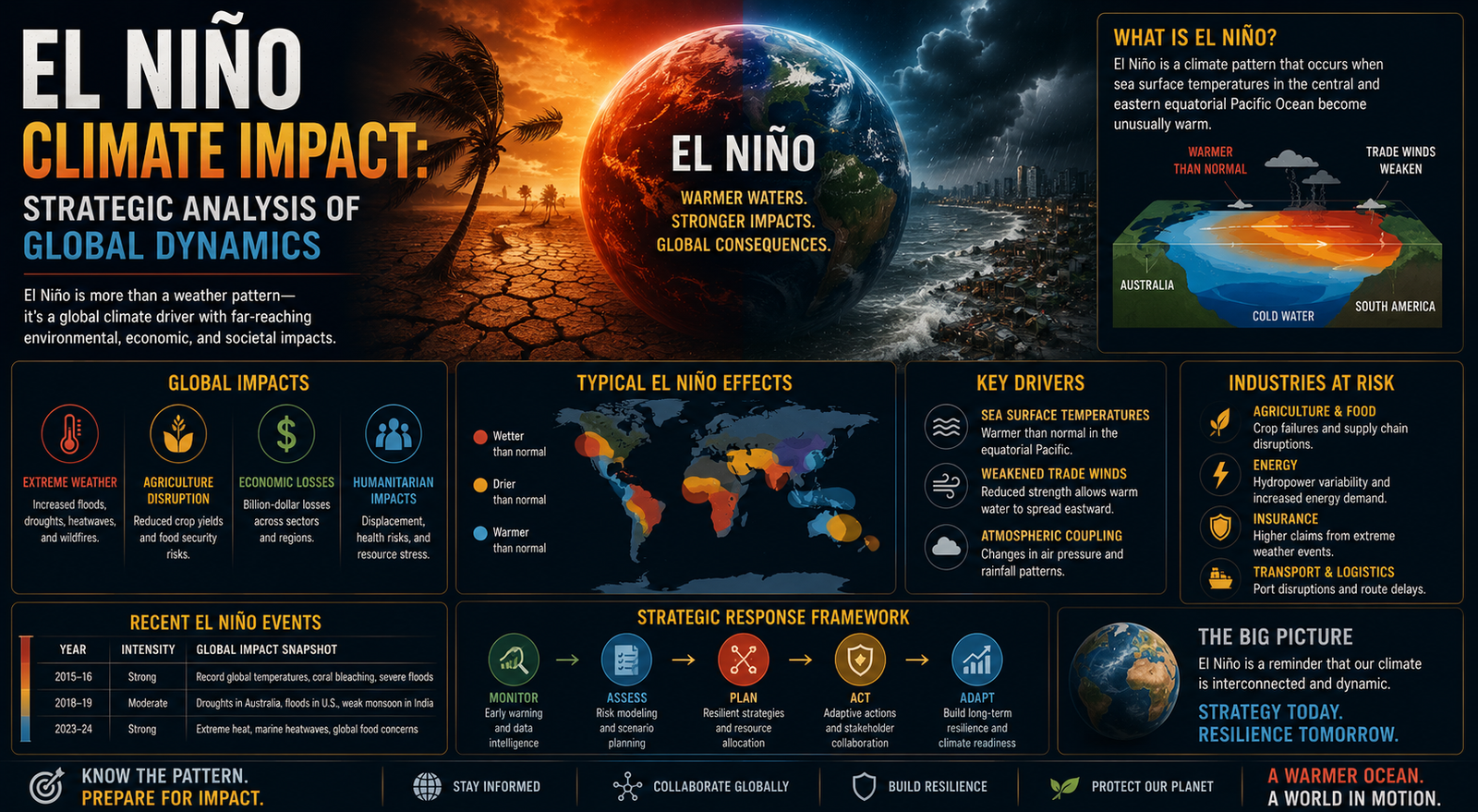
A comprehensive strategic analysis of the El Niño Southern Oscillation (ENSO) and its profound effects on global weather, economies, and food security.
Executive Summary
The El Niño Southern Oscillation (ENSO) remains one of the most significant drivers of global climate variability. The recent 2023 to 2024 cycle has demonstrated record-breaking sea surface temperatures, with the Oceanic Niño Index (ONI) peaking at levels comparable to the historic 1997 to 1998 and 2015 to 2016 events. Research from Dartmouth College suggests that El Niño events could cost the global economy approximately 3 trillion dollars by 2029 due to suppressed economic growth and agricultural disruption. This analysis examines the meteorological mechanics, the economic ripple effects, and the strategic implications for global industries ranging from energy to agriculture.
Introduction
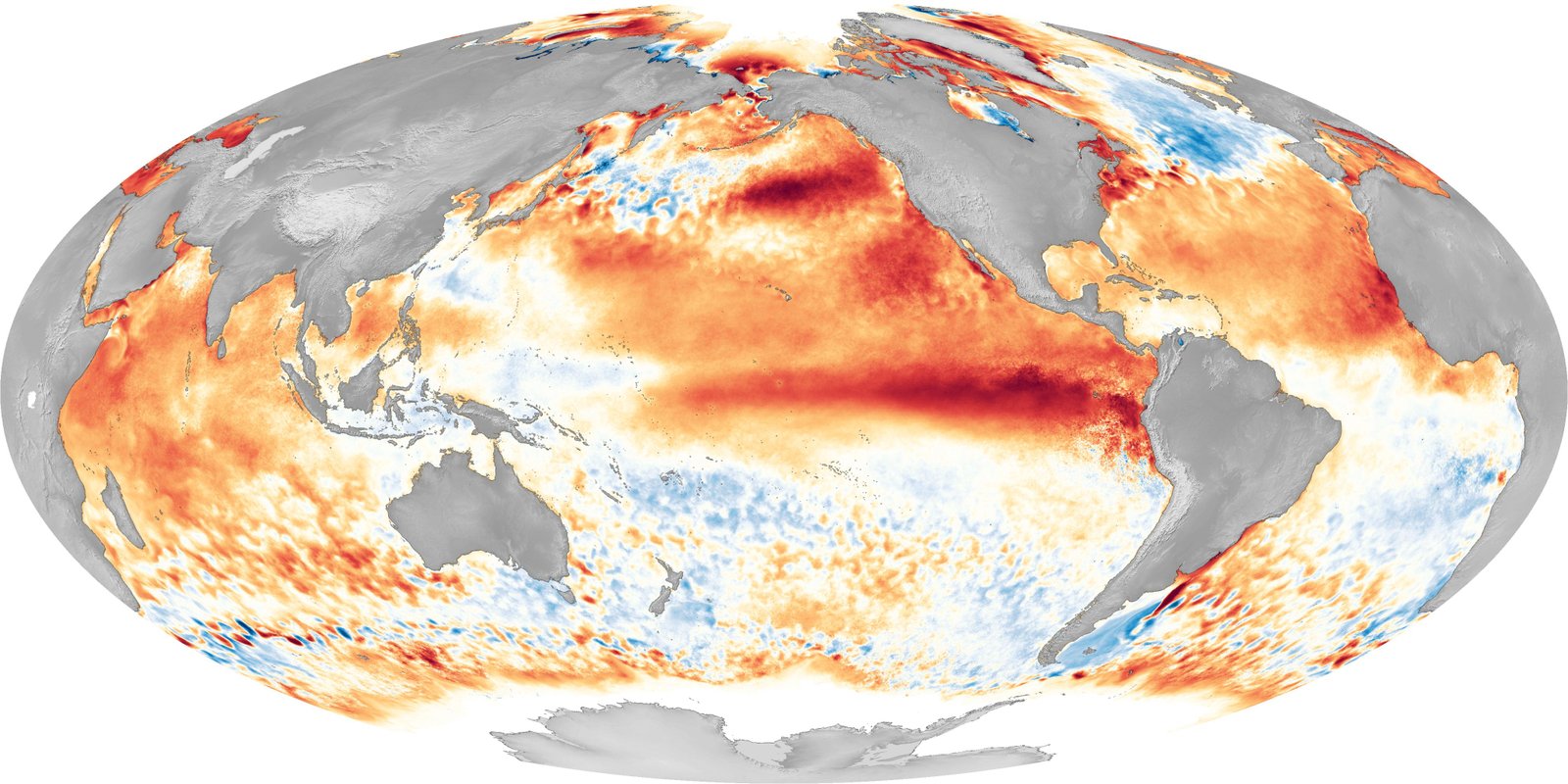
El Niño is the warm phase of the ENSO cycle, characterized by the periodic warming of sea surface temperatures in the central and eastern tropical Pacific Ocean. This phenomenon is not merely a regional weather event but a global climate disruptor that alters atmospheric circulation patterns. When the trade winds that typically blow from east to west weaken, warm water is pushed toward the west coast of the Americas. This shift triggers a domino effect, influencing rainfall, temperature, and storm tracks across continents. For those interested in the foundational science, Understanding Weather Dynamics is essential for comprehending how these oceanic shifts translate into atmospheric pressure changes.
The Deep Dive: Meteorological Mechanics and Data
The intensity of an El Niño event is measured primarily through the Oceanic Niño Index (ONI), which tracks the three-month running mean of sea surface temperature anomalies in the east-central tropical Pacific. An anomaly of +0.5 degrees Celsius or higher for five consecutive overlapping three-month periods constitutes an El Niño event. During the peak of the 2023 to 2024 cycle, anomalies exceeded +2.0 degrees Celsius, classifying it as a very strong event.
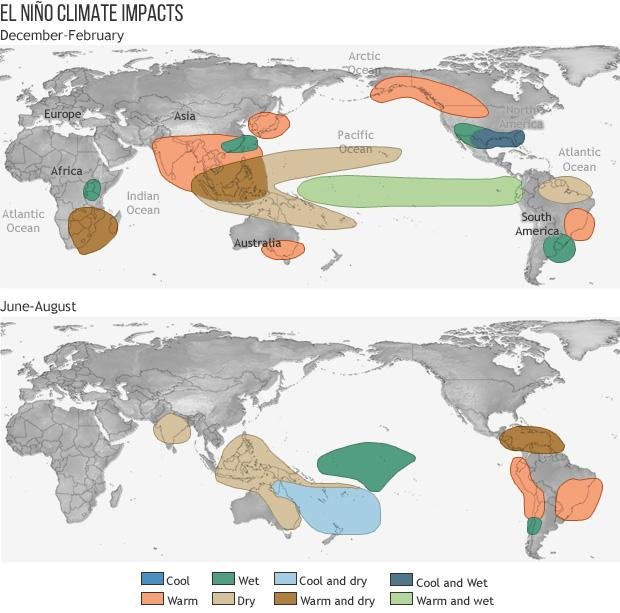
The atmospheric response, known as the Southern Oscillation, involves a decrease in air pressure over the eastern Pacific and an increase over the western Pacific. This reversal of the Walker Circulation leads to suppressed rainfall in Southeast Asia and Australia while increasing precipitation across the southern United States and parts of South America. These shifts are critical for regional planning, as seen in the Goa Monsoon Travel Guide, where seasonal predictability is vital for both tourism and safety.
Agricultural and Economic Consequences
The economic impact of El Niño is most visible in the commodities market. Agriculture is the first sector to feel the pressure. In Southeast Asia, El Niño typically leads to drought conditions, severely affecting rice and palm oil production. India, the world's largest rice exporter, often faces monsoon deficits during these years, leading to export restrictions that spike global prices. In contrast, the increased rainfall in Brazil and the southern United States can benefit some crops but often leads to flooding that destroys infrastructure and delays harvests.
Financial analysts and platforms like Moneycontrol closely monitor these climate indicators to forecast market volatility. For instance, the price of Robusta coffee and sugar often sees a 10 to 20 percent increase during strong El Niño years due to supply constraints in Vietnam and Thailand. Furthermore, the energy sector experiences a dual impact. Hydroelectric power generation decreases in drought-stricken regions like Colombia and parts of Africa, forcing a reliance on more expensive fossil fuels. Simultaneously, warmer winters in the northern hemisphere can reduce the demand for heating oil and natural gas, creating complex shifts in energy valuation.
Synergy with Global Warming
A critical factor in the modern era is how El Niño interacts with long-term anthropogenic climate change. While El Niño is a natural cycle, the baseline global temperature has risen by approximately 1.1 degrees Celsius since the pre-industrial era. This means that recent El Niño events are occurring on a warmer planet, leading to unprecedented heatwaves. The year 2023 was officially declared the hottest year on record, a feat achieved through the combination of steady global warming and the added boost from El Niño. This synergy increases the frequency of extreme weather events, making traditional historical data less reliable for future forecasting.
What This Means For You
For the average consumer and business owner, the El Niño climate impact manifests in several practical ways:
- Food Inflation: Expect higher prices for staples like rice, sugar, and coffee as global supply chains tighten.
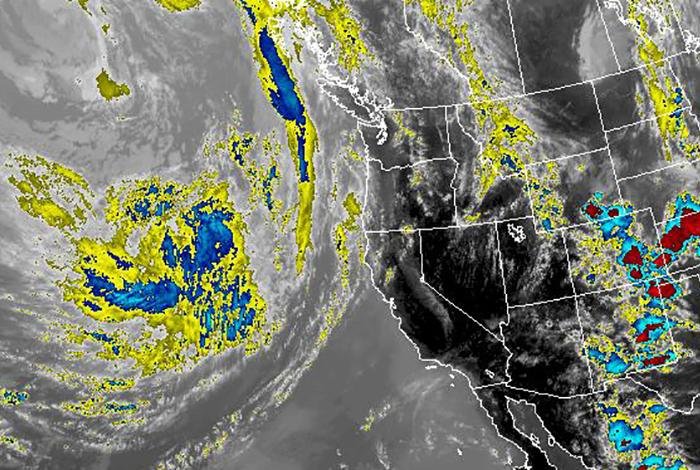
- Insurance Premiums: Increased frequency of floods and wildfires leads to higher property insurance costs, particularly in high-risk zones.
- Energy Costs: Depending on your region, you may see fluctuations in utility bills driven by shifts in hydroelectric availability and seasonal demand.
- Supply Chain Resilience: Businesses must diversify their sourcing to mitigate the risk of regional climate disasters.
Expert Verdict and Future Outlook
As we transition out of the 2023 to 2024 El Niño, meteorologists are currently tracking the rapid development of La Niña conditions for the latter half of 2024. This transition often brings its own set of challenges, including an enhanced Atlantic hurricane season and potential droughts in the southwestern United States. The long-term outlook suggests that while the frequency of ENSO events may not change significantly, their intensity and the resulting impacts will likely become more severe as the ocean continues to absorb excess heat. Strategic adaptation, ranging from water conservation technology to climate-resilient crop varieties, is no longer optional for global stability.
FAQ: Frequently Asked Questions
How long does a typical El Niño event last?
Most El Niño events last between nine and twelve months. They usually begin in the spring or summer and peak during the winter months of the northern hemisphere, eventually dissipating by the following spring.
Does El Niño cause more hurricanes?
It depends on the region. El Niño typically increases hurricane activity in the central and eastern Pacific basins while suppressing it in the Atlantic basin due to increased vertical wind shear that tears storms apart.
Is El Niño caused by climate change?
No, El Niño is a natural phenomenon that has occurred for thousands of years. However, climate change may be making these events more intense and altering their traditional patterns.
What is the difference between El Niño and La Niña?
El Niño refers to the warming of the central and eastern Pacific, while La Niña refers to the cooling of these same waters. They generally have opposite effects on global weather patterns.
Which industries are most affected by El Niño?
Agriculture, energy, insurance, and retail (specifically apparel and seasonal goods) are the most heavily impacted sectors due to changes in temperature and precipitation.
Conclusion
The strategic analysis of El Niño climate impacts reveals a complex interplay between natural cycles and modern economic vulnerabilities. As global temperatures continue to rise, the influence of ENSO cycles will likely lead to greater market volatility and environmental challenges. Organizations and individuals must prioritize climate literacy and adaptive strategies to navigate the inevitable shifts in our global weather dynamics.




Comments 0
Leave a Reply
Your email address will not be published. Required fields are marked *
Be the first to share your thoughts!