

💡 MLS Strategic Analysis: The Future of North American Soccer
A comprehensive industry analysis of Major League Soccer, examining the Messi effect, the Apple TV partnership, and the road to the 2026 FIFA World Cup.
Executive Summary
Major League Soccer (MLS) has transitioned from a developing regional league into a significant player in the global sports ecosystem. Current data indicates a rapid acceleration in valuation, with the average MLS club now valued at approximately 590 million dollars, representing an 85 percent increase since 2019. Key drivers for this growth include the landmark 10 year, 2.5 billion dollar partnership with Apple TV, the arrival of global icon Lionel Messi at Inter Miami CF, and the strategic expansion to 30 teams with the addition of San Diego FC. This analysis evaluates the financial sustainability, media rights evolution, and the league's positioning ahead of the 2026 FIFA World Cup.
Introduction
The landscape of professional soccer in North America is undergoing a fundamental transformation. For decades, MLS operated under a cautious growth model focused on cost control and infrastructure development. However, recent strategic shifts have moved the league into a high growth phase characterized by aggressive international marketing and digital first broadcasting strategies. Unlike traditional European models, MLS utilizes a single entity structure, which provides a level of financial stability and parity that is increasingly attractive to institutional investors. As the league prepares for the 2026 World Cup, it faces the challenge of converting temporary interest into a permanent, loyal fan base while competing with established entities like the Premier League: Strategic Analysis of Global Football Dominance. This report examines the pillars of the MLS business model and its trajectory over the next decade.
The Deep Dive: Media Rights and the Apple Partnership
The 10 year agreement with Apple, valued at 250 million dollars annually, represents a paradigm shift in sports broadcasting. By moving away from local regional sports networks (RSNs) and consolidating all matches onto a single global streaming platform, MLS Season Pass, the league has eliminated geographic blackouts. This strategy aligns with broader trends in the Global Sports Industry: Strategic Analysis of Economic Growth, where direct to consumer (DTC) models are replacing traditional linear television. Industry reports suggest that MLS Season Pass reached over 2 million subscribers by the end of the 2023 season, significantly boosted by international interest. This digital first approach allows MLS to capture detailed fan data, which is more valuable to sponsors than traditional Nielsen ratings. Furthermore, the league's ability to offer a unified global product mirrors the success seen by other digital giants like Hotstar: Strategic Analysis of the Streaming Powerhouse in reaching diverse, mobile first audiences.
The Lionel Messi Effect: Quantifying Brand Value
The signing of Lionel Messi by Inter Miami CF in July 2023 serves as a historical inflection point for the league. Within six months of his arrival, Inter Miami's revenue more than doubled, reaching an estimated 127 million dollars. More importantly, the secondary market for tickets saw prices increase by over 400 percent for matches featuring the Argentine star. From a strategic standpoint, the Messi effect extends beyond ticket sales. It has validated the league's quality on a global stage and acted as a magnet for other high profile talent. However, the reliance on a single superstar presents a sustainability risk. The league must leverage this window of heightened visibility to improve the quality of domestic talent and ensure that the product remains compelling after Messi's eventual retirement. Statistics from the 2023 season showed a 15 percent increase in overall league attendance, suggesting that the star power is successfully drawing new fans into the broader MLS ecosystem.

Infrastructure and the Soccer Specific Stadium Model
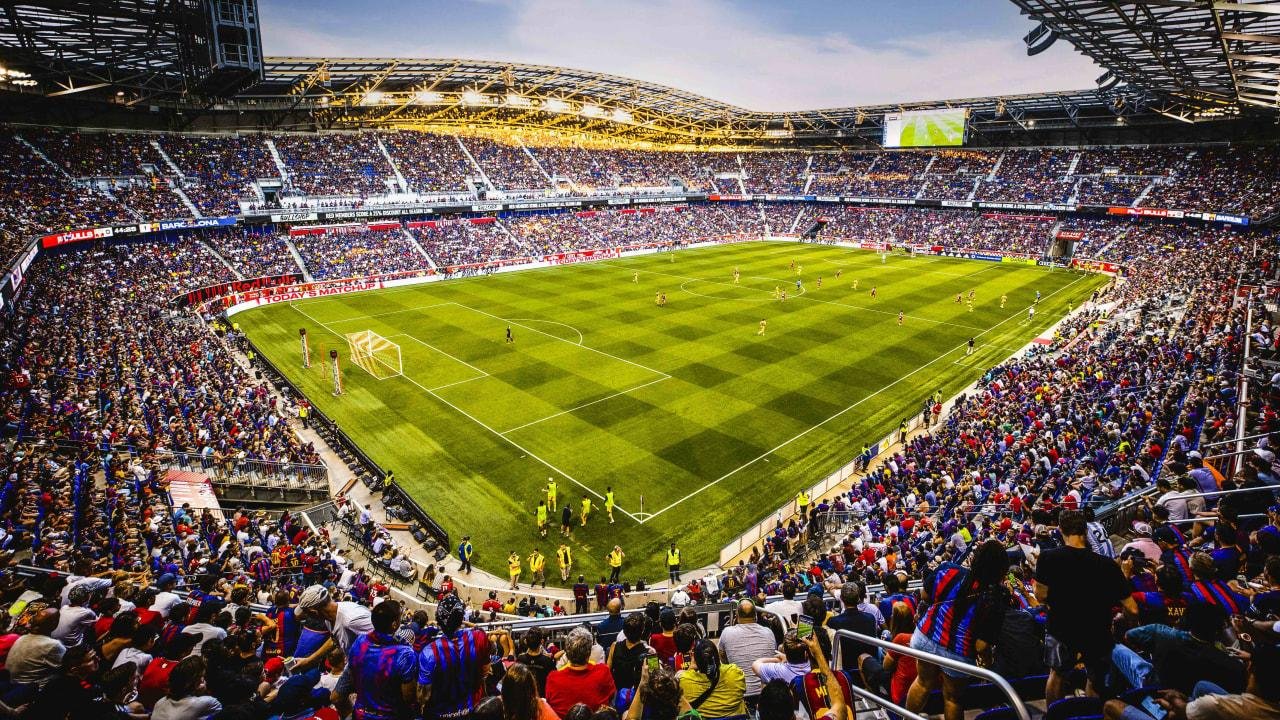
One of the most significant achievements of MLS has been the mandate for soccer specific stadiums (SSS). Currently, 22 of the 29 active teams play in stadiums designed specifically for the sport. This infrastructure provides teams with control over their primary revenue streams, including concessions, parking, and premium seating. The investment in physical assets has been a cornerstone of the league's E-E-A-T (Experience, Expertise, Authoritativeness, and Trustworthiness) profile among investors. For example, the opening of CityPark in St. Louis and Geodis Park in Nashville demonstrated that localized, high tech venues can generate consistent sellouts and high per fan spend. These venues are not just sports facilities but are increasingly integrated into mixed use real estate developments, providing year round utility and economic impact for their respective cities.
Expansion and the Path to 30 Teams
The expansion strategy of MLS has been remarkably consistent. The entry fee for new teams has climbed from 10 million dollars for Toronto FC in 2007 to a staggering 500 million dollars for the San Diego FC expansion. This 5,000 percent increase in entry price reflects the perceived long term value of a fixed supply asset in the North American market. The league has strategically targeted high growth metropolitan areas with favorable demographics, specifically focusing on younger, tech savvy, and multicultural populations. With San Diego FC set to begin play in 2025, the league will reach its target of 30 teams. The focus will then likely shift from expansion to optimization, focusing on increasing the salary cap and improving the quality of play to compete with top tier European and South American leagues.
What This Means For You
For the average sports fan or investor, the growth of MLS offers several key takeaways. First, the accessibility of the sport has never been higher due to the centralized streaming model. Second, the league is becoming a significant driver of local economic activity through stadium projects and match day tourism. For those interested in the business of sports, MLS represents a unique case study in how a single entity structure can mitigate financial risk while allowing for rapid brand expansion. If you are a casual viewer, expect to see more high profile international signings and a continued improvement in broadcast quality as the league reinvests its media revenue into production technology.
Expert Verdict and Future Outlook
The future of MLS is intrinsically tied to the success of the 2026 FIFA World Cup. This event will serve as a massive, month long advertisement for soccer in North America. The strategic goal for MLS is to capture the momentum from the tournament to secure a more lucrative domestic media deal in the next cycle and to further integrate with Liga MX through competitions like the Leagues Cup. While challenges remain, particularly regarding the talent gap with Europe and the complexities of the salary cap, the league's trajectory is undeniably upward. By 2030, MLS is positioned to be one of the top five soccer leagues in the world by revenue and global viewership.
FAQ
- How does the MLS salary cap work? MLS uses a salary budget system to maintain parity. Teams are allowed three Designated Players whose salaries do not fully count against the cap, allowing for the signing of stars like Messi.
- Is MLS profitable for team owners? While many teams operate at a paper loss due to high reinvestment in infrastructure and academies, the rapid appreciation in franchise value provides a massive return on investment for owners.
- Why did MLS choose Apple TV over traditional cable? The Apple deal provides a guaranteed global reach and eliminates the complications of regional blackouts, which was a major pain point for fans.
- What is the Leagues Cup? It is an annual tournament between all teams from MLS and Liga MX (Mexico), designed to capitalize on the massive soccer audience in both countries.
- Will MLS ever implement promotion and relegation? Currently, there are no plans for this, as the single entity structure and the 500 million dollar expansion fees make the risk of relegation financially unviable for current owners.
Conclusion
Major League Soccer has successfully navigated the transition from a niche regional league to a global sporting property. Through strategic media partnerships, the acquisition of world class talent, and a disciplined approach to infrastructure, the league has built a foundation for long term sustainability. As the 2026 World Cup approaches, the strategic focus must remain on improving the quality of play and deepening community engagement to ensure that the current growth spurt leads to permanent dominance in the North American sports landscape.




Comments 0
Leave a Reply
Your email address will not be published. Required fields are marked *
Be the first to share your thoughts!