
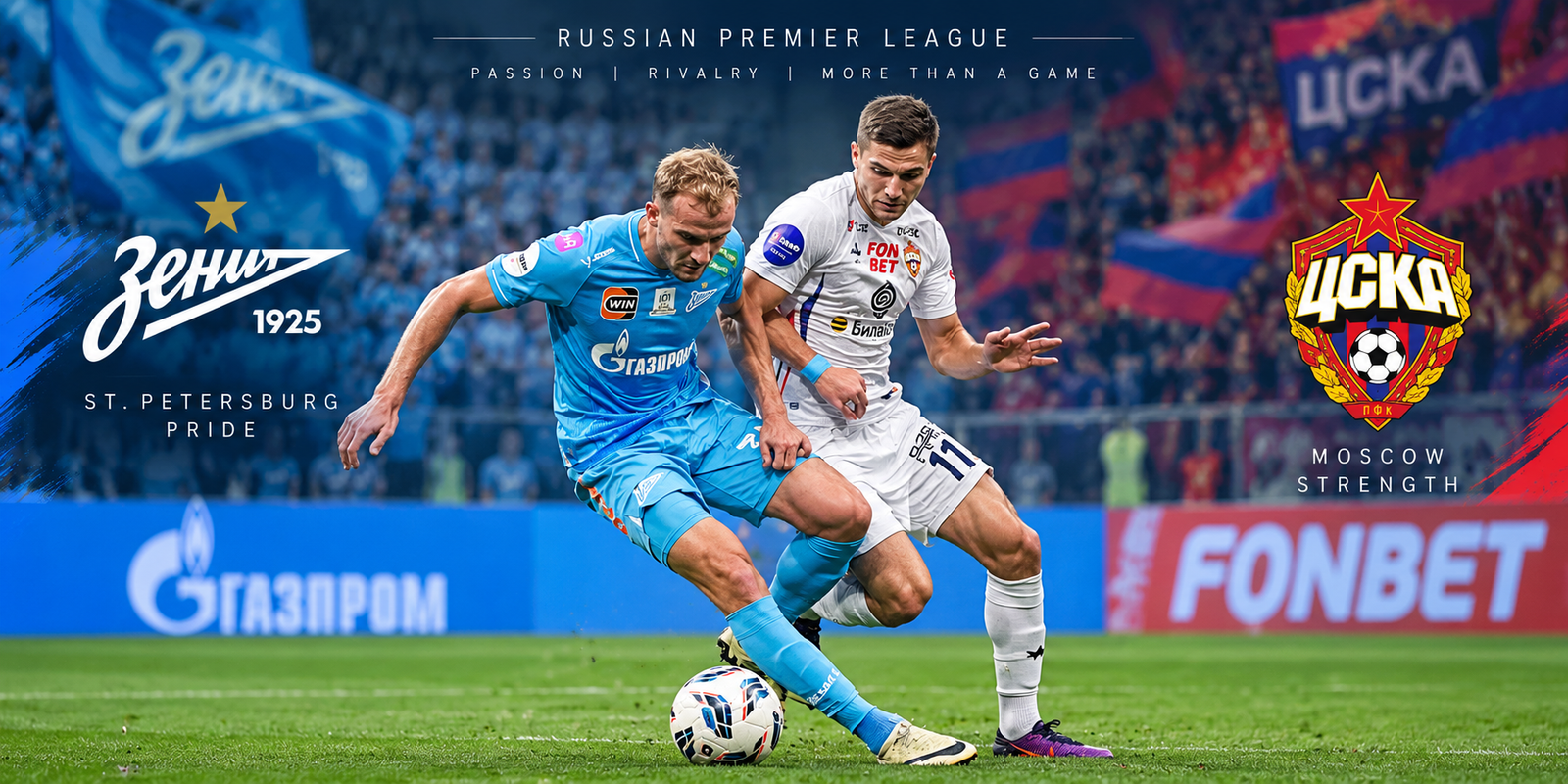
💡 Zenit vs. CSKA Moscow: Strategic Analysis of RPL Authority
An in-depth strategic analysis of the Zenit St. Petersburg and CSKA Moscow rivalry, examining financial models, tactical frameworks, and market authority within the Russian Premier League.
Executive Summary: Key Metrics of the Zenit-CSKA Rivalry
The rivalry between Zenit St. Petersburg and CSKA Moscow represents one of the most significant sporting rivalries in the Russian Premier League (RPL). Current data indicates a notable financial and competitive gap between the two clubs. Zenit St. Petersburg currently holds a squad market value of approximately €185 million, compared with roughly €110 million for CSKA Moscow. Zenit also enters the 2026/27 season as the reigning Russian champion, having won the 2025/26 title and secured its 11th Russian league championship. CSKA Moscow remains one of Zenit's major historical rivals, with a strong domestic record and a reputation for competitive squad development. This analysis examines how the two institutions use different financial, sporting, and recruitment models to maintain their positions within Russian football.
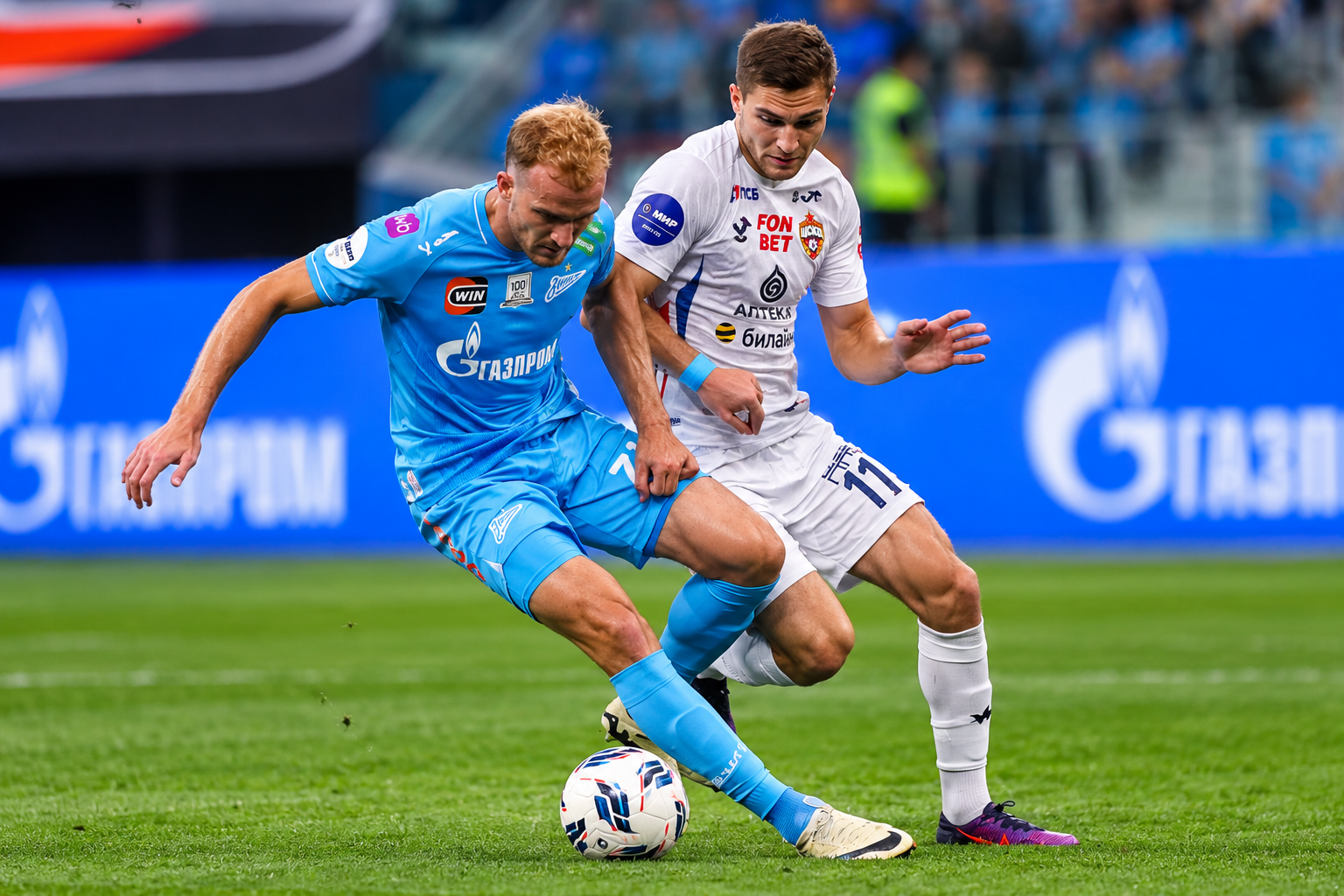
Introduction: The Geopolitical and Sporting Context of Russia’s Two Capitals Derby
The confrontation between Zenit and CSKA is one of the most prominent rivalries in Russian football, bringing together clubs from St. Petersburg and Moscow. In the context of the RPL, this fixture represents more than a sporting contest; it reflects contrasting institutional identities and competitive philosophies. Zenit has strong corporate ties to Gazprom, while CSKA Moscow, historically associated with the Central Sports Club of the Army, carries a long-standing tradition of military and sporting heritage. Following the continued suspension of Russian clubs from UEFA competitions, the importance of major domestic fixtures such as Zenit vs. CSKA has increased. The rivalry remains an important benchmark for domestic sporting quality, recruitment, and commercial engagement within Russian football.
Practical Explanation: Tactical Frameworks and Financial Structures
The disparity between the clubs is influenced by their different financial and sporting structures. Zenit St. Petersburg operates with substantial financial resources and has historically invested heavily in international talent, including players from Brazil and other South American markets. Under manager Sergey Semak, Zenit has generally favored possession-oriented football, with formations varying according to opponents and available players. Wendel has been an important part of the club's midfield structure, while Claudinho should be treated as a former Zenit player rather than a current squad member.
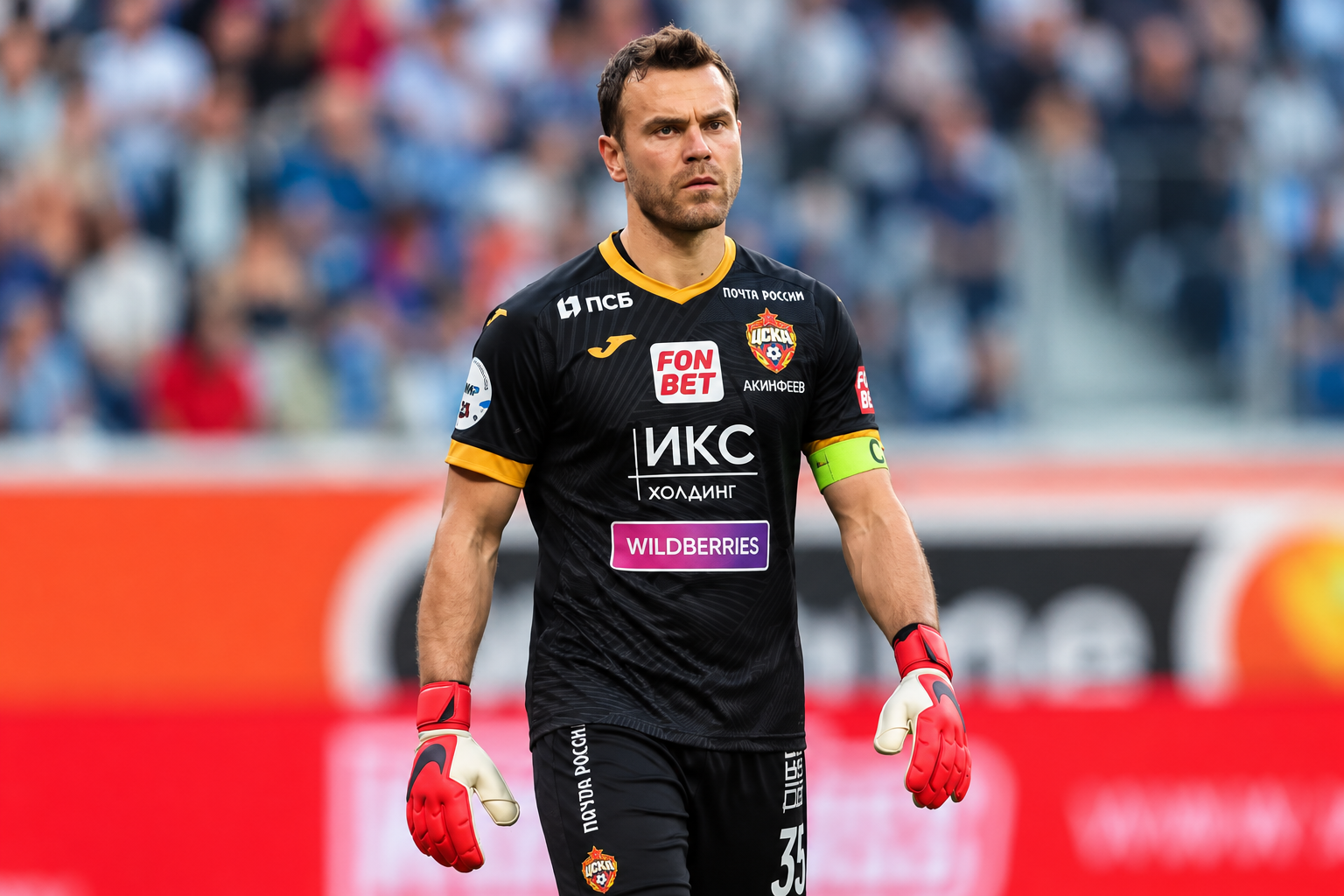
In contrast, CSKA Moscow follows a more balanced development and recruitment model, combining experienced players with academy-developed talent and targeted transfers. The club has historical ties to the Russian state-owned development corporation VEB.RF. Its tactical approach can vary depending on the manager and opponent, so a fixed 3-4-3 or 3-5-2 description would be too broad for the current season. Veteran goalkeeper Igor Akinfeev remains an important figure for CSKA, while the club continues to focus on developing younger players alongside experienced squad members.
Real-life Use Cases: Commercial Impact and Brand Positioning
The Zenit-CSKA rivalry is one of the high-profile domestic matchups in Russian football and provides strong visibility for broadcasters, sponsors, and supporters. Rather than assigning an unsupported percentage increase in viewership, the fixture can be described as a major audience-driving event within the RPL. For sponsors, matches between two historically successful clubs provide an opportunity to reach large and diverse audiences across Russia. Zenit's image is strongly associated with recent domestic success and significant financial resources, while CSKA combines historical prestige with a strong competitive identity. This distinction helps the RPL maintain fan engagement and commercial interest in domestic football while Russian clubs remain outside UEFA competitions.
Actionable Insights: What This Means for You
For sports analysts and investors tracking emerging markets, the Zenit-CSKA dynamic provides a useful example of how sports entities adapt to localized competition. Analysts should focus on the following takeaways:
- Resource Allocation: Observe how Zenit's significant investment in international recruitment, including its long-standing focus on Brazilian and South American talent, supports its competitive position.
- Youth Integration: CSKA's continued emphasis on academy development and integration of younger players highlights the value of maintaining a strong pathway from youth football to the first team.
- Market Adaptation: Both clubs continue to operate in a changing domestic football environment, with recruitment strategies adapting to the restrictions on Russian clubs' participation in UEFA competitions and broader changes in the international transfer market.
Understanding these shifts is vital for professionals analyzing Salary and Remuneration Trends: A Strategic Global Analysis, as wage structures and recruitment strategies in the RPL continue to adapt to the changing economic environment.
Comparison Table: Zenit St. Petersburg vs. CSKA Moscow
| Metric | Zenit St. Petersburg | CSKA Moscow |
|---|---|---|
| RPL League Titles | 11 (Current Champion) | 6 |
| Market Value (Approx.) | €185 Million | €110 Million |
| Tactical Philosophy | Possession-oriented / Flexible formations | Flexible / Transition-oriented |
| Primary Financial Backer | Gazprom-linked corporate structure | VEB.RF-linked ownership structure |
| Key Talent Source | International / South American recruitment | Domestic development + targeted recruitment |
Zenit won the 2025/26 Russian championship, taking its league title total to 11 and becoming the most successful club in RPL history.
Expert Tips: Analytical Perspectives on Match Outcomes
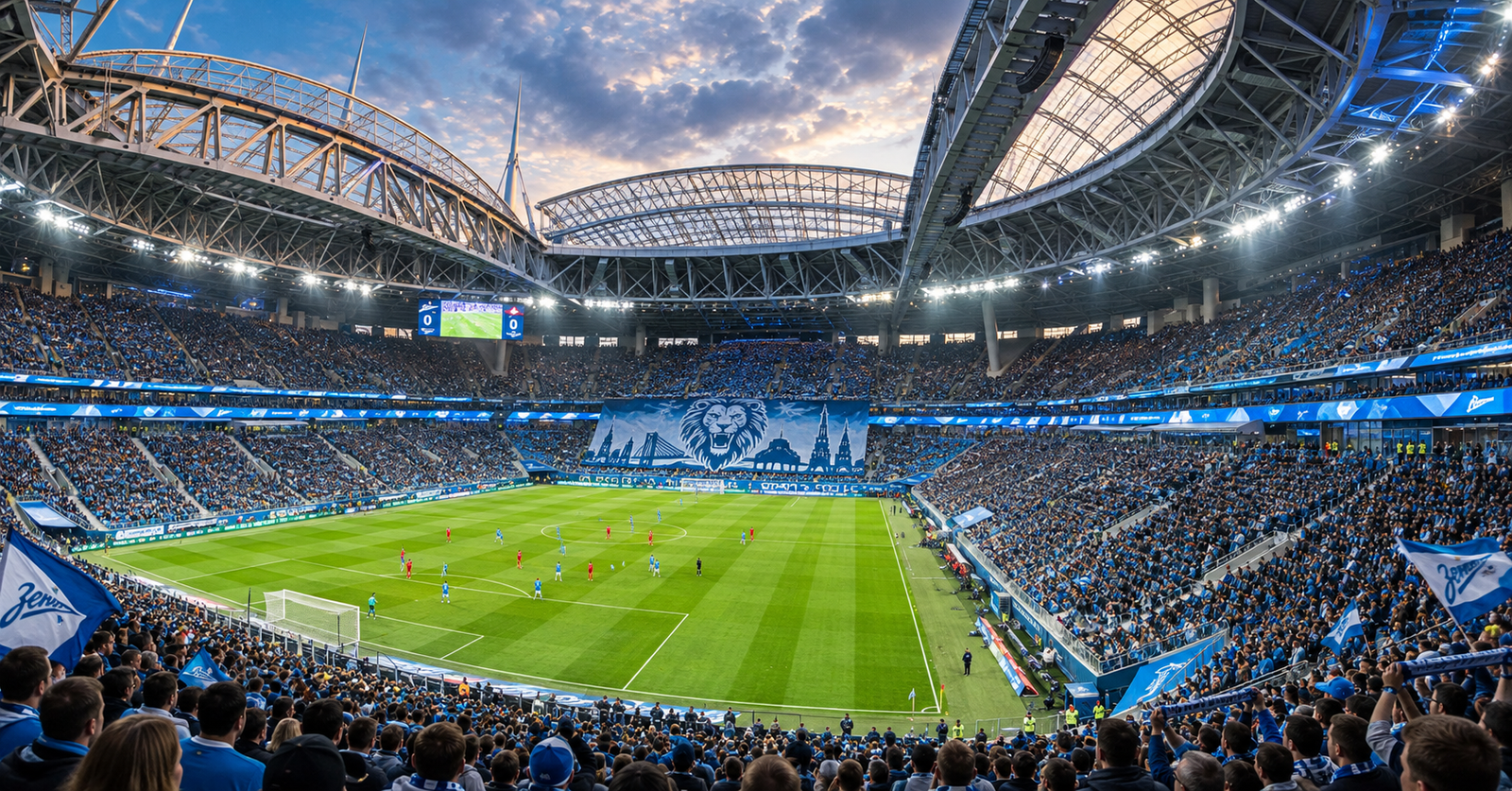
When evaluating the outcome of a Zenit vs. CSKA fixture, data-driven scouts should prioritize several factors. First, home-field advantage at Gazprom Arena can influence the match, but exact win-percentage claims should be based on a defined statistical period. Second, the midfield battle can be decisive, particularly when CSKA attempts to disrupt Zenit's possession and progression. Third, set-piece execution and defensive organization remain important factors that can influence closely contested fixtures. For those interested in broader sporting commercialism, similar patterns can be found in our Cricket: Strategic Analysis of Global Commercial Authority, where financial resources and sporting strategy can influence long-term league performance.





Comments 0
Leave a Reply
Your email address will not be published. Required fields are marked *
Be the first to share your thoughts!