

💡 The Essence of May: A Comprehensive Guide to History, Traditions, and Seasonal Changes
Discover the history, cultural significance, and seasonal transformations of May, from its Greek mythological roots to Indian summer traditions and astrological shifts.
May is the fifth month of the year in the Gregorian calendar, serving as a vibrant bridge between the gentle warmth of spring and the intense heat of summer. It is a period defined by growth, fertility, and renewal, deeply rooted in ancient mythology and modern cultural celebrations. In India, May is synonymous with the peak of the pre-monsoon season, the arrival of the king of fruits—the mango—and significant astrological occurrences like the Khappar Rajyog, which can influence the fortunes of various zodiac signs.
Embracing the Vibrancy of the Fifth Month
For many, May represents a time of transition. In the northern hemisphere, the landscape turns a deep, lush green, while in the southern hemisphere, it signals the approach of winter. In India, May is a month of high energy and high temperatures. It is the time of school summer vacations, family trips to hill stations, and a general shift in lifestyle to accommodate the rising sun. Beyond the weather, May is a month of intense spiritual and astrological significance, often hosting major festivals and planetary alignments that shape the year ahead.
The Origins of May: From Greek Mythology to the Roman Calendar
The name "May" is steeped in history, tracing back to the Latin word Maius. Most historians agree that the month was named after Maia, a Greek goddess of fertility and the earth. Maia was often associated with growth and the nurturing of plants, which aligns perfectly with the blooming nature of this month. In the ancient Roman calendar, May was the third month, but it eventually moved to the fifth position with the addition of January and February.
The Romans also celebrated Floralia during this time, a festival dedicated to Flora, the goddess of flowers. This tradition of honoring nature’s bounty has persisted through the centuries, evolving into various modern spring festivals found across Europe and Asia.
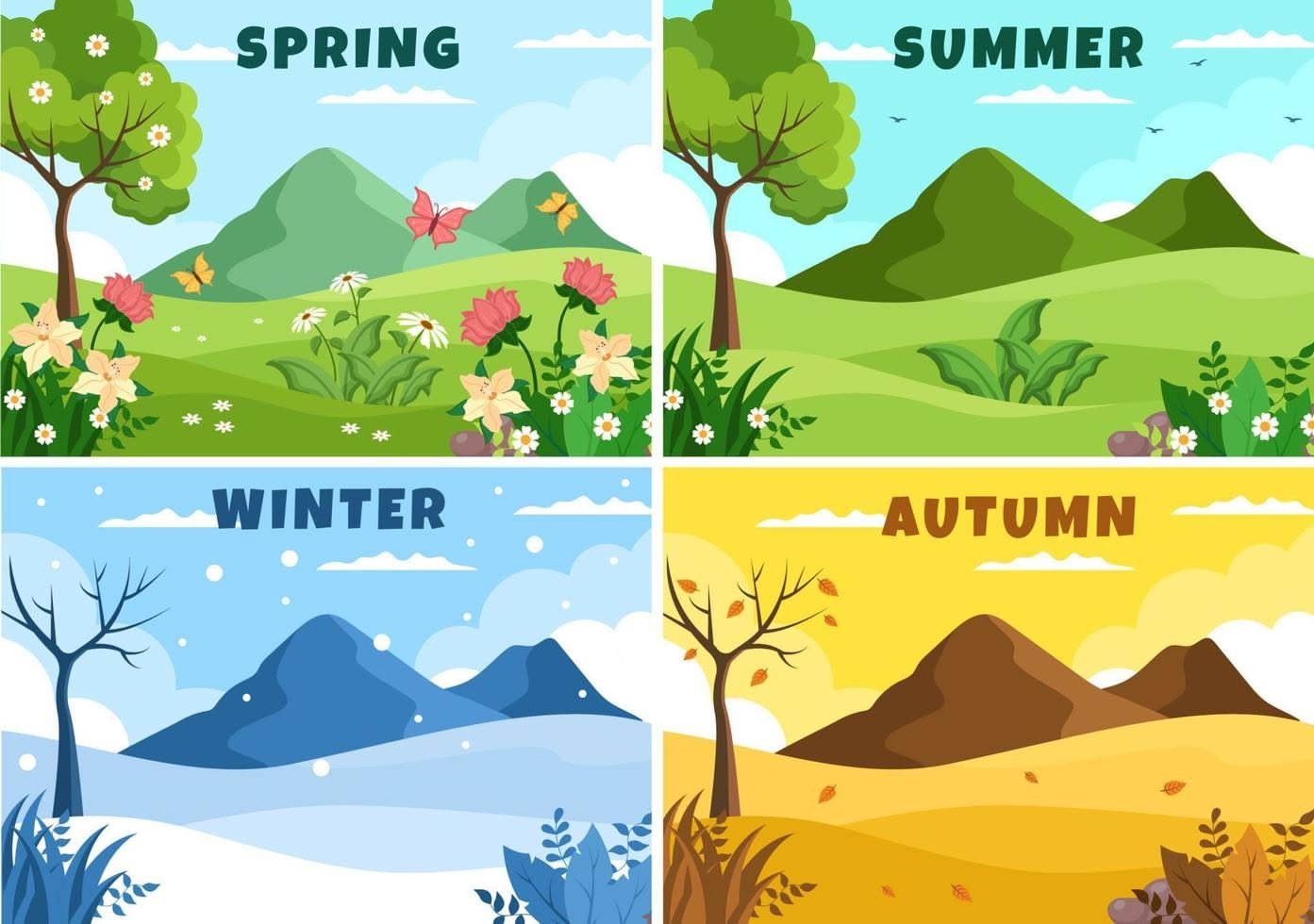
Celestial Events and the Peak of Spring: Nature’s Transformation in May
In May, the earth feels alive. In temperate regions, the last of the spring blossoms are in full swing, while in tropical regions like India, the heat triggers the flowering of iconic trees like the Amaltas (Laburnum) with its golden showers and the fiery Gulmohar.
From an astronomical perspective, May offers clear night skies perfect for stargazing. One of the most anticipated events is the Eta Aquariid meteor shower, which usually peaks in early May. Furthermore, the month often features a "Flower Moon," the full moon of May, named by indigenous cultures to signify the abundance of flowers in bloom.
In the realm of astrology, May 2026 is particularly noteworthy due to the formation of the Khappar Rajyog. In Vedic astrology, this is considered a challenging period formed by specific planetary positions. While "Rajyog" usually implies prosperity, the Khappar variant suggests a time of testing, especially for signs like Aries, Gemini, Scorpio, and Aquarius. It serves as a reminder that May is not just about external growth, but also about internal resilience and caution.
Cultural Celebrations and Global Holidays: Why May is a Month of Festivity
May is packed with holidays that honor workers, mothers, and spiritual leaders.
- May Day (International Workers' Day): Celebrated on May 1st, it honors the labor movement and the rights of workers worldwide.
- Mother’s Day: Usually observed on the second Sunday of May, this day is dedicated to honoring maternal bonds and the influence of mothers in society.
- Buddha Purnima: A significant day in India and Southeast Asia, marking the birth, enlightenment, and death of Gautama Buddha.
- Akshaya Tritiya: Often falling in late April or May, this is considered one of the most auspicious days in the Hindu calendar for starting new ventures or buying gold.

The Gardener’s Calendar: Essential Tasks and Blooms for the Month of May
For gardeners, May is a busy month of maintenance and preparation. In India, the focus is on protecting plants from the scorching heat.
Essential Tasks:
- Watering: Transition to early morning or late evening watering to prevent evaporation and leaf burn.
- Mulching: Use organic mulch to keep the soil temperature down and retain moisture.
- Pruning: Trim spring-flowering shrubs after their blooms have faded to encourage new growth.
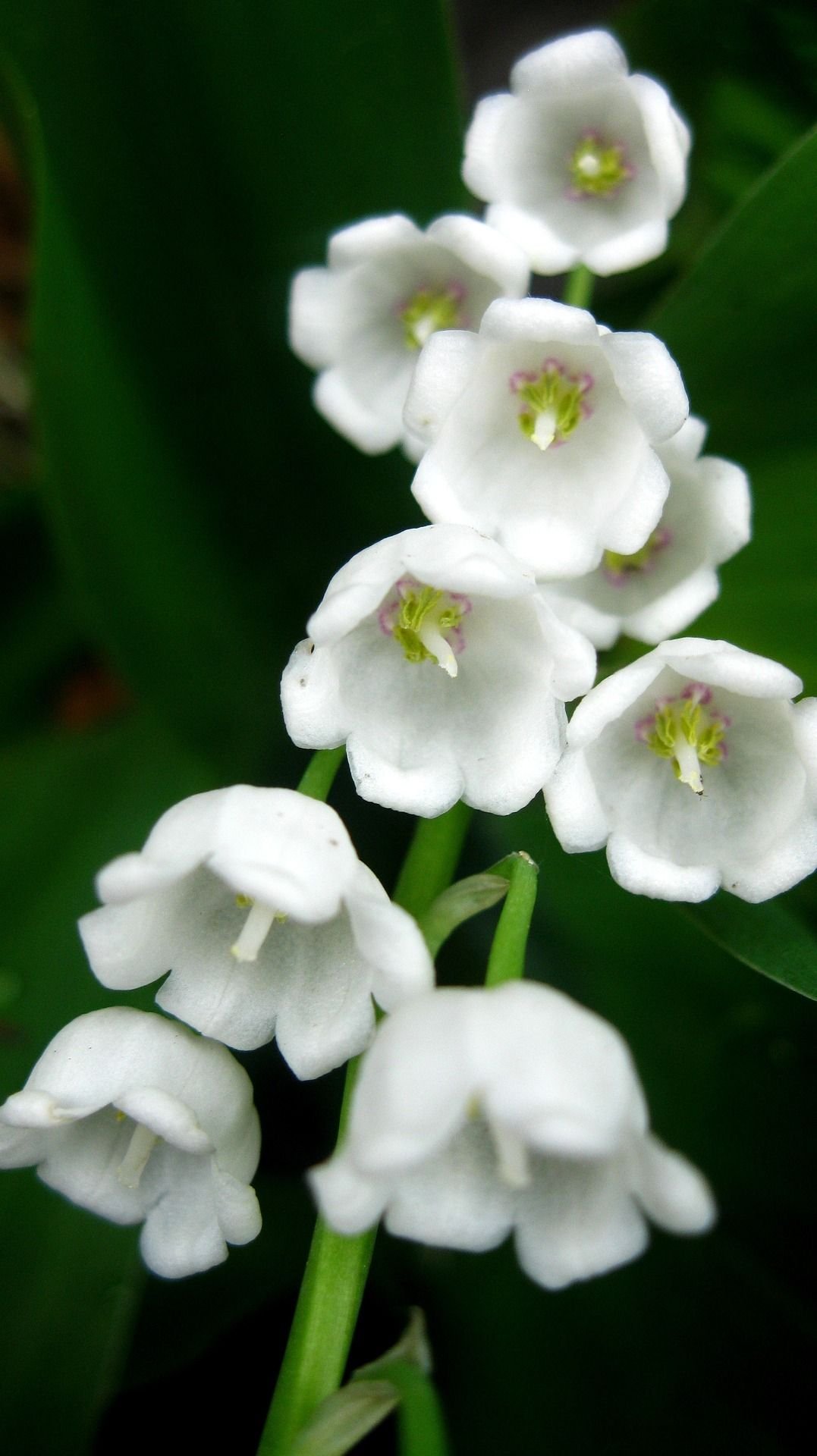
The star of the month is often the Lily of the Valley, known for its delicate bell shape and sweet fragrance. In India, heat-loving plants like Hibiscus, Bougainvillea, and Jasmine (Mogra) take center stage, filling the air with their distinct summer scents.
Birthstones, Flowers, and Zodiac Signs: The Symbolic Identity of May
May carries a unique set of symbols that represent its character:
- Birthstone: The Emerald. This deep green gemstone symbolizes rebirth, love, and fertility. It was famously favored by Cleopatra and is believed to grant the wearer foresight and good fortune.
- Birth Flowers: The Lily of the Valley (representing sweetness and humility) and the Hawthorn (representing hope).
- Zodiac Signs:
- Taurus (until May 20): Known for being grounded, practical, and lovers of luxury.
- Gemini (from May 21): Known for being curious, adaptable, and communicative.
Frequently Asked Questions About the Month of May
1. Why is May considered a month of "renewal"?
Historically, May marks the time when the earth is most fertile in the northern hemisphere. The name itself comes from Maia, the goddess of growth, and the natural world is at its peak of greenness during this time.
2. What is the significance of the Khappar Rajyog mentioned in astrology?
Khappar Rajyog is a rare and often difficult planetary alignment in Vedic astrology. While it can bring sudden changes, it is generally advised that certain zodiac signs remain cautious regarding finances and health during its influence.
3. What are the best fruits to eat in May in India?
May is the prime month for Mangoes (Alphonso, Kesar, Banganapalli). It is also the season for water-rich fruits like Watermelon, Muskmelon, and Lychees, which help in staying hydrated.
4. Is May a good time to travel in India?
While the plains are very hot, May is the peak season for visiting hill stations like Shimla, Manali, Munnar, and Ooty, where the weather remains pleasant.
5. What does the Emerald birthstone represent?
The Emerald represents wisdom, growth, and patience. It is one of the most valuable gemstones and has been associated with royalty for thousands of years.
Conclusion
May is a month of profound contrasts—it is a time of intense heat and beautiful blooms, of ancient mythological roots and modern celebrations of labor and motherhood. Whether you are navigating the astrological challenges of the Khappar Rajyog or simply enjoying the first harvest of summer mangoes, May invites us to embrace change. It is a reminder that growth often requires enduring the heat, and that renewal is a constant, beautiful cycle of the natural world.





Comments 0
Leave a Reply
Your email address will not be published. Required fields are marked *
Be the first to share your thoughts!