
💡 United States and Belgium: Strategic Analysis of Bilateral Relations
A comprehensive expert analysis of the economic, diplomatic, and defense partnership between the United States and Belgium, focusing on trade data and geopolitical synergy.
Executive Summary
The bilateral relationship between the United States and Belgium represents a cornerstone of Transatlantic stability. This analysis highlights a robust economic partnership characterized by over 60 billion dollars in annual trade and a deep-seated security alliance anchored by NATO headquarters in Brussels. Key findings include Belgium's role as a primary gateway for American goods into the European Single Market and the strategic significance of the 4.5 billion dollar F-35 defense agreement. Data indicates that the United States remains the largest non-European investor in the Belgian economy, supporting over 125,000 local jobs through more than 900 active American subsidiaries.
Introduction
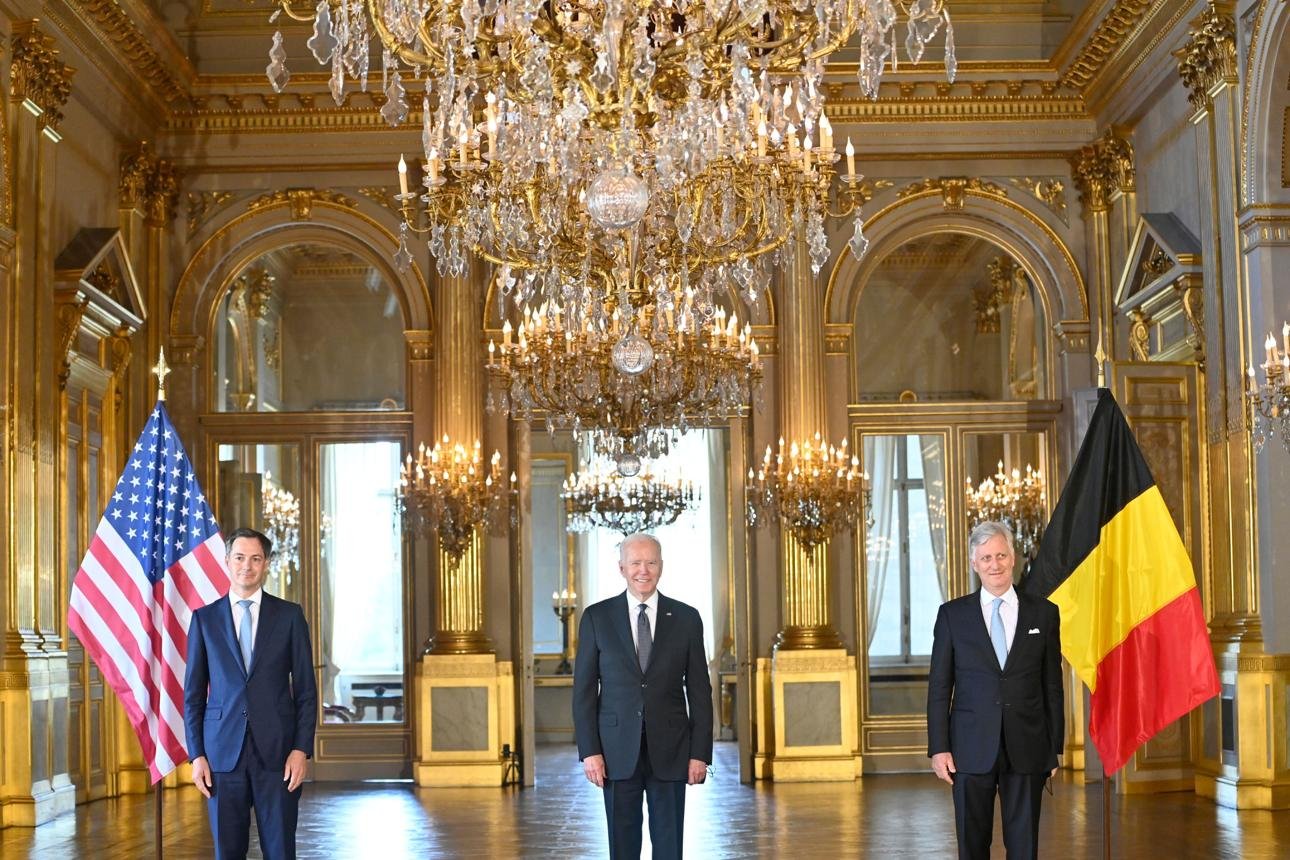
The relationship between the United States and Belgium is built upon a historical foundation of shared democratic values and common security interests. While often viewed through the lens of international organizations like the European Union and NATO, the direct bilateral link is a powerhouse of economic and technological exchange. Brussels, often cited as the capital of Europe, serves as a critical node for American diplomacy and corporate strategy. This analysis examines the multifaceted nature of this partnership, moving beyond historical sentiment to evaluate current trade metrics, defense protocols, and the soft power dynamics that define their interactions in the 21st century. Understanding this relationship requires a look at how these two nations navigate global challenges, similar to the frameworks discussed in the México - Inglaterra: Strategic Analysis of Global Relations, where regional hubs dictate broader international outcomes.
The Economic Engine: Trade and Investment Data
Belgium consistently ranks as one of the top export destinations for United States goods within the European Union. In 2022, U.S. exports to Belgium reached approximately 34.5 billion dollars, while imports from Belgium totaled nearly 28 billion dollars. The composition of this trade is highly sophisticated, dominated by high-value sectors:
- Chemicals and Pharmaceuticals: Accounting for nearly 40 percent of total trade volume, driven by Belgium's global leadership in biotech and the presence of major U.S. firms like Pfizer and Janssen Pharmaceutica.
- Transportation Equipment: Including automotive parts and aerospace components.
- Energy Products: Specifically Liquefied Natural Gas (LNG), as Belgium serves as a transit hub for European energy security through the Port of Zeebrugge.
The Port of Antwerp-Bruges, the second-largest port in Europe, acts as the primary maritime gateway for American products. Strategic investments by U.S. companies in the Flanders and Wallonia regions have created a symbiotic environment where American capital fuels Belgian innovation. This economic integration is mirrored in how global entities manage their public perception and operational reach, a concept explored in the BBC: Strategic Analysis of Global Media Authority, where institutional reputation facilitates international trust.
Defense and Security: The NATO Connection
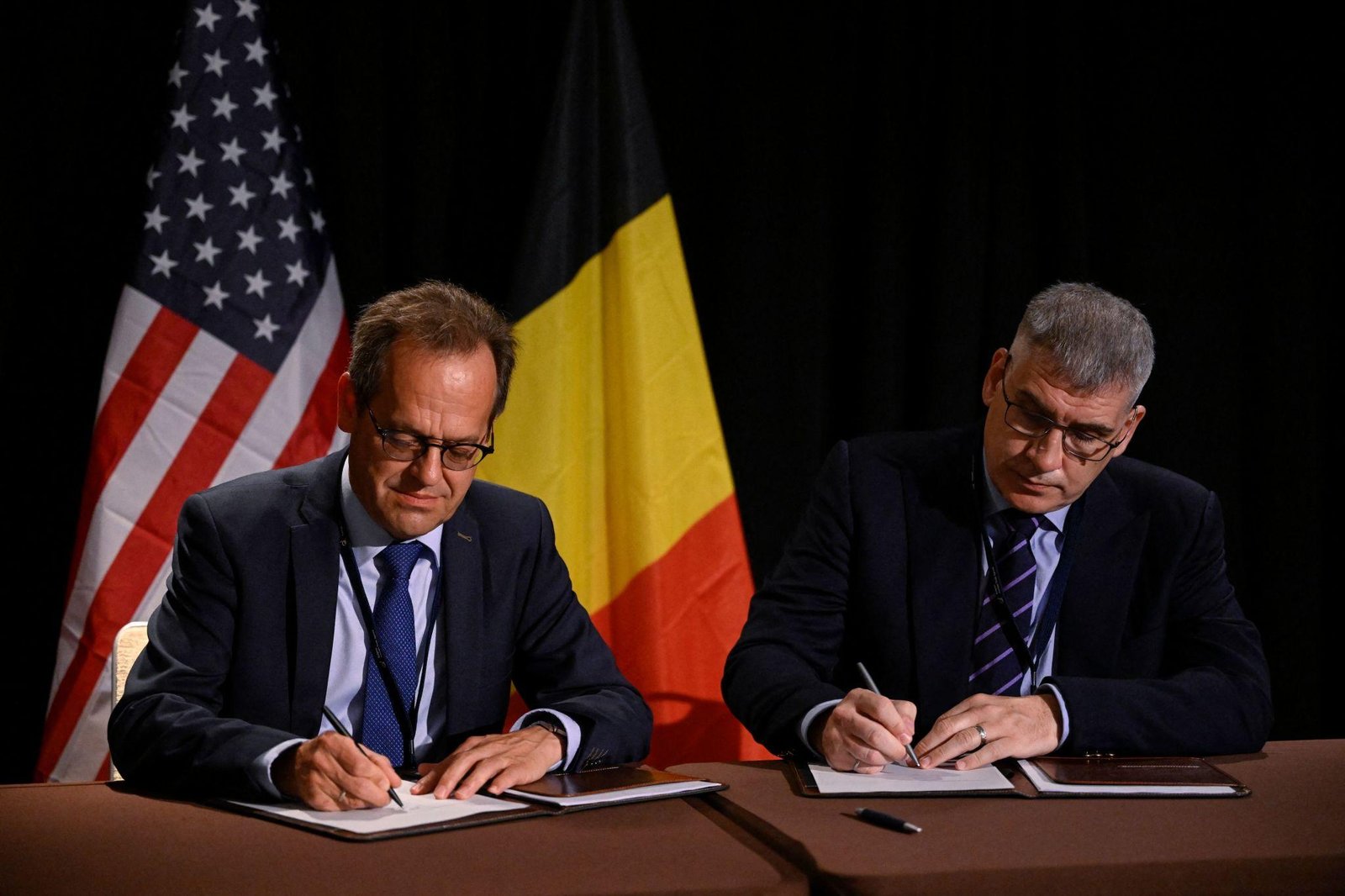
Security cooperation is the most visible pillar of the U.S.-Belgium relationship. As the host nation for NATO headquarters, Belgium plays an outsized role in Western defense architecture. The strategic alignment was further solidified in 2018 when the Belgian government selected the Lockheed Martin F-35A Lightning II to replace its aging F-16 fleet. This 4.5 billion dollar procurement program ensures interoperability between the U.S. Air Force and the Belgian Air Component for decades to come.
Beyond hardware, the two nations collaborate extensively on counter-terrorism and cybersecurity. The Presence of the United States European Command (EUCOM) elements in Belgium facilitates rapid response capabilities across the continent. This level of institutional cooperation is essential for maintaining the legal and physical frameworks of modern governance, much like the policies analyzed in the Citizenship: Strategic Analysis of Global Rights and Policy report.
Soft Power and Cultural Synergy
While trade and defense form the structural backbone, soft power creates the social fabric of the relationship. Educational exchanges, such as the Fulbright Program, have fostered a generation of leaders with deep cross-cultural understanding. In the realm of sports, the 2014 FIFA World Cup match between the United States and Belgium remains a cultural touchstone, highlighting the high stakes and mutual respect inherent in international competition. This sporting connection serves as a bridge, humanizing the complex geopolitical data points and creating shared narratives that resonate with the public in both nations.
What This Means For You
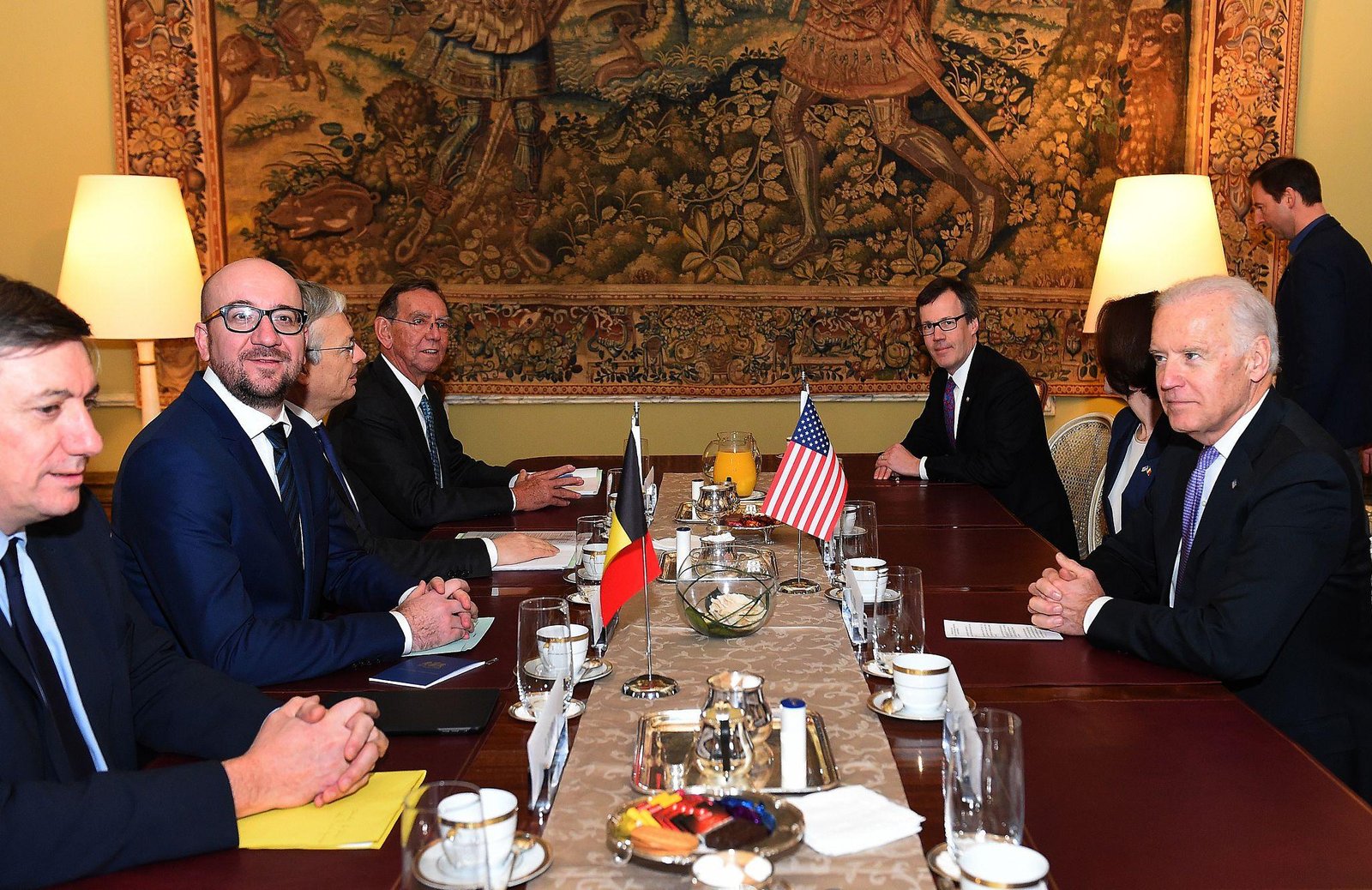
For the average citizen, business owner, or investor, the U.S.-Belgium relationship provides a stable environment for growth and mobility. Here is the practical breakdown:
- Market Access: Small and medium enterprises (SMEs) can leverage Belgium as a low-friction entry point into the wider European market due to favorable trade agreements and logistics infrastructure.
- Job Security: The heavy investment of U.S. firms in Belgium ensures a steady demand for high-skilled labor in the pharmaceutical and tech sectors.
- Travel and Education: Strong diplomatic ties translate to streamlined visa processes and robust academic exchange opportunities for students and researchers.
- Security Stability: The integrated defense posture ensures that the North Atlantic region remains a low-risk environment for international commerce.
Expert Verdict / Future Outlook
The outlook for U.S.-Belgium relations is overwhelmingly positive, though not without challenges. The primary focus moving forward will be the transition to a green economy. Both nations are investing heavily in offshore wind energy and hydrogen technology. Belgium's expertise in maritime logistics combined with American venture capital and technological innovation is expected to lead to significant breakthroughs in the North Sea energy corridor. Analysts predict that bilateral trade will grow by an additional 15 percent by 2030, driven by the digital transformation of the chemical industry and increased cooperation in semiconductor supply chains. The relationship remains a model of how a global superpower and a medium-sized European nation can achieve mutual prosperity through institutionalized cooperation and shared strategic goals.
FAQ
How significant is the Port of Antwerp for U.S. trade?
The Port of Antwerp-Bruges is critical, handling over 280 million tonnes of cargo annually. It serves as the primary entry point for U.S. chemical exports and a major exit point for Belgian-manufactured automotive and pharmaceutical products destined for the American market.
What is the status of the F-35 program in Belgium?
Belgium is currently in the integration phase of the F-35 program. The first aircraft were delivered to training facilities in the United States, with full operational capability at Belgian airbases expected by the mid-2020s, ensuring long-term tactical alignment with U.S. forces.
Do U.S. citizens need a visa to visit Belgium?
For short-term tourism or business stays of up to 90 days, U.S. citizens do not currently require a visa to enter Belgium, though the upcoming ETIAS (European Travel Information and Authorisation System) will require a pre-travel registration starting in 2025.
Which U.S. states trade the most with Belgium?
Texas, Illinois, and New York are among the top trading partners. Texas leads primarily due to energy and chemical exports, while Illinois and New York focus on machinery and financial services respectively.
How does the Belgian government support U.S. investors?
Belgium offers various incentives through regional agencies like Flanders Investment and Trade (FIT) and the Wallonia Export and Investment Agency (AWEX), including tax deductions for research and development and assistance with site selection and recruitment.
Conclusion
The partnership between the United States and Belgium is a testament to the power of strategic alignment. By combining American economic scale with Belgian logistical precision and diplomatic positioning, both nations have created a resilient framework for growth. As they pivot toward sustainable energy and advanced technology, this relationship will continue to serve as a vital artery for Transatlantic prosperity. The strategic takeaway is clear: in an era of global uncertainty, the U.S.-Belgium alliance remains a predictable and highly productive constant in the international landscape.





Comments 0
Leave a Reply
Your email address will not be published. Required fields are marked *
Be the first to share your thoughts!