
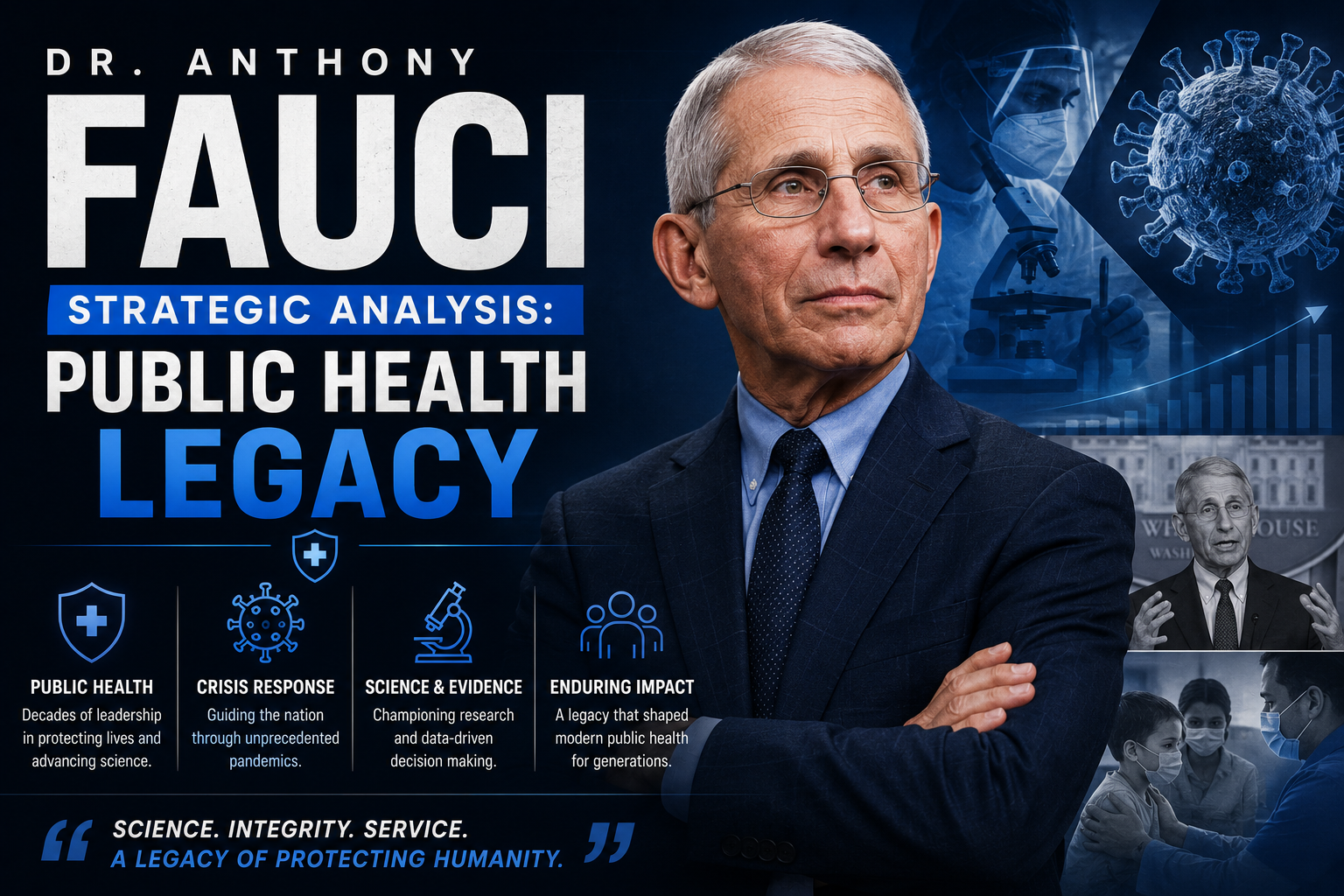
💡 Dr. Anthony Fauci Strategic Analysis: Public Health Legacy
A comprehensive strategic analysis of Dr. Anthony Fauci’s 50-year career, his impact on global health policy, and his leadership during the COVID-19 pandemic.
Executive Summary
Dr. Anthony Fauci stands as one of the most influential figures in the history of global public health. Serving as the Director of the National Institute of Allergy and Infectious Diseases (NIAID) from 1984 to 2022, his tenure spanned seven presidential administrations. Key data highlights include his oversight of a budget that grew from approximately $350 million in the mid-1980s to over $6.3 billion by his retirement. His strategic leadership was instrumental in the creation of the President’s Emergency Plan for AIDS Relief (PEPFAR), which has saved an estimated 25 million lives globally. This analysis examines his institutional impact, his role in navigating the COVID-19 pandemic, and his enduring influence on scientific communication and biodefense infrastructure.
Introduction
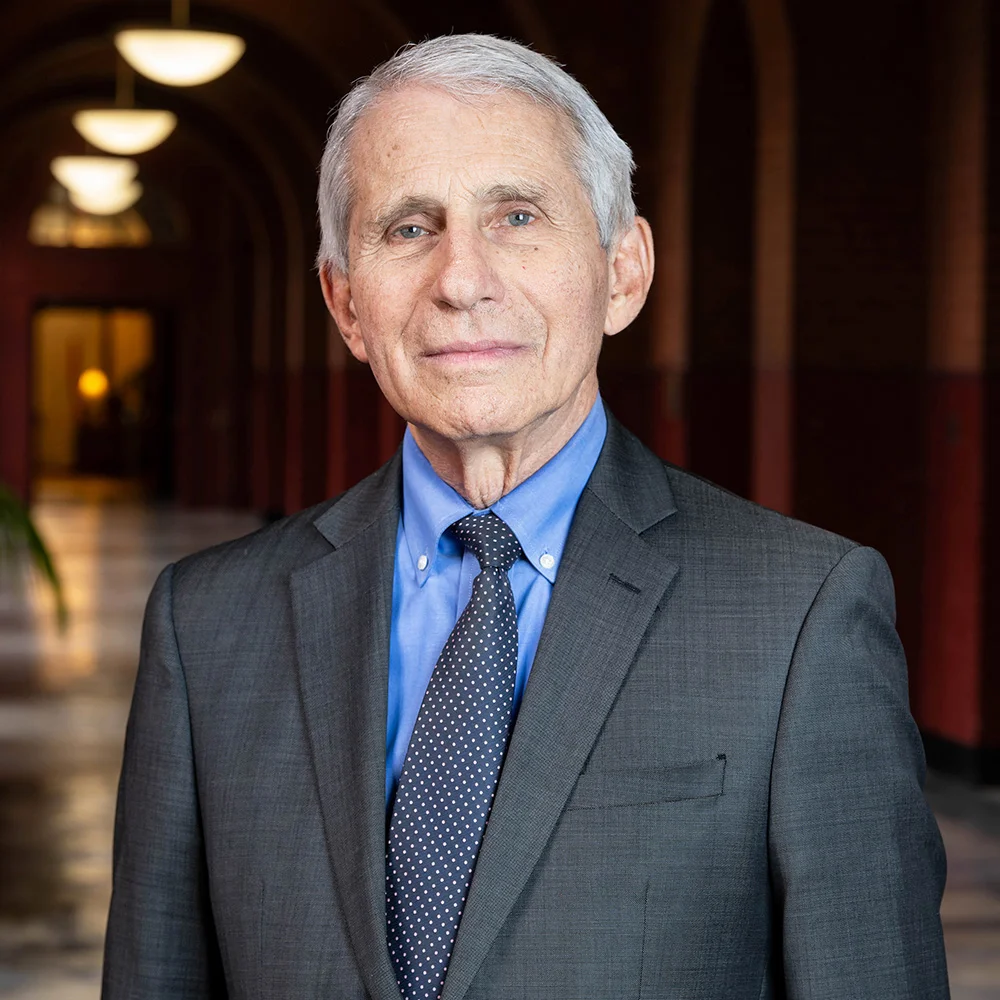
To understand the landscape of modern medicine is to understand the career of Dr. Anthony Fauci. For nearly four decades, he served as the primary advisor to the United States government on infectious disease threats, ranging from the early days of the HIV/AIDS epidemic to the global upheaval caused by SARS-CoV-2. His role was not merely scientific; it was deeply strategic, involving the navigation of complex federal bureaucracies, the management of massive research portfolios, and the communication of evolving data to a public often skeptical of institutional authority. His ability to maintain a position of high-level influence through vastly different political climates is a testament to his expertise in institutional stability and scientific advocacy.
The Deep Dive: A Strategic Analysis of NIAID Leadership
Dr. Fauci’s leadership at the NIAID was defined by three distinct eras of strategic response: the HIV/AIDS crisis, the expansion of global health security through PEPFAR, and the modern era of pandemic preparedness. Each of these phases required a unique blend of scientific rigor and political acumen.
The HIV/AIDS Crisis and Institutional Evolution
In the 1980s, the emergence of HIV/AIDS presented a catastrophic challenge to the medical establishment. Dr. Fauci’s strategic pivot during this time was pivotal. Initially criticized by activists for a slow federal response, he chose to engage directly with his critics. This move integrated patient advocacy into the clinical trial process, a model that remains the standard for medical research today. By opening the doors of the NIH to activists, he ensured that research was not only scientifically sound but also socially relevant. This period also saw the development of protease inhibitors and antiretroviral therapies that transformed a death sentence into a manageable chronic condition. Just as we see in a media authority analysis, Dr. Fauci’s ability to use public platforms to shift narratives was essential for securing the funding necessary for these breakthroughs.
Global Health Security and PEPFAR
Perhaps his most significant international achievement was the development of the President’s Emergency Plan for AIDS Relief (PEPFAR) under George W. Bush. Launched in 2003, PEPFAR represented a massive strategic investment in global health. Dr. Fauci served as a primary architect of this program, which focused on providing life-saving medication to underserved populations in Africa and beyond. Statistics from the State Department indicate that the program has invested over $110 billion in the global HIV/AIDS response. This initiative did more than treat disease; it built healthcare infrastructure in developing nations, creating a first line of defense against future outbreaks like Ebola and Zika. Managing these massive international budgets required a level of precision similar to a financial analysis of national credit, ensuring that every dollar spent yielded maximum epidemiological impact.
COVID-19 and the Digital Transformation of Health
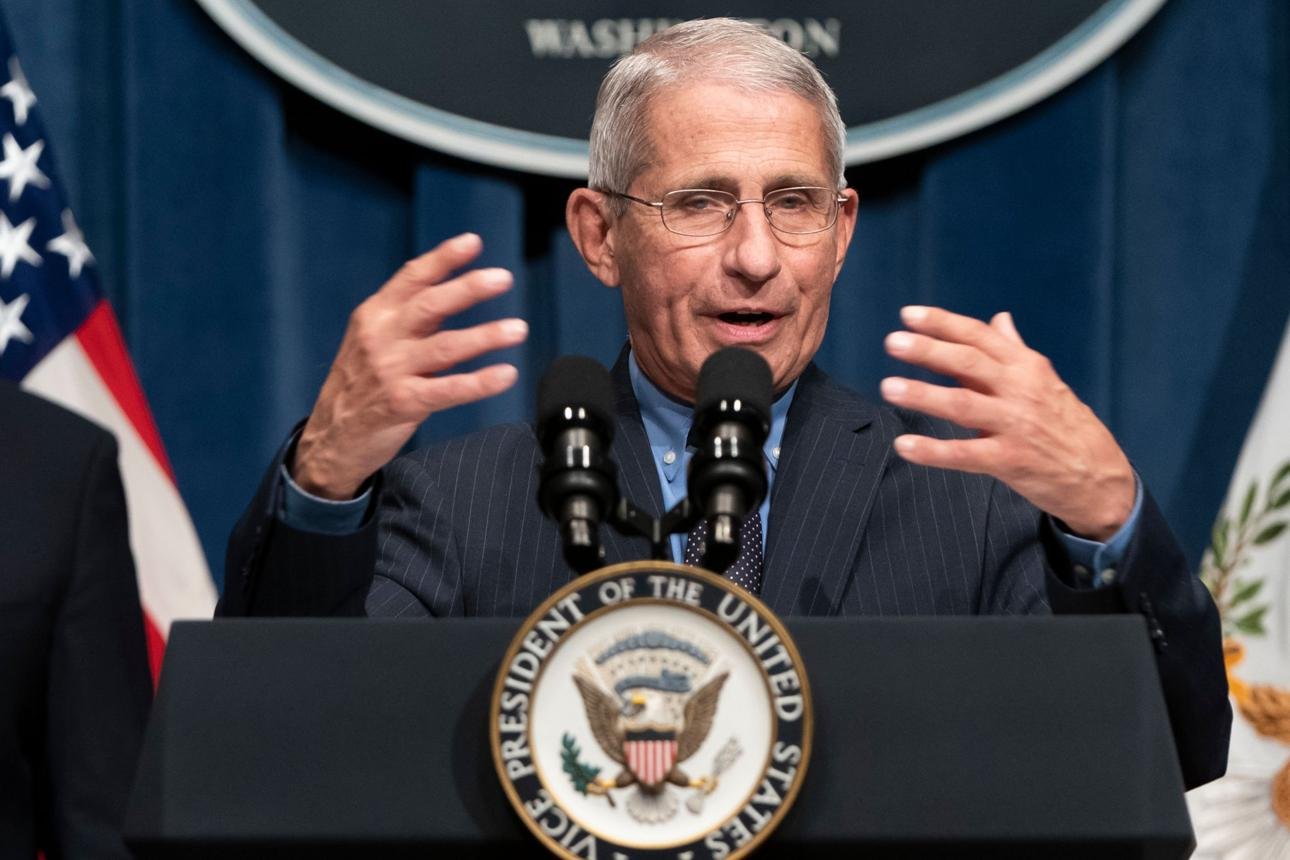
The COVID-19 pandemic served as the final and most visible chapter of Dr. Fauci’s public service. His role in Operation Warp Speed was critical in accelerating the development of mRNA vaccines. The strategic decision to invest in mRNA technology years prior to the pandemic allowed the U.S. to produce a viable vaccine in record time: less than 11 months from sequence identification to emergency use authorization. During this period, the shift toward remote coordination was palpable. The use of collaboration tools became the backbone of international scientific cooperation, allowing researchers to share data in real-time across borders. Dr. Fauci became the face of this effort, providing daily briefings that balanced scientific uncertainty with public safety requirements.
Institutional Growth and the Fauci Effect
Under Dr. Fauci’s guidance, the NIAID became a powerhouse of innovation. He oversaw research into vaccines for influenza, tuberculosis, and malaria, while also preparing for the threat of bioterrorism following the 2001 anthrax attacks. His influence extended into academia, leading to what has been termed the Fauci Effect: a significant surge in medical school applications from students inspired by his public service. According to the Association of American Medical Colleges (AAMC), medical school applications saw a record 18 percent increase in the 2021 cycle, driven largely by a desire to contribute to public health and social justice.
What This Means For You
For the average citizen and the professional alike, Dr. Fauci’s career offers several actionable takeaways regarding leadership and information consumption:
- Trust the Process: Scientific consensus is not static; it evolves as new data becomes available. Understanding this helps in making informed decisions about personal health and safety.
- Institutional Stability: The importance of having non-partisan, long-term experts in key government roles cannot be overstated for national security.
- Communication is Key: In an era of misinformation, seeking out primary sources and verified experts is essential for navigating complex global events.
- The Power of Advocacy: Dr. Fauci’s career proves that public pressure, when channeled through constructive dialogue, can change the course of medical research.
Expert Verdict and Future Outlook
The retirement of Dr. Anthony Fauci from federal service in December 2022 marked the end of an era, but his influence persists through his role at Georgetown University and his ongoing advocacy for pandemic preparedness. The future of public health strategy will likely focus on decentralized surveillance and the use of artificial intelligence to predict viral mutations. While the political landscape surrounding public health has become more polarized, the institutional frameworks Dr. Fauci helped build: such as the Vaccine Research Center: will remain the cornerstone of global biodefense for decades. The strategic takeaway is clear: investment in basic science and international cooperation is the only viable path to preventing the next pandemic.
FAQ
How long did Dr. Fauci serve as Director of the NIAID?
Dr. Fauci served as the Director of the National Institute of Allergy and Infectious Diseases for 38 years, from 1984 until his retirement in December 2022.
Which presidents did Dr. Fauci advise?
He advised seven U.S. presidents: Ronald Reagan, George H.W. Bush, Bill Clinton, George W. Bush, Barack Obama, Donald Trump, and Joe Biden.
What is Dr. Fauci’s most significant scientific contribution?
While he is known for his leadership, his early research on the immune system, specifically regarding how HIV destroys the body’s defenses, was foundational to the development of modern antiretroviral therapies.
Was Dr. Fauci the highest-paid federal employee?
Yes, for several years toward the end of his career, Dr. Fauci was the highest-paid employee in the federal government, a reflection of his senior grade level and the critical nature of his specialized medical role.
What is Dr. Fauci doing now?
Since retiring from the NIH, Dr. Fauci has joined Georgetown University as a Distinguished University Professor, serving in both the School of Medicine and the McCourt School of Public Policy.
Conclusion
The strategic legacy of Dr. Anthony Fauci is defined by a commitment to data-driven decision-making and institutional resilience. By navigating the complexities of the federal government and the global medical community, he established a blueprint for crisis management that will be studied for generations. His career demonstrates that while individual diseases may be conquered, the need for robust, authoritative leadership in public health is a permanent requirement of the modern world.




Comments 0
Leave a Reply
Your email address will not be published. Required fields are marked *
Be the first to share your thoughts!