
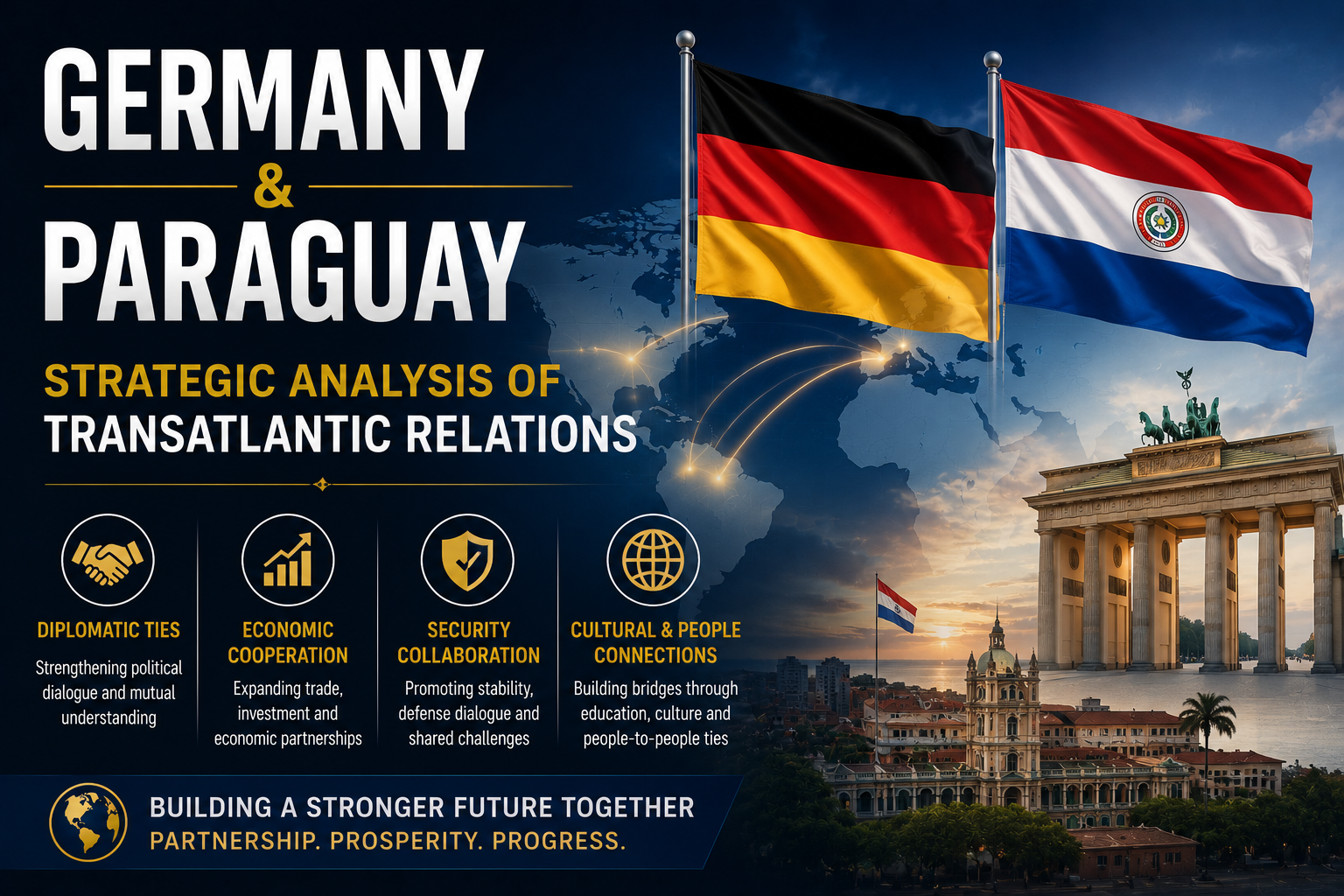
💡 Germany Paraguay: Strategic Analysis of Transatlantic Relations
An authoritative analysis of the historical, economic, and geopolitical partnership between Germany and Paraguay, focusing on trade and the German diaspora.
Executive Summary
The relationship between Germany and Paraguay represents one of the most stable and historically significant bilateral partnerships in the Southern Hemisphere. This strategic analysis identifies three primary pillars of cooperation: the influential role of the German diaspora in Paraguayan agriculture, a growing trade volume that exceeds 270 million USD annually, and a shared commitment to renewable energy development. Germany remains Paraguay's most vital partner within the European Union, providing not only capital investment but also technical expertise in vocational training and sustainable land management. Key findings suggest that Paraguay's macroeconomic stability, characterized by a consistent 4 percent GDP growth rate over the last decade, makes it an increasingly attractive destination for the German Mittelstand (small to medium-sized enterprises) seeking a foothold in the Mercosur trade bloc.
Introduction
Geopolitical shifts in the 21st century have forced European powers to look toward South America for resource security and market diversification. Within this context, the connection between Berlin and Asuncion has transitioned from a purely historical bond into a modern strategic alliance. Paraguay, often overshadowed by its larger neighbors Brazil and Argentina, offers a unique value proposition for German interests: a low-tax environment, 100 percent renewable electricity, and a significant population of German descent that facilitates seamless cultural and business integration. This analysis examines the mechanics of this relationship, the economic data driving current policy, and the future trajectory of German-Paraguayan cooperation in an era of global supply chain restructuring.
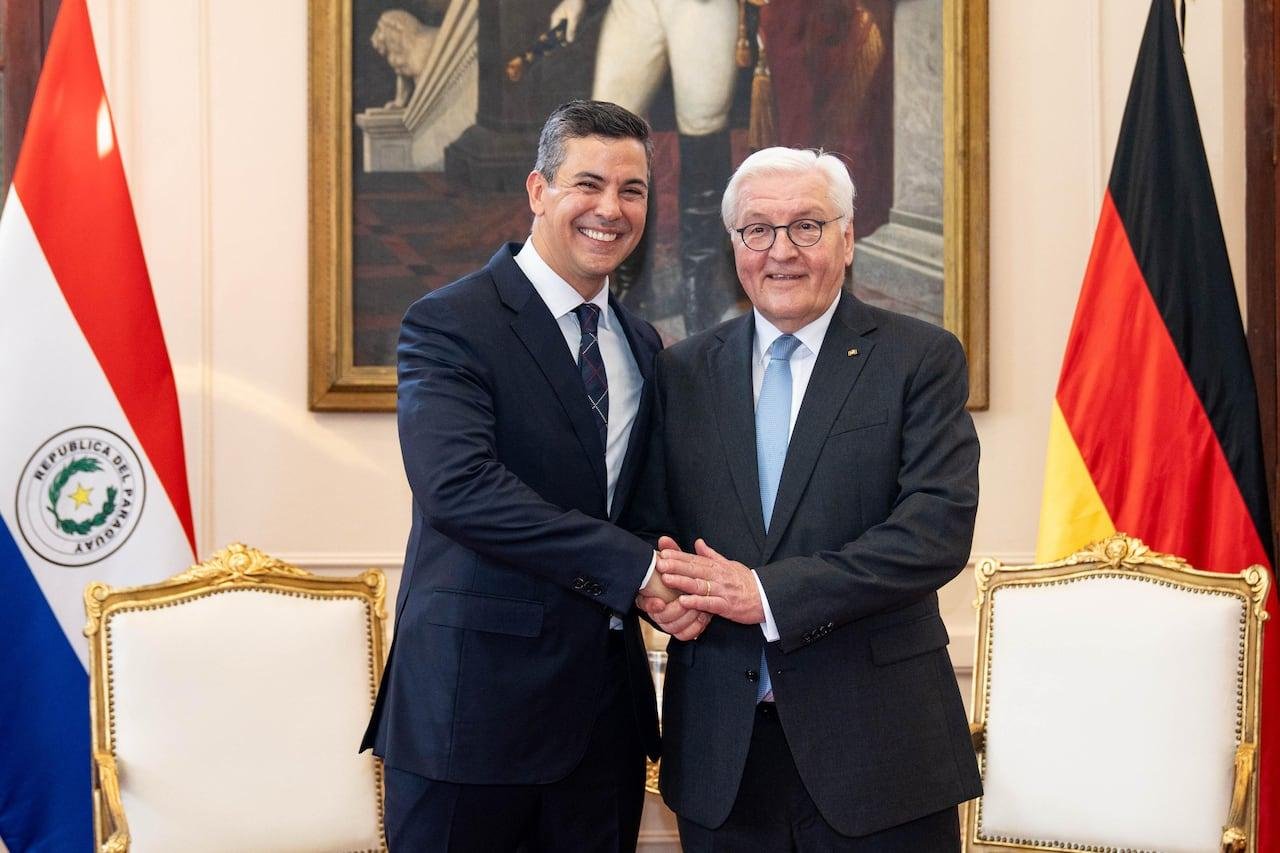
The Deep Dive: Strategic Pillars of Cooperation
1. Historical Foundations and the Diaspora Advantage
Formal diplomatic relations were established in the 1860s, but the true depth of the connection lies in migration patterns. Today, approximately 7 percent of the Paraguayan population, or roughly 300,000 individuals, claim German ancestry. This demographic reality is not merely a cultural curiosity; it is a significant economic engine. The Mennonite colonies in the Chaco region, such as Fernheim and Neuland, are responsible for a disproportionate share of the country's dairy and meat production. These communities maintain linguistic and commercial ties with Germany, creating a natural bridge for bilateral trade. Unlike the complexities discussed in the Deportation: Strategic Analysis of Global Policy Trends, the migration history here is characterized by long-term integration and economic contribution.
2. Economic Synergy and Trade Dynamics
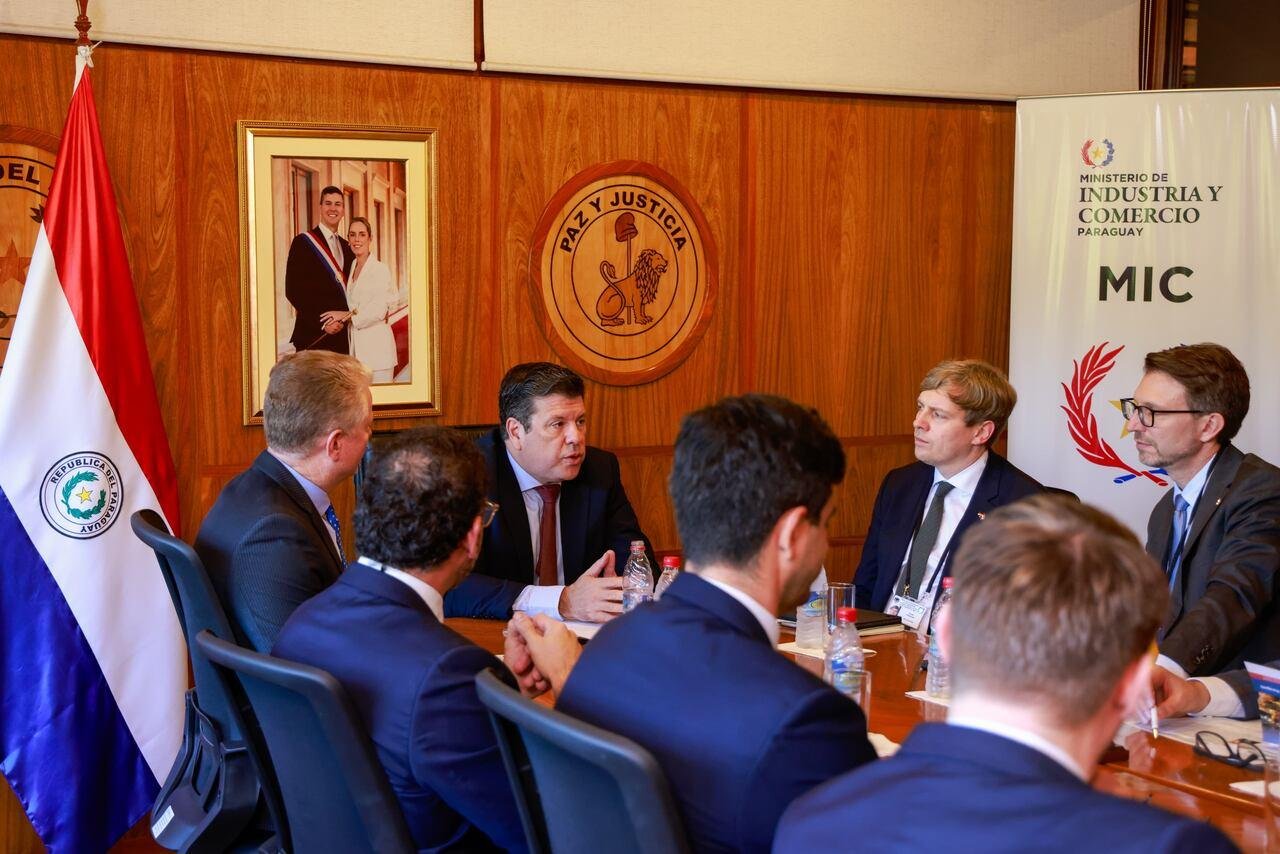
The economic relationship is defined by a complementary exchange of goods. Paraguay serves as a critical supplier of raw materials, specifically soy, beef, and timber products. In exchange, Germany provides high-tech machinery, chemical products, and automotive engineering. According to data from the German-Paraguayan Chamber of Commerce (AHK Paraguay), over 200 German companies currently operate within the country. The attraction for German investors is rooted in Paraguay's 10-10-10 tax system (10 percent corporate tax, 10 percent personal income tax, and 10 percent VAT), which is among the most competitive in the world. This fiscal environment, combined with low labor costs, positions Paraguay as a strategic manufacturing hub for German firms looking to export to the wider Mercosur region. This regional positioning mirrors the strategic importance found in the Uruguay - España: Strategic Analysis of Transatlantic Relations, where European nations utilize specific South American partners as gateways to the continent.
3. Renewable Energy and Green Hydrogen Potential
One of the most promising areas for future cooperation is the energy sector. Paraguay is a global leader in renewable energy, generating nearly all of its electricity from hydroelectric sources like the Itaipu and Yacyreta dams. Germany, a pioneer in the Energiewende (energy transition), sees Paraguay as a prime candidate for green hydrogen production. Strategic discussions are currently underway regarding the use of Paraguay's surplus electricity to produce hydrogen for export to European markets. This would require significant German investment in electrolysis technology and logistics infrastructure, creating a high-tech industrial sector in Paraguay that currently does not exist at scale.
4. Development Cooperation and Institutional Stability
The German Federal Ministry for Economic Cooperation and Development (BMZ) has long identified Paraguay as a key partner. The focus has shifted from traditional aid to technical assistance in two main areas: vocational training and environmental protection. Germany's dual education model is being adapted in Paraguay to improve the skill sets of the local workforce, which is essential for attracting high-value German manufacturing. Furthermore, cooperation in protecting the Atlantic Forest and implementing sustainable agricultural practices ensures that Paraguay's growth does not come at the expense of its natural capital. The emphasis on institutional stability and financial leadership is as critical here as it is in the analysis of Marianne Lake: Strategic Analysis of Banking Leadership, where structural integrity dictates long-term success.
What This Means For You
- For Investors: Paraguay offers a stable, low-tax environment with a pro-business government. German companies can leverage the local diaspora for easier market entry and operational management.
- For Trade Professionals: The impending EU-Mercosur agreement, though still facing hurdles, promises to reduce tariffs on German machinery and Paraguayan agricultural products, creating a surge in volume.
- For Policy Analysts: Paraguay serves as a reliable democratic ally for Germany in South America, often aligning with Western positions in international forums like the United Nations.
- For Consumers: The collaboration ensures a steady supply of high-quality, sustainably produced agricultural products in the European market, meeting increasing ESG requirements.
Expert Verdict / Future Outlook
The strategic partnership between Germany and Paraguay is poised for a period of qualitative growth. While the historical focus was on agriculture and migration, the future lies in technology transfer and green energy. The primary challenge remains the logistical isolation of Paraguay as a landlocked nation, but investments in the Parana-Paraguay Waterway and the Bioceanic Corridor are mitigating these risks. Experts project that if the EU-Mercosur deal is ratified, bilateral trade could double within five years. Germany will likely continue to view Paraguay as a stabilizing force in a region often characterized by volatility, making it a cornerstone of German foreign policy in South America.
FAQ
Is Paraguay a safe place for German investment?
Yes, Paraguay maintains a stable macroeconomic environment with low inflation and a favorable debt-to-GDP ratio. The legal framework for foreign investment is robust, offering the same protections to international investors as local ones.
How many Germans live in Paraguay?
There are approximately 30,000 German citizens residing in Paraguay, while the total population of German descendants is estimated at 300,000, significantly influencing the social and economic landscape.
What are the main exports from Germany to Paraguay?
Germany primarily exports vehicles, industrial machinery, pharmaceutical products, and specialized chemicals. These tools are essential for Paraguay's expanding industrial and agricultural sectors.
How does the German diaspora affect the economy?
The German-descendant community, particularly the Mennonites, controls a large portion of the agricultural output. Their cooperatives are among the most efficient in the world, contributing heavily to Paraguay's export revenue.
What is the status of the EU-Mercosur agreement for these nations?
The agreement is currently in a phase of technical adjustment and political negotiation. Both Germany and Paraguay are strong proponents of the deal, as it would eliminate most tariffs and streamline trade regulations.
Conclusion
The alliance between Germany and Paraguay is a testament to the power of long-term diplomatic and cultural ties. By leveraging the strengths of the German diaspora and Paraguay's abundant renewable energy, both nations are creating a blueprint for sustainable transatlantic cooperation. As global markets seek stability and green solutions, the Germany-Paraguay axis will remain a critical focal point for strategic investment and geopolitical alignment.





Comments 0
Leave a Reply
Your email address will not be published. Required fields are marked *
Be the first to share your thoughts!