
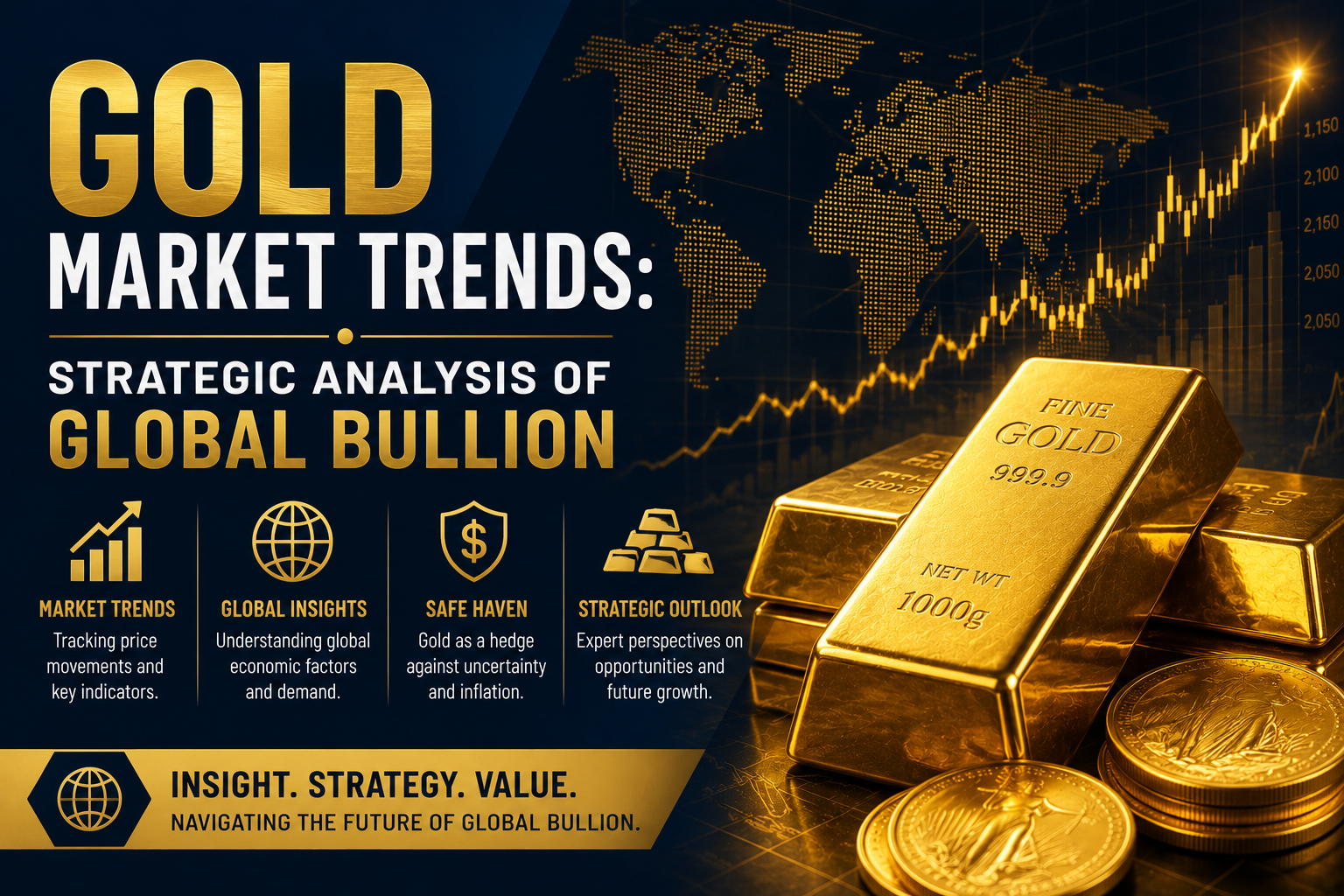
💡 Gold Market Trends: Strategic Analysis of Global Bullion
A comprehensive analysis of the gold market, focusing on central bank demand, geopolitical drivers, and the shift in global financial equilibrium.
Executive Summary
The global gold market has entered a period of unprecedented structural shifts. In 2024, gold prices reached historic highs, frequently breaching the 2,400 USD per ounce threshold. This surge is not merely a reaction to short-term inflation but is driven by a fundamental realignment of global reserves. Key data from the World Gold Council (WGC) indicates that central banks purchased 1,037 tonnes of gold in 2023, following a record-breaking 2022. The primary drivers include geopolitical instability, the weaponization of the US dollar in international sanctions, and a persistent desire for portfolio diversification among institutional investors. This report analyzes the underlying mechanics of these trends and provides a strategic outlook for the coming decade.
Introduction: The Resurgence of the Safe Haven
Gold has reclaimed its status as the primary hedge against systemic risk. While digital assets and traditional equities have faced extreme volatility, the gold market remains the bedrock of fiscal security. The current market environment is characterized by a decoupling of gold from its traditional inverse relationship with real interest rates. Historically, rising interest rates made non-yielding assets like gold less attractive. However, the current landscape defies this logic, as demand remains robust despite high-for-longer rate environments. This phenomenon suggests that investors are prioritizing capital preservation over yield, a sentiment often observed during periods of significant political transition, such as those discussed in the Donald Trump: Strategic Analysis of Political Influence, where policy shifts can lead to global market ripples.
THE DEEP DIVE: Analyzing the Structural Drivers
1. Central Bank Accumulation and De-Dollarization
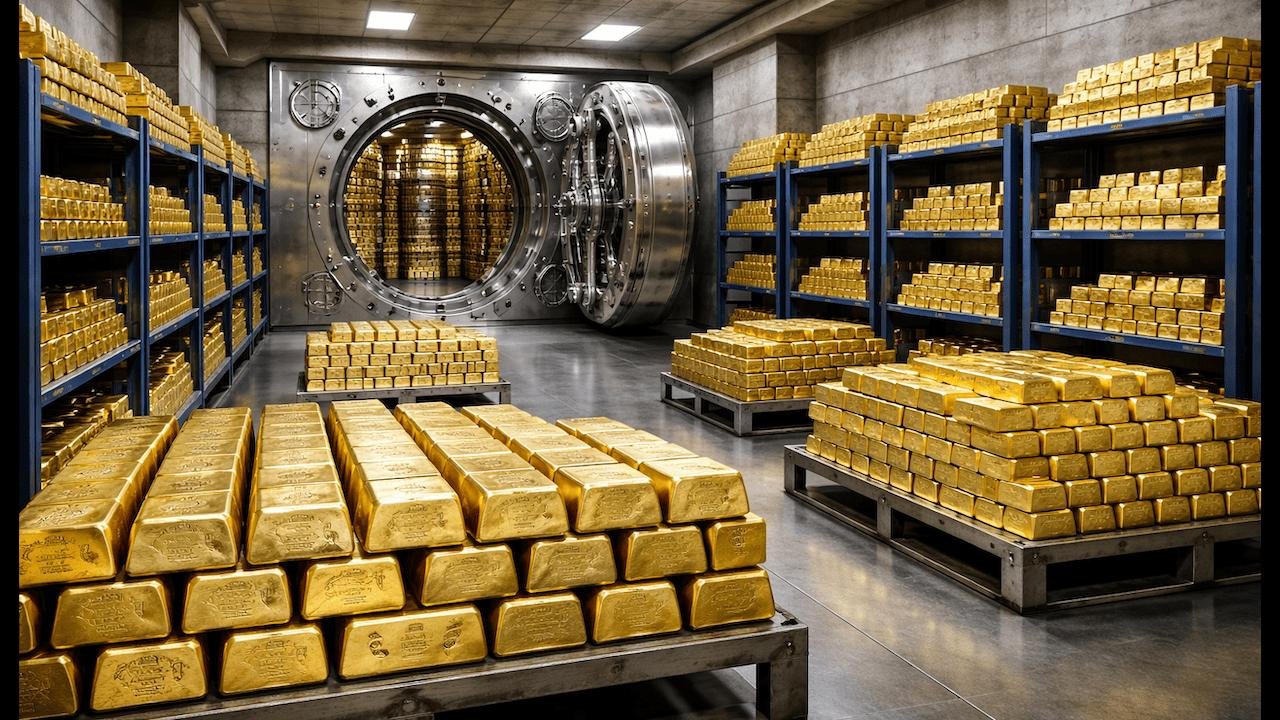
Central banks, particularly in emerging markets, have become the dominant force in the gold market. The People’s Bank of China (PBoC) reported 18 consecutive months of gold additions ending in mid-2024. This trend is mirrored by the Reserve Bank of India and the Central Bank of Turkey. The strategic objective is clear: reducing reliance on the US dollar. As global debt levels rise, institutional players are looking toward the Bank of Baroda: Strategic Analysis of Banking Authority and other major financial entities to understand how liquidity and reserves are being managed in a fragmenting global economy. Gold provides a neutral, liquid asset that carries no counterparty risk, making it the ideal reserve asset for a multipolar world.
2. Geopolitical Volatility and Economic Uncertainty
Geopolitical tensions in the Middle East and Eastern Europe have created a permanent risk premium in the gold price. Furthermore, the upcoming global election cycle adds a layer of fiscal uncertainty. When governments face ballooning deficits, the risk of currency debasement increases. Gold acts as a physical insurance policy against these outcomes. The correlation between gold prices and global uncertainty indices has reached its highest point in a decade, reinforcing the metal's role as a stabilizer in a chaotic financial environment.
3. The Shift from West to East
A significant trend in the gold market is the migration of physical bullion from Western vaults to Eastern consumers. While Western Exchange-Traded Funds (ETFs) saw outflows throughout much of 2023 and early 2024, physical demand in China and India surged. In China, retail investors have turned to gold as a primary savings vehicle amid a cooling real estate market and a volatile domestic stock exchange. This shift suggests that the price discovery mechanism for gold is moving away from London and New York toward Shanghai and Dubai.
4. Technological and Industrial Demand
While often overshadowed by investment demand, the industrial sector remains a consistent consumer of gold. The rise of artificial intelligence (AI) and advanced electronics requires high-conductivity materials. Gold’s unique physical properties make it irreplaceable in high-end semiconductor manufacturing. Although this represents a smaller percentage of total demand compared to jewelry or investment, it provides a solid floor for the market during periods of low investment sentiment.

WHAT THIS MEANS FOR YOU
For the individual investor or the high-net-worth individual, the current gold market trends signify a need for a balanced approach to wealth management. Understanding the nuances of asset protection is as critical as understanding the growth of personal brands, such as the insights found in the Taylor Swift Net Worth: Strategic Financial Analysis. Here is a breakdown of actionable steps:
- Portfolio Diversification: Financial advisors generally recommend a 5 percent to 10 percent allocation to gold to reduce overall portfolio volatility.
- Physical vs. Paper Gold: Consider the trade-offs between physical bullion (security, no counterparty risk) and gold ETFs (liquidity, ease of trading).
- Monitor Central Bank Policy: Watch the monthly reserve reports from major central banks, as their buying patterns are the most reliable indicators of long-term price support.
- Inflation Protection: Use gold as a long-term hedge against the erosion of purchasing power, especially in high-inflation currency environments.
Expert Verdict / Future Outlook
The long-term outlook for the gold market remains bullish. The combination of fiscal deficits in major economies and the ongoing geopolitical realignment creates a favorable environment for precious metals. We anticipate that gold will continue to test new highs as central banks continue their diversification strategies. However, investors should be prepared for short-term volatility. The market is currently pricing in a transition to lower interest rates; if central banks delay these cuts, we may see temporary corrections. Nevertheless, the structural demand from the East and the institutional shift toward hard assets suggest that any significant dip will be met with aggressive buying.

FAQ
Q1: Why is gold reaching record highs when interest rates are high?
A: Traditionally, high rates hurt gold. However, current demand is driven by geopolitical fear and central bank buying, which outweighs the impact of interest rates.
Q2: Is it better to buy physical gold or gold stocks?
A: Physical gold offers security and no counterparty risk. Gold stocks (miners) provide leverage to the gold price but come with operational and management risks.
Q3: How much gold should I have in my portfolio?
A: Most experts suggest an allocation of 5 to 10 percent, depending on your risk tolerance and the overall economic climate.
Q4: Will central banks stop buying gold soon?
A: Current trends suggest otherwise. Many emerging market central banks still have a much lower percentage of gold in their reserves compared to Western nations, indicating room for growth.
Q5: Does the rise of Bitcoin affect the gold market?
A: While some call Bitcoin digital gold, the two assets behave differently. Gold remains a regulated, physical asset with thousands of years of history, whereas Bitcoin is a high-volatility digital asset.
Important Note: Financial Disclaimer: This content is for educational purposes only and does not constitute professional financial advice. Always consult with a certified financial planner before making investment decisions.
Conclusion
The gold market is undergoing a strategic transformation. Driven by central bank demand and a shift in global economic power, gold has moved from a passive asset to a proactive tool for financial sovereignty. For investors and institutions alike, understanding these trends is essential for navigating the complexities of the modern financial landscape. As the world moves toward a more fragmented and unpredictable future, gold's role as the ultimate anchor of value remains undisputed.





Comments 0
Leave a Reply
Your email address will not be published. Required fields are marked *
Be the first to share your thoughts!