
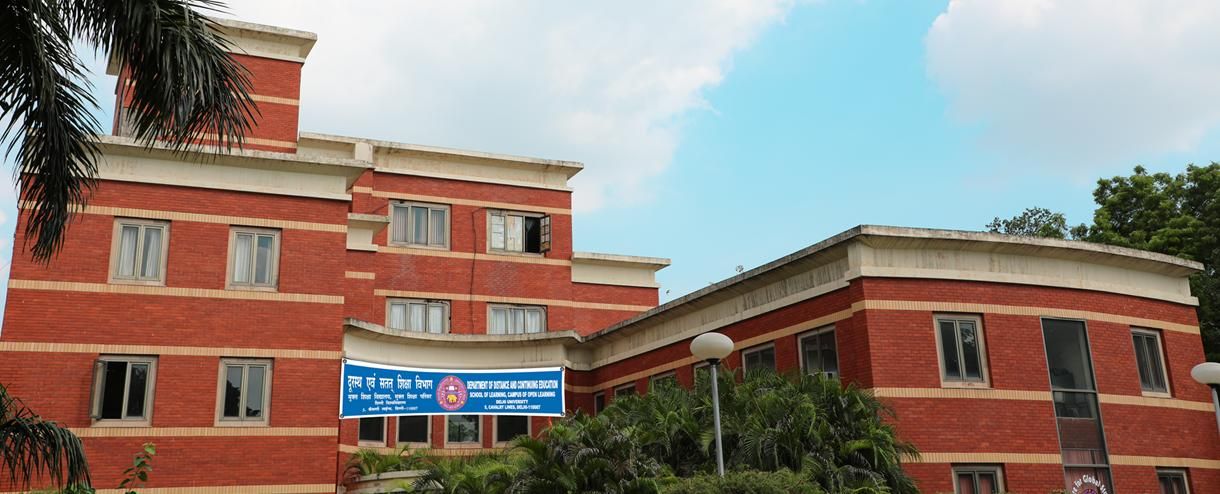
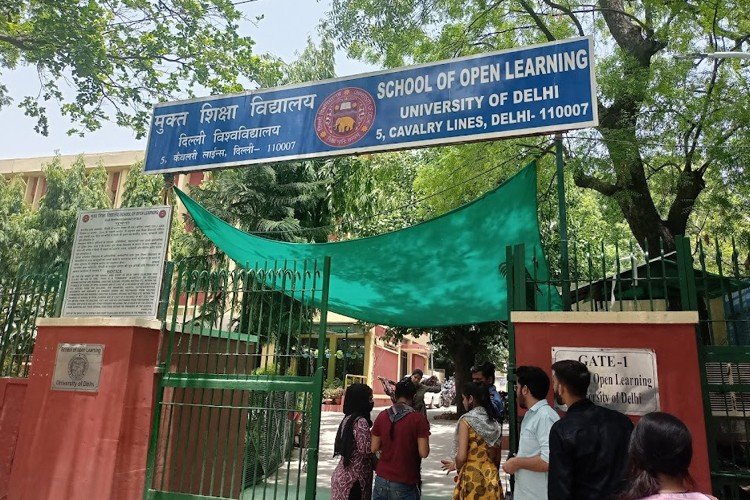
💡 Where is School of open learning university of delhi?
A comprehensive guide to the School of Open Learning (SOL) at the University of Delhi, covering admissions, academic structure, career prospects, and student challenges.
The School of Open Learning (SOL) at the University of Delhi stands as a monumental institution in the landscape of Indian higher education. Established as a pioneer in distance learning, it provides a gateway for hundreds of thousands of students to access quality education without the constraints of daily physical attendance. Many students choose SOL for its flexible learning model that accommodates work and personal commitments that balances academic rigor with the flexibility required for professional or personal commitments.
Educational analysts highlight that SOL plays a crucial role in expanding higher education access across India. It democratizes access to the prestigious Delhi University brand, ensuring that geographical or financial barriers do not hinder a student’s pursuit of knowledge. As the demand for flexible learning models grows globally, understanding the nuances of this institution becomes essential for aspiring scholars and career professionals alike.
What is the School of Open Learning at the University of Delhi?
The School of Open Learning, commonly known as SOL, was established in 1962 as a constituent college of the University of Delhi. It was one of the first institutions in India to offer correspondence courses, aiming to provide higher education to those who could not join regular colleges due to various reasons. Today, SOL caters to over 400,000 students across Delhi and beyond.
As per institutional reports from the University of Delhi, the SOL follows the same syllabus and examination patterns as the regular colleges of the university. This ensures that the degree awarded to an SOL student carries the same academic weight and recognition as that of a regular student. The institution offers a variety of undergraduate and postgraduate programs in fields such as Arts, Commerce, and Management, making it a versatile choice for diverse career paths.
How to navigate the admission process at DU SOL?
The DU SOL admission 2026 process is designed to be inclusive and straightforward, allowing students from diverse backgrounds to enroll in School of Open Learning courses. Unlike the regular colleges of Delhi University, which often have extremely high cut-off percentages based on merit, SOL typically follows a more accessible entry criterion. This allows students from various academic backgrounds to secure a seat in a prestigious university system.
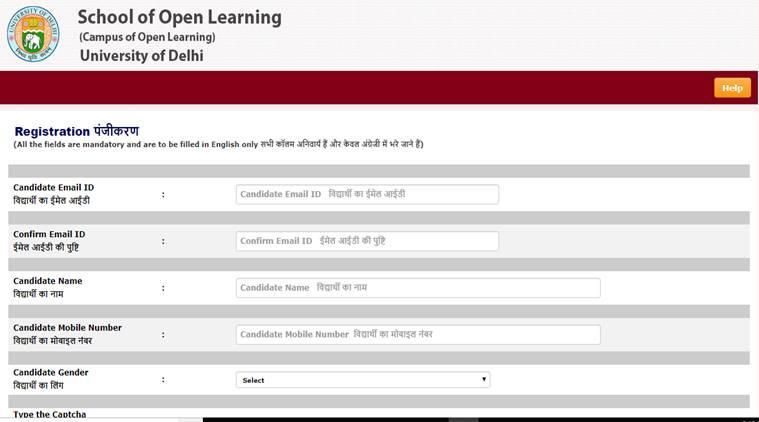
Students should regularly check the official SOL portal during admissions. The process is entirely online, involving the registration of personal details, uploading of necessary documents like mark sheets and certificates, and the payment of fees. One of the primary advantages of SOL is the absence of an upper age limit, encouraging lifelong learning and mid-career academic upgrades. Whether a student is a fresh high school graduate or a working professional, the portal remains open to all who meet the minimum eligibility criteria defined for specific courses.
What are the core academic programs offered by SOL?
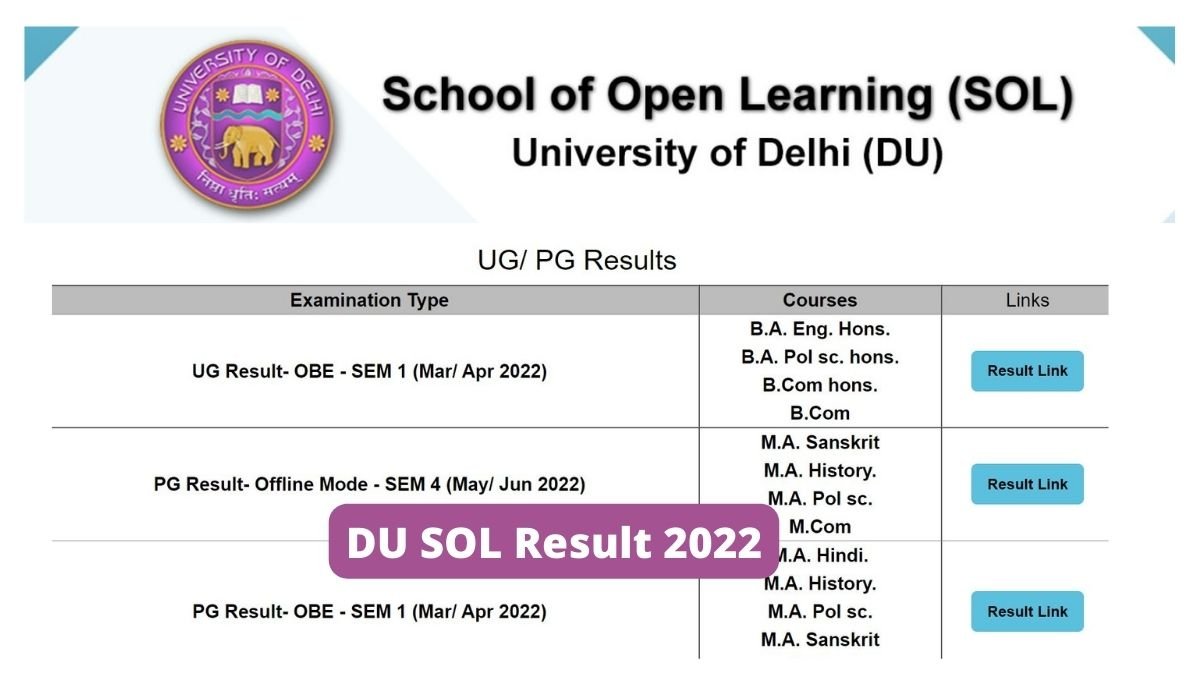
The academic portfolio of the School of Open Learning is robust. At the undergraduate level, it offers popular programs such as Bachelor of Arts (B.A.) Program, B.A. Honors in Political Science and English, Bachelor of Commerce (B.Com.) Program, and B.Com. Honors. These courses are structured under the Choice Based Credit System (CBCS), which allows students to choose from a range of elective subjects, thereby personalizing their learning experience.
In recent years, the institution has expanded its horizons by introducing specialized undergraduate and postgraduate courses in areas like Library and Information Science and Master of Business Administration (MBA). According to academic analysts, the introduction of the MBA program at SOL marks a significant shift toward professionalizing distance education, providing students with the tools needed to excel in the corporate world while maintaining their current employment status.
Why do students choose the School of Open Learning?
The reasons for choosing SOL are as varied as the student population itself. For many, the primary factor is the flexibility it offers. Students who are preparing for competitive examinations like the Civil Services, Chartered Accountancy, or those who are already in the workforce, find the distance mode ideal. It allows them to manage their time effectively without the mandatory 75 percent attendance requirement prevalent in regular colleges.
Affordability is another significant factor. The fee structure at the School of Open Learning is considerably lower than that of private universities or even some regular government colleges. This makes high-quality education accessible to students from economically weaker sections. Furthermore, the prestige associated with a degree from the University of Delhi remains a powerful motivator, as it opens doors to higher studies in India and abroad.
What are the common challenges faced by SOL students?
Despite the numerous benefits, students at the School of Open Learning often face unique challenges. One of the most discussed issues is the perceived gap in campus life and networking opportunities compared to regular college students. While regular students interact daily with peers and faculty, SOL students primarily rely on weekend Personal Contact Program (PCP) classes and online resources.
As per recent industry reports, there have been discussions regarding the routine exclusion of SOL students from certain university-wide events, such as centralized job fairs or specific placement drives. This has sparked a debate about the need for greater institutional parity. Experts suggest that while the degree is legally equivalent, the practical opportunities for campus recruitment can sometimes differ, requiring SOL students to be more proactive in seeking internships and external job opportunities to build their professional profiles.
How to maximize career prospects with an SOL degree?
To overcome the challenges of distance learning, students must adopt a proactive approach to their career development. Experts suggest that since SOL students have more free time than regular college students, they should utilize this period to gain practical experience. Students can enhance their resumes through internships, part-time jobs, or short courses in digital skills or languages.
Networking is equally crucial. SOL students should leverage social media platforms like LinkedIn to connect with alumni and professionals in their desired fields. Participating in seminars, workshops, and webinars can also help in building a professional network. By combining the academic foundation provided by Delhi University with practical skills and a strong network, SOL graduates can compete effectively in the global job market.
What is the difference between SOL and regular DU colleges?
The fundamental difference lies in the mode of delivery. Regular colleges require daily attendance, offer a vibrant campus life with various societies and clubs, and provide direct, frequent interaction with faculty. In contrast, SOL relies on self-study materials, online lectures, and occasional weekend classes. However, it is important to note that the curriculum, the examination difficulty level, and the final degree certificate are standardized across the University of Delhi.
According to academic experts, the choice between the two should depend on a student’s personal goals. If a student seeks the traditional college experience and can commit to a full-time schedule, regular colleges are ideal. However, if a student requires flexibility to pursue other interests or needs to work while studying, the School of Open Learning provides an excellent, recognized alternative that does not compromise on academic standards.
Pro tips for succeeding at the School of Open Learning
- Stay Updated: Regularly check the official SOL website for updates on examination schedules, internal assessments, and study material distribution.
- Utilize the Library: SOL students have access to the university's extensive library resources. Make use of these facilities to supplement the provided study materials.
- Form Study Groups: Connect with fellow students through online forums or during weekend classes to discuss complex topics and share resources.
- Focus on Self-Discipline: Without the structure of daily classes, self-motivation is key. Create a study timetable and stick to it religiously.
- Develop Soft Skills: Use the extra time to improve communication, leadership, and technical skills that are highly valued by employers.
Frequently Asked Questions
Is a degree from SOL valid for government jobs?
Yes, a degree from the School of Open Learning, University of Delhi, is fully recognized by the University Grants Commission (UGC) and is valid for all government job applications, competitive exams like UPSC, and higher education admissions both in India and abroad.
Can SOL students participate in Delhi University sports and cultural events?
While SOL has its own dedicated sports and cultural wings, participation in certain centralized university-level events can sometimes be restricted to regular college students. However, SOL students are encouraged to participate in events specifically organized for the distance learning community.
How are examinations conducted for SOL students?
Examinations for SOL students are conducted by the University of Delhi. They usually take place at various designated centers across Delhi, often coinciding with the examination schedule of regular university students to maintain academic parity.
Is there any difference in the marksheet of an SOL student and a regular student?
The marksheet and the degree certificate are issued by the University of Delhi. While the name of the institution (School of Open Learning) is mentioned, the academic value and the prestige of the University of Delhi remain the same as that of any other constituent college.
How can I get study materials from SOL?
The School of Open Learning provides study materials in both hard copy and soft copy formats. Students can collect printed materials from the North or South Study Centers or download them directly from the official SOL website in PDF format.
Conclusion
The School of Open Learning at the University of Delhi continues to be a cornerstone of accessible education in India. SOL’s flexible structure allows students to balance academic goals with professional and personal commitments. While challenges regarding placement parity and campus integration persist, the intrinsic value of a Delhi University degree remains a significant asset for any graduate. With the right mix of self-discipline, skill enhancement, and proactive networking, students at SOL can achieve professional success comparable to their regular college counterparts.
Related Media
Quick View: Understanding the School of Open Learning University of Delhi: A Complete Guide to Distance Education Excellence





Comments 0
Leave a Reply
Your email address will not be published. Required fields are marked *
Be the first to share your thoughts!