
💡 What is Chester zoo?
Explore the world of Chester Zoo, from its pioneering veterinary surgeries to its global conservation efforts and educational impact on wildlife preservation.
Chester Zoo Guide 2026: Conservation, Animals, Tickets & Visitor Experience
Chester Zoo stands as one of the most prominent and influential wildlife institutions on the planet. Located in Cheshire, England, it is far more than a collection of exotic animals. It is a powerhouse of scientific research, a pioneer in veterinary medicine, and a dedicated advocate for the prevention of extinction. Chester Zoo is widely recognized as one of the leading conservation institutions in the world, Chester Zoo consistently ranks among the top three zoos in the world, not only for visitor experience but for the measurable impact it has on global biodiversity.
The facility spans over 128 acres of zoological gardens, housing thousands of animals across hundreds of species. However, the true heartbeat of the zoo lies in its commitment to animal welfare and its ability to perform medical miracles. Recent conservation studies highlight that Chester Zoo plays a major role in veterinary innovation and species protection, the zoo is a global hub for veterinary innovation, often performing complex procedures that were once thought impossible in a zoological setting.
What is the Mission of Chester Zoo?
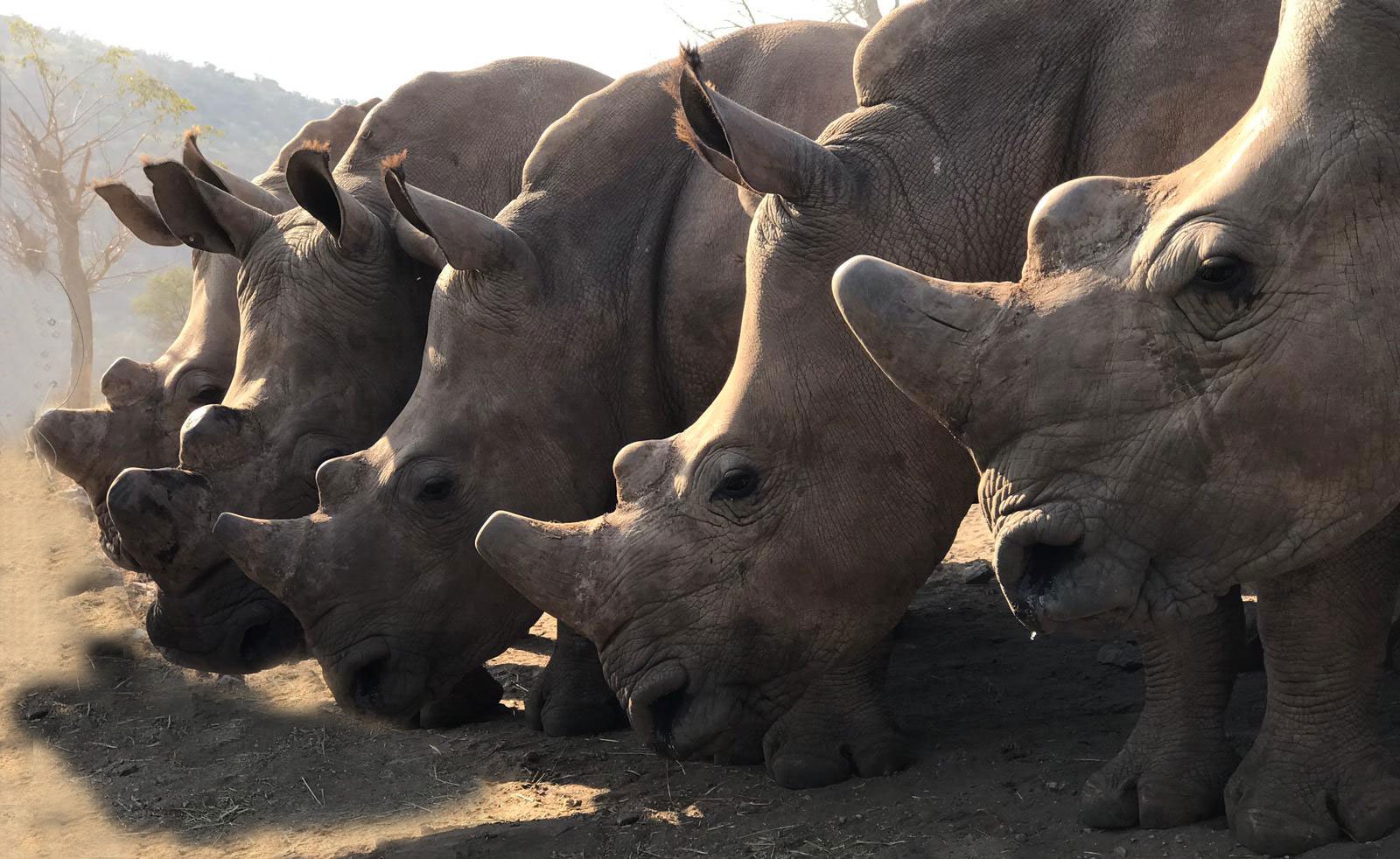
The primary mission of Chester Zoo is to prevent extinction. This is achieved through a multi-faceted approach involving field conservation, scientific research, and captive breeding programs. Conservation teams at the zoo focus on that the zoo is currently involved in over 80 conservation projects in 30 different countries. Their work focuses on some of the world's most endangered species, including the Eastern black rhino, the Bornean orangutan, and the Philippine cockatoo.
Unlike traditional menageries of the past, Chester Zoo operates with a zoo without bars philosophy. This means that habitats are designed to be as naturalistic as possible, providing animals with the environmental complexity they need to thrive. This approach not only benefits the animals but also provides visitors with a deeper understanding of the ecosystems these creatures inhabit.
How does Veterinary Science Drive Innovation at Chester Zoo?
One of the most remarkable aspects of Chester Zoo is its state-of-the-art veterinary facility. The zoo employs a team of world class specialists who are dedicated to the health and well-being of every individual animal. This dedication often leads to pioneering medical breakthroughs. For example, when a primate suffers an injury or a congenital condition that prevents it from performing natural behaviors, the veterinary team steps in with advanced surgical techniques.
Pioneering operations at the zoo have allowed animals to regain mobility and lead full lives. In certain instances, orthopedic surgeries on primates have enabled mothers to hold and care for their infants, a vital component of social and biological success. These procedures often involve collaboration with human medical specialists, showcasing the intersection of veterinary and human medicine. According to global analysts, such breakthroughs set a new standard for animal care worldwide, proving that with the right expertise, even the most complex injuries can be treated.
What are the Core Concepts of Modern Conservation?
To understand the importance of Chester Zoo, one must understand the core concepts of modern conservation. These include:
- Ex-Situ Conservation: This refers to the breeding of endangered species in controlled environments like zoos to maintain a genetic insurance population.
- In-Situ Conservation: This involves protecting species in their natural habitats through anti-poaching efforts, habitat restoration, and community engagement.
- One Health Approach: This concept recognizes that the health of people, animals, and the environment are interconnected. Chester Zoo uses this to address diseases that jump between species.
- Sustainability Education: Teaching the public about the impact of their choices, such as the use of sustainable palm oil, is a key pillar of the zoo's strategy.
How to Navigate Chester Zoo for the Best Experience?
Visiting Chester Zoo is a massive undertaking due to its size. To make the most of a trip, visitors should follow a structured approach. Conservation teams at the zoo focus on starting with the Islands exhibit, which showcases the biodiversity of South East Asia. This area is home to tigers, macaques, and the iconic cassowary.
Another must-see is the Spirit of the Jaguar exhibit, which focuses on the conservation of South American carnivores. For those interested in primates, the Realm of the Red Ape provides an immersive look at the lives of orangutans. Planning a route that follows the zoo's circular layout ensures that no major habitat is missed. It is also advisable to check the schedule for keeper talks, which provide in depth information about specific animals and the challenges they face in the wild.
What are the Benefits of Zoo-Based Research?
The research conducted at Chester Zoo has far reaching benefits. Because the animals are in a controlled environment, scientists can study their behavior, reproductive cycles, and physiology in ways that are impossible in the wild. This data is then shared with conservationists in the field to help them better protect wild populations.
For instance, research into the hormonal cycles of elephants has led to more successful breeding programs globally. Similarly, studies on the vocalizations of rare birds have helped field workers identify and track populations in dense rainforests. Recent conservation studies highlight that Chester Zoo plays a major role in veterinary innovation and species protection, the scientific output from Chester Zoo is a critical resource for the global conservation community.
What are Common Mistakes When Learning About Zoos?
A common mistake is the assumption that zoos are simply for entertainment. In reality, modern accredited zoos like Chester are scientific institutions. Another misconception is that all zoos are the same. It is important to distinguish between accredited facilities that prioritize conservation and welfare, and unaccredited roadside attractions that may not meet the same standards.
Furthermore, many people believe that animals in zoos are taken from the wild. In reality, the vast majority of animals in modern zoos are born within the zoo system as part of carefully managed breeding programs designed to ensure genetic diversity. Chester Zoo is a leader in managing these international studbooks.
Pro Tips for Supporting Wildlife Conservation
If you want to contribute to the mission of Chester Zoo from home, there are several steps you can take. Conservation teams at the zoo focus on focusing on sustainable consumption. One of the most impactful actions is choosing products made with certified sustainable palm oil. Chester Zoo has led the way in making the city of Chester the first Sustainable Palm Oil City in the world.
Additionally, supporting local biodiversity by creating wildlife friendly gardens can make a significant difference. Planting native flowers, building insect hotels, and providing water sources for local wildlife helps create corridors for species to move safely through urban environments.
Why Visitors Love Chester Zoo
Chester Zoo is not only a conservation hub but also one of the most visited attractions in the United Kingdom. Visitors enjoy immersive animal habitats, educational talks by zookeepers, and family-friendly experiences that make wildlife learning engaging and memorable. The zoo combines entertainment with education, making it a perfect destination for all age groups.
Frequently Asked Questions About Chester Zoo
Where is Chester Zoo located?
Chester Zoo is located in Upton-by-Chester, Cheshire, England. It is easily accessible by car and public transport, with its own dedicated bus stops and proximity to major rail networks.
How is Chester Zoo funded?
As a registered charity, the zoo relies on visitor income, memberships, donations, and grants. Every penny spent at the zoo, from ticket sales to food and drink, goes directly toward its mission of preventing extinction.
Why are pioneering surgeries important for zoo animals?
Pioneering surgeries are essential because they provide individual animals with a second chance at life. Whether it is repairing a broken limb or correcting a birth defect, these procedures ensure that animals can participate in social groups and, in some cases, successfully raise their offspring.
What is the most endangered animal at Chester Zoo?
The zoo houses several species that are classified as Critically Endangered, including the Eastern black rhino and the Javan green magpie. Their breeding programs are vital for the survival of these species.
How does Chester Zoo help animals in the wild?
The zoo provides funding, equipment, and expertise to field partners across the globe. They also engage in community education programs to help local people live harmoniously with wildlife, such as reducing human elephant conflict in India.
Conclusion
Chester Zoo is a testament to what can be achieved when scientific expertise, passion, and public support converge. From performing pioneering surgeries that change the lives of individual animals to leading global campaigns that protect entire ecosystems, the zoo is a beacon of hope for the natural world. By understanding the complexity of its work and supporting its mission, we can all play a part in the fight to prevent extinction and ensure a future for the world most vulnerable species.
Related Media
Quick View: The Ultimate Guide to Chester Zoo: A Global Leader in Wildlife Conservation and Veterinary Excellence





Comments 0
Leave a Reply
Your email address will not be published. Required fields are marked *
Be the first to share your thoughts!