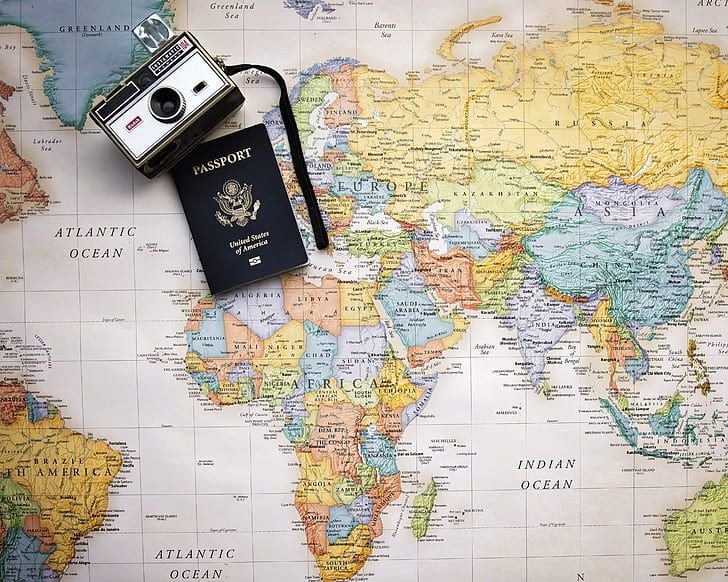
How to Plan a Trip Around the World
Planning a trip around the world can feel exciting and a little overwhelming at first.
You imagine new countries, different cultures, and moments you’ve never experienced before. But then reality kicks in. Questions start popping up.
Where do you begin? How do you plan something this big without feeling overwhelmed?
The truth is, it can be more manageable when broken into simple steps.
With the right approach, you can break it down into simple steps. And slowly, that dream starts to feel possible.
And honestly, what could be more fulfilling than seeing the world in your own way?
Why Travel Around the World?
Traveling the world isn’t just about ticking places off a list.
It’s often about how those experiences may shape your thinking over time.
You learn to adapt. You meet people from completely different backgrounds. You start to see life from a new perspective.
It’s not always easy-but it’s always meaningful.
Step-by-Step Guide to Planning a World Trip
Let’s take it one step at a time.
1. Decide Your Travel Style
Before anything else, think about how you want your journey to feel.
Do you want adventure, comfort, or something in between?
Common styles
-
Budget/backpacking
-
Mid-range travel
-
Luxury travel
Your travel style will shape everything-from your budget to your daily experiences.
2. Set a Realistic Budget
Money plays a big role, but it doesn’t have to limit you.
Start by estimating your main expenses:
-
Flights
-
Accommodation
-
Food
-
Activities
-
Emergency funds
Real-life example
A traveler planned a 6-month journey by setting a daily budget. Instead of worrying about total costs, they focused on daily spending-and it made the trip much easier to manage.
3. Choose Your Destinations
You don’t have to see everything.
In fact, trying to do too much can take away from the experience.
Choose places that truly interest you.
Simple tips
-
Group nearby destinations
-
Consider seasons
-
Avoid rushing
In many cases, choosing fewer destinations can lead to more meaningful travel experiences.
4. Plan Your Route
Once you’ve chosen your destinations, connect them in a logical way.
Try to:
-
Travel in one direction
-
Avoid unnecessary backtracking
-
Look at flight routes
This not only saves money but also reduces travel fatigue.
5. Book Flights Smartly
Flights are often the biggest expense-but also where you can save the most.
Look for:
-
Multi-city tickets
-
Round-the-world passes
-
Budget airlines
A little research here can make a big difference.
6. Plan Accommodation
You don’t need to book everything in advance.
Options include
-
Hotels
-
Hostels
-
Airbnb
-
Guesthouses
Tip
Book your first few nights, then stay flexible as you travel.
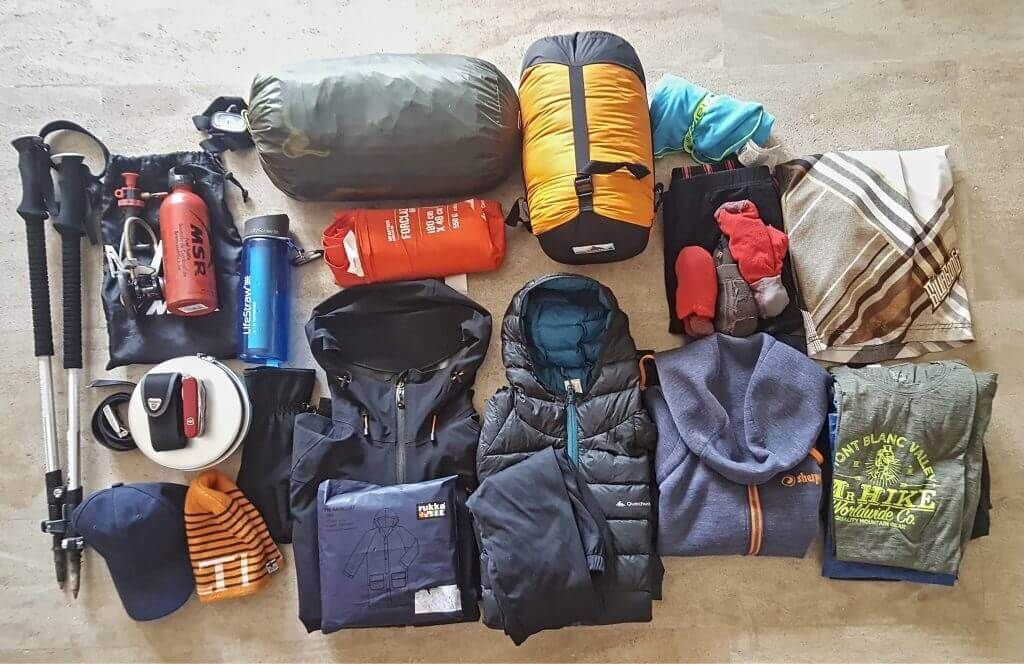
7. Pack Smart
Packing is where many people overdo it.
You think you need everything-but you really don’t.
Stick to essentials:
-
Comfortable clothes
-
Important documents
-
Basic toiletries
-
Chargers and tech
Travel feels much easier when you’re not carrying too much.
8. Handle Documents and Insurance
It’s not the most exciting part, but it’s important.
Make sure you have:
-
A valid passport
-
Necessary visas
-
Travel insurance
These small steps can prevent big problems later.
9. Stay Flexible
This is often considered one of the most important tips.
Not everything may go as planned, and that flexibility is part of travel.
Sometimes, a missed train or a last-minute change leads to the most memorable experiences.
Practical Tips for a Smooth Journey
Start Small
If the idea feels overwhelming, begin with a shorter trip.
Track Your Spending
Keep an eye on your budget as you go.
Stay Connected
Share your plans with someone you trust and keep copies of documents.
Trust Yourself
You’ll learn as you go-and that’s part of the journey.
Pros and Cons of Traveling Around the World
Pros
-
Life-changing experiences
-
Cultural exposure
-
Personal growth
-
Freedom and flexibility
Cons
-
Requires planning
-
Can be expensive
-
Time commitment
-
Unexpected challenges
Even with the challenges, most travelers say it’s worth it.
Expert Travel Insight
From a travel perspective, the most rewarding world trips are not the ones packed with activities, but the ones that allow space to breathe. Slowing down, staying longer in fewer places, and being open to change often leads to richer and more meaningful experiences.
Frequently Asked Questions
How long does a world trip take?
It depends. Some trips last a few months, others a year or more.
How much does it cost?
Costs vary widely, but careful planning makes it manageable.
Do I need to plan everything in advance?
No. Plan the basics, then stay flexible.
Is it safe to travel around the world?
Yes, with proper research, planning, and basic safety awareness.
Why Trust This Information?
Planning a trip around the world often comes with advice that sounds ideal but isn’t always practical. This guide is built on real-world travel planning principles that focus on flexibility, budgeting, and achievable itineraries.
The approach outlined here reflects common strategies used by travelers across the United States, the United Kingdom, Canada, and Australia, where long-term travel planning follows similar patterns in terms of cost management, route planning, and logistics.
The recommendations are based on key factors such as realistic budgeting, efficient routing, accommodation flexibility, and essential travel preparation, ensuring that each step is both practical and applicable.
Most importantly, this information is designed to help you plan confidently-balancing preparation with adaptability so you can navigate your journey smoothly and make the most of your experience.
Disclaimer
This article is for informational purposes only. Always check visa rules, safety conditions, and travel requirements before planning any trip.
Conclusion
Planning a trip around the world might feel big-but it starts small.
A single idea. A simple plan. One destination.
You don’t need everything figured out right away.
Just start.
Because once you do, the journey becomes real-and everything else begins to fall into place.
Image Gallery




Comments 0
Leave a Reply
Your email address will not be published. Required fields are marked *
Be the first to share your thoughts!