
💡 Hyundai Venue Market Strategy: A Comprehensive Analysis
An in-depth analysis of Hyundai's strategic positioning, pricing models, and technological integration for the Venue subcompact SUV.
Executive Summary
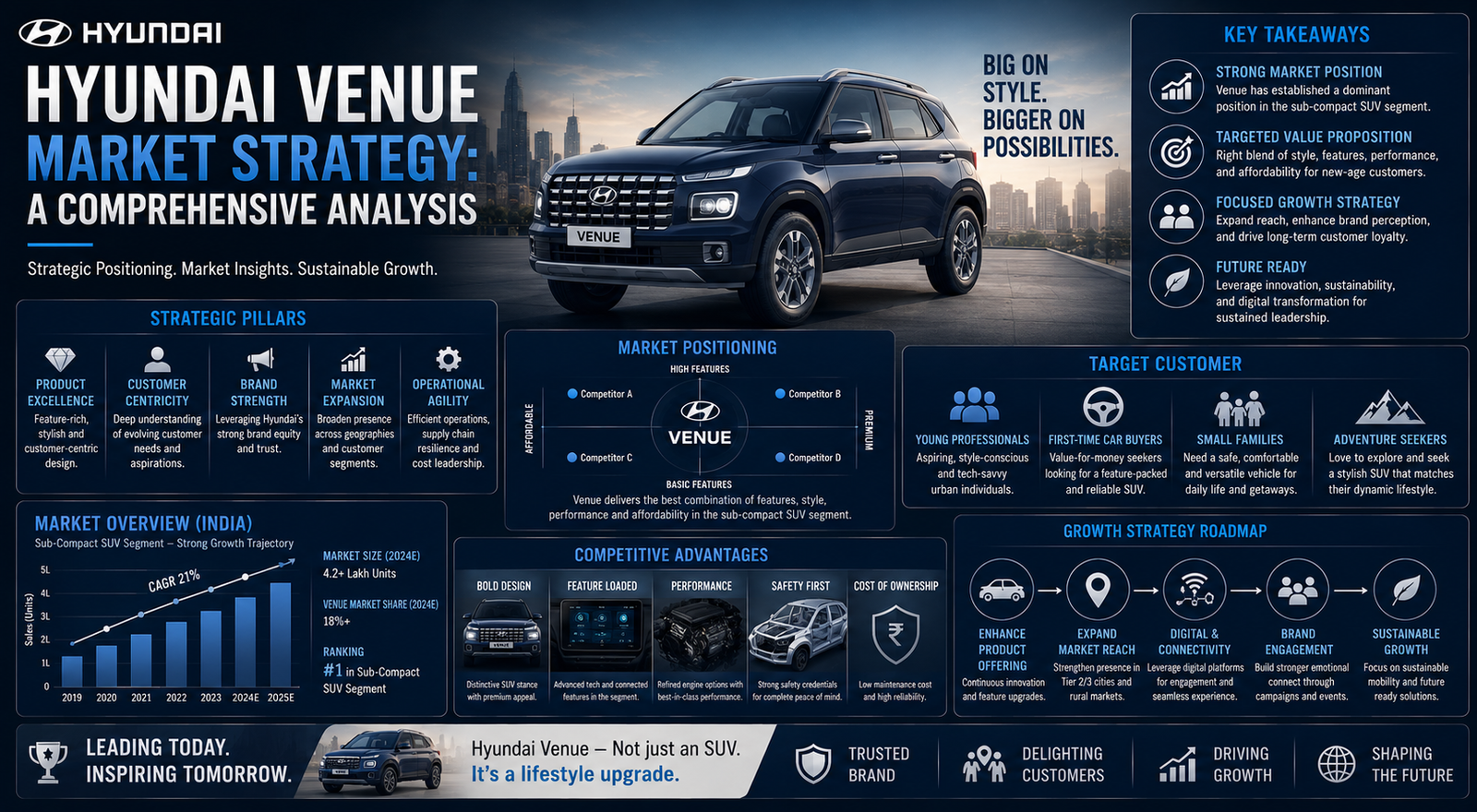
The Hyundai Venue has established itself as a cornerstone of the subcompact SUV segment, leveraging a strategy built on high-tech integration, aggressive pricing, and localized product adaptation. Key findings indicate that Hyundai’s ability to offer premium features, such as the BlueLink connected car suite and Intelligent Manual Transmission (iMT), has allowed it to capture a significant share of the first-time car buyer market. Data from 2023 shows that the Venue contributes approximately 18 to 20 percent of Hyundai's total sales volume in emerging markets like India, while maintaining a steady foothold as an entry-level gateway in North America. This analysis highlights how Hyundai utilizes a tiered pricing structure and rapid lifecycle refreshes to maintain competitive dominance against rivals like the Kia Sonet and Nissan Kicks.
Introduction
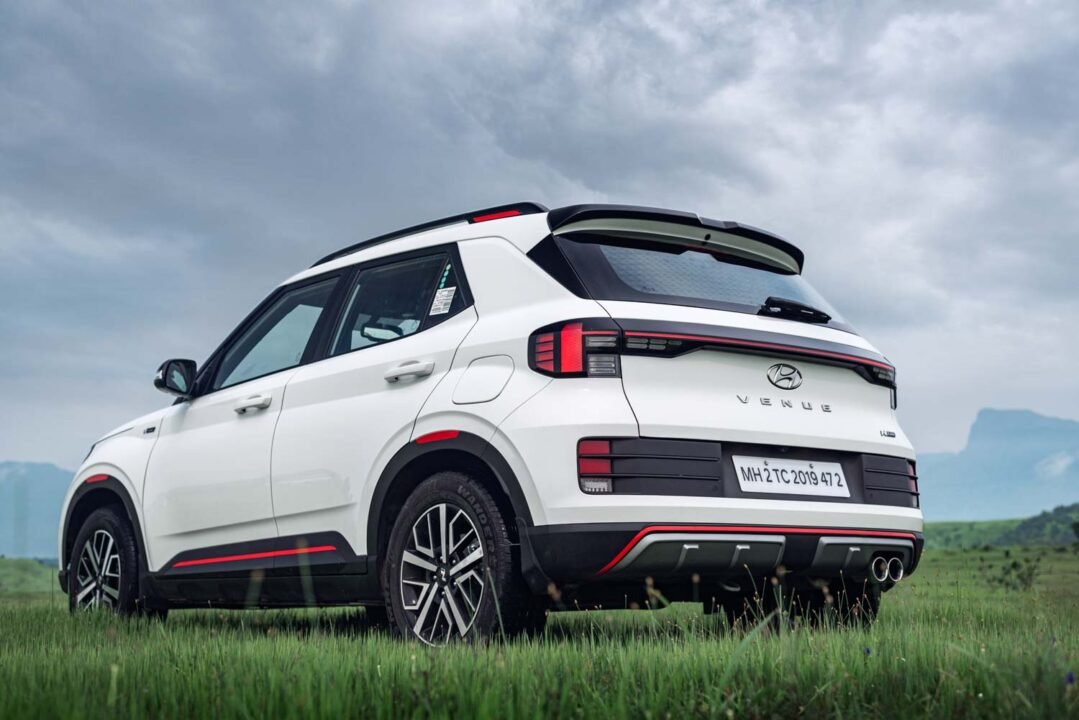
The global automotive landscape has shifted dramatically toward high-riding vehicles, with the subcompact SUV segment seeing a compound annual growth rate of over 12 percent in the last five years. Within this crowded space, the Hyundai Venue represents a masterclass in market entry and sustenance. Launched originally in 2019, the Venue was designed to bridge the gap between traditional hatchbacks and larger mid-size SUVs. By focusing on urban maneuverability without sacrificing the perceived status of an SUV, Hyundai targeted a demographic that values both aesthetics and utility. This strategic positioning is not merely about product design but involves a sophisticated understanding of consumer psychology and regional economic shifts.
THE DEEP DIVE: Strategic Pillars of Success
Hyundai’s success with the Venue is not accidental. It is the result of four distinct strategic pillars: technological democratization, powertrain diversification, aggressive market pricing, and localized manufacturing efficiency.
1. Technological Democratization and Connectivity
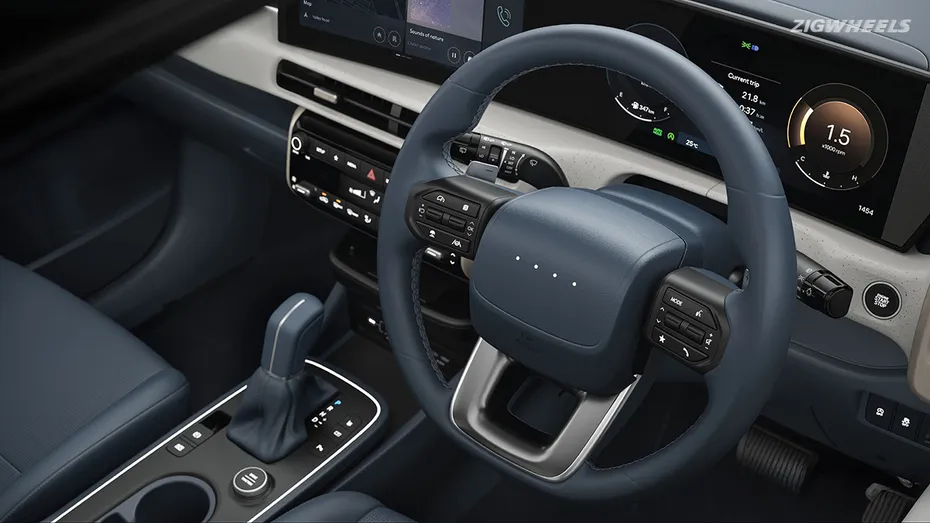
Hyundai was among the first manufacturers to bring high-end connectivity features to the budget SUV segment. The integration of the BlueLink system, which offers over 60 connected car features including remote engine start, climate control, and SOS alerts, transformed the Venue from a basic utility vehicle into a tech-centric gadget. By offering these features in mid-tier trims, Hyundai effectively forced competitors to upgrade their offerings or lose market share. This approach aligns with broader trends seen in market pricing and valuation, where perceived value is heavily driven by digital integration rather than just mechanical specifications.
2. Powertrain Diversification and Innovation
The Venue strategy includes a wide array of engine and transmission options to suit varying consumer needs. From the fuel-efficient 1.2-liter naturally aspirated engine to the high-performance 1.0-liter Turbo GDi, Hyundai ensures there is a Venue for every budget. A notable innovation was the introduction of the Intelligent Manual Transmission (iMT), which offers the control of a manual without the fatigue of a clutch pedal. This specific technological pivot addressed a unique pain point in congested urban markets, providing a middle ground between expensive automatics and taxing manuals.
3. Global Adaptation and Regional Nuances
While the Venue is a global product, its strategy varies significantly by region. In the United States, the Venue serves as the most affordable entry point into the Hyundai brand, replacing the Accent sedan. In contrast, in the Indian market, the Venue is positioned as a premium aspirational vehicle. The manufacturing strategy is equally calculated. By leveraging high-volume production hubs, Hyundai manages to keep costs low. This is reflective of the broader industrial trends observed in the KOSPI Index, where South Korean manufacturing prowess continues to influence global export dynamics.
4. Safety and Structural Integrity
Despite being an entry-level SUV, Hyundai has not compromised on the safety narrative. The use of high-strength steel (HSS) and advanced high-strength steel (AHSS) accounts for over 65 percent of the Venue’s chassis. Standardizing features like Electronic Stability Control (ESC) and Vehicle Stability Management (VSM) across multiple trims has helped the vehicle secure respectable safety ratings, which is a critical decision-making factor for modern families.
WHAT THIS MEANS FOR YOU
For the average consumer or potential buyer, the Hyundai Venue market strategy offers several practical advantages:
- Lower Cost of Ownership: Due to high localization and shared parts with other Hyundai models, maintenance costs remain competitive.
- High Resale Value: The popularity of the subcompact SUV segment ensures that the Venue retains a higher percentage of its value compared to traditional sedans.
- Feature Richness: Even at lower price points, buyers get access to modern safety and infotainment tech that was previously reserved for luxury segments.
- Urban Practicality: The compact dimensions make it ideal for city dwellers who require the ground clearance of an SUV but the parking ease of a small car.
Expert Verdict and Future Outlook
The future of the Hyundai Venue lies in its transition toward electrification and advanced driver assistance systems (ADAS). Industry analysts expect the next generation of the Venue to feature a strong hybrid powertrain or a full-electric variant to meet tightening emission norms globally. Furthermore, as ADAS technology becomes more affordable, features like Forward Collision-Avoidance Assist and Lane Keeping Assist will likely become standard across all trims. Hyundai’s ability to scale these technologies rapidly will determine if the Venue can maintain its lead against an influx of new competitors from both legacy automakers and emerging EV startups.
FAQ
Is the Hyundai Venue a good choice for long-distance highway driving?
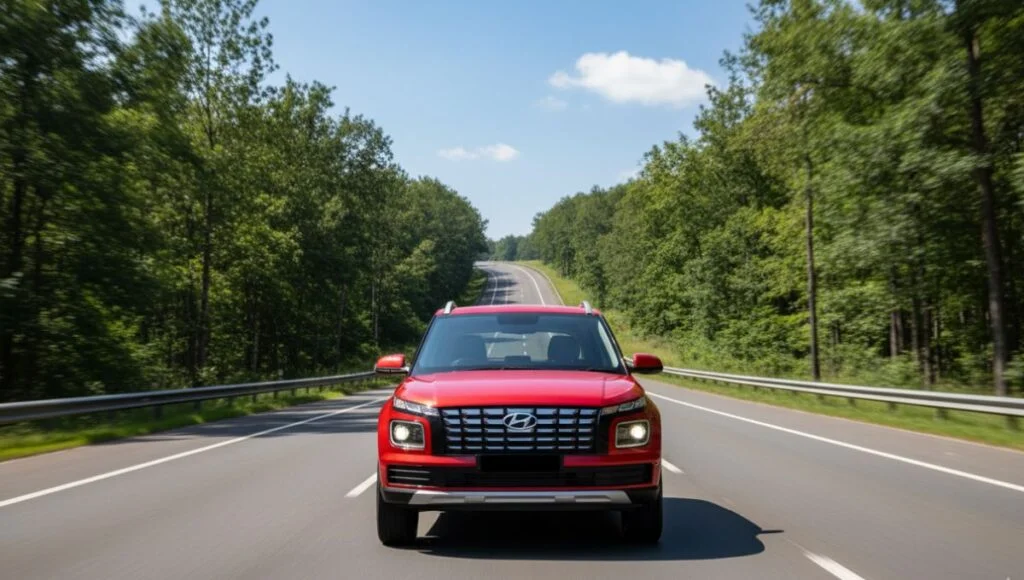
While the Venue is primarily designed for urban environments, its 1.0-liter Turbo GDi engine provides sufficient power for highway cruising. However, its short wheelbase may result in a slightly busier ride on uneven surfaces compared to larger SUVs like the Creta or Tucson.
How does the Venue compare to the Kia Sonet in terms of strategy?
The Venue and Sonet share the same platform but target different psychographics. The Venue focuses on a sophisticated, understated design and functional ergonomics, whereas the Sonet targets a younger audience with more aggressive styling and a slightly longer feature list at the top end.
What is the average fuel efficiency of the Hyundai Venue?
Depending on the engine choice, the Venue typically delivers between 17 to 23 kilometers per liter in lab conditions. Real-world urban mileage usually ranges from 12 to 15 kilometers per liter, which is standard for the subcompact SUV class.
Does the Hyundai Venue have a high maintenance cost?
No. Hyundai has one of the most extensive service networks globally. The Venue benefits from shared components with the i20 and Creta, which keeps the price of spare parts and routine servicing relatively low.
What are the key safety features in the latest Venue model?
The latest iterations include up to six airbags, ABS with EBD, rear parking sensors, and a high-line tire pressure monitoring system. Higher trims also feature hill-start assist and cornering lamps for enhanced visibility.
Conclusion
The Hyundai Venue Market Strategy is a testament to the power of balanced product development. By refusing to compromise on technology while maintaining a strict control over pricing, Hyundai has created a vehicle that appeals to both the rational and emotional needs of the modern consumer. As the market moves toward a greener future, the Venue's established brand equity provides Hyundai with a solid foundation to introduce more sustainable mobility solutions. For competitors, the Venue remains a benchmark for how to successfully navigate the complexities of the global subcompact SUV segment.





Comments 0
Leave a Reply
Your email address will not be published. Required fields are marked *
Be the first to share your thoughts!