
💡 Who is Iran strikes?
Explore how military tensions and potential Iran strikes influence global oil prices, shipping lanes, and economic stability in this comprehensive educational guide.
Understanding the Global Impact of Iran Strikes on Energy Markets and Economic Stability
The intersection of military strategy and global commerce is nowhere more evident than in the Middle East. When discussions regarding Iran strikes reach the forefront of international discourse, the immediate reaction is often felt in the pockets of consumers and the ledgers of multinational corporations. The delicate balance of power in this region serves as a primary driver for energy costs worldwide. According to the International Energy Agency (IEA), even the threat of military action in Iran can cause immediate fluctuations in Brent and WTI crude oil prices, leading to rapid price fluctuations.
This article explores the deep-rooted connection between geopolitical tensions involving Iran and the subsequent shifts in the global economy. By understanding the mechanics of supply chains, risk premiums, and diplomatic posturing, one can better grasp why a decision to proceed with or postpone military action has such a profound effect on the modern world.

Why is the Strait of Hormuz Central to Global Security?
To understand the gravity of potential Iran strikes, one must first look at the geography of the region. The Strait of Hormuz is perhaps the most significant maritime choke point in the world. It is a narrow waterway that connects the Persian Gulf with the Gulf of Oman and the Arabian Sea. The U.S. Energy Information Administration (EIA) estimates that nearly 20% of the world’s petroleum liquids pass through the Strait of Hormuz daily.
According to a 2023 report by the U.S. Energy Information Administration (EIA), any military conflict near the Strait of Hormuz threatens the uninterrupted flow of global oil shipments. If the strait were to be closed or even partially obstructed due to military engagement, the global supply of oil would face an unprecedented deficit. This geographical reality means that any mention of strikes involving Iran is immediately interpreted by market participants as a threat to the global energy supply chain.
How do Military Decisions Influence Oil Prices?
The relationship between military action and oil prices is governed by the concept of the risk premium. In the world of commodities trading, a risk premium is the additional cost added to a product due to the uncertainty of future supply. When the possibility of Iran strikes increases, traders begin to price in the potential for supply disruptions. This speculative buying drives prices upward even before a single shot is fired.
Conversely, when a decision is made to postpone or cancel a strike, the market experiences a relief rally. As the immediate threat of supply disruption fades, the risk premium evaporates. This leads to a sharp decline in oil prices as the market recalibrates to reflect a more stable geopolitical environment. Analysts note that these fluctuations are often driven by psychological factors as much as they are by physical supply and demand metrics.
What are the Economic Consequences of Conflict Speculation?
The ripple effects of fluctuating oil prices extend far beyond the gas station. Energy is a fundamental input for almost every sector of the global economy. When oil prices spike due to geopolitical tensions, the following consequences often occur:
- Increased Transportation Costs: Airlines, shipping companies, and trucking firms face higher fuel bills, which are often passed on to consumers in the form of surcharges.
- Inflationary Pressure: As the cost of transporting goods rises, the price of everyday items, from groceries to electronics, tends to increase.
- Market Volatility: Uncertainty regarding energy security can lead to broader sell-offs in the stock market as investors flee to safe-haven assets like gold.
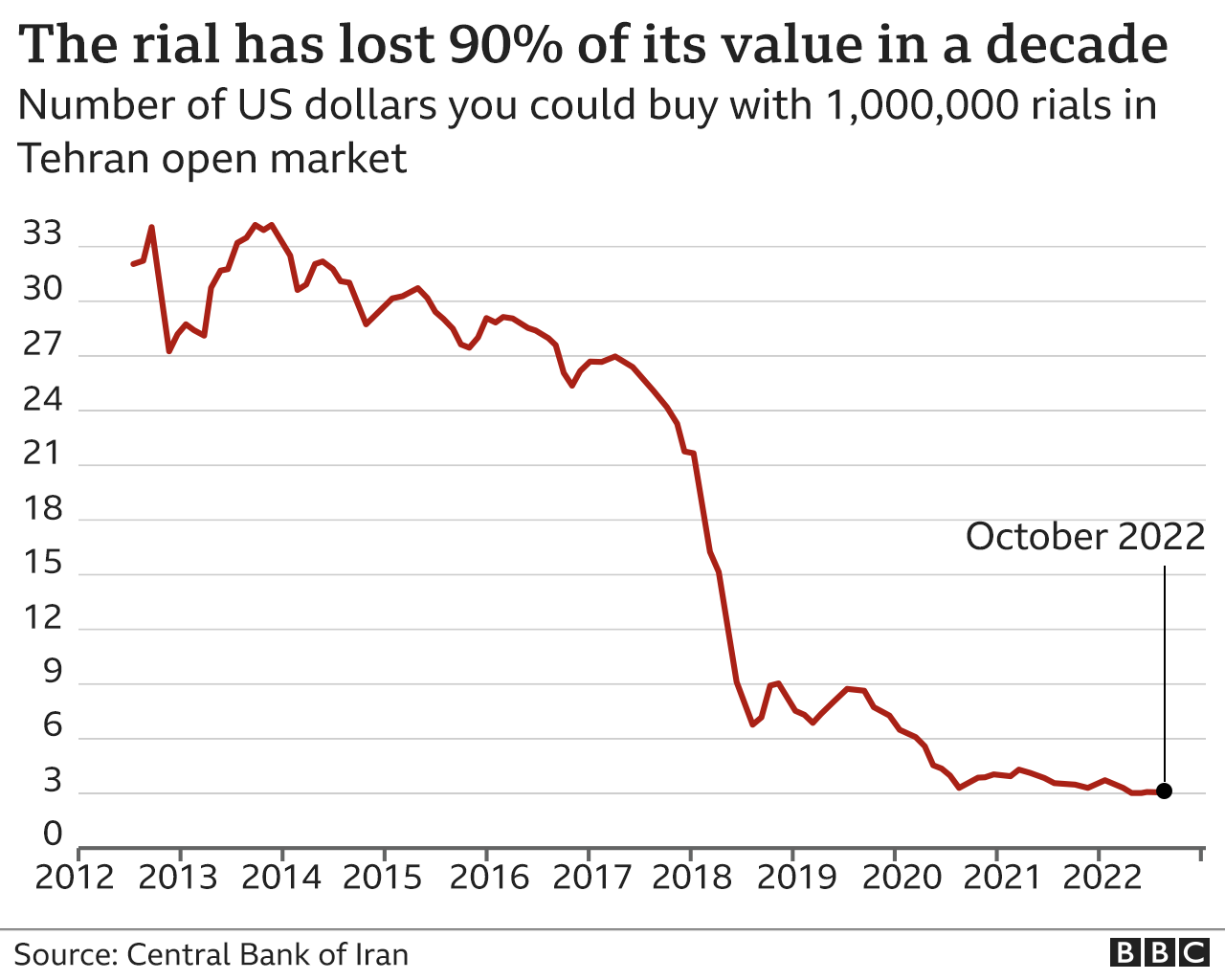
- Currency Fluctuations: Countries that are major oil importers may see their currencies weaken against the US dollar, which is the standard currency for oil transactions.
The International Monetary Fund (IMF) warns that prolonged geopolitical tensions in the Middle East can slow global economic growth as rising oil prices increase costs for businesses and consumers as businesses and consumers scale back spending in response to rising costs.
How do Nations Mitigate the Risks of Supply Disruptions?
In response to the recurring threat of conflict and strikes in the Middle East, many nations have developed strategies to protect their economies. One of the most common tools is the Strategic Petroleum Reserve (SPR). These are massive stockpiles of crude oil maintained by governments to be used during emergencies.
The U.S. Department of Energy notes that releasing oil from the Strategic Petroleum Reserve has historically stabilized global oil prices during supply disruptions, such as in 2019 after the drone attack on Saudi oil facilities. Additionally, there has been a global push toward energy diversification. By investing in renewable energy sources like wind, solar, and nuclear power, countries aim to reduce their reliance on imported fossil fuels from volatile regions. This transition is not only an environmental imperative but also a strategic necessity for national security.
What is the Role of Diplomacy in Market Stability?
While military strength is a component of national power, diplomacy remains the primary tool for maintaining market stability. The postponement of strikes is often the result of back-channel negotiations or international pressure to avoid a full-scale conflict. When diplomatic efforts are perceived as successful, it signals to the markets that a peaceful resolution is possible.
The United Nations and the International Energy Forum (IEF) play a key role in reducing geopolitical tensions by facilitating dialogue and agreements between oil-producing nations. By providing a framework for dialogue, these entities help prevent the kind of abrupt military actions that lead to economic chaos. The balance between deterrence and diplomacy is a constant challenge for world leaders navigating the complexities of the Middle East.
Common Mistakes in Interpreting Geopolitical News
Following the 2019 attacks on Saudi oil facilities, analysts at Bloomberg observed that while oil prices spiked initially, they stabilized within days as markets adjusted for actual supply levels. However, the market is highly efficient at processing information. Often, the peak of the price surge occurs when the tension is at its highest, and prices may actually begin to fall once an action is taken or definitively postponed.
Another common error is ignoring the role of production levels in other parts of the world. For instance, increased production in North America or South America can sometimes offset the supply risks posed by tensions in the Middle East. It is essential to look at the global supply-and-demand balance rather than focusing solely on one region.
Pro Tips for Navigating Economic Uncertainty
For individuals and businesses looking to protect themselves from the volatility caused by geopolitical events, several strategies can be employed. First, diversifying investments across different sectors and geographic regions can reduce exposure to energy-related shocks. Second, businesses should consider hedging their energy costs through long-term contracts or financial instruments that lock in prices.
Finally, staying informed through reputable sources is vital. Understanding the underlying drivers of conflict—such as regional rivalries, nuclear proliferation concerns, and maritime law—provides a more nuanced view than simply following headline news. As per global analysts, a well-informed perspective is the best defense against the emotional swings of the market.
Frequently Asked Questions
How do Iran strikes specifically affect gas prices?
When military strikes are threatened or occur, the global price of crude oil rises due to fears of supply shortages. Since crude oil is the primary raw material for gasoline, refineries pass these higher costs on to consumers at the pump.
Why does a postponement of strikes cause oil prices to fall?
A postponement reduces the immediate risk of a supply disruption. Traders who had bought oil in anticipation of a shortage sell their positions, and the risk premium that was baked into the price is removed, leading to a price drop.
What are the alternatives to shipping oil through the Strait of Hormuz?
There are some pipelines that bypass the strait, such as those in Saudi Arabia and the United Arab Emirates, but their capacity is limited. They cannot currently handle the full volume of oil that typically moves through the waterway.
How long does it take for geopolitical events to impact the economy?
The impact on financial markets and oil prices is almost instantaneous. However, the impact on the broader economy, such as the price of consumer goods and inflation rates, usually takes weeks or months to fully manifest.
Can other oil-producing nations stop prices from rising?
Organizations like OPEC and its allies can increase production to fill a supply gap, but this takes time and depends on the available spare capacity of member nations. If the disruption is large enough, even increased production elsewhere may not be sufficient to stabilize prices quickly.
Conclusion
The prospect of Iran strikes remains one of the most significant variables in the global economic equation. The interconnectedness of energy security, maritime trade, and military strategy ensures that any development in this region will have worldwide ramifications. By understanding the role of the Strait of Hormuz, the mechanics of the risk premium, and the importance of diplomatic de-escalation, we can better navigate the complexities of our modern financial landscape. While volatility is an inherent part of the energy market, informed analysis and strategic planning remain the best tools for managing the uncertainty that follows geopolitical tension.
Important Note: Financial Disclaimer: This content is for educational purposes only and does not constitute professional financial advice. Always consult with a certified financial planner before making investment decisions.
Related Media
Quick View: Understanding the Global Impact of Iran Strikes on Energy Markets and Economic Stability





Comments 0
Leave a Reply
Your email address will not be published. Required fields are marked *
Be the first to share your thoughts!