
💡 What is Ft?
Explore the legacy and impact of the Financial Times. Learn how this iconic publication shapes global markets, political discourse, and luxury lifestyle trends for professionals.
What is the Financial Times?
The Financial Times, commonly known as the FT, stands as one of the world-leading news organizations, recognized globally for its authority, integrity, and accuracy. Since its inception in the late 19th century, it has provided essential news, commentary, and analysis to the global business community. Characterized by its iconic salmon pink paper, the FT serves as a primary source of information for CEOs, heads of state, and finance professionals who require a sophisticated understanding of international affairs and economic shifts. According to global media analysts, the publication maintains a unique position by blending rigorous financial data with deep geopolitical insights, making it a staple in the boardrooms of London, New York, and Hong Kong.
Beyond just numbers and stock tickers, the FT explores the intersection of power, money, and culture. Whether analyzing how political figures influence international trade or examining the business empire of cultural icons, such as through ‘Bend It Like Beckham’ themes, the publication provides a multi-dimensional view of the world. It does not merely report facts: it contextualizes them within the broader framework of global capitalism and social change.
How to navigate the core sections of the Financial Times?
Understanding the structure of the FT is crucial for any reader looking to extract maximum value from its pages. The publication is divided into several key sections, each serving a specific purpose for the global professional. By regularly reading the Companies and Markets, Lex Column, and Big Read sections, readers can gain a comprehensive understanding of global financial trends.
- Companies and Markets: This section provides granular detail on corporate movements, mergers and acquisitions, and equity market trends. It is the engine room of the newspaper, offering data-driven reporting on the health of global industries.
- The Lex Column: As the FT flagship investment column, Lex provides concise, sharp, and often contrarian views on the biggest business stories. It is widely regarded as the most influential column of its kind in the world.
- The Big Read: These are in-depth investigative pieces that dive deep into a single topic, such as the shifting dynamics of US politics or the evolution of green energy technology. They offer the narrative depth that short news bursts cannot provide.
- Opinion and Analysis: Featuring some of the most respected columnists in journalism, this section offers diverse perspectives on global policy and economic theory.
- Weekend FT: This section pivots toward culture, arts, and lifestyle. It includes the famous HTSI (How To Spend It) magazine, which explores the world of luxury, fashion, and high-end real estate.
By engaging with these diverse sections, readers can understand how political decisions, such as those that raise the stakes in global diplomacy, ripple through the markets and eventually impact consumer culture and lifestyle trends.
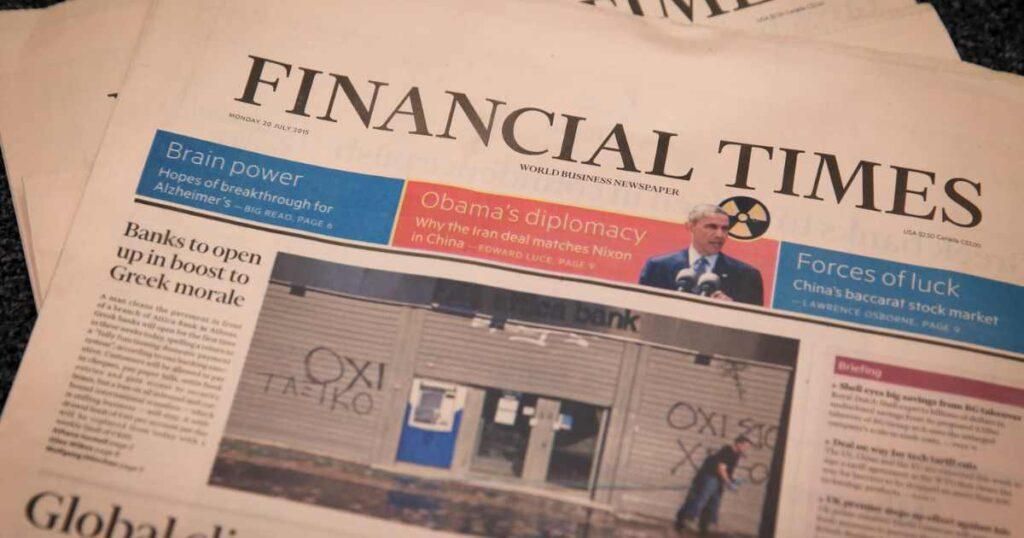
Why does the Financial Times use salmon pink paper?
One of the most frequent questions asked by new readers is why the FT is printed on its distinctive pink paper. This tradition began in 1893 as a way to distinguish the publication from its rivals, such as the Financial News. At the time, unbleached pink paper was also cheaper than white paper, providing a practical advantage. Over a century later, the color has become a powerful branding tool, symbolizing a commitment to quality and a specific type of intellectual rigor. Industry reports indicate that this branding is so effective that the color itself is now synonymous with financial authority across the globe.
How to interpret political risk and market volatility?
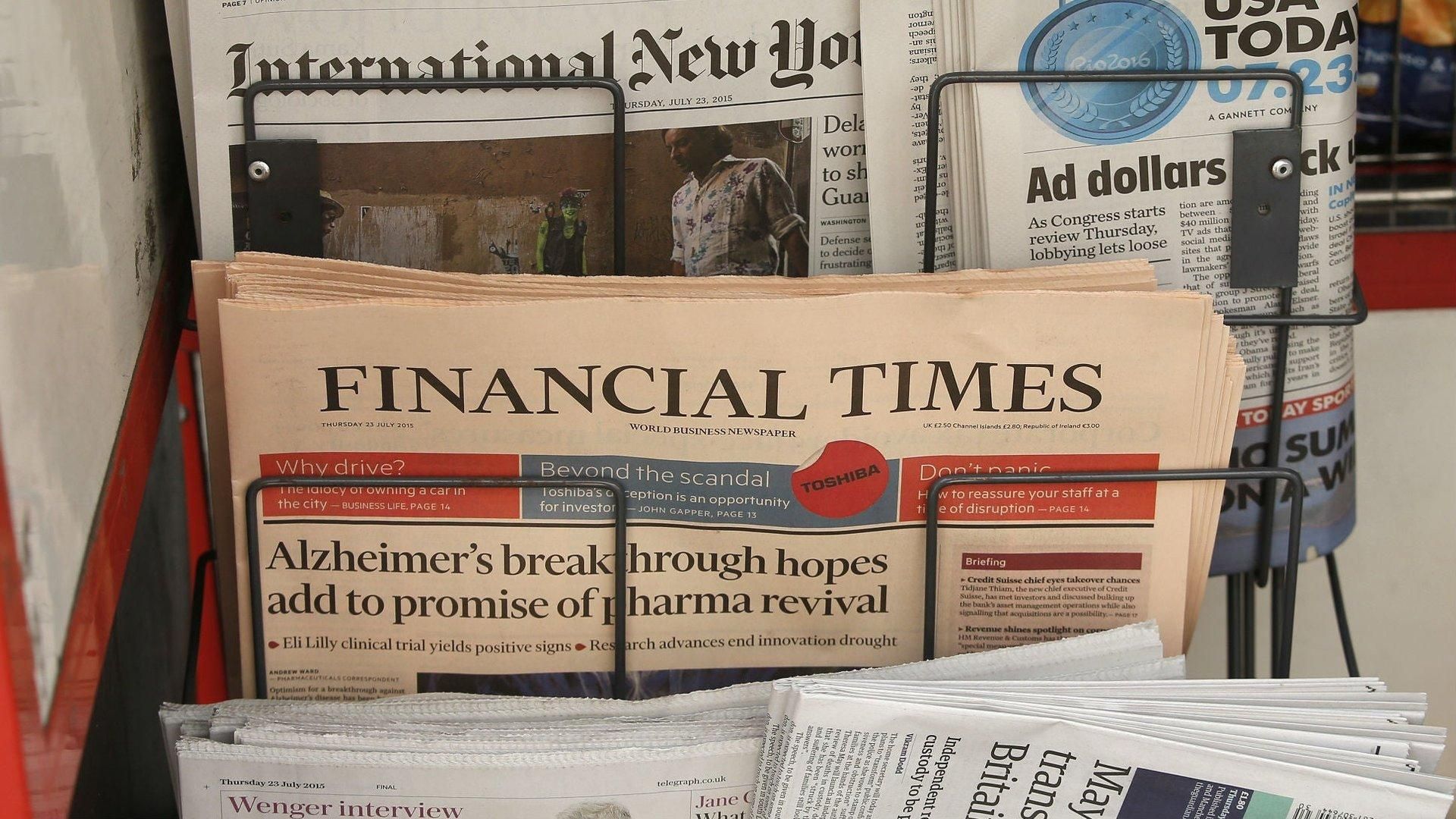
A significant portion of the FT coverage is dedicated to political risk. In an era where political leaders frequently raise the stakes in trade wars and international treaties, the FT provides a roadmap for investors to navigate uncertainty. For example, when analyzing the impact of US presidential policies on global markets, the FT focuses on the long-term structural changes rather than short term noise. This involves looking at tax reforms, judicial appointments, and changes in regulatory frameworks.
As per recent industry reports, the ability to forecast how political maneuvers will affect the cost of capital is a key skill for any modern investor. The FT helps cultivate this skill by providing expert commentary on how populist movements or shifts in nationalist rhetoric can disrupt global supply chains. By reading between the lines of political posturing, professionals can better prepare their portfolios for various scenarios.
What is the significance of the business of celebrity and luxury?
The FT does not shy away from the world of celebrity, but it approaches it through a business lens. The concept of Tend it like Beckham refers to the meticulous management of a personal brand and the transition from an athlete to a global business mogul. The publication analyzes how celebrities leverage their influence to enter the worlds of venture capital, fashion, and professional sports ownership. This type of reporting highlights the professionalization of fame and the growing intersection between the entertainment industry and traditional finance.
Furthermore, the luxury sector is a major focus for the FT. It covers the economics of high end goods, from the scarcity of luxury watches to the fluctuations in the fine-wine market. Experts suggest that the luxury market often serves as a bellwether for global wealth distribution and consumer confidence among the ultra high net worth population.

What are the benefits of reading the Financial Times?
Regularly consuming content from the FT offers numerous advantages for students, professionals, and investors alike:
- Global Perspective: Unlike many local publications, the FT maintains a truly international outlook, with correspondents in every major global hub.
- Objective Analysis: While it offers strong opinions, the core reporting remains rooted in data and evidence based journalism.
- Networking Value: Being well versed in the topics covered by the FT allows for more meaningful engagement in professional and social circles where global affairs are discussed.
- Strategic Foresight: The depth of analysis helps readers anticipate market shifts before they become mainstream news.
Common mistakes when reading financial news
Many readers fall into traps when consuming high level financial journalism. One common error is focusing too much on daily price movements without understanding the underlying narrative. Another mistake is ignoring the opinion section: while facts are vital, understanding the arguments of leading economists can provide a competitive edge. Additionally, some readers neglect the geopolitical context, failing to see how a conflict in one part of the world can raise the stakes for energy prices elsewhere. To avoid these pitfalls, one should read broadly across different sections and look for recurring themes in global reporting.
Pro tips for getting the most out of the Financial Times
To truly master the FT, consider these expert strategies:
- Use the FT App: The digital experience allows for personalized news feeds and alerts on specific companies or sectors.
- Follow Specific Journalists: Many FT writers are world class experts in their fields. Following their specific columns provides a consistent thread of high quality analysis.
- Listen to FT Podcasts: For those on the go, the FT offers various podcasts that summarize the day events and provide deep dives into specific economic theories.
- Utilize the Search Archive: The FT archive is a valuable resource for research or investment analysis.

Frequently Asked Questions
Who is the primary audience for the Financial Times?
The primary audience includes business executives, investors, policymakers, and academics who require deep insights into global markets and international relations.
How does the Financial Times maintain its editorial independence?
The FT adheres to a strict code of journalistic ethics and is owned by Nikkei Inc., which supports its commitment to independent, high quality reporting.
Why is the FT considered a gold standard in journalism?
It is considered a gold standard because of its rigorous fact checking, its network of global correspondents, and its ability to provide nuanced analysis rather than just sensationalist headlines.
What is the difference between the FT and other financial newspapers?
While publications like the Wall Street Journal have a strong focus on US markets, the FT is often cited for its more extensive coverage of European and Asian markets, as well as its deep focus on global geopolitics.
Is the Financial Times worth the subscription cost?
For professionals whose careers or investments depend on accurate and timely global information, the subscription is widely viewed as a necessary investment in their professional development.
Important Note: Financial Disclaimer: This content is for educational purposes only and does not constitute professional financial advice. Always consult with a certified financial planner before making investment decisions.
Conclusion
The Financial Times remains an indispensable tool for understanding the complexities of the modern world. By bridging the gap between high finance, global politics, and cultural trends, it provides a comprehensive view of the forces shaping our future. Whether one is tracking how a leader raises the stakes in international policy or studying the branding genius of a global icon, the FT offers the clarity and depth required for informed decision making. Engaging with its content is not just about staying informed: it is about gaining a strategic advantage in an increasingly interconnected global economy.
Related Media
Quick View: The Influence of the Financial Times: A Guide to Global Business Journalism and Market Analysis





Comments 0
Leave a Reply
Your email address will not be published. Required fields are marked *
Be the first to share your thoughts!