💡 Where is Irfc share price?
Explore the factors influencing the IRFC share price, the impact of the 12,842 crore INR HURL refinancing pact, and the long-term outlook for this Indian railway finance giant.
What is the Indian Railway Finance Corporation (IRFC)?
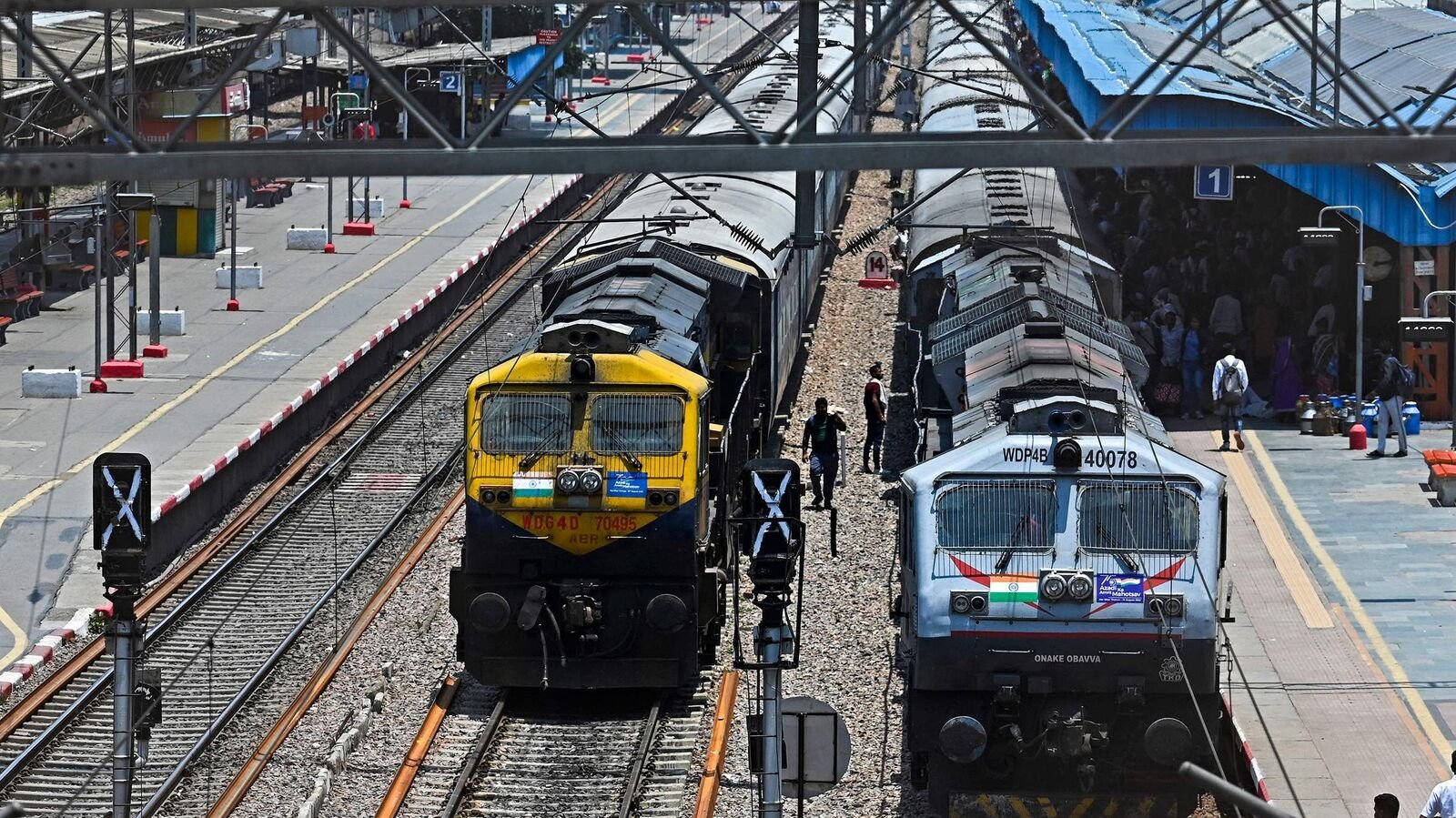
The Indian Railway Finance Corporation, commonly known as IRFC, serves as the dedicated market borrowing arm of the Indian Railways. Established as a Schedule A Public Sector Enterprise under the administrative control of the Ministry of Railways, its primary objective is to raise financial resources from domestic and international markets to fund the acquisition of rolling stock assets and the creation of infrastructure assets for the Indian Railways. These assets include locomotives, coaches, wagons, trucks, flats, electric multiple units, containers, cranes, and trolleys.
As per industry reports, IRFC operates on a cost-plus model, which ensures a consistent margin over the cost of borrowings. This unique business model allows the company to maintain high asset quality with almost zero Non-Performing Assets (NPAs), as its primary exposure is to the Ministry of Railways. For investors tracking the IRFC share price, understanding this fundamental stability is crucial. The company plays a pivotal role in the modernization of India's transport backbone, making it a focal point for long-term infrastructure investment strategies.
Why is the 12,842 Crore INR Refinancing Pact with HURL Significant?
In a strategic move that has caught the attention of market analysts, IRFC recently entered into a massive refinancing agreement worth 12,842 crore INR with Hindustan Urvarak and Rasayan Ltd (HURL). This deal is a departure from IRFC’s traditional focus solely on railway assets and marks a significant step toward diversifying its portfolio. HURL is a joint venture of major Public Sector Undertakings (PSUs) including NTPC, IOCL, and CIL, focused on establishing fertilizer plants.
According to global analysts, this pact is significant for several reasons. First, it demonstrates IRFC's capability to leverage its low-cost borrowing advantage for other strategic infrastructure projects beyond the tracks. Second, it provides HURL with more favorable financing terms, which aids in the national mission of achieving self-sufficiency in urea production. For the IRFC share price, this move signals a widening of the company's revenue horizons and a proactive approach to capital deployment. Experts suggest that such diversification can mitigate the risks associated with being a single-client focused entity, even if that client is the sovereign government.
How is the IRFC Share Price Influenced by Government Policy?
The trajectory of the IRFC share price is intrinsically linked to the Union Budget of India and the capital expenditure (CAPEX) plans of the Ministry of Railways. When the government announces large-scale investments for railway electrification, track doubling, and the introduction of high-speed trains like the Vande Bharat series, IRFC’s role as a financier becomes even more critical. Increased CAPEX usually translates to higher borrowing requirements, which in turn leads to a larger asset base for IRFC.
As per recent industry reports, the Indian government has been consistently increasing its budgetary allocation for the railways to enhance safety, speed, and capacity. This policy environment provides a structural tailwind for the company. Furthermore, being a government-owned entity, IRFC enjoys high credit ratings (AAA/A1+), which allows it to borrow funds at competitive rates. The spread between its borrowing cost and the lending rate to the railways is a key determinant of its profitability and, consequently, its valuation in the stock market.
What are the Core Strengths of IRFC’s Business Model?
To understand the fluctuations in the IRFC share price, one must look at the core strengths that define the company’s financial health:
- Asset-Light and Low Risk: IRFC does not operate the trains; it owns them and leases them to the railways. This lease-based model ensures a steady stream of income with minimal operational risk.
- Zero NPAs: Because the primary borrower is the Government of India, the risk of default is practically non-existent. This makes IRFC one of the safest financial institutions in the country.
- Operational Efficiency: IRFC operates with a very small workforce relative to its massive balance sheet, leading to extremely low overhead costs and high productivity per employee.
- Dividend Yield: IRFC has a history of sharing its profits with shareholders through regular dividends. For many retail investors, the dividend yield is a major attraction, providing a source of passive income alongside potential capital appreciation.
Real-Life Use Cases: Impact of Modernization on Share Valuation
Consider the massive overhaul of railway stations across India under the Amrit Bharat Station Scheme. While the physical construction is visible to the public, the underlying financing often involves IRFC. When the company successfully manages the funding for thousands of new wagons or the transition to green energy in the railway sector, it reinforces investor confidence. For instance, when IRFC successfully raises funds through Green Bonds, it attracts ESG (Environmental, Social, and Governance) focused international investors, which can lead to increased demand and a positive impact on the IRFC share price.
Common Mistakes Investors Make with PSU Stocks
Investing in Public Sector Undertakings (PSUs) like IRFC requires a different mindset compared to private sector stocks. One common mistake is expecting rapid, volatile growth similar to tech startups. PSUs often move in cycles dictated by policy shifts and macroeconomic factors. Another mistake is ignoring the impact of interest rate changes. Since IRFC is a finance company, rising interest rates globally can increase its cost of borrowing, potentially squeezing margins if the lease agreements are not adjusted accordingly.
Furthermore, some investors fail to account for the "Offer for Sale" (OFS) risk. Since the government holds a majority stake, any decision to divest a portion of that stake to meet fiscal targets can lead to a temporary supply overhang in the market, putting downward pressure on the IRFC share price in the short term. Successful investors look past these temporary fluctuations and focus on the long-term growth of the Indian infrastructure sector.
Pro Tips for Analyzing the IRFC Share Price
Experts suggest following these tips for a more informed investment perspective:
- Monitor the 10-Year G-Sec Yields: Since IRFC’s borrowing costs are linked to government bond yields, any significant movement in the G-Sec rates can provide early signals about the company's future margins.
- Watch the CAPEX Announcements: Always keep an eye on the mid-year reviews of the railway budget. Any upward revision in spending is a positive signal for IRFC.
- Evaluate Diversification Efforts: Deals like the HURL refinancing are indicators of a maturing business. Investors should track if IRFC continues to expand its lending to other infrastructure sectors like ports or urban transit systems.
- Analyze Institutional Holding: Increasing interest from Foreign Institutional Investors (FIIs) and Mutual Funds often acts as a catalyst for price discovery in PSU stocks.
Frequently Asked Questions (FAQs)
Why is the IRFC share price often considered stable?
The stability comes from its sovereign-backed business model. Since its main client is the Ministry of Railways, the revenue stream is highly predictable and the risk of bad loans is nearly zero. This predictability appeals to conservative investors looking for steady growth.
What does the refinancing pact with HURL mean for shareholders?
It signifies that IRFC is expanding its horizons. By lending 12,842 crore INR to a non-railway entity like HURL, the company is diversifying its income sources and utilizing its capital more efficiently, which can lead to better long-term valuations.
How does IRFC generate profit?
IRFC follows a cost-plus margin model. It borrows money from the markets at a certain interest rate and leases assets to the Railways at a slightly higher rate. The difference between the interest earned and interest paid, minus minimal operating expenses, constitutes its profit.
Is the IRFC share price affected by global market trends?
Yes, to an extent. Since IRFC raises funds from international markets through bonds, global interest rate hikes or shifts in international credit markets can influence its borrowing costs. However, its strong domestic footing often buffers it against extreme global volatility.
What is the importance of the AAA credit rating for IRFC?
A AAA rating is the highest possible credit rating, indicating the highest level of safety regarding timely payment of financial obligations. This allows IRFC to raise massive amounts of capital at the lowest possible interest rates, which is the cornerstone of its profitability.
Conclusion
The IRFC share price is more than just a number on a ticker; it is a reflection of India's commitment to modernizing its transport and infrastructure sectors. Through strategic moves like the 12,842 crore INR refinancing pact with HURL, IRFC is proving its versatility and its ability to support national interests beyond just the railway tracks. While market fluctuations are inevitable, the company's robust business model, zero NPA status, and central role in the nation's growth narrative make it a significant entity for any investor's watchlist. By staying informed about policy changes and diversification efforts, investors can better navigate the opportunities presented by this financial powerhouse.
Important Note: Financial Disclaimer: This content is for educational purposes only and does not constitute professional financial advice. Always consult with a certified financial planner before making investment decisions.
Related Media
Quick View: IRFC Share Price Analysis: Understanding the Growth Drivers and Strategic Refinancing Impact




Comments 0
Leave a Reply
Your email address will not be published. Required fields are marked *
Be the first to share your thoughts!