Israel Iran Attack: Understanding the Escalating Tensions
The relationship between Israel and Iran has long been one of the most volatile and complex geopolitical flashpoints in the world. While rarely manifesting as a direct, declared war, the two nations are locked in a persistent "shadow war" that frequently spills over into overt actions. In the wake of recent heightened tensions, marked by alarming rhetoric and suspected covert operations, the world watches with bated breath, concerned about the potential for a wider regional conflagration. Understanding the historical roots, the drivers of the conflict, and the potential consequences is crucial for anyone trying to make sense of the unfolding situation in the Middle East.
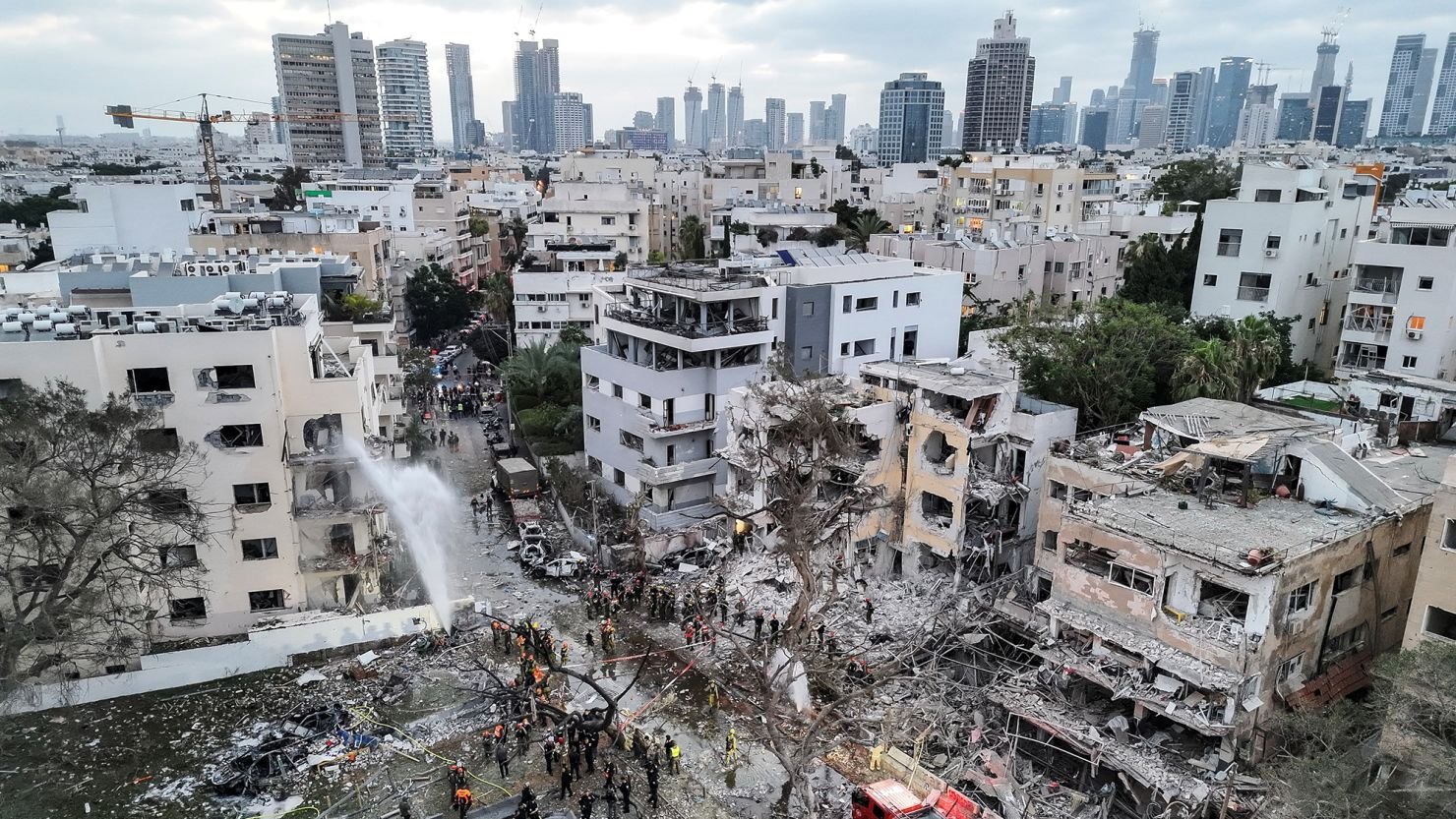
History of the Conflict
The Israel Iran attack is a complex and multifaceted issue with a long history. While the headlines often focus on the latest incident, these events are merely chapters in a decades-long saga of animosity and strategic competition. Exploring the key events and milestones helps us grasp the deep-seated nature of the current tensions.
Early Tensions (1979-2000)
Before 1979, Iran under the Shah was a key ally of Israel. However, the Islamic Revolution dramatically altered this dynamic. The new Iranian government, led by Ayatollah Khomeini, adopted a fiercely anti-Israel stance, viewing the Jewish state as an illegitimate entity and a proxy of Western imperialism. This ideological shift laid the groundwork for future confrontation. Iran began openly supporting Palestinian militant groups and Hezbollah in Lebanon, directly challenging Israel's security. During this period, the conflict was largely indirect, characterized by rhetoric and proxy support rather than direct military engagement.
Escalation (2000-2015)
The turn of the millennium saw a significant escalation. Iran's pursuit of a nuclear program became a paramount concern for Israel, which views a nuclear-armed Iran as an existential threat. Israel, through its intelligence agencies and military, reportedly engaged in sabotage and assassinations related to the Iranian nuclear program. Simultaneously, Iran continued to bolster its network of regional proxies, including Hezbollah, Hamas, and various Shiite militias, creating a "ring of fire" around Israel. Conflicts like the 2006 Lebanon War and various Gaza conflicts often saw Iranian-supplied weaponry and training play a significant role, further entrenching the rivalry.
Recent Developments (2015-Present)
The period following the 2015 Joint Comprehensive Plan of Action (JCPOA), or Iran nuclear deal, brought a brief, fragile pause in some aspects of the tension, but the underlying rivalry persisted. When the **United States government** withdrew from the deal in 2018, tensions flared dramatically. The "shadow war" intensified, manifesting in several ways:
- Syria: Israel has conducted hundreds of airstrikes in Syria, targeting Iranian military assets and weapons shipments destined for Hezbollah, attempting to prevent Iran from establishing a permanent military foothold near its border. These are often attributed to the **Israel Defense Forces (IDF)**.
- Maritime Attacks: There have been numerous suspected attacks on shipping in the **Gulf of Oman** and the **Persian Gulf**, often attributed to both sides, targeting oil tankers and cargo vessels.
- Cyber Warfare: Both nations are believed to engage in sophisticated cyberattacks targeting critical infrastructure and military systems.
- Nuclear Program Advances: Despite sanctions, the **Iranian government** has continued to advance its nuclear enrichment capabilities, raising alarms globally and particularly in the **Israeli government**.
These recent developments underscore the constant state of low-intensity conflict that defines the Israel-Iran relationship, making any "attack" a potential spark for a much larger fire.
Causes of the Conflict
The Israel Iran attack is driven by a range of deeply intertwined factors, making it one of the most intractable conflicts in the **Middle East**. Understanding these underlying causes is essential to grasp the stakes involved.
Iran's Nuclear Program
Perhaps the most significant driver of tension is Iran's nuclear program. While the **Iranian government** insists its program is for peaceful energy purposes, Israel and many Western nations suspect it aims to develop nuclear weapons. For Israel, a nuclear-armed Iran represents an existential threat, given Iran's calls for Israel's destruction and its development of long-range missile capabilities. This perceived threat fuels Israel's determination to prevent Iran from acquiring nuclear weapons, by any means necessary.
Israel's Security Concerns
Beyond the nuclear threat, Israel faces multifaceted security concerns from Iran. The **Islamic Revolutionary Guard Corps (IRGC)** actively supports and arms proxy groups like Hezbollah in Lebanon and various Palestinian factions, which routinely threaten Israel's borders and civilian population. Iran's development of precision-guided missiles and drones, and its efforts to establish military bases in neighboring countries like Syria, directly challenge **Israel's defense strategy**. The **Israeli government** views these actions as part of a broader Iranian strategy to destabilize the region and undermine Israel's security.
Regional Politics and Geopolitics
The conflict is also a struggle for regional hegemony. Iran seeks to expand its influence across the **Middle East**, often through its "Axis of Resistance," challenging the existing order and the influence of the **United States government** and its allies. Israel, in turn, seeks to maintain its military superiority and regional stability, often aligning with Arab states that also view Iran as a threat. This geopolitical chess match involves complex alliances, proxy battles, and a constant competition for power and influence, making every move on the board fraught with potential for escalation.
Potential Consequences of the Attack
Any significant Israel Iran attack, whether a direct military strike or a major escalation of the shadow war, carries profound implications. The potential outcomes are far-reaching, affecting not just the immediate belligerents but the entire global community.
Regional Instability
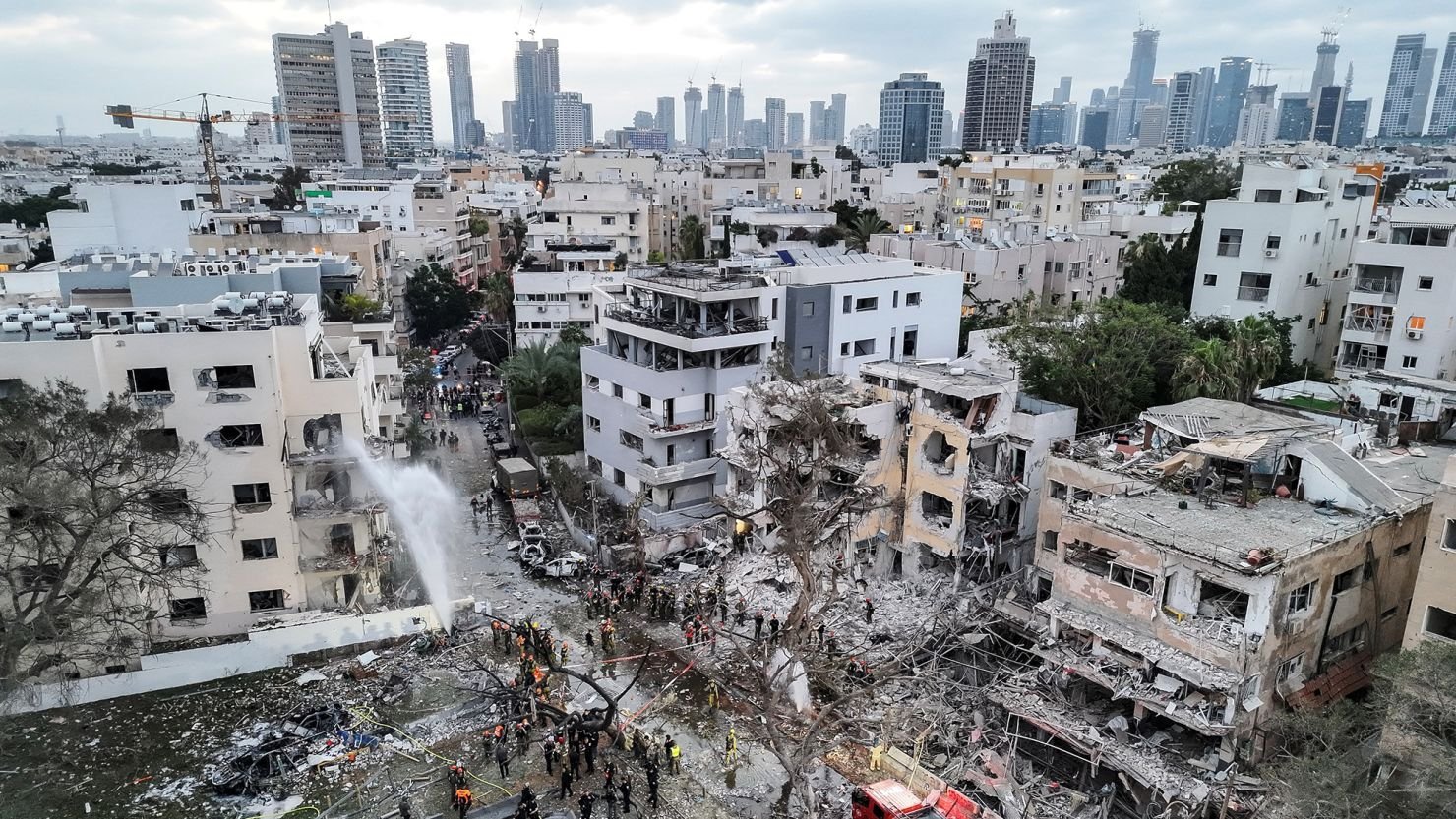
The most immediate consequence would be a dramatic surge in regional instability. A direct confrontation could quickly draw in proxy forces, leading to a multi-front conflict involving Lebanon, Syria, Iraq, and potentially Yemen. This could destabilize governments, trigger refugee flows, and create new breeding grounds for extremism. The prospect of a wider war involving multiple nations in the already volatile **Middle East** is a terrifying one, with unpredictable ramifications for its peoples and future.
Global Economic Impacts
The **Persian Gulf** and **Gulf of Oman** are critical waterways for global oil and gas shipments. An escalation of conflict would almost certainly disrupt these routes, leading to a sharp increase in oil prices and significant volatility in global energy markets. Such an economic shock could trigger inflation, slow global growth, and create widespread financial instability. International trade routes could be severely hampered, affecting supply chains worldwide.
Humanitarian Crisis
A large-scale conflict would inevitably lead to a devastating humanitarian crisis. Civilian casualties would mount, millions could be displaced, and essential infrastructure like hospitals, water systems, and power grids could be destroyed. The region, already grappling with existing humanitarian challenges from previous conflicts, would be overwhelmed, requiring an unprecedented international relief effort. The human cost of such a war would be immense and long-lasting.
International Response to the Attack
The international community has responded to the Israel Iran attack with a range of measures, reflecting the global concern over this critical geopolitical flashpoint. The responses typically involve a mix of diplomatic pressure, economic sanctions, and strategic alliances.
US Policy on Iran
The **United States government** plays a pivotal role in managing the Israel-Iran dynamic. Its policy on Iran is complex and evolving, often characterized by a dual approach of deterrence and diplomacy. This includes imposing robust sanctions aimed at crippling Iran's economy and limiting its ability to fund its nuclear program and proxy networks. Concurrently, the US engages in diplomatic efforts, sometimes indirectly, to de-escalate tensions and explore pathways for a peaceful resolution. The US also provides significant military and diplomatic support to Israel, reinforcing its security and defense capabilities, a key factor in the regional balance of power. Understanding the Israel Iran Conflict is often tied to US Policy on Iran: A Complex and Evolving Issue.
UN Sanctions
The United Nations has historically imposed various sanctions on Iran, primarily related to its nuclear program. These sanctions, often backed by major global powers, aim to pressure the **Iranian government** to comply with international non-proliferation agreements. While their effectiveness is debated, UN sanctions are a significant tool used by the international community to constrain Iran's capabilities and signal global disapproval of its actions.
Regional Alliances
The escalating tensions have also reshaped regional alliances. Several Arab states, sharing Israel's concerns about Iranian influence, have increasingly moved towards normalization of relations with Israel. These emerging alliances, sometimes tacit and sometimes overt, form a strategic bloc aimed at countering Iran's regional ambitions. This shifting geopolitical landscape adds another layer of complexity to the conflict, creating new partnerships and challenging traditional rivalries.
Risks and Pathways to De-escalation
The inherent risks in the Israel-Iran conflict are clear: widespread regional war, economic collapse, and immense human suffering. The challenge lies in identifying and pursuing credible pathways to de-escalation amidst such deep-seated animosity.
- Risk of Miscalculation: A key danger is that a localized incident or misinterpretation of intent could spiral out of control, triggering unintended full-scale war.
- Proxy Escalation: The reliance on proxies means that direct control over escalation is often limited, increasing the risk of unintended consequences.
- Nuclear Proliferation: Continued Iranian nuclear advancement, in defiance of international norms, raises the specter of a nuclear arms race in the Middle East.
Despite these daunting risks, several pathways offer potential for de-escalation:
- Renewed Diplomacy: A return to multilateral negotiations, possibly involving a revised nuclear deal, could offer a framework for reducing nuclear tensions.
- Confidence-Building Measures: Small, incremental steps, such as direct communication channels or agreements on specific regional issues, could build trust.
- International Mediation: Third-party mediation from global powers or international bodies could facilitate dialogue and explore non-military solutions.
- Regional Dialogue: Encouraging direct dialogue between Israel and Arab states, and eventually with Iran, on shared security concerns could foster a more stable regional environment.
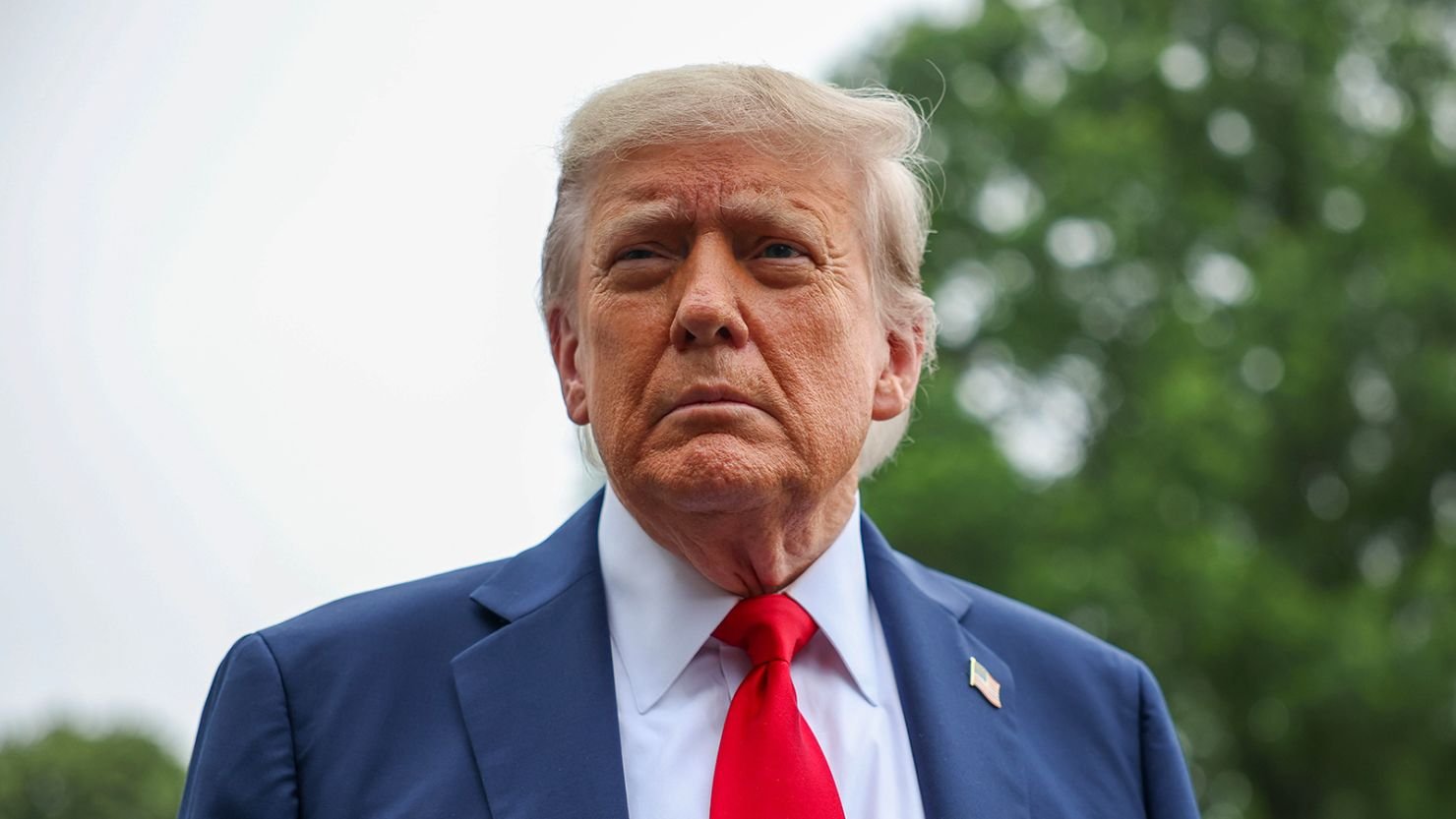
Expert-Style Opinion: The current Israel-Iran dynamic is a powder keg. While a full-scale conventional war remains a high-cost option for both sides, the constant shadow war and proxy conflicts create an ever-present danger of miscalculation. De-escalation hinges on robust international diplomacy, coupled with firm deterrence, to prevent either side from feeling cornered into a more destructive path. The global community must remain vigilant and actively pursue all avenues for peace, however challenging they may seem.
FAQs
What is the current status of the Israel Iran conflict?
The conflict is ongoing, characterized by a persistent "shadow war" involving cyberattacks, maritime incidents, and proxy conflicts in the region, with periodic escalations and de-escalations. While not a direct, declared war, the tensions remain acutely high, especially following recent developments.
What are the main causes of the conflict?
The primary causes include Iran's nuclear program, which Israel views as an existential threat; Israel's profound security concerns regarding Iran's regional proxy networks and missile capabilities; and broader regional politics and geopolitics, involving a struggle for influence and power in the Middle East.
What are the potential consequences of the attack?
A significant escalation or attack carries severe potential consequences, including widespread regional instability, significant global economic impacts due to disruptions in energy markets, and a devastating humanitarian crisis involving mass displacement and civilian suffering.
People Also Ask
Is the Israel Iran conflict a threat to global security?
Yes, the conflict poses a significant threat to global security and stability. An escalation could disrupt vital international shipping lanes, trigger a global energy crisis, and potentially draw in other major powers, leading to unpredictable and far-reaching consequences beyond the Middle East.
What is the role of the US in the conflict?
The US has a complex and evolving policy on Iran, which includes a combination of sanctions to pressure the Iranian regime, diplomatic efforts to de-escalate tensions, and robust military and strategic support for Israel to bolster its defense capabilities and maintain regional stability.
What are the implications of the conflict for the Middle East?
The conflict has profound implications for the Middle East, including the potential for a humanitarian crisis, increased regional instability, the re-alignment of traditional alliances, and a constant state of uncertainty that hinders economic development and social progress across the region.
Conclusion
The Israel-Iran attack, whether an overt military strike or a continuation of their protracted shadow war, represents a critical juncture in Middle Eastern geopolitics. The deep historical roots, the existential security concerns on both sides, and the complex web of regional and international interests make this conflict incredibly challenging to resolve. While the immediate focus is often on the latest incident, it's the underlying drivers that demand sustained international attention. The potential for regional instability, global economic shocks, and a catastrophic humanitarian crisis underscores the urgent need for robust diplomacy and de-escalation efforts. For the sake of regional peace and global stability, all parties must pursue pathways that prioritize dialogue over destruction, and seek common ground to navigate this perilous landscape towards a more secure and hopeful future.
Related Media
Quick View: Israel Iran Attack: Understanding the Escalating Tensions