In a significant development that marks a potential shift in the administrative handling of the unrest in Ladakh, the Union Government has officially revoked the detention of renowned climate activist and innovator Sonam Wangchuk. The decision, which comes with immediate effect, follows months of tension in the Union Territory of Ladakh, specifically following the protests and subsequent violence that occurred in Leh earlier this year. Wangchuk, a figure synonymous with sustainable innovation and the protection of the Himalayan ecosystem, had been held under the National Security Act (NSA), a move that had drawn widespread attention from civil rights groups and environmentalists globally.
The revocation of the detention order is seen as a major step toward de-escalating the friction between the central authorities and the local leadership in Ladakh. Sonam Wangchuk has emerged as the face of a movement demanding greater constitutional safeguards and environmental protections for the region. His release is expected to reignite discussions regarding the future of the Union Territory and the specific demands of its people, who have been vocal about their concerns regarding local governance and ecological preservation.

The Revocation of NSA Detention: Key Details
The decision to lift the detention of Sonam Wangchuk was confirmed by multiple government sources and reported across major national news outlets. The Ministry of Home Affairs, in coordination with local administrative authorities in Ladakh, issued the order to revoke the National Security Act (NSA) charges. The NSA is a stringent law that allows the government to detain individuals if they are perceived as a threat to national security or public order. The invocation of this act against a celebrated innovator like Wangchuk had been a point of intense debate.
The timeline of the detention traces back to the aftermath of the Leh protests, which saw thousands of residents take to the streets. While the government initially cited concerns over public safety and potential escalations of violence as the rationale for the detention, the immediate revocation suggests a reassessment of the security situation. Officials have indicated that the decision was made after a periodic review of the circumstances that led to the initial order, signaling a transition from a security-centric approach to one that may allow for more political and social dialogue.
Legal experts and regional observers have noted that the revocation of NSA charges is often a precursor to broader negotiations. For the people of Leh and Kargil, the immediate release of Wangchuk is not just a personal victory for the activist but a symbolic moment for the movement he represents. The government’s move to act with "immediate effect" underscores the urgency of addressing the regional sentiment that has remained volatile since the protests erupted months ago.
Background: The Leh Protests and the Path to Detention
To understand the gravity of Sonam Wangchuk’s detention, one must look at the origins of the protests in Ladakh. Following the reorganization of Jammu and Kashmir in 2019, Ladakh was designated as a Union Territory without a legislature. While this was initially welcomed by some sections of the population, concerns soon grew regarding the lack of local representation and the potential for large-scale industrial projects to damage the fragile Himalayan environment.
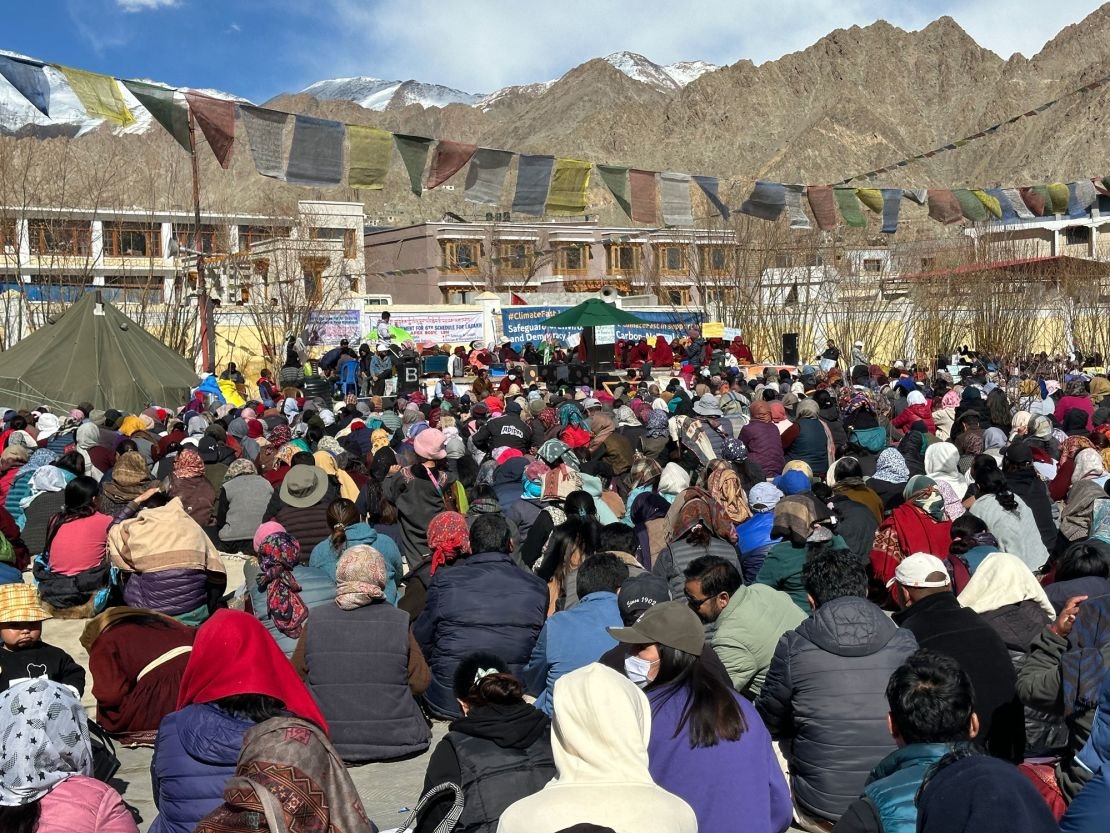
The protests reached a peak earlier this year when thousands gathered in Leh to demand statehood and inclusion under the Sixth Schedule of the Indian Constitution. Sonam Wangchuk played a pivotal leadership role in these demonstrations, often using peaceful means such as "climate fasts" to draw attention to the cause. However, as the movement grew, isolated incidents of violence were reported, which the authorities used as the basis for invoking the National Security Act. The detention of Wangchuk was seen by his supporters as an attempt to stifle the voice of the region’s most prominent advocate.
Demands of the Ladakh Movement
The movement led by Wangchuk and various local organizations, including the Leh Apex Body (LAB) and the Kargil Democratic Alliance (KDA), is centered on four primary demands. Chief among these is the implementation of the Sixth Schedule, which provides for the administration of tribal areas through autonomous district councils. This would grant the people of Ladakh greater control over their land, resources, and cultural identity.
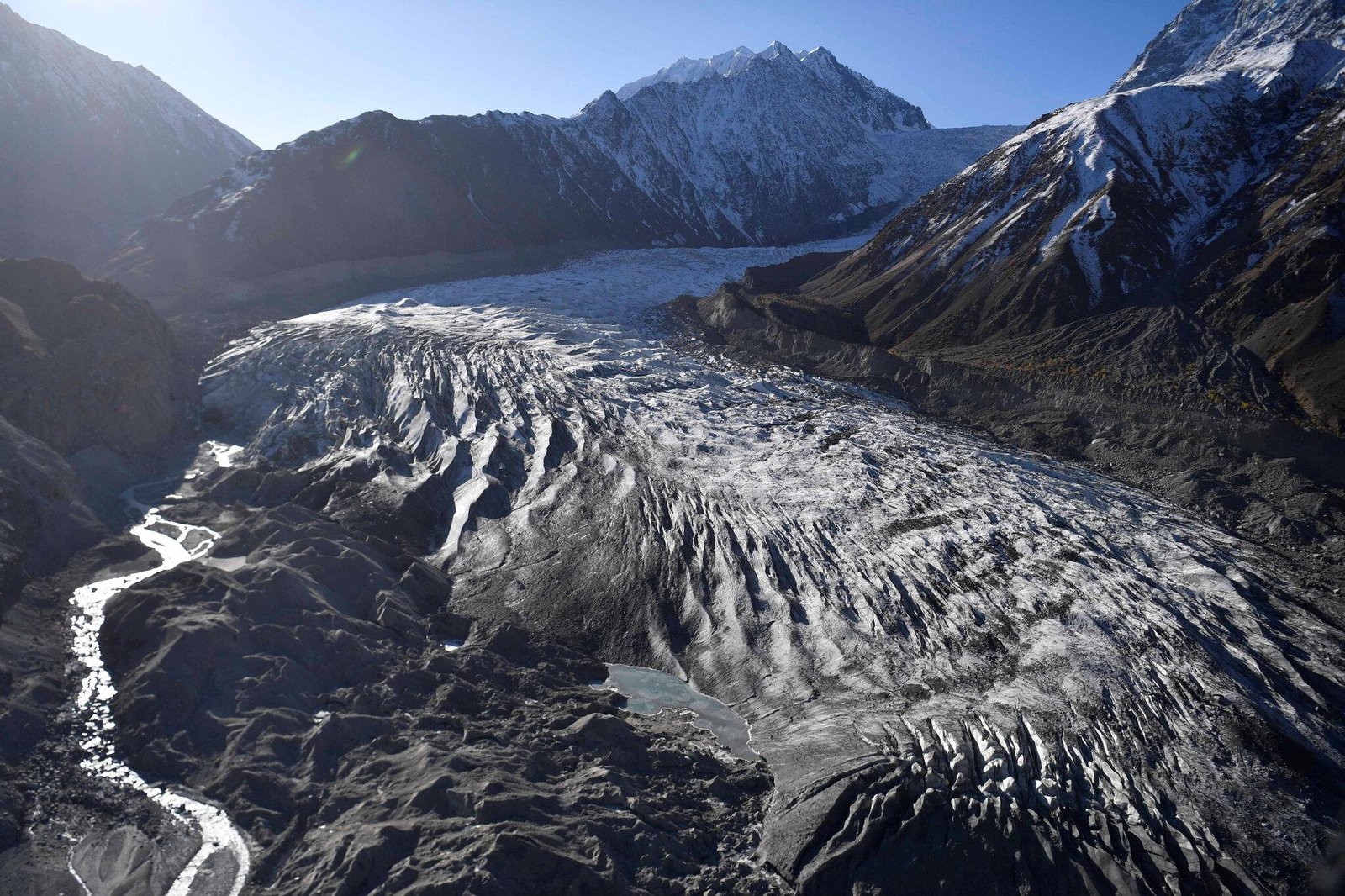
Furthermore, the push for full statehood remains a central pillar of the agitation. Protesters argue that a Union Territory status without a legislature leaves the local population at the mercy of bureaucratic decisions made in New Delhi. Intertwined with these political demands is a deep-seated environmental concern. Wangchuk has consistently highlighted how the melting glaciers and the fragile ecosystem of the Himalayas are under threat from climate change and unregulated development. His activism bridges the gap between political representation and environmental survival, arguing that without local control, the unique ecology of the "Cold Desert" will be lost.
National and Regional Impact of the Government's Decision
The revocation of Wangchuk’s detention has sent ripples through both the regional and national political landscape. In Ladakh, the news was greeted with a sense of relief and renewed determination. Civil society groups have hailed the decision as a step toward justice, though they maintain that the core issues remains unaddressed. The relationship between the Centre and the Union Territory has been strained, and the release of a high-profile figure like Wangchuk is viewed as an olive branch that could pave the way for a more constructive engagement.
Nationally, the government’s decision has been monitored closely by environmental groups and human rights organizations. Wangchuk is not merely a regional leader; he is a global icon of sustainable living, known for his work with the Students' Educational and Cultural Movement of Ladakh (SECMOL) and his invention of the "Ice Stupa" artificial glaciers. The detention of such a figure had become a PR challenge for the government, especially given India's international commitments to climate action. By revoking the NSA detention, the Centre may be looking to mitigate the domestic and international criticism regarding the suppression of environmental activism.
Sonam Wangchuk’s Legacy as an Innovator and Activist
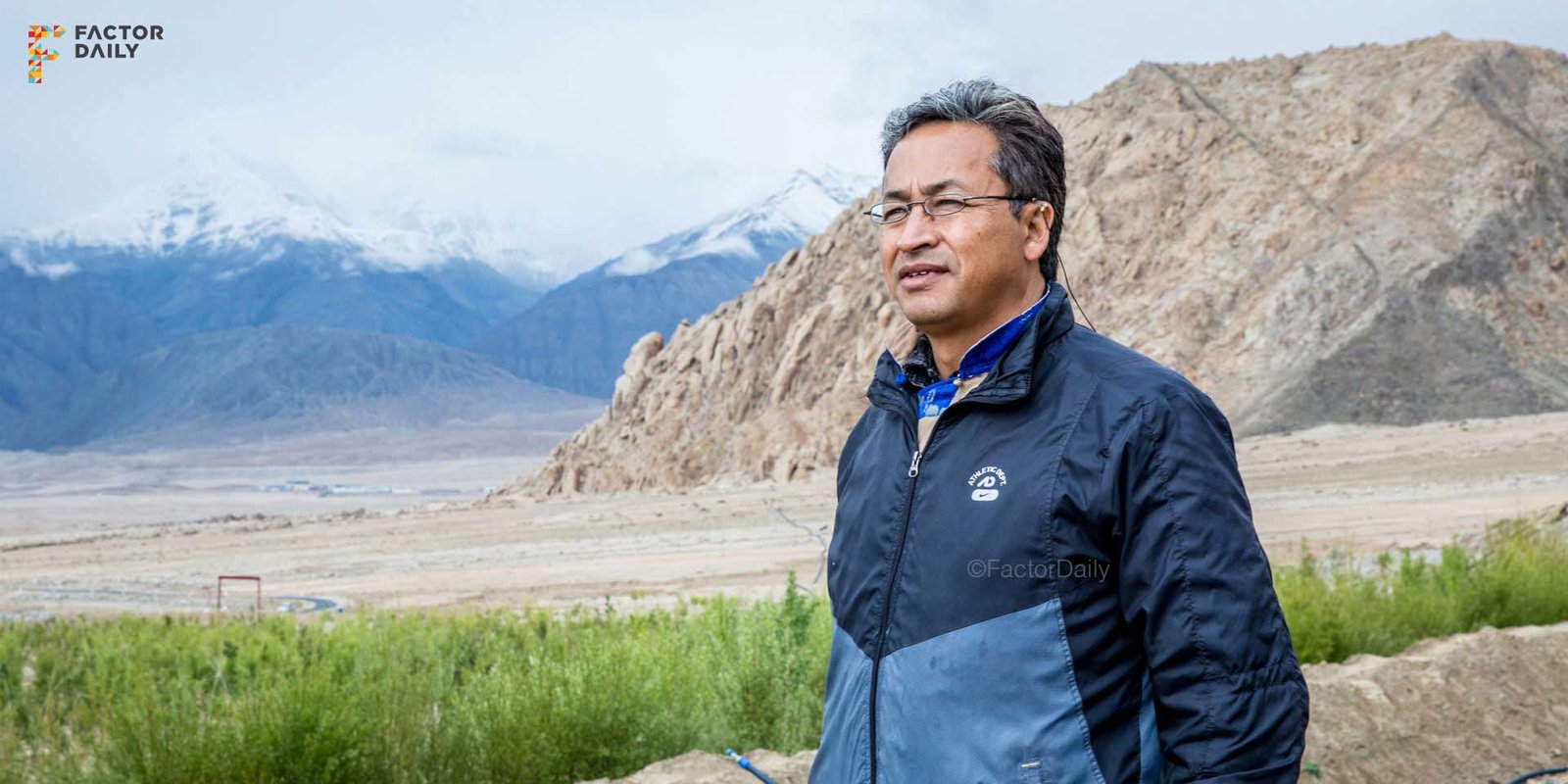
Sonam Wangchuk’s journey from an engineer and educator to a political activist is a testament to the changing dynamics of the Himalayan region. For decades, Wangchuk focused on educational reform, helping thousands of Ladakhi students who were failing in a system that did not account for their local context. His school, SECMOL, became a beacon of alternative education, running entirely on solar energy and focusing on practical skills.
His transition into the public square as a voice for regional rights was a direct response to what he perceived as an existential threat to his homeland. His global reputation—cemented by awards such as the Rolex Award for Enterprise and the Ramon Magsaysay Award—provided him with a platform that few other regional leaders possess. This reputation influenced the discourse around his detention, as supporters argued that a man dedicated to the survival of the planet should not be treated as a threat to national security. His legacy is now firmly rooted in the intersection of innovation, education, and constitutional advocacy.
Conclusion: The Future of Activism in Ladakh
The release of Sonam Wangchuk marks a critical juncture for the Ladakh movement. While the immediate threat of detention has been removed, the underlying issues of statehood, the Sixth Schedule, and environmental protection remain unresolved. The revocation of the NSA order suggests that the government recognizes the need for a different approach in dealing with the aspirations of the Ladakhi people. However, the future of activism in the region will depend on whether this gesture leads to a meaningful dialogue or if it is merely a temporary reprieve in a long-standing struggle.
As Wangchuk returns to his work, the eyes of the nation will be on Ladakh to see how the movement evolves. The balance between maintaining national security and respecting the democratic right to protest remains a delicate one. For now, the activist’s freedom serves as a reminder of the power of persistent, peaceful advocacy in the face of complex political and environmental challenges.