The Life and Leadership of Benjamin Netanyahu: A Comprehensive Overview
As of March 12, 2026, the political landscape of Israel continues to be dominated by the enduring figure of Benjamin Netanyahu. With a career spanning decades, 'Bibi,' as he is widely known, remains at the heart of national discourse, navigating complex domestic challenges and critical regional security concerns. Today, as discussions intensify within the Knesset over a proposed new budget and ongoing diplomatic efforts to de-escalate tensions in the northern border, Netanyahu's leadership is once again under the microscope. This article offers a comprehensive look at the man who has shaped modern Israel, from his formative years to his current impact, with a keen eye on the developments unfolding right now.
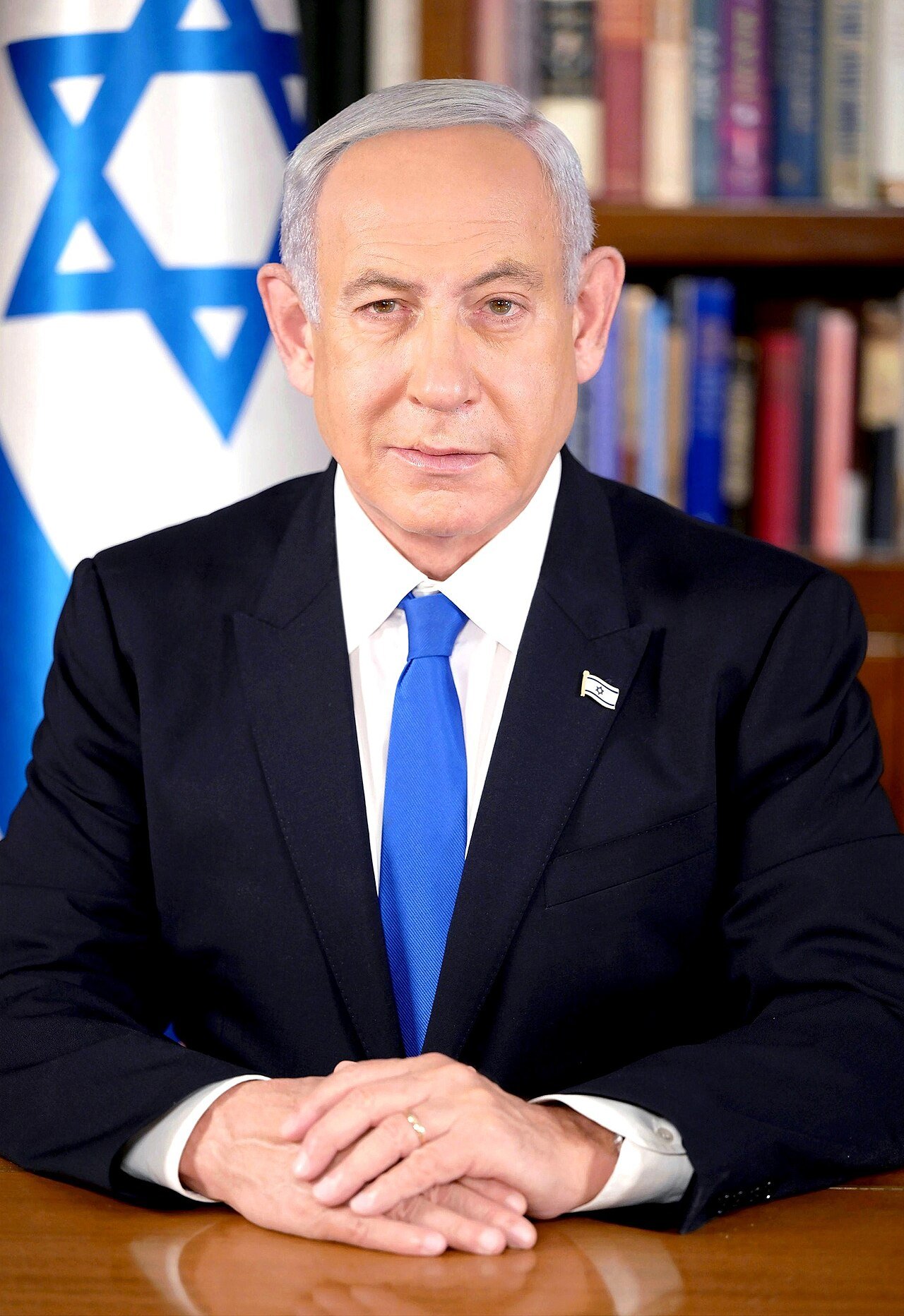
Early Life and Education
Born in Tel Aviv in 1949, Benjamin Netanyahu's early life was marked by a unique blend of Israeli patriotism and American influence. His father, Benzion Netanyahu, was a renowned historian and a staunch Zionist, whose revisionist views deeply influenced young Benjamin. The family spent significant periods in the United States, where Benjamin attended high school in Philadelphia. This bicultural upbringing provided him with a profound understanding of both Israeli society and Western political thought, a duality that would later define his diplomatic approach.
After returning to Israel, Netanyahu served in the elite Sayeret Matkal special forces unit of the Israel Defense Forces, participating in several daring operations during the War of Attrition. His military service, which included being wounded in combat, instilled in him a deep commitment to Israel's security. Following his military discharge, he returned to the U.S. for higher education, earning degrees from MIT in architecture and management. He also studied political science at Harvard. This robust academic and military background equipped him with a unique set of skills - strategic thinking, economic understanding, and a powerful command of communication - that would prove invaluable in his political ascent.
Career in Politics
Netanyahu's entry into politics was not immediate after his studies. He worked in the private sector for a period, which further honed his understanding of economics and global markets. His formal political career began in the early 1980s when he was appointed Deputy Chief of Mission at the Israeli Embassy in Washington D.C. This role quickly propelled him onto the international stage, where his articulate defense of Israel's positions gained him recognition. He later served as Israel's Ambassador to the United Nations, becoming a prominent voice for his nation on the global platform, particularly adept at engaging with American media and policymakers.
In 1988, Netanyahu returned to Israel and was elected to the Knesset as a member of the Likud Party. His rise within the party was swift. He quickly became known for his sharp debating skills, his conservative economic policies, and his hawkish stance on security. By 1993, he was elected chairman of the Likud, positioning himself as the future leader of the Israeli right. His political journey from diplomat to party leader showcased his strategic acumen and his ability to connect with a broad base of voters, setting the stage for his eventual leadership of Israeli politics.
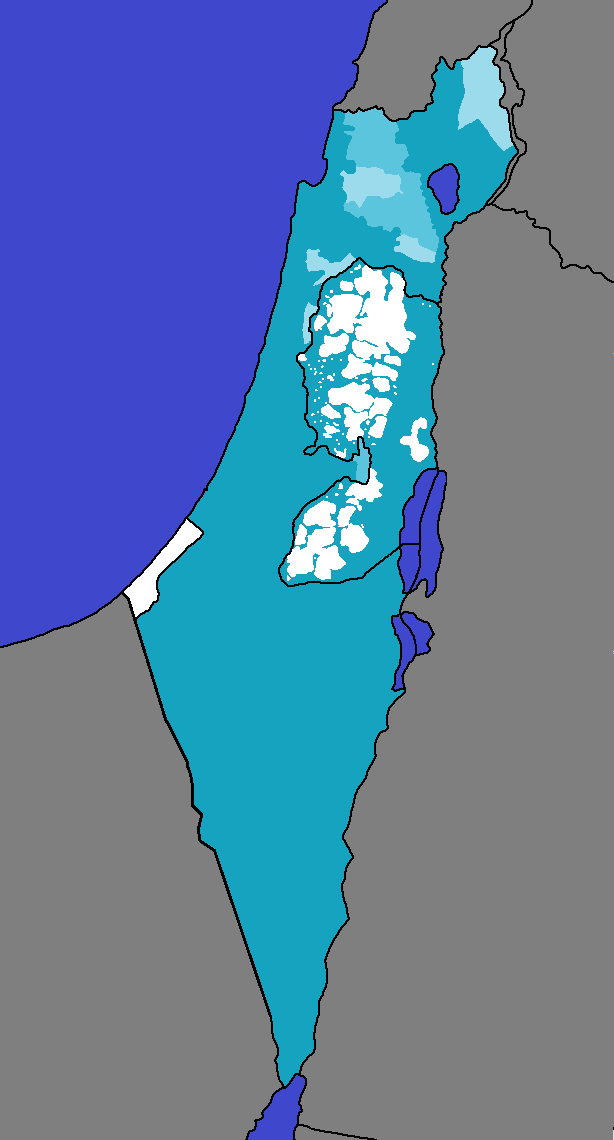
Prime Minister of Israel
Benjamin Netanyahu's first tenure as Prime Minister began in 1996, making him the youngest person in Israel's history to hold the office. His initial term was characterized by a focus on economic liberalization, attempting to shift Israel towards a more free-market economy. On the security front, he adopted a firm approach, particularly concerning the peace process with the Palestinians, advocating for "peace with security." Key policies included a cautious stance on territorial concessions and a strong emphasis on counter-terrorism. Though his first term ended in 1999, it established his reputation as a formidable leader.
After a period out of office, during which he served as Finance Minister and Leader of the Opposition, Netanyahu returned to the premiership in 2009, commencing what would become his longest and most influential period in power. He led Israel through numerous challenges, including multiple military operations in Gaza, complex negotiations with Iran over its nuclear program, and navigating the Arab Spring uprisings. His focus remained consistent: bolstering Israel's security, promoting economic growth, and strengthening ties with strategic allies, particularly the United States. During this time, he also oversaw significant advancements in Israel's tech sector and its global diplomatic outreach. His leadership style, often described as pragmatic and resilient, saw him form various coalition governments, reflecting the complex nature of Israeli politics.
Impact on Israeli Politics and Current Challenges (March 12, 2026)
Benjamin Netanyahu's impact on Israeli politics is profound and undeniable. He has redefined the right-wing agenda, making national security and a strong economy central pillars. His long tenure has also led to a more centralized political environment, with his personal brand often eclipsing that of his party, the Likud Party. He is a master of political maneuvering and coalition building, skills that are on full display in the current political climate.
As of March 12, 2026, Netanyahu finds himself at a critical juncture. The Knesset is locked in intense debates over the proposed national budget, a crucial piece of legislation that reflects the deep divisions within his own coalition and across the political spectrum. Critics argue that the budget prioritizes certain sectors at the expense of others, while supporters emphasize its necessity for national stability and growth amidst ongoing regional uncertainties. Furthermore, the nation is closely watching diplomatic efforts spearheaded by Netanyahu to address escalating tensions along Israel's northern border. Reports from Jerusalem indicate sensitive negotiations are underway to prevent a wider conflict, a situation that demands all of Netanyahu's seasoned diplomatic and strategic experience.
Domestically, the judicial reform debate, though somewhat subdued compared to its peak, continues to simmer, influencing coalition stability and public discourse. Netanyahu's ability to maintain a cohesive government while addressing these multifaceted challenges - a contentious budget, security threats, and underlying societal divisions - will undoubtedly shape his legacy in the coming months. His political survival and continued relevance, even amidst legal challenges and strong opposition, are a testament to his unique ability to connect with his base and navigate the turbulent waters of Israeli politics.
Pros & Cons of Netanyahu's Leadership (as of March 2026)
Netanyahu's leadership, particularly in the context of today's challenges, presents a mixed picture:
- Pros:
- Experienced Statesman: His decades of experience in defense, diplomacy, and economics provide a steady hand during crises, such as the current northern border tensions.
- Strong Security Advocate: A consistent focus on Israel's national security, often seen as a reassuring factor by many Israelis in a volatile region.
- Economic Stability: Historically, his governments have overseen periods of economic growth and technological innovation, a factor he leverages in budget debates.
- International Acumen: His ability to engage with global leaders and articulate Israel's position on the world stage remains a significant asset.
- Cons:
- Divisive Figure: His long tenure and policies have created deep polarization within Israeli society, evident in the ongoing budget and judicial reform debates.
- Coalition Instability: Reliance on diverse coalition partners often leads to political gridlock and compromises that may not serve broader national interests.
- Focus on Personal Power: Critics argue that his actions sometimes prioritize political survival over national unity, particularly concerning legal battles.
- Stagnant Peace Process: While prioritizing security, his approach has often been criticized for not advancing a long-term resolution to the Israeli-Palestinian conflict.

Expert-Style Opinion
Benjamin Netanyahu's current political tightrope walk, balancing a fractious domestic agenda with urgent national security imperatives, underscores his unparalleled resilience. While his critics point to deepening societal divides and a perceived erosion of democratic norms under his leadership, his supporters laud his strategic foresight and unwavering commitment to Israel's defense. As of March 12, 2026, his ability to navigate the complex budget negotiations in the Knesset and de-escalate regional tensions will be the true test of his enduring, albeit controversial, statesmanship.
FAQ Section
Here are some frequently asked questions about Benjamin Netanyahu and Israeli politics:
- What is Benjamin Netanyahu's current role?
As of March 12, 2026, Benjamin Netanyahu is currently the Prime Minister of Israel, leading a coalition government and actively involved in major domestic and international policy discussions. - What is the Likud Party's stance on key issues?
The Likud Party is known for its right-wing stance on issues such as national security (emphasizing a strong military and firm response to threats), a free-market economy, and a cautious approach to the Israeli-Palestinian conflict. They generally advocate for Jewish settlement in the West Bank and a united Jerusalem as Israel's capital. - How does the Knesset work?
The Knesset is the parliament of Israel, composed of 120 members elected by proportional representation. It serves as the legislative body, debates and passes laws, approves the government's budget, and oversees the executive branch. The Prime Minister, who is typically the leader of the largest party or coalition, serves as the head of government.
People Also Ask questions
- Who is Benjamin Netanyahu?
Benjamin Netanyahu is a prominent Israeli politician who has served as the Prime Minister of Israel multiple times, becoming the longest-serving premier in the nation's history. He is a key figure in the Likud Party and a central player in both Israeli domestic and international affairs. - What is the Likud Party?
The Likud Party is a major right-wing political party in Israel. Founded in 1973 by Menachem Begin, it has been a dominant force in Israeli politics for decades, advocating for nationalist, conservative, and economically liberal policies. - What is the Knesset?
The Knesset is the unicameral national legislature of Israel. Located in Jerusalem, it is composed of 120 members who are elected every four years (unless early elections are called). It is responsible for passing all laws, electing the President and Prime Minister, and overseeing the government.
In conclusion, Benjamin Netanyahu's journey from a decorated soldier and eloquent diplomat to Israel's longest-serving Prime Minister is a testament to his formidable political will and strategic genius. As of today, March 12, 2026, he continues to stand at the helm, navigating the intricate currents of domestic policy and regional security. His leadership, while often a source of intense debate and division, undeniably leaves an indelible mark on the identity and future trajectory of Israel. Understanding his life and career is crucial for comprehending the complex and dynamic landscape of the Middle East.
Related Media
Quick View: The Life and Leadership of Benjamin Netanyahu: A Comprehensive Overview