
Asteroid Impact: The Devastating Consequences of a North Sea Tsunami
The vast, often turbulent waters of the North Sea are a critical artery for trade, energy, and fishing for many European nations. But what if this vital expanse became the epicenter of an unimaginable natural disaster? The hypothetical, yet scientifically plausible, scenario of an asteroid hitting the North Sea and triggering a massive tsunami has been a subject of intense discussion among scientists and disaster preparedness experts. While such an event hasn't occurred today, March 13, 2026, the urgent conversations in the past 24 hours have centered on the devastating consequences this could unleash across densely populated coastlines.
This isn't just a plot for a Hollywood movie; it's a critical thought experiment that helps us understand our vulnerabilities and strengthen our defenses against truly catastrophic events. The North Sea, with its relatively shallow average depth, complex seabed, and surrounding low-lying coastal areas, presents a unique and terrifying stage for such a phenomenon. Let's delve into what such an impact could entail and how we might brace ourselves for the unthinkable.
The Potential Effects of an Asteroid Impact
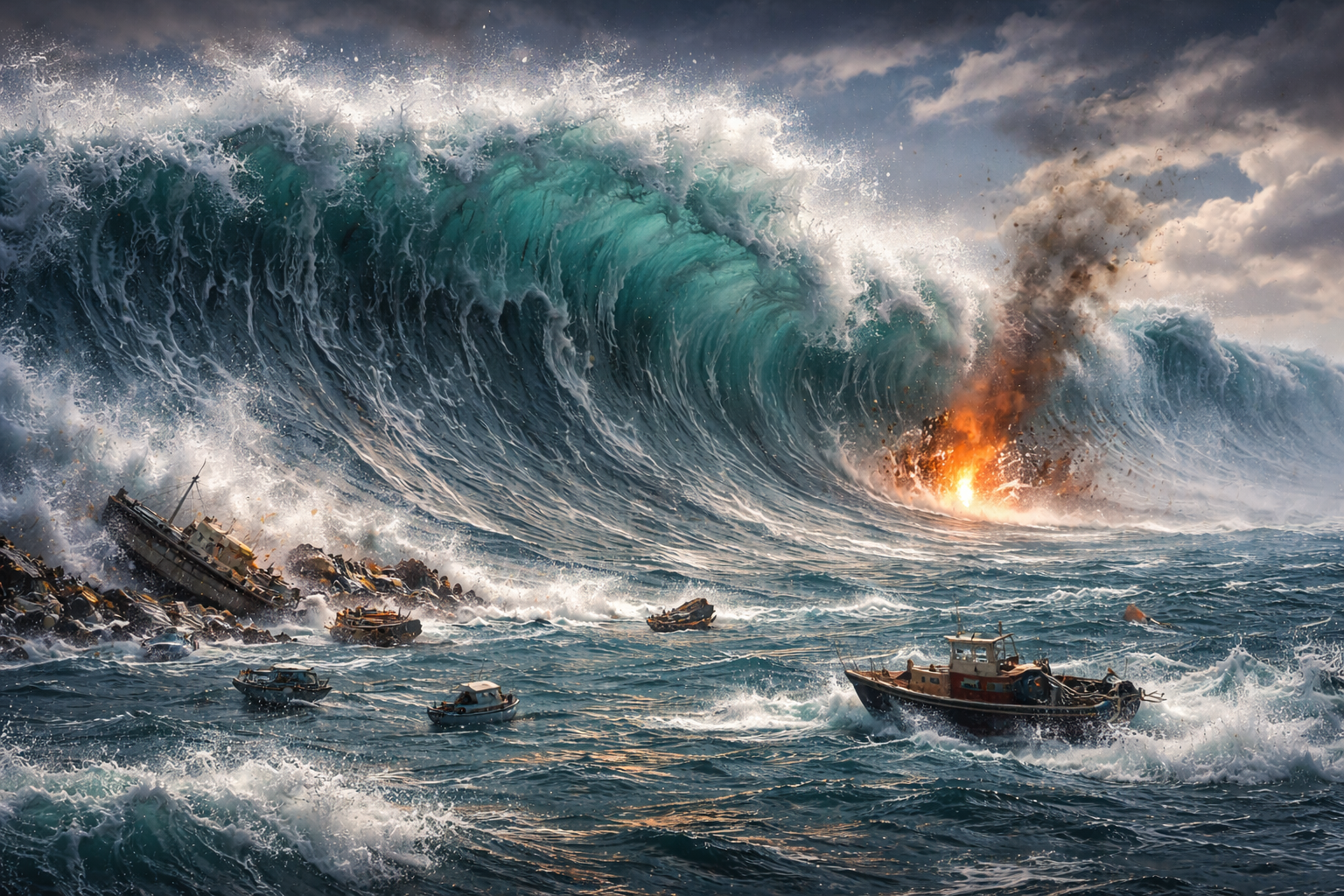
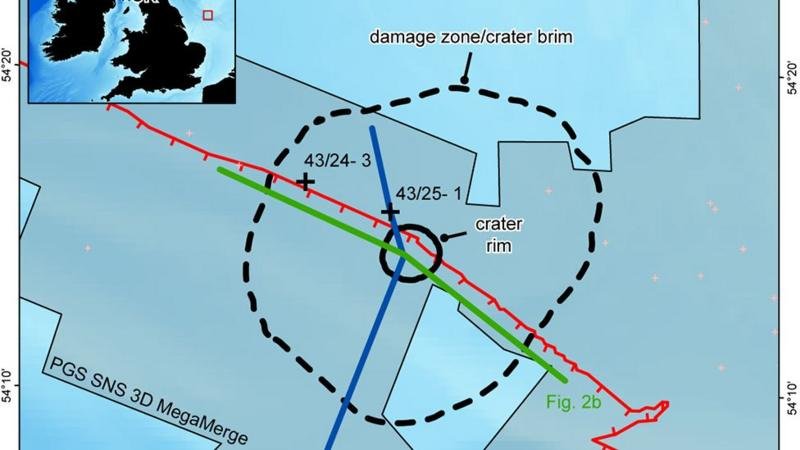
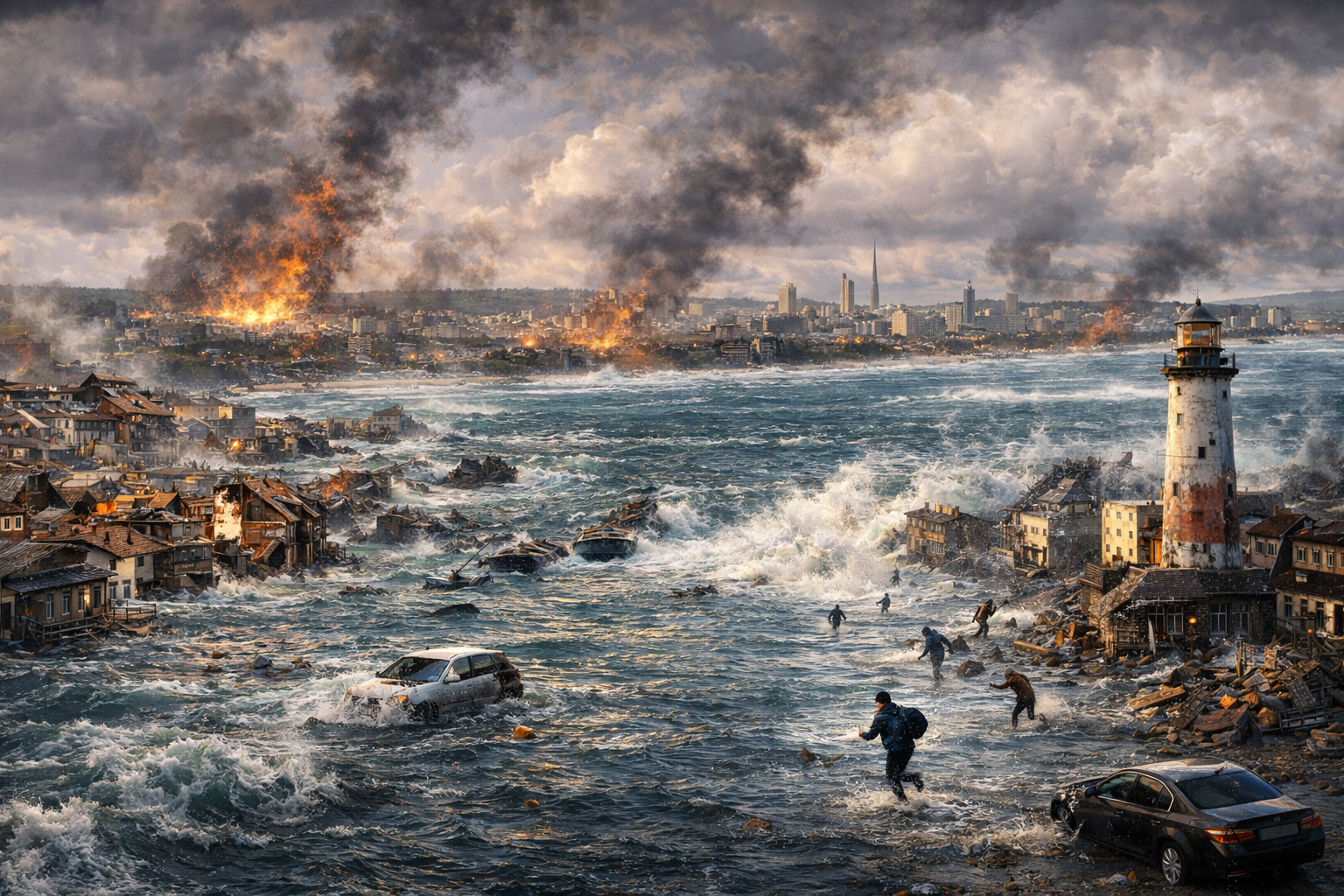
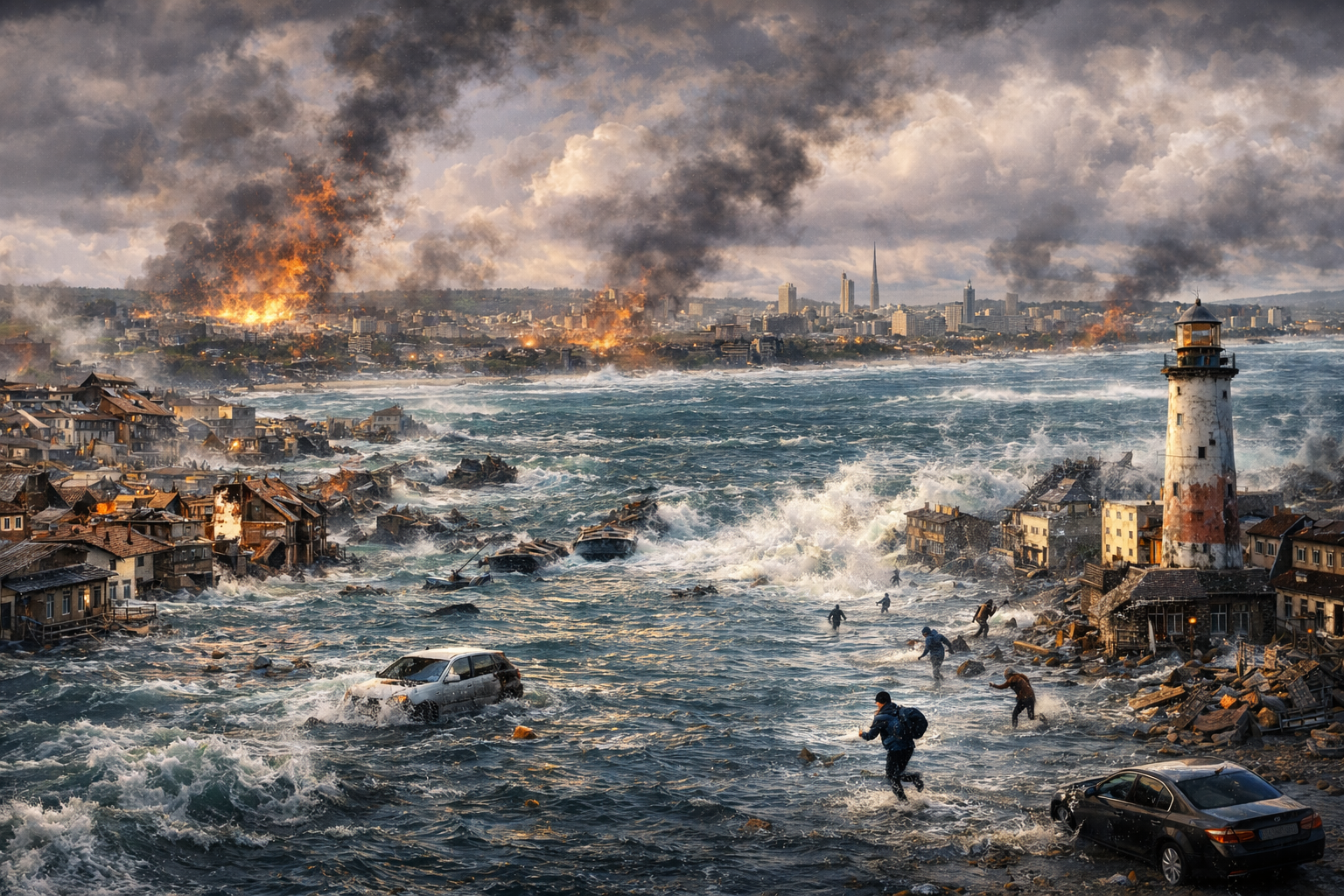
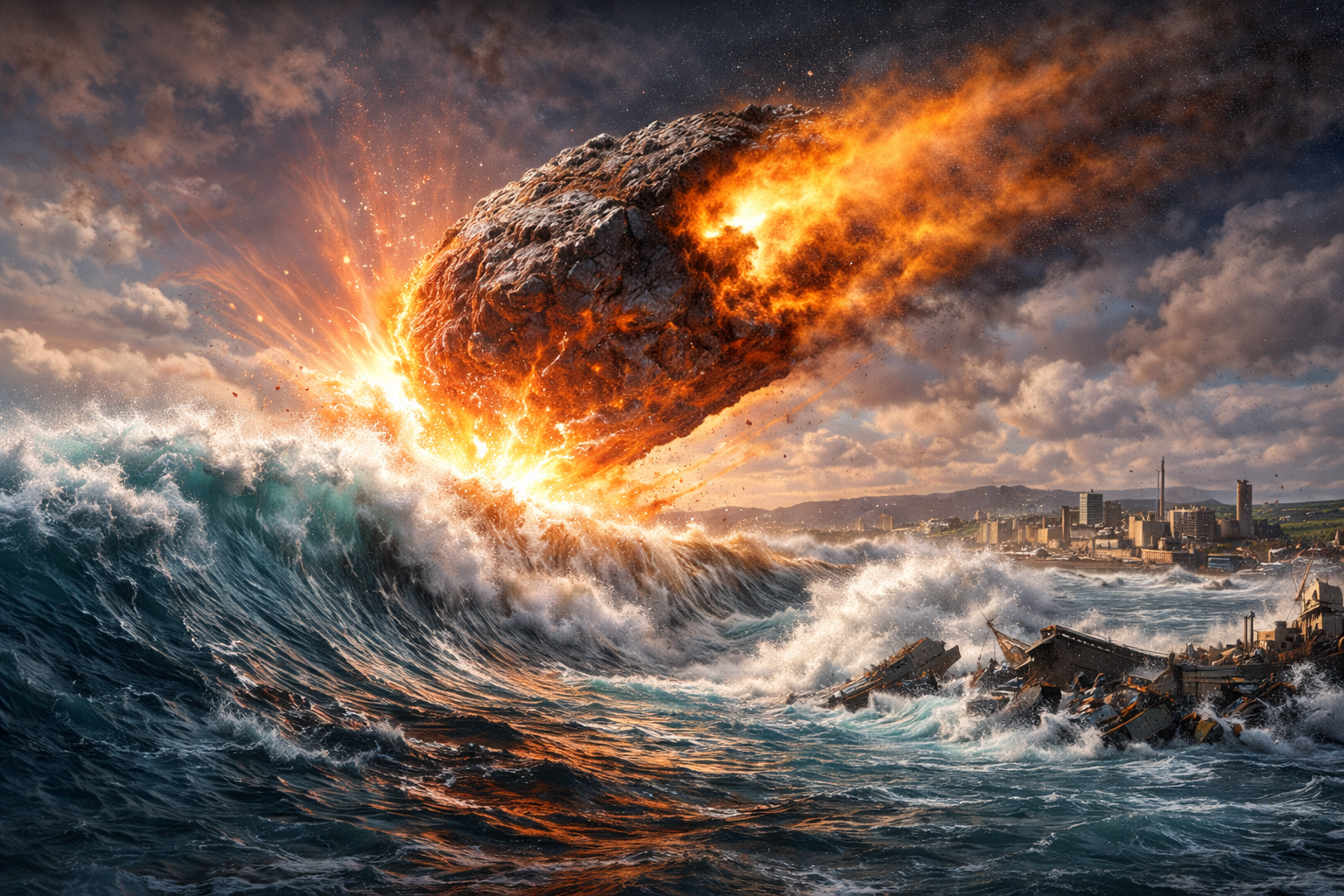
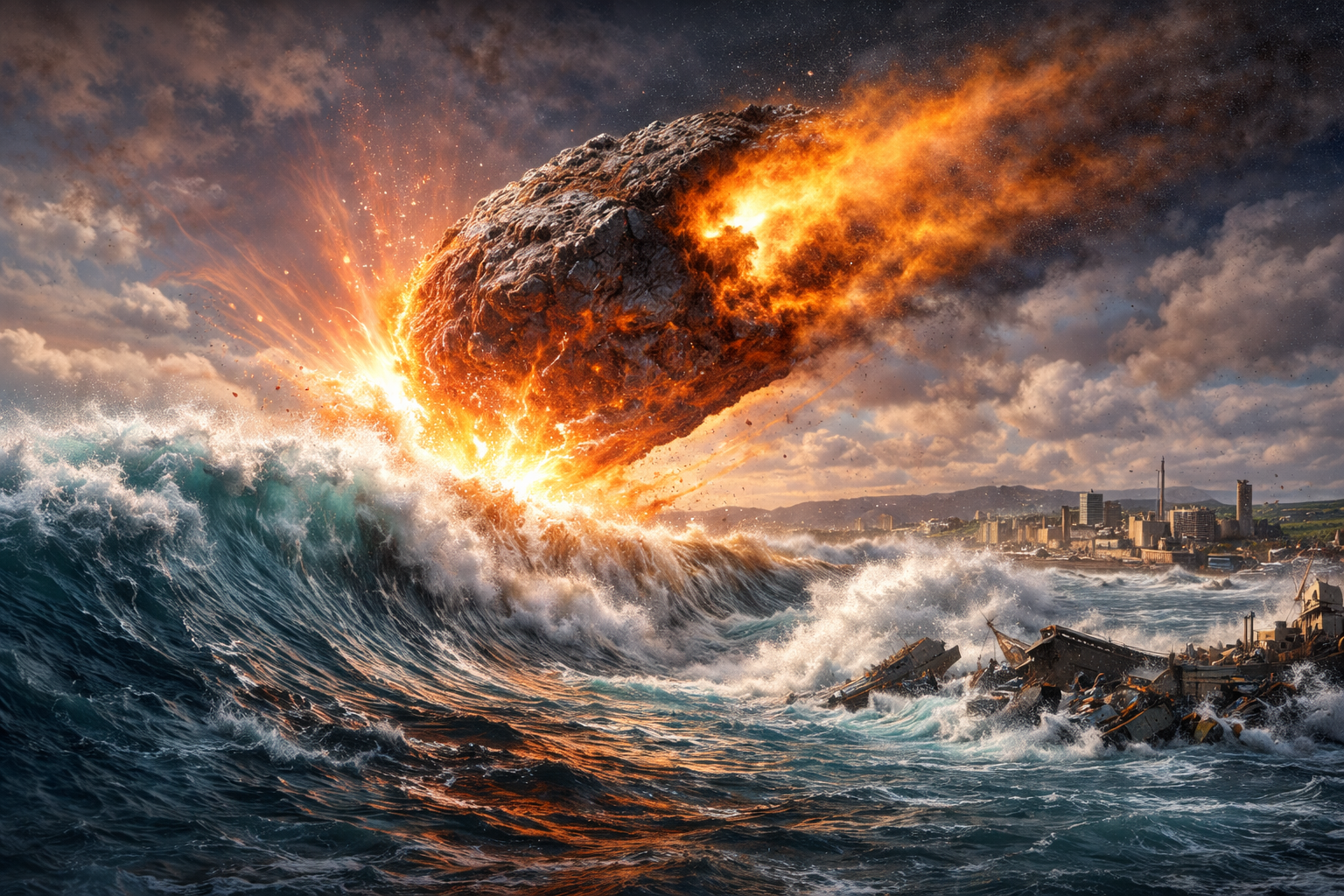
Imagine an asteroid, even one relatively small by cosmic standards - say, a few hundred meters in diameter - hurtling through our atmosphere and striking the North Sea. The immediate impact would be catastrophic. The sheer kinetic energy released would be equivalent to many nuclear bombs, creating a massive crater on the seabed, vaporizing vast quantities of water, and sending a colossal plume of steam and debris into the atmosphere. The most immediate and far-reaching danger, however, would be the generation of a colossal tsunami.
Asteroid Impact: The Science Behind the Destruction
When an asteroid strikes water, the energy transfer is incredibly efficient at generating waves. Unlike earthquakes, which can cause tsunamis by vertical displacement of the seafloor, an asteroid impact creates a massive splash and a cavity that rapidly collapses, propagating waves outward. The size and speed of the asteroid, along with the depth of the impact site, would dictate the initial wave height and energy. In the relatively shallow North Sea, the initial wave would likely be immense, possibly hundreds of meters high near the impact site, before spreading out. As these waves travel, they lose height in deep water but gain destructive power as they approach shallower coastal areas, slowing down and piling up into towering walls of water.
The destruction wouldn't be limited to the immediate coastline. The atmospheric shockwave, the seismic tremors, and the subsequent climate effects from ejected material could have global repercussions. However, for communities bordering the North Sea, the tsunami would be the primary and most immediate threat. Coastal cities from the UK to Norway, Denmark, Germany, the Netherlands, Belgium, and France would face an unprecedented challenge.
Tsunami Warning Systems: Can We Detect Asteroid Threats?
In a scenario where an asteroid is on a collision course with Earth, early detection is our first and most crucial line of defense. The good news is that humanity has made significant strides in this area, though challenges remain.
Asteroid Detection: The Importance of Early Warning Systems
Organizations like NASA's Planetary Defense Coordination Office (PDCO) and the European Space Agency (ESA) operate sophisticated asteroid detection programs. These programs use ground-based telescopes and space-based observatories to scan the skies for Near-Earth Objects (NEOs). The goal is to identify potential threats years, or even decades, in advance. This lead time is critical because it would allow for potential mitigation efforts, such as sending spacecraft to alter an asteroid's trajectory. However, smaller, previously undetected asteroids could still pose a surprise threat, and the North Sea scenario highlights the need for constant vigilance and improved detection capabilities.
Tsunami Detection: The Role of Seismic Sensors and Coastal Monitoring
Once an impact occurs, or even if a large underwater landslide (another tsunami trigger) were to happen, a robust tsunami warning system becomes paramount. The North Sea region benefits from advanced meteorological and oceanographic monitoring networks. These include:
- **Seismic Sensors:** These detect the ground shaking caused by an impact or underwater earthquake.
- **Deep-ocean Assessment and Reporting of Tsunami (DART) buoys:** While primarily deployed in the Pacific, similar concepts could be adapted. These buoys measure pressure changes on the seafloor, indicating a tsunami passing overhead.
- **Coastal Tide Gauges:** These measure sea level changes in real-time, confirming the arrival of a tsunami.
- **Satellite Monitoring:** Advanced satellites can observe ocean surface changes and atmospheric disturbances.
The challenge for a North Sea tsunami, particularly one from an asteroid, would be the incredibly short warning time. Given the relatively small size of the sea and the proximity of landmasses, coastal communities might have mere minutes, or at best, a few hours, to react. This underscores the need for highly integrated, rapid-response systems and well-practiced evacuation plans.
Preparing for the Worst: Natural Disaster Preparedness in the North Sea Region
The discussion surrounding a hypothetical North Sea asteroid impact has, in the past 24 hours, heavily emphasized the critical importance of preparedness. While the event itself is unlikely, the lessons learned from simulating such a disaster are invaluable for all forms of natural hazards.
Challenges and Opportunities in Asteroid Defense and Tsunami Preparedness
The "Pros and Cons" of this scenario really boil down to the challenges we face versus the opportunities we have to improve. It's not about the "pros" of an asteroid hit, but the benefits of being prepared.
- Challenge: Short Warning Times: For a North Sea impact, the time between detection and coastal impact could be minimal, making widespread evacuation incredibly difficult.
- Opportunity: Enhanced Early Detection: The threat highlights the need for continuous investment in asteroid detection technologies and international collaboration to track NEOs.
- Challenge: Widespread Devastation: The sheer scale of potential damage across multiple highly developed nations would overwhelm current emergency services and infrastructure.
- Opportunity: Integrated Regional Response: This scenario pushes for stronger cross-border emergency protocols and resource sharing among North Sea nations (UK, Norway, Denmark, Germany, Netherlands, Belgium, France, Sweden).
- Challenge: Public Awareness and Education: Convincing populations to prepare for a "low probability, high impact" event is difficult.
- Opportunity: Improved Public Preparedness: Campaigns educating citizens on tsunami signs, evacuation routes, and emergency kits are vital, applicable to other coastal hazards too.
Effective preparedness isn't just about technology; it's about people, communication, and robust plans that can be activated instantly. Regular drills, clear communication channels, and designated safe zones are all part of a comprehensive strategy.
Asteroid Impact: The Science Behind the Destruction
Tsunami Warning Systems: Can We Detect Asteroid Threats?
Preparing for the Worst: Natural Disaster Preparedness in the North Sea Region
Expert-Style Opinion: "While the immediate threat of an asteroid striking the North Sea remains statistically low, the ongoing discussions and simulations are vital. They serve as a powerful catalyst for enhancing our planetary defense capabilities, strengthening regional disaster response coordination, and crucially, improving public awareness and resilience against all forms of natural hazards. The focus today isn't on fear, but on proactive, intelligent preparation."
FAQ
What is the likelihood of an asteroid hitting the North Sea?
While asteroid impacts are rare, they are not impossible. Earth is constantly bombarded by small objects, and larger ones, though less frequent, do pose a risk. The North Sea, like any large body of water, is a potential target, although the probability for any specific location is very low. However, the discussions highlight the need to be prepared for such 'black swan' events.
How would a North Sea tsunami be detected?
A North Sea tsunami would be detected by a combination of systems: seismic sensors registering the impact, deep-ocean pressure sensors (if deployed), and coastal tide gauges monitoring unusual sea level changes. Satellite systems could also play a role in observing the immediate aftermath and wave propagation. The challenge lies in the speed of detection and dissemination of warnings.
What are the consequences of a North Sea tsunami?
A tsunami in the North Sea would have devastating consequences, including widespread loss of life, catastrophic property damage to coastal infrastructure (homes, businesses, ports, power plants), disruption to local and national economies, and long-term environmental impacts. Low-lying areas in the UK, Netherlands, Germany, and Denmark would be particularly vulnerable to extensive inundation.
What would happen if an asteroid hit the North Sea?
An asteroid impact in the North Sea would trigger a massive tsunami, causing widespread destruction and loss of life across the bordering nations. Beyond the tsunami, there would be an immediate atmospheric shockwave, potential seismic activity, and a massive plume of water vapor and debris entering the atmosphere, with potential short-term climate effects.
How would a North Sea tsunami affect coastal communities?
A tsunami in the North Sea would put coastal communities at extreme risk. Low-lying towns and cities would face inundation, structural damage to buildings, loss of utilities, and severe disruption to transportation and communication. Evacuation routes would be crucial, and the sheer volume of water could reshape coastlines and devastate ecosystems.
Can we detect asteroids before they hit the North Sea?
Yes, with advanced detection systems such as ground-based telescopes and space-based observatories, we can identify potential asteroid threats. The goal of planetary defense is to detect these objects years or decades in advance, allowing for possible mitigation strategies or at least ample time for preparedness and evacuation planning.
Conclusion
While the notion of an asteroid striking the North Sea remains a hypothetical, albeit chilling, prospect, the discussions sparked by such a scenario are invaluable. They compel us to think critically about our planet's vulnerabilities and our capacity for resilience. The past 24 hours have underscored that investing in early detection technologies, strengthening international cooperation, and meticulously preparing our coastal communities are not just good practices, but essential safeguards for our future. By understanding the potential threats, however remote, we empower ourselves to build stronger, safer societies ready to face any challenge the cosmos, or our own planet, might throw our way.
Related Media
Quick View: Asteroid Impact: The Devastating Consequences of a North Sea Tsunami
Image Gallery









Comments 0
Leave a Reply
Your email address will not be published. Required fields are marked *
Be the first to share your thoughts!