

Understanding Section 301 Tariffs: A Comprehensive Guide
Section 301 tariffs remain an important part of global trade policy in 2026. These tariffs continue to influence international supply chains, business costs, and trade relationships, especially between the United States and China. These trade measures, initially implemented years ago, remain a focal point of international economic discussions, impacting everything from manufacturing supply chains to consumer prices. While the immediate headlines might shift, the underlying policy framework and its consequences are under constant scrutiny by policymakers, businesses, and economists worldwide. Recent discussions highlight the ongoing debate within the United States regarding the efficacy and future direction of these tariffs, particularly concerning their strategic role in addressing perceived unfair trade practices by countries like China.
Ongoing policy discussions continue around Section 301 tariffs, as governments and trade organizations regularly review their impact on global trade and domestic industries. Businesses and economists are closely monitoring any potential updates or adjustments to these tariffs in 2026. While no immediate sweeping changes have been announced, the dialogue underscores the dynamic nature of these policies and the continuous assessment of their impact. Businesses across sectors are keenly watching these developments, as any adjustments could significantly alter their operational costs and competitive strategies. This guide aims to demystify Section 301 tariffs, explaining their origins, ongoing impact, and the critical steps businesses must take to navigate this complex trade environment.
What are Section 301 Tariffs?
At its core, Section 301 refers to a provision within the Trade Act of 1974 that grants the United States executive branch broad authority to respond to foreign countries' unfair trade practices. When the U.S. Trade Representative (USTR) determines that a foreign country's actions are unjustifiable, unreasonable, or discriminatory and burden or restrict U.S. commerce, Section 301 allows for various retaliatory measures, most commonly the imposition of additional tariffs on imported goods.
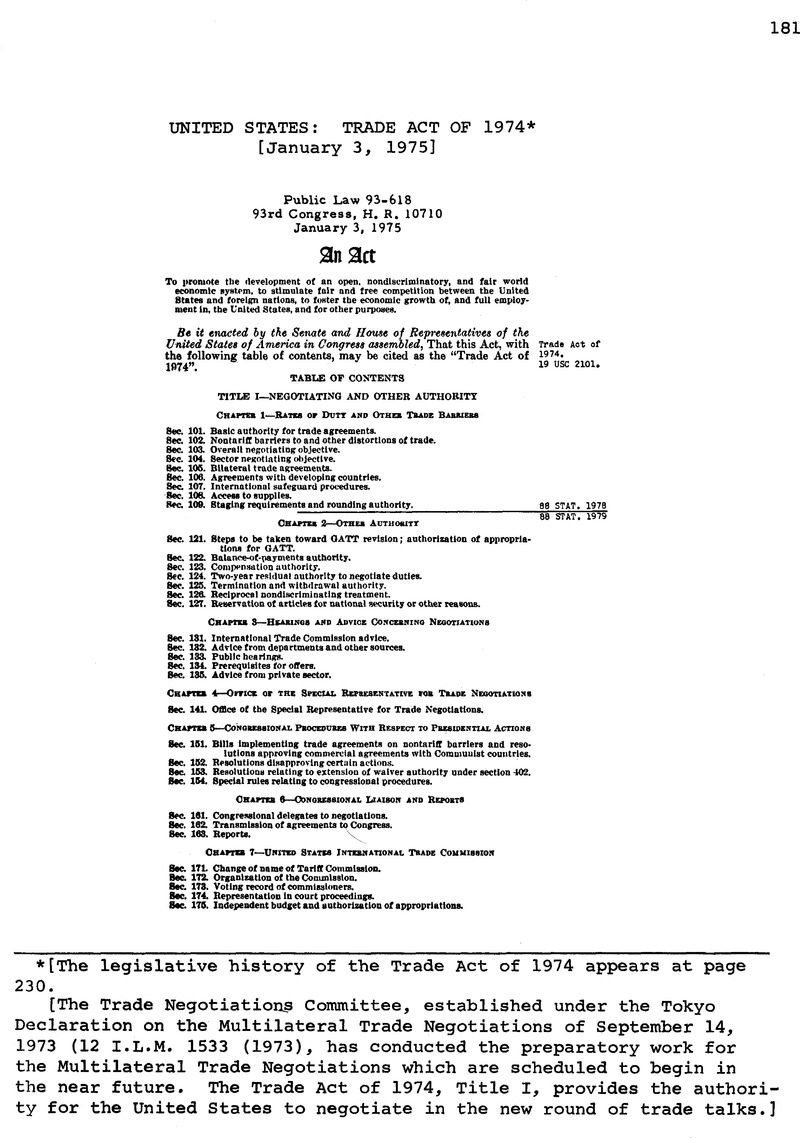
Definition and Purpose of Section 301 Tariffs
The primary purpose of Section 301 tariffs is to compel a trading partner to cease practices deemed unfair by the United States. These practices often include intellectual property theft, forced technology transfer, cyber intrusions into U.S. commercial networks, and other discriminatory policies that disadvantage American businesses and workers. The tariffs are not merely revenue-generating tools; they are intended as economic leverage to achieve specific policy changes from the targeted nation. Historically, these tariffs have been predominantly levied against goods originating from China, stemming from extensive investigations into Beijing's trade practices.
Types of Section 301 Tariffs
While often discussed broadly, Section 301 tariffs are typically applied in distinct "lists" or "tranches," each targeting specific categories of goods at varying ad valorem rates (a percentage of the imported good's value). For instance, early lists focused on industrial machinery, electronics, and aerospace components, while later lists expanded to include consumer goods. The USTR conducts periodic reviews of these lists, sometimes leading to exclusions for specific products, or, as has been a topic of recent internal discussion, potential modifications or extensions of the tariffs. These adjustments are often influenced by the ongoing trade negotiations, the effectiveness of the tariffs in achieving their stated goals, and the impact on U.S. industries and consumers.
Impact of Section 301 Tariffs on Global Trade
The ripple effects of Section 301 tariffs have been profound and far-reaching, fundamentally altering global supply chains and international trade relations. As of today, the ongoing presence of these tariffs continues to necessitate strategic adaptations from businesses worldwide.
Disruption to Global Supply Chains
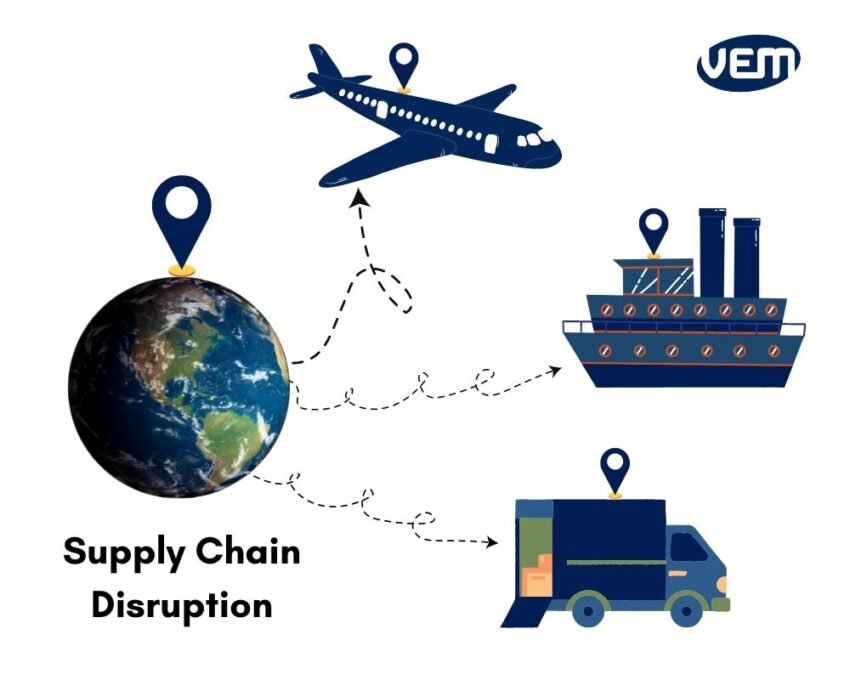
One of the most immediate and significant consequences of Section 301 tariffs has been the disruption of established global supply chains. Companies that traditionally sourced components or finished goods from targeted countries, primarily China, have faced increased costs due to the tariffs. This has forced many to re-evaluate their sourcing strategies, leading to a push towards diversification. Businesses have explored shifting production to other countries in Southeast Asia, Mexico, or even back to the United States. This "reshoring" or "nearshoring" trend, while offering potential long-term benefits in resilience, comes with considerable short-term costs associated with setting up new facilities, finding new suppliers, and navigating different regulatory environments.
Effects on Businesses and Consumers
For businesses, the tariffs translate directly into higher input costs. Manufacturers importing steel, aluminum, or electronic components from tariff-affected regions see their expenses rise, which can erode profit margins or necessitate price increases for their finished products. Retailers importing consumer goods face similar pressures. These increased costs are often passed on, at least partially, to consumers in the form of higher prices for a wide range of products, from electronics to clothing. Small and medium-sized enterprises (SMEs) are particularly vulnerable, often lacking the resources to absorb tariff costs or quickly relocate supply chains. The ongoing uncertainty surrounding tariff policy, a key aspect of current discussions, also makes long-term planning incredibly challenging for businesses.
Retaliatory Measures from Affected Countries
A predictable outcome of Section 301 tariffs has been retaliatory measures from the affected countries, notably China. Beijing has often responded by imposing its own tariffs on U.S. exports, targeting key American industries such as agriculture, automotive, and energy. This creates a challenging environment for U.S. exporters, who find their products suddenly more expensive and less competitive in crucial foreign markets. These retaliatory tariffs complicate the trade landscape further, transforming what might initially appear as a bilateral dispute into a multifaceted challenge impacting multiple sectors and global economic stability. The World Trade Organization (WTO) has often become a forum for disputes arising from these actions, though its dispute resolution mechanisms have also faced challenges in effectively addressing the scale of these trade tensions.
Navigating Section 301 Tariffs: Exemptions and Appeals
For businesses caught in the crossfire of Section 301 tariffs, understanding the avenues for relief is paramount. The USTR has, at various times, established processes for companies to seek exclusions from these duties, and the possibility of future exclusion rounds or extensions remains a topic of current interest.
Exemptions from Section 301 Tariffs
Eligibility for exemptions from Section 301 tariffs typically hinges on several factors. Historically, the USTR has considered whether a particular product is available only from the tariff-affected country, whether the tariff would cause severe economic harm to the U.S. importer or consumer, and if the product is strategically important or related to national security. The process is not universal for all goods; specific product categories or Harmonized Tariff Schedule (HTS) codes are usually subject to their own review and exclusion application periods. As of today, businesses are actively monitoring for any announcements regarding new exclusion processes or extensions of existing ones, given the ongoing discussions around tariff policy.
Application Process for Exemptions
The application process for exemptions is generally formal and highly detailed. It requires businesses to submit comprehensive data to the USTR, often through a public portal. This data typically includes information on the product's HTS classification, the volume and value of imports, the efforts made to source the product outside the tariff-affected country, and the economic impact of the tariff on the company and its customers. Evidence supporting claims of unique availability or severe economic harm is crucial. The process can be lengthy and competitive, with many applications submitted for a limited number of exclusions. Successful applications result in a refund of tariffs paid and future exemption for a specified period, though these exemptions are always subject to review and expiration.
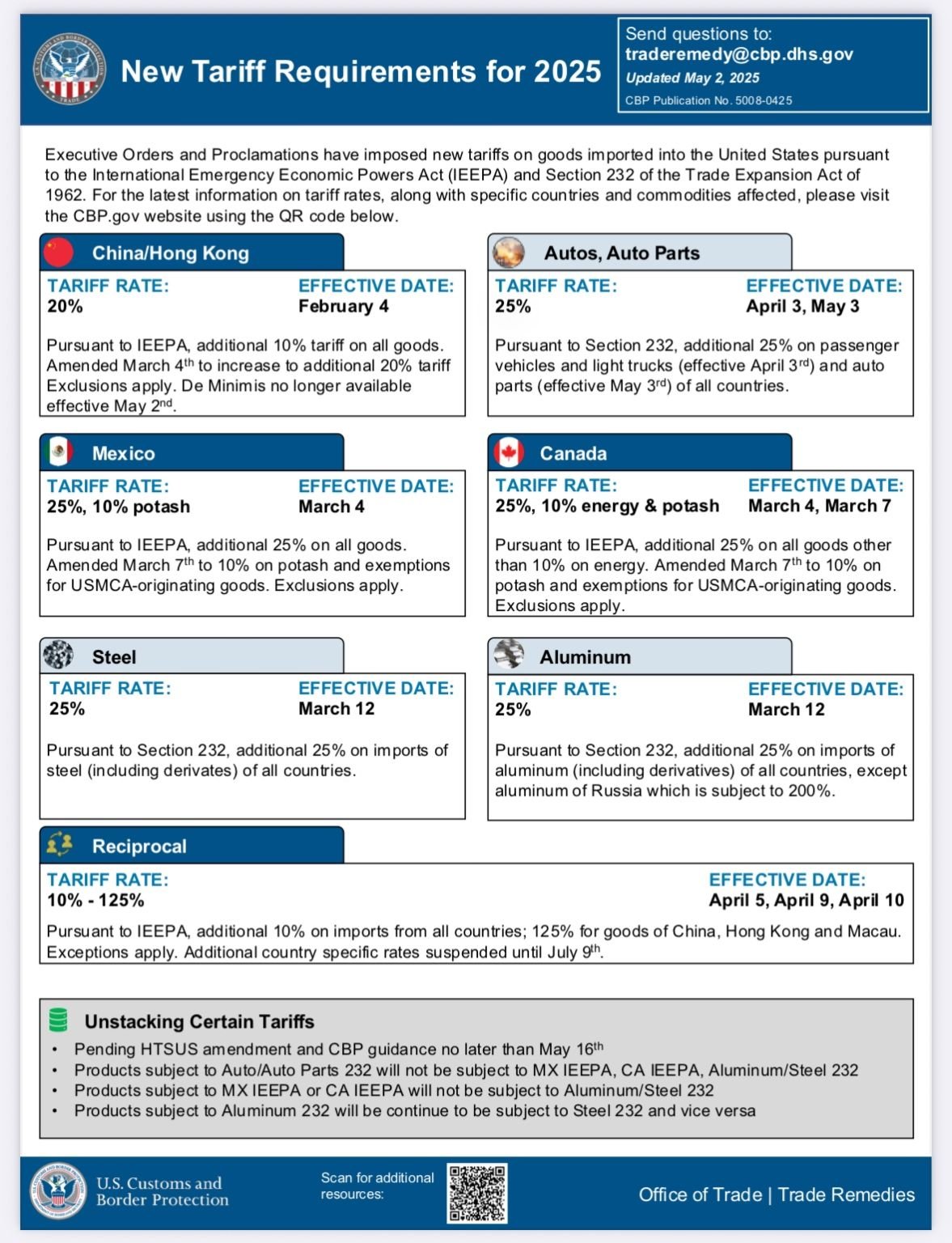
Pros & Cons of Section 301 Tariffs
Like any major trade policy, Section 301 tariffs come with a complex set of advantages and disadvantages, sparking continuous debate among economists, policymakers, and industry leaders.
Pros:
- Leverage for Fair Trade: Proponents argue that tariffs provide necessary leverage to pressure countries into addressing unfair trade practices like intellectual property theft and forced technology transfer, ultimately aiming for a more level playing field.
- Protection for Domestic Industries: Tariffs can offer a degree of protection to domestic industries that might otherwise struggle to compete with goods produced under different labor standards or with government subsidies in other countries.
- National Security Considerations: In some cases, tariffs are used to reduce reliance on foreign adversaries for critical goods, bolstering national security and supply chain resilience.
- Revenue Generation: While not their primary purpose, tariffs do generate revenue for the imposing government.
Cons:
- Increased Costs for Businesses and Consumers: As discussed, tariffs typically lead to higher import costs, which can be passed on as higher prices, impacting purchasing power.
- Supply Chain Disruption: Forcing companies to reconfigure established supply chains can be costly, inefficient, and time-consuming, leading to temporary shortages or delays.
- Retaliation and Trade Wars: Tariffs often invite retaliatory measures, escalating into broader trade disputes that harm exporters in both countries.
- Reduced Competitiveness: Domestic industries that rely on imported components for their final products can become less competitive globally due to increased input costs.
- Uncertainty: The fluctuating nature of tariff policies creates an unpredictable environment, making long-term business planning difficult and deterring investment.
Expert-Style Opinion
The enduring saga of Section 301 tariffs underscores a fundamental tension in global trade: the pursuit of fair competition versus the risks of economic fragmentation. While these tariffs have undeniably brought specific trade grievances to the forefront and compelled some changes in targeted nations' policies, their long-term efficacy remains a subject of intense debate. The ongoing discussions about their review and potential adjustments indicate a strategic recalibration, moving beyond punitive measures to a more nuanced approach that balances economic pressure with the imperative of maintaining stable, resilient supply chains. Businesses must prioritize agility and robust risk management in this perpetually evolving trade landscape.
FAQ
Here are answers to some frequently asked questions about Section 301 tariffs:
What is Section 301 of the Trade Act of 1974?
Section 301 of the Trade Act of 1974 is a U.S. law that empowers the President to take action, including imposing tariffs, against countries that engage in unfair trade practices, such as intellectual property theft, forced technology transfer, or other discriminatory acts that harm U.S. commerce.
How do Section 301 tariffs affect global trade?
They increase import costs, force companies to change suppliers, and can lead to retaliatory tariffs from affected countries, which impacts global trade balance and pricing.
Can I appeal a Section 301 tariff decision?
While direct appeals of the overall Section 301 tariff decision are generally not available, businesses can often appeal specific aspects, such as seeking an exclusion for their particular product from the tariff list, or challenging a customs classification that incorrectly applies a Section 301 tariff. This typically involves a formal application process to the USTR or a protest to US Customs and Border Protection (CBP), requiring detailed documentation and justification.
What are Section 301 tariffs?
Section 301 tariffs are a type of trade penalty imposed by the United States on goods from countries that engage in unfair trade practices, such as intellectual property theft, forced technology transfer, or other discriminatory policies, as determined by the USTR.
How do Section 301 tariffs affect global trade?
Section 301 tariffs significantly affect global trade by increasing costs for businesses, disrupting established global supply chains, leading to retaliatory tariffs from affected countries, and creating an environment of trade uncertainty. This can result in higher consumer prices and a reallocation of manufacturing and sourcing activities worldwide.
Can I get an exemption from Section 301 tariffs?
Yes, it has been possible to get an exemption (exclusion) from Section 301 tariffs during specific application windows. This requires a formal application to the USTR, demonstrating that your product meets certain criteria, such as unique availability from the targeted country or severe economic harm if the tariff is applied. The availability and criteria for these exemptions can change, and businesses must closely monitor USTR announcements.
Conclusion
The journey through the complex world of Section 301 tariffs is far from over. As of March 12, 2026, these measures continue to exert significant influence over global trade dynamics, prompting continuous adaptation from businesses and ongoing strategic deliberations from governments. While the initial imposition aimed to correct specific unfair trade practices, the tariffs have evolved into a permanent fixture of the international economic landscape, with their future always under review. For businesses, understanding the nuances of these tariffs, actively monitoring policy shifts, and proactively exploring avenues like tariff classifications, exemptions, and supply chain diversification, are not merely advisable-they are essential for survival and growth. The ability to navigate these complexities, adapting swiftly to policy changes and leveraging available relief mechanisms, will ultimately determine success in the ever-evolving global marketplace.
Related Media
Quick View: Understanding Section 301 Tariffs: A Comprehensive Guide





Comments 0
Leave a Reply
Your email address will not be published. Required fields are marked *
Be the first to share your thoughts!