Why Iran and Israel Are in Conflict: Latest Situation Explained Simply
The relationship between Iran and Israel is one of the most complex and volatile geopolitical dynamics in the Middle East. Far from a conventional "war" with declared battles, it is a multifaceted conflict characterized by proxy warfare, covert operations, cyberattacks, and intense diplomatic maneuvering. n recent years, tensions between Iran and Israel have continued to rise through indirect conflicts, proxy warfare, and cyber operations, making the region highly unstable. Understanding this intricate dance requires a look back at its origins and a clear-eyed assessment of its current, precarious state.
History of the Conflict
To grasp the present, we must first understand the past. The dynamic between Iran and Israel has undergone a dramatic transformation over the decades, shifting from a period of tacit cooperation to outright hostility.
Early Years of the Conflict (1948-1979)
Surprisingly, in the early years following Israel's establishment in 1948, relations with Iran under Shah Mohammad Reza Pahlavi were relatively cordial. Iran was the second Muslim-majority country, after Turkey, to recognize Israel de facto. Both nations shared strategic interests, particularly concerns about Arab nationalism and Soviet influence in the region. Covert trade, intelligence sharing, and even military cooperation occurred. This period was marked by a pragmatic, if often unacknowledged, alliance driven by shared geopolitical calculations rather than ideological affinity. However, this period of quiet cooperation was destined to be short-lived.
The Iranian Revolution and Its Impact (1979-1980)
The watershed moment arrived with the 1979 Iranian Revolution. The overthrow of the pro-Western Shah and the establishment of an Islamic Republic under Ayatollah Ruhollah Khomeini fundamentally reshaped Iran's foreign policy. The new regime adopted an anti-Zionist stance, viewing Israel as an illegitimate occupier of Muslim lands and a proxy for Western imperialism, particularly the United States. Israel, in turn, began to perceive revolutionary Iran as an existential threat. This ideological shift transformed a once-distant relationship into a direct and deeply entrenched rivalry, setting the stage for the decades of conflict we observe today.
Current Situation and Tensions
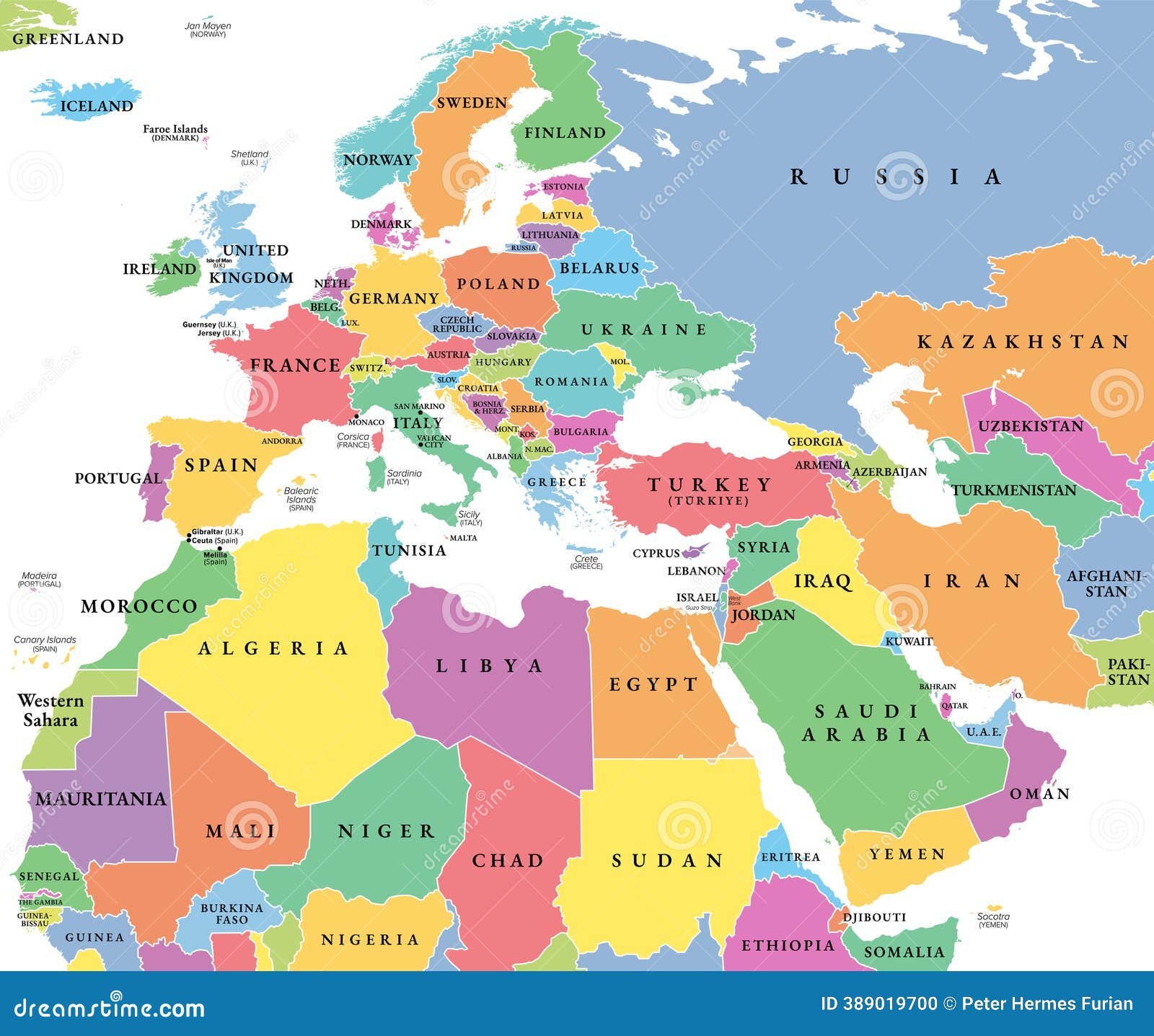
The "war" between Iran and Israel today is primarily a shadow war, fought through proxies, cyber warfare, targeted assassinations, and economic pressure rather than direct military confrontation. The past 24 hours have underscored the persistent, high-stakes nature of this undeclared conflict, with regional actors closely monitoring every development.
The Current Situation: Escalating Tensions (2010-Present)
The Iran-Israel conflict today is best described as a “shadow war,” where both countries avoid direct war but continue competing through allies, intelligence operations, and limited strikes in third-party countries like Syria and Lebanon.There have been recurring reports over time of cyber incidents and digital attacks affecting infrastructure in both countries, highlighting the growing role of cyber warfare in modern conflicts. While no direct large-scale military clashes were reported, the sustained level of rhetoric and low-intensity conflict signals a deeply entrenched and dangerous dynamic.
- Proxy Warfare: Iran extends its influence through regional allied groups such as Hezbollah in Lebanon and militias in Iraq and Syria. These groups act as indirect pressure points against Israel, allowing Iran to challenge Israeli security without direct military confrontation. These groups often act as Iran's forward operating bases, enabling it to project power and threaten Israel's borders without direct engagement. Israel, in turn, conducts frequent airstrikes in Syria, targeting Iranian weapons transfers and military installations, aiming to prevent the entrenchment of Iranian forces and the delivery of advanced weaponry to Hezbollah.
- Nuclear Program: Iran's nuclear program remains a central point of contention. Israel views a nuclear-armed Iran as an existential threat and has historically advocated for robust international sanctions and, if necessary, military action to prevent it. International efforts to revive the Joint Comprehensive Plan of Action (JCPOA) have faced significant hurdles, leaving the future of Iran's nuclear ambitions uncertain and fueling Israeli concerns.
- Maritime and Cyber Warfare: The conflict has expanded into new domains. There have been numerous reports of tit-for-tat attacks on commercial vessels in regional waters, often attributed to both sides. Cyber warfare is also a constant, with both nations reportedly engaging in sophisticated attacks on each other's critical infrastructure and intelligence networks.
- Regional Alliances: The conflict also plays out in the broader regional alignment. Israel has strengthened ties with several Arab states through the Abraham Accords, partly driven by a shared concern over Iranian influence. This shifting regional landscape adds another layer of complexity to the conflict.
Military and Diplomatic Efforts
Both Iran and Israel employ distinct strategies to achieve their objectives while attempting to avoid a full-scale direct confrontation that could have catastrophic regional consequences.
- Israel's "Campaign Between Wars": Israel's military doctrine involves a proactive "campaign between wars" (CBW) strategy. This entails frequent, low-profile military actions, primarily airstrikes in Syria and covert operations, designed to degrade Iranian capabilities, prevent the transfer of advanced weapons to proxies, and disrupt Iran's regional entrenchment, all without triggering a wider war. Israel also maintains a technologically advanced military, including air defense systems like the Iron Dome and a formidable air force.
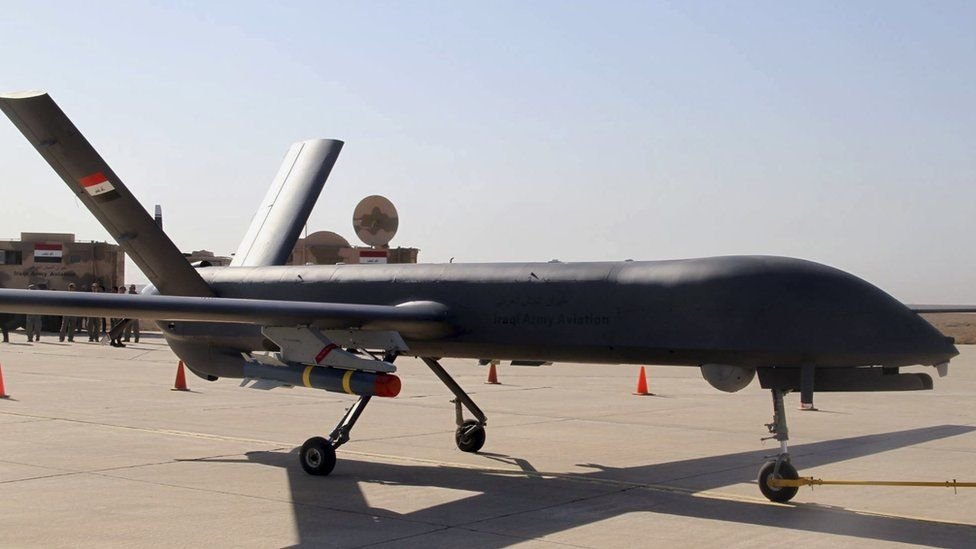
- Iran's Asymmetric Strategy: Iran, facing a technologically superior conventional Israeli military, relies on an asymmetric strategy. This involves developing a network of proxy forces, expanding its ballistic missile and drone capabilities, and investing in cyber warfare. The goal is to deter Israel through the threat of overwhelming proxy attacks and to maintain strategic depth across the region.
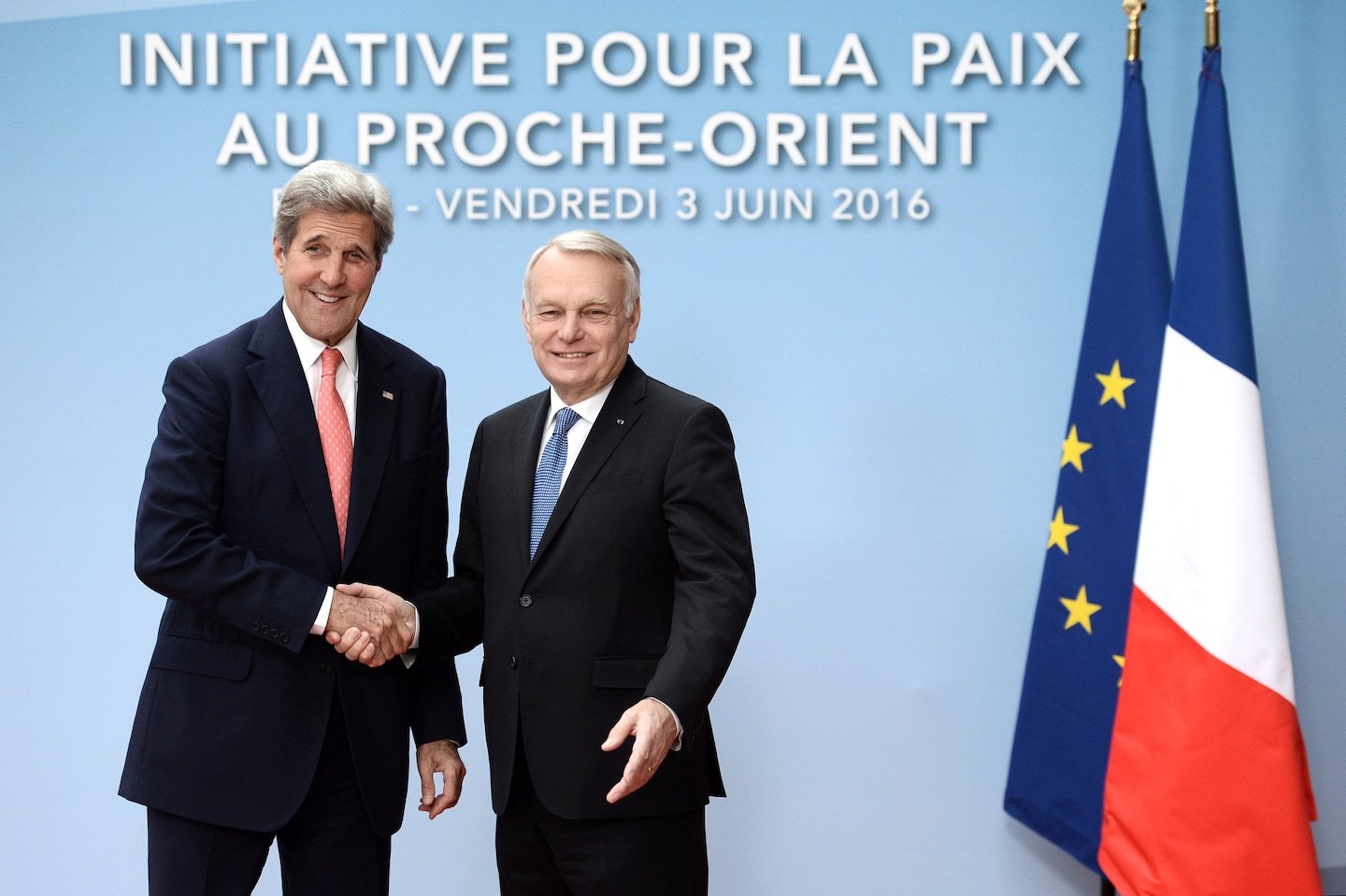
- Diplomatic Efforts and International Role: The United States plays a crucial role, providing significant military aid to Israel and imposing sanctions on Iran. International diplomacy, primarily through the UN and European powers, focuses on de-escalation, nuclear non-proliferation, and mediating regional conflicts where Iran and Israel's interests clash. However, these efforts often struggle to bridge the deep ideological and strategic divides.
Challenges and Pathways to De-escalation
The path to de-escalation is fraught with challenges, yet understanding potential avenues is crucial for regional stability.
Challenges:
- Deep-rooted Ideological Differences: The fundamental disagreement over Israel's existence and Iran's revolutionary ideology creates an almost insurmountable barrier to direct dialogue.
- Complex Proxy Networks: The reliance on proxies makes it difficult to attribute attacks definitively and to control escalation, as actions by non-state actors can quickly spiral.
- Nuclear Ambitions: Iran's nuclear program remains a core driver of tension, with Israel unwilling to tolerate a nuclear-armed Iran and Iran asserting its right to peaceful nuclear technology.
- Domestic Political Pressures: Leaders in both countries face domestic pressures that can make concessions or de-escalation politically costly.
- External Actors: The involvement of global powers like the United States, Russia, and China, each with their own interests, further complicates the regional landscape.
Pathways to De-escalation:
- Sustained Diplomatic Engagement: Even without direct talks, consistent back-channel diplomacy involving international mediators is essential to manage crises and prevent miscalculations.
- Confidence-Building Measures: Small, reciprocal steps to reduce military activities or improve transparency could gradually build trust, though this remains a distant prospect.
- De-escalation of Rhetoric: A conscious effort by leaders on both sides to temper inflammatory language could lower regional temperatures.
- Addressing Root Causes: Broader resolution of regional conflicts, particularly the Israeli-Palestinian issue and the Syrian civil war, could remove some of the fertile ground for proxy conflicts.
- Revived Nuclear Deal: A robust, verifiable nuclear agreement that addresses international concerns while respecting Iran's sovereign rights could remove a major flashpoint.
Expert-Style Opinion: The Iran-Israel conflict is a testament to the enduring power of ideology and strategic rivalry, evolving into a dangerous equilibrium of indirect confrontation. While full-scale war has been averted, the constant low-level conflict carries immense risks of miscalculation, with the potential to ignite a regional conflagration that would have devastating global consequences. Sustained, multilateral diplomatic pressure and a renewed focus on regional de-escalation are not just desirable, but absolutely critical to prevent the current shadow war from casting an even darker shadow over the Middle East.
FAQ
What is the main cause of the Iran-Israel conflict?
The main cause of the Iran-Israel conflict is the fundamental disagreement over Israel's existence, which Iran's revolutionary government views as an illegitimate entity. This ideological stance is coupled with Iran's support for Palestinian militant groups and its pursuit of regional influence, which Israel perceives as an existential threat.
Has there been any direct military conflict between Iran and Israel?
While there have been numerous incidents of military clashes, including Israeli airstrikes against Iranian targets in Syria and alleged Iranian-backed attacks on Israeli interests, there has not been a direct, declared war between the conventional armies of Iran and Israel. The conflict primarily manifests as a shadow war involving proxies, covert operations, and cyberattacks.
What role does the United States play in the Iran-Israel conflict?
The United States plays a significant role, primarily by providing substantial military aid and diplomatic support to Israel. It also imposes extensive sanctions on Iran, aiming to curb its nuclear program and destabilizing regional activities. The U.S. often acts as a mediator and a key player in international efforts to de-escalate tensions and negotiate with Iran.
What is the current status of the Iran-Israel conflict?
The conflict remains intensely tense and dynamic. As of March 2026, it is characterized by ongoing proxy warfare in countries like Syria and Lebanon, cyberattacks, maritime incidents, and a persistent focus on Iran's nuclear program. Both sides maintain a high state of readiness, and regional stability is perpetually fragile.
How has the Iran-Israel conflict affected the Middle East?
The conflict has profoundly contributed to regional instability, fueling proxy wars, exacerbating existing sectarian divisions, and leading to a significant arms race. It has been a major factor in the rise of various militant and extremist groups, and its dynamics often shape the alliances and rivalries among other Middle Eastern nations.
What are the implications of a potential war between Iran and Israel?
A direct, full-scale war between Iran and Israel would have catastrophic regional and global implications. It could lead to a wider conflict involving other regional and international powers, trigger a massive humanitarian crisis, severely disrupt global oil markets, and potentially involve the use of devastating conventional or even unconventional weapons. The ripple effects would be felt worldwide, making de-escalation a paramount international priority.
Conclusion
The Iran-Israel conflict is a deeply entrenched, multi-layered struggle with profound historical roots and immediate, dangerous implications. It is not a conventional war but a complex and evolving shadow conflict that shapes the entire Middle East. As of today, March 12, 2026, the region continues to navigate a delicate balance, where every action by one side risks a reaction from the other, potentially spiraling into a wider confrontation. The pursuit of peace and stability in this critical region demands not only constant vigilance but also innovative diplomatic solutions and a sustained commitment from the international community to foster genuine de-escalation. While the challenges are immense, the imperative for a pathway to a more secure future for all people in the Middle East remains undiminished.
Related Media
Quick View: The Ongoing Tensions: A Deep Dive into the Iran-Israel War





Comments 0
Leave a Reply
Your email address will not be published. Required fields are marked *
Be the first to share your thoughts!