
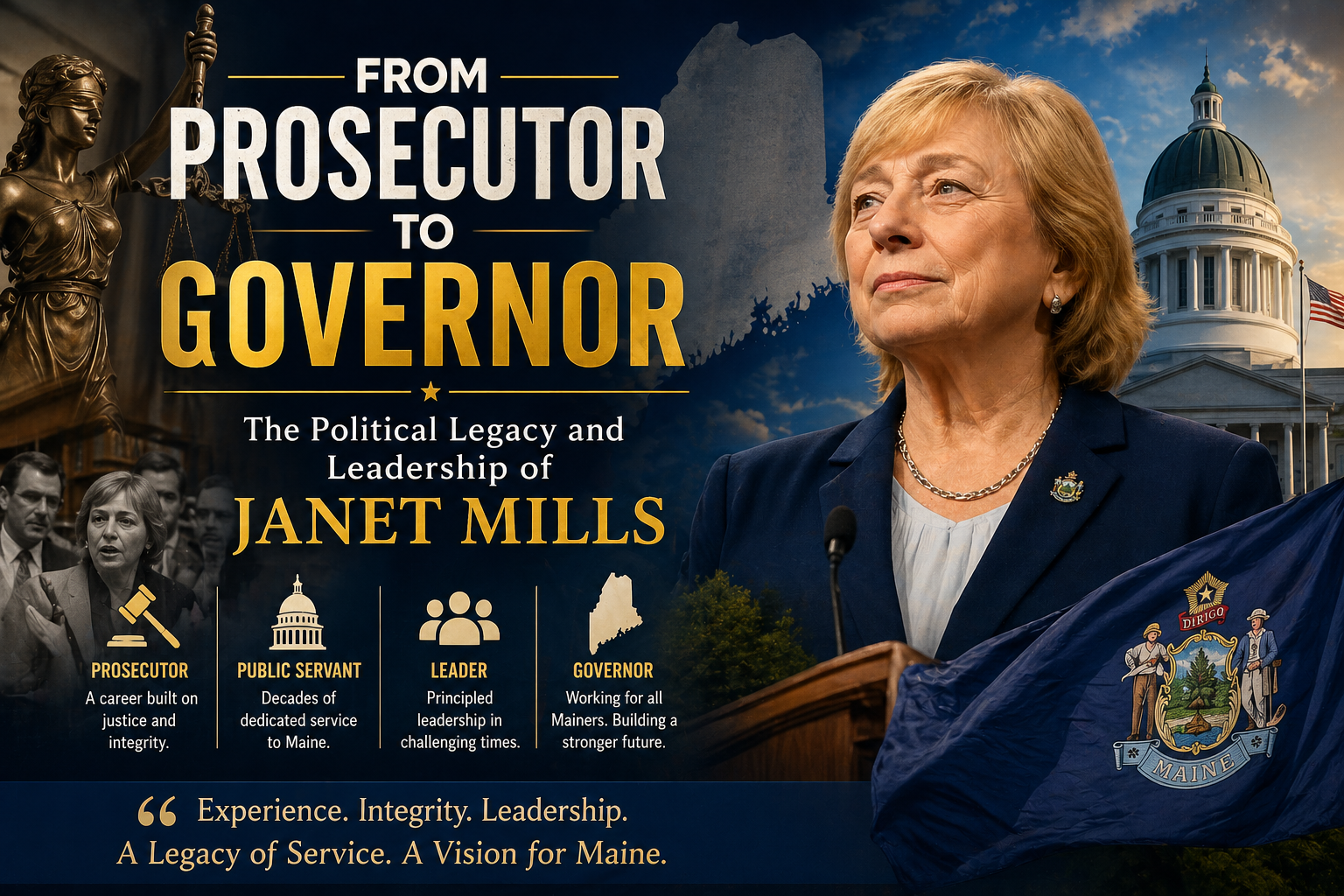
💡 From Prosecutor to Governor: The Political Legacy and Leadership of Janet Mills
Explore the career of Janet Mills, Maine's first female governor, from her early days as a prosecutor to her landmark policy shifts in healthcare and climate change.
Janet Mills is the 75th Governor of Maine, serving as the first woman to hold the state’s highest executive office. Her political legacy is defined by a career of breaking gender barriers, transitioning from a formidable career prosecutor and Attorney General to a pragmatic governor focused on expanding healthcare access, addressing climate change, and maintaining fiscal stability. Since taking office in 2019, she has shifted Maine’s trajectory by prioritizing Medicaid expansion and aggressive environmental goals while navigating the complexities of a purple state.
Introduction: Defining a New Era in Maine’s Political Landscape
When Janet Mills was sworn in as Governor in January 2019, it marked a significant pivot in Maine’s political history. After eight years of a highly confrontational administration under her predecessor, Mills campaigned on a promise of stability and "open doors." Her arrival signaled a shift toward a more collaborative relationship between the executive branch and the state legislature, as well as a renewed focus on social safety nets that had previously been stalled.
Her leadership style is deeply rooted in her identity as a Mainer. Born and raised in Farmington, she represents a brand of New England politics that values independence and practicality over rigid partisanship. This approach has allowed her to maintain high approval ratings in a state that contains both deeply liberal coastal enclaves and conservative rural interior regions.
The Legal Foundations: Janet Mills’ Early Career and Rise Through the Judicial System
Before entering the Blaine House, Mills spent decades within the judicial system. This background as a prosecutor is the lens through which she views governance. She served as the District Attorney for Androscoggin, Franklin, and Oxford Counties, making history as the first woman to be a DA in New England. In this role, she earned a reputation for being a "law and order" Democrat, a trait that would later help her appeal to moderate voters.
Following her time as a DA, she served in the Maine House of Representatives before being elected by the legislature as the State’s Attorney General. As AG, she was often the primary check on the executive branch, frequently clashing with the governor on issues ranging from voting rights to healthcare funding. These legal battles solidified her status as a champion for the rule of law and prepared her for the administrative challenges of the governorship.
Breaking the Glass Ceiling: A History of Firsts in the Pine Tree State
The career of Janet Mills is a series of broken barriers. She was the first woman to serve as Maine’s Attorney General and the first woman to represent her district as DA. Her election as Governor in 2018 was not just a personal victory but a symbolic milestone for the state. Unlike many politicians who emphasize their identity, Mills often focuses on her experience, yet the historical weight of her position remains a central part of her legacy.

Policy Priorities: Transforming Healthcare Access and Environmental Protection
Governor Mills’ first official act in office was signing an executive order to expand Medicaid (MaineCare), a move that provided health coverage to tens of thousands of Mainers. This had been a point of contention in the state for years, and her immediate action set the tone for her administration’s focus on public health.
Beyond healthcare, Mills has positioned Maine as a leader in environmental policy. She established the Maine Climate Council and set ambitious goals for the state to reach carbon neutrality by 2045. Her "Maine Won’t Wait" plan focuses on:
- Increasing the use of heat pumps in residential homes.
- Expanding electric vehicle infrastructure across rural Maine.
- Investing in offshore wind and renewable energy sources.
While these policies have been praised by environmentalists, they have also faced pushback from industries concerned about the cost of energy transitions and the impact on traditional fishing and logging sectors.
Economic Stewardship: Navigating Maine’s Fiscal Challenges and Growth Strategies
Managing the budget of a state with one of the oldest populations in the country requires a delicate balance. Mills has focused on fiscal responsibility by rebuilding the state’s "Rainy Day Fund" to record levels. Her economic strategy emphasizes workforce development, specifically targeting the labor shortage in healthcare, education, and the trades.
However, her economic record is not without criticism. Critics from the right argue that increased state spending and higher mandates on businesses have made Maine less competitive. Conversely, she has sometimes frustrated the progressive wing of her own party by vetoing tax increases on the wealthy, preferring to maintain a middle-of-the-road fiscal path.
The Leadership Philosophy: Balancing Pragmatism with Progressive Reform
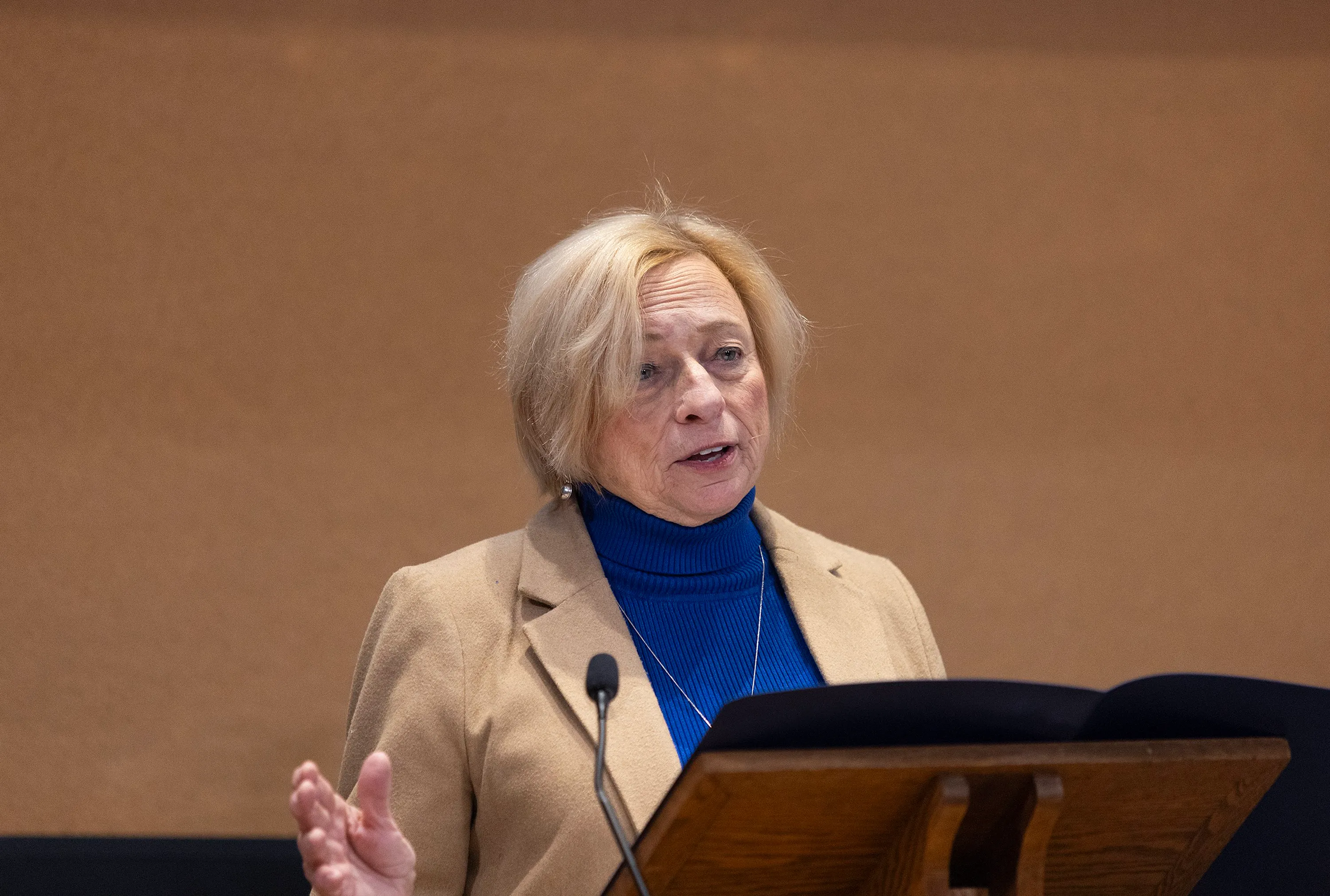
If there is one word that defines the Mills administration, it is pragmatism. She is a institutionalist who believes in the power of state government to improve lives, but she is wary of radical shifts. This is most evident in her stance on Maine’s tribal nations. While she has signed legislation to improve tribal-state relations, she has consistently opposed full tribal sovereignty, citing concerns over legal jurisdictional complexities—a stance that has caused significant friction with tribal leaders and progressive advocates.
This balancing act is her greatest strength and her most frequent point of criticism. By staying in the center-left, she remains electable in a divided state but often finds herself at odds with those seeking more transformative systemic changes.

Historical Impact: How the Mills Administration Shaped Modern Maine
The long-term impact of Janet Mills will likely be measured by the stability she returned to state government and her response to the COVID-19 pandemic. Under her leadership, Maine maintained some of the lowest infection and death rates in the country while also seeing significant inward migration as people moved to the state for its safety and natural beauty. This "population boom" has brought new challenges, such as a housing crisis, which her administration is currently tasked with solving.
Frequently Asked Questions About Governor Janet Mills’ Career and Background
What was Janet Mills' job before becoming Governor?
Before becoming Governor, Janet Mills served as the Attorney General of Maine. She also served in the Maine House of Representatives and was a longtime District Attorney.
What are Governor Mills' major achievements?
Her major achievements include the expansion of Medicaid on her first day in office, the creation of the Maine Climate Council, and overseeing the state's record-high budget stabilization fund.
Is Janet Mills a moderate or a progressive?
She is generally considered a moderate-to-liberal Democrat. While she supports progressive causes like abortion access and climate action, she is fiscally conservative in some areas and has taken moderate stances on tribal sovereignty and gun control.
How has she handled the Maine economy?
She has focused on workforce development and child care expansion to help more people enter the labor market, while also maintaining a large surplus in the state’s emergency reserves.
Conclusion: The Lasting Influence of Maine’s First Female Governor
Janet Mills has successfully navigated the transition from a tough-minded prosecutor to a multi-faceted executive leader. Her legacy is one of institutional repair and forward-looking policy. By focusing on healthcare, the environment, and fiscal health, she has modernized Maine’s government while respecting its traditional roots. Whether viewed as a pioneer for women in leadership or a pragmatic centrist, her influence on the Pine Tree State will be felt for generations as Maine continues to grapple with the balance between its heritage and its future.





Comments 0
Leave a Reply
Your email address will not be published. Required fields are marked *
Be the first to share your thoughts!