
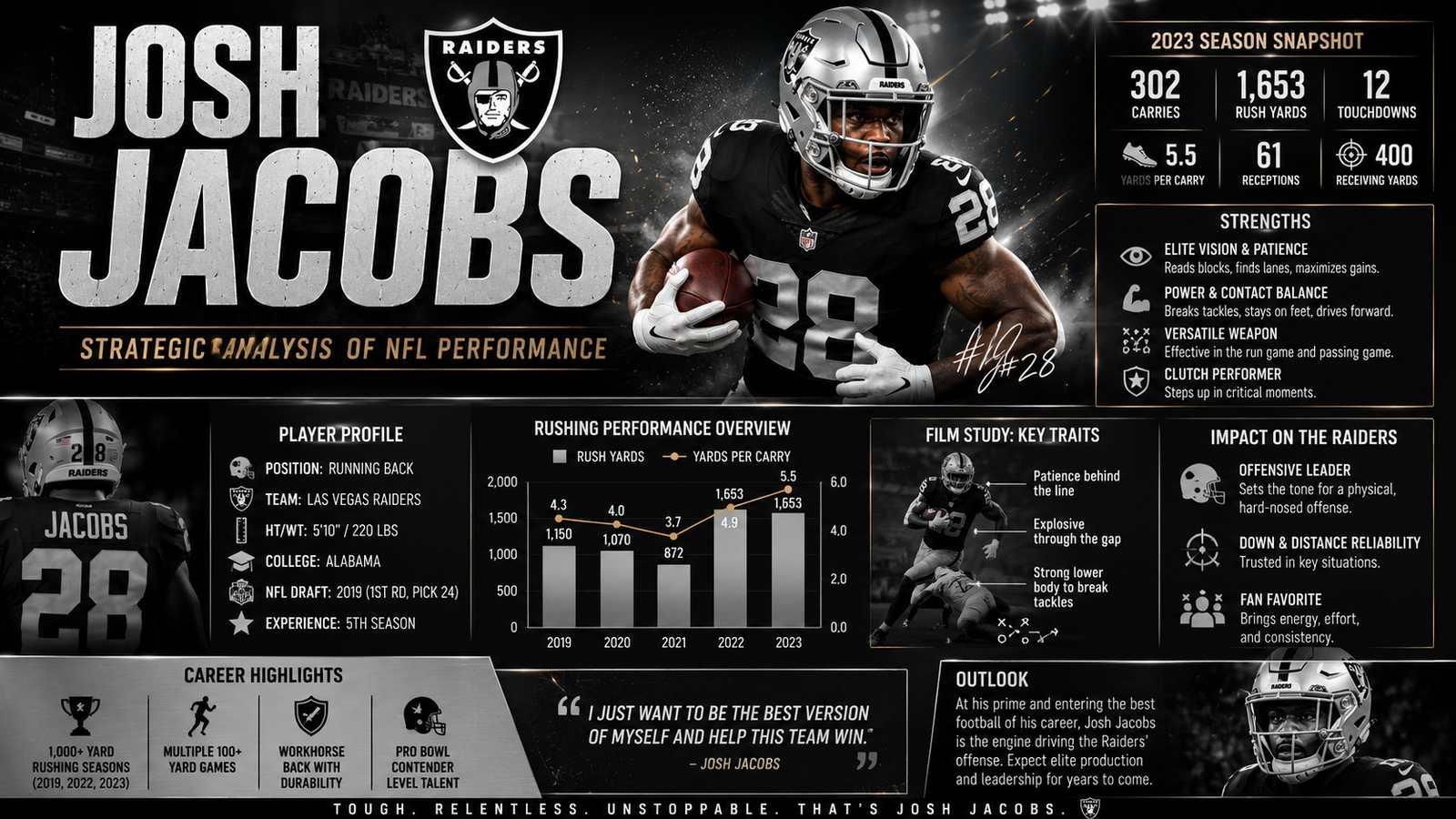
💡 Josh Jacobs: Strategic Analysis of NFL Performance
A comprehensive industry analysis of Josh Jacobs, covering his rushing statistics, contract value, and strategic impact on the Green Bay Packers and the NFL running back market.
Executive Summary
Josh Jacobs stands as a pivotal figure in the modern NFL landscape, representing the rare bell-cow running back in an era increasingly dominated by committee-based backfields. This strategic analysis highlights his 2022 rushing title, where he accumulated 1,653 yards, and his subsequent 2024 transition to the Green Bay Packers. Key data points indicate that Jacobs remains a high-volume asset, with a career average of over 4.2 yards per carry and a significant impact on offensive success rates. This report examines his physical running style, his contractual value in a fluctuating market, and his projected role within the Packers offensive scheme under Matt LaFleur.
Introduction
The running back position in the National Football League has faced a decade of scrutiny regarding longevity and financial valuation. Josh Jacobs, a former first-round pick out of Alabama, has consistently defied the narrative of rapid decline. By securing the NFL rushing title in 2022 and maintaining a heavy workload, Jacobs has positioned himself as a foundational offensive pillar. His move from the Las Vegas Raiders to the Green Bay Packers in March 2024 signifies a strategic shift for both the player and the franchise. Understanding his impact requires a look at the intersection of workload management, advanced metrics, and team-building philosophy. Similar to how analysts track performance in other high-stakes environments, such as the Nick Castellanos: Strategic Analysis of MLB Performance, evaluating Jacobs requires a balance of statistical output and situational context.
The Deep Dive: Quantitative and Qualitative Analysis
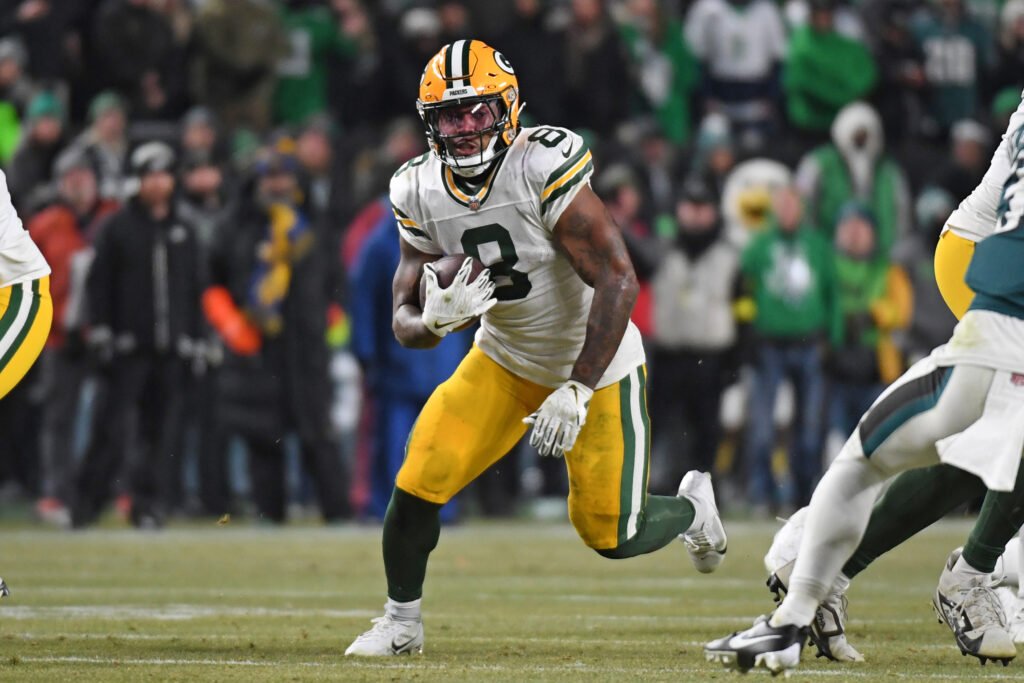
To understand the value of Josh Jacobs, one must first analyze the 2022 season, which remains his statistical benchmark. During that campaign, Jacobs led the league with 1,653 rushing yards and 2,053 yards from scrimmage. His 340 carries demonstrated a durability that few modern backs possess. According to Next Gen Stats, Jacobs excelled in yards after contact, averaging 3.24 yards per carry after the first defender made a play. This metric is crucial because it highlights a player's ability to create production independent of offensive line quality.
The transition to Green Bay is not merely a change of scenery but a calculated tactical move. The Packers replaced veteran Aaron Jones with Jacobs, seeking a more robust presence in the ground game to support young quarterback Jordan Love. Jacobs signed a four-year, $48 million contract, which places him among the top-tier earners at his position. This investment reflects the team's belief that a dominant run game is essential for play-action efficiency. In the 2023 season, despite a dip in overall yardage due to injury and team struggles, Jacobs maintained a high success rate on third-and-short situations, converting over 60 percent of those attempts into first downs.
Strategic comparisons can be drawn between Jacobs and other elite athletes who maintain peak performance under pressure. For instance, the consistency required to lead an offense is comparable to the leadership roles discussed in the Suryakumar Yadav: A Strategic Analysis of T20 Excellence report. Both athletes serve as the primary engines for their respective teams, where their presence alone dictates how the opposition structures their defense.
Key performance indicators for Jacobs include:
- Rushing Success Rate: A measure of whether a run gains the necessary yardage to keep the offense on schedule.
- Broken Tackle Percentage: Jacobs consistently ranks in the top 10 percent of the league in forced missed tackles.
- Pass Protection Efficiency: Unlike many pure runners, Jacobs is a reliable blocker, which keeps him on the field for all three downs.
The Economic Impact of the Running Back Market
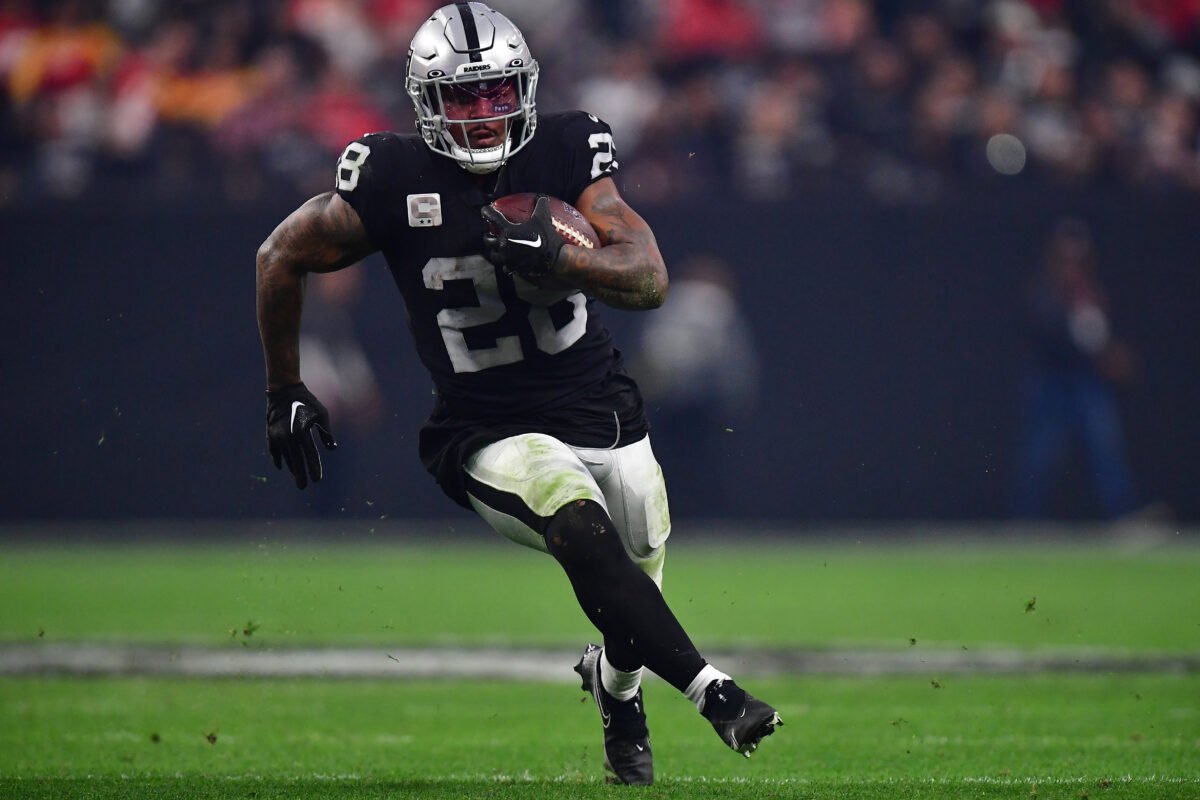
The financial trajectory of Josh Jacobs provides a case study for the NFL salary cap. In 2023, the Raiders utilized the franchise tag on Jacobs, a move that led to a summer-long holdout. This situation underscored the tension between players seeking long-term security and teams wary of the high injury risk associated with the position. His eventual $12 million average annual value (AAV) with the Packers sets a benchmark for future free agents like Saquon Barkley and Jonathan Taylor. Industry experts note that the Packers structured the contract with a significant signing bonus to mitigate immediate cap hits while providing Jacobs with the guaranteed liquidity he sought.
What This Means For You
For the average fan or fantasy football enthusiast, the Josh Jacobs era in Green Bay offers several actionable insights. First, his volume is expected to remain high, making him a primary target in heavy-usage offensive systems. Second, his presence changes the betting lines for the NFC North, as the Packers now possess a more traditional power-running identity. For those following sports strategy, Jacobs represents the importance of versatility; his ability to catch passes out of the backfield adds a layer of complexity that defensive coordinators must account for every Sunday.
Expert Verdict and Future Outlook
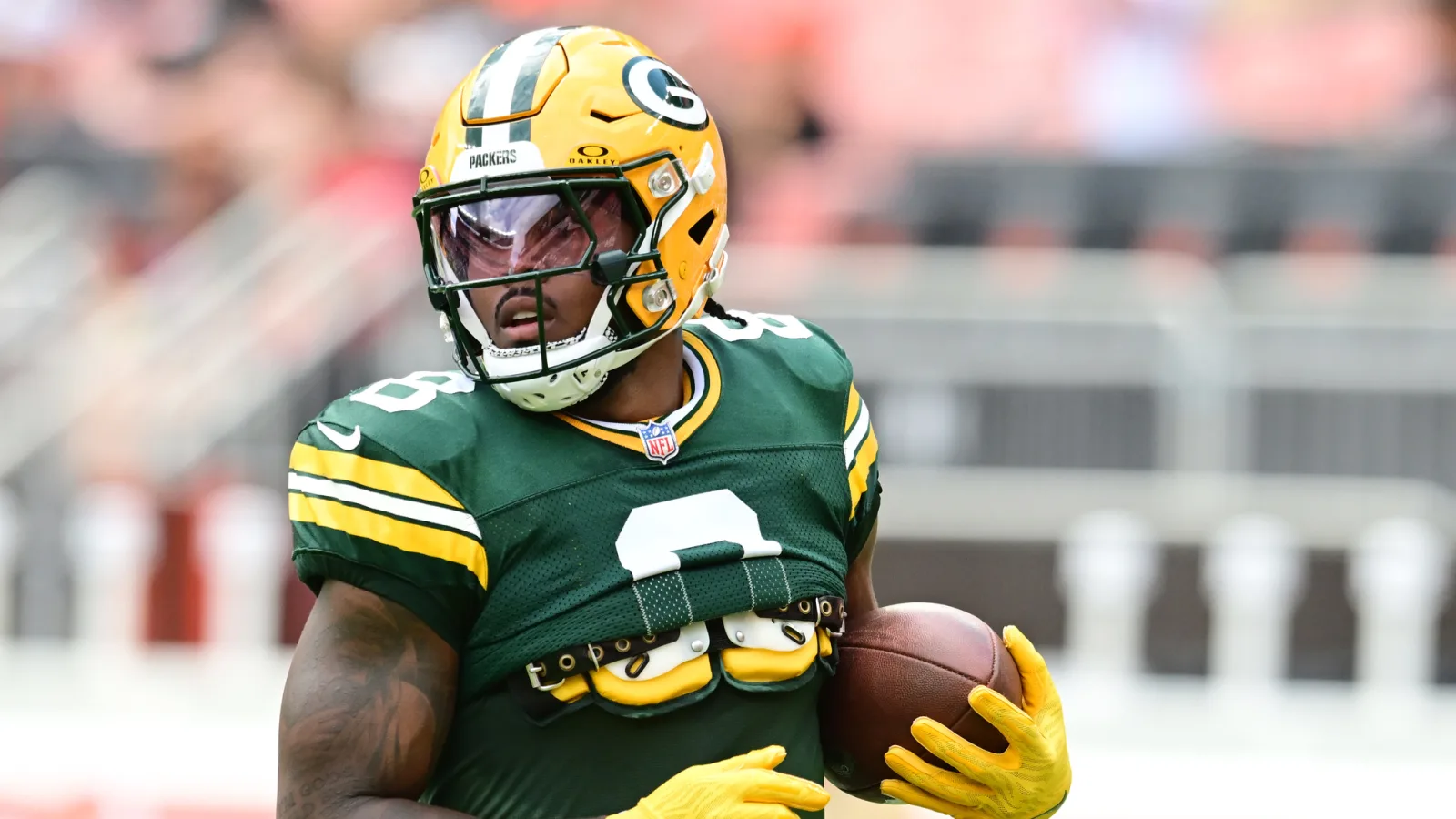
The consensus among NFL scouts and analysts is that Josh Jacobs is entering the second phase of a potential Hall of Fame trajectory. While the age of 26 is often seen as the beginning of the end for some backs, Jacobs has shown remarkable physical resilience. His fit in Matt LaFleur's zone-blocking scheme is theoretically perfect, as it allows him to utilize his vision to find cutback lanes. If he stays healthy, Jacobs is projected to surpass 1,200 rushing yards and 10 touchdowns in the 2024-2025 season. The strategic takeaway is that the Packers have prioritized offensive balance to protect their investment in the quarterback position.
Frequently Asked Questions
How many rushing yards does Josh Jacobs have in his career?
As of the start of the 2024 season, Josh Jacobs has accumulated over 5,500 rushing yards and 46 rushing touchdowns. He has consistently been a top producer since being drafted in 2019.
Why did Josh Jacobs leave the Las Vegas Raiders?
Jacobs left the Raiders primarily due to contract negotiations. After being franchise-tagged in 2023, he sought a long-term deal that the Raiders were hesitant to provide at his requested price point. The Green Bay Packers offered a structure that met his financial and career goals.
What is the length and value of Josh Jacobs' current contract?
Josh Jacobs signed a four-year, $48 million contract with the Green Bay Packers in March 2024. The deal includes significant guarantees and a $12.5 million signing bonus.
Is Josh Jacobs considered an All-Pro player?
Yes, Josh Jacobs earned First-team All-Pro honors in 2022 after leading the NFL in rushing yards and total yards from scrimmage. He is also a multi-time Pro Bowler.
How does Josh Jacobs impact fantasy football rankings?
Jacobs is generally viewed as a high-end RB1 (Running Back 1) due to his guaranteed volume of carries and his role as a goal-line back. His move to a high-scoring offense like Green Bay typically increases his fantasy value.
Conclusion
Josh Jacobs remains a cornerstone of NFL offensive strategy. His transition to the Green Bay Packers marks a significant moment in the league, proving that elite running backs still command high market value when they offer three-down versatility. By analyzing his 2022 peak and his current tactical fit, it is clear that Jacobs will be a defining factor in the NFC North title race. His career serves as a blueprint for balancing high-usage physical play with professional longevity.




Comments 0
Leave a Reply
Your email address will not be published. Required fields are marked *
Be the first to share your thoughts!