💡 Where is Kent meningitis outbreak?
Explore the details of the Kent meningitis outbreak, including critical symptoms, vaccination guides, and essential health lessons for residents in India and abroad.
What is the Kent Meningitis Outbreak?
Meningitis is a serious and potentially life-threatening condition characterized by the inflammation of the protective membranes covering the brain and spinal cord. These membranes are known as meninges. The situation in Kent has drawn significant attention from health authorities and the public alike due to the rapid nature of the infection and its impact on the community. According to global health analysts, outbreaks of bacterial meningitis, particularly those involving the Neisseria meningitidis bacteria, require immediate public health intervention to prevent widespread transmission.
The Kent outbreak was mainly caused by Meningococcal Group B (MenB), a leading bacterial strain responsible for meningitis worldwide. This specific strain is a leading cause of bacterial meningitis in many parts of the world. While health agencies have indicated that the outbreak has passed its peak, the event serves as a critical case study in disease surveillance and the importance of community-wide awareness. For people in India, especially those with family members studying or working in the United Kingdom, understanding the mechanics of this outbreak is vital for maintaining health security.

What are the Primary Symptoms of Meningitis?
Recognizing the symptoms of meningitis early can be the difference between a full recovery and permanent neurological damage. Experts suggest that the symptoms often mimic those of a common flu or a severe hangover in the early stages, which can lead to dangerous delays in seeking medical help. It is essential to monitor for a combination of the following signs:
- High Fever and Chills: A sudden onset of high temperature is often the first sign.
- Severe Headache: This is typically described as more intense than a standard migraine.
- Stiff Neck: Difficulty in touching the chin to the chest is a classic clinical sign of meningeal irritation.
- Sensitivity to Light: Also known as photophobia, where bright lights cause discomfort or pain.
- Confusion or Altered Mental State: Patients may become drowsy, confused, or difficult to wake.
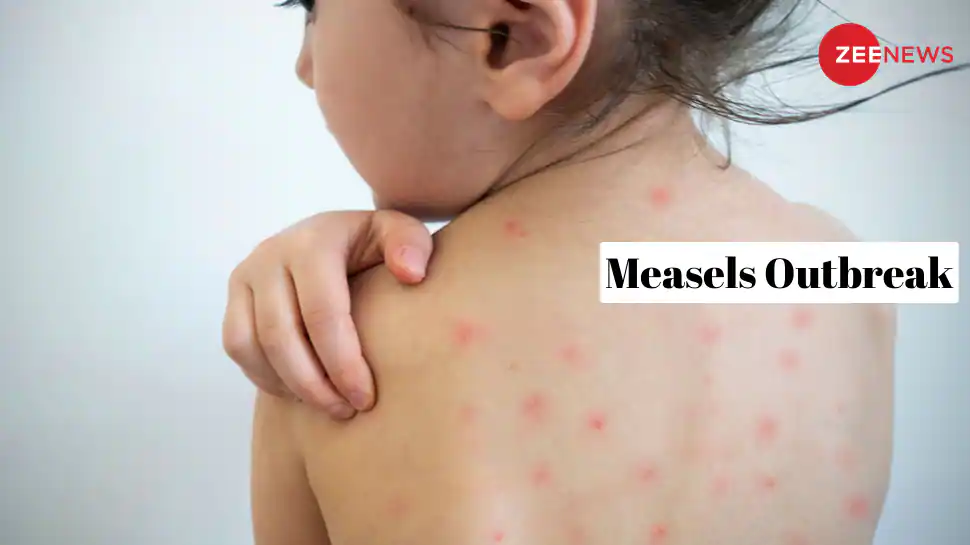
- Non-Blanching Rash: A rash that does not fade when a glass is pressed against it is a medical emergency.
As per recent industry reports, the glass test or tumbler test is one of the most effective ways for parents and caregivers to identify the meningococcal rash at home. If the red or purple spots remain visible through the glass, it indicates septicaemia (blood poisoning), which often accompanies meningitis.
How Does Meningitis Spread in Communities?
Bacterial meningitis spreads through close contact, such as coughing, sneezing, or sharing utensils. About 1 in 10 people carry the bacteria in their nose and throat without falling ill. These individuals are known as carriers. However, the bacteria can be passed to others through coughing, sneezing, or intimate contact such as kissing. Outbreaks are most common in environments where people live in close quarters, such as university dormitories, boarding schools, and military barracks.
In the Kent case, the concentration of young adults in educational institutions provided a fertile ground for the bacteria to circulate. Public health officials emphasize that while the bacteria do not live long outside the human body, the density of social interactions in these settings necessitates high levels of hygiene and vigilance. For international students from India residing in such environments, maintaining personal hygiene and avoiding the sharing of drinks or utensils is a primary preventive measure.
How to Prevent Meningitis: The Role of Vaccination
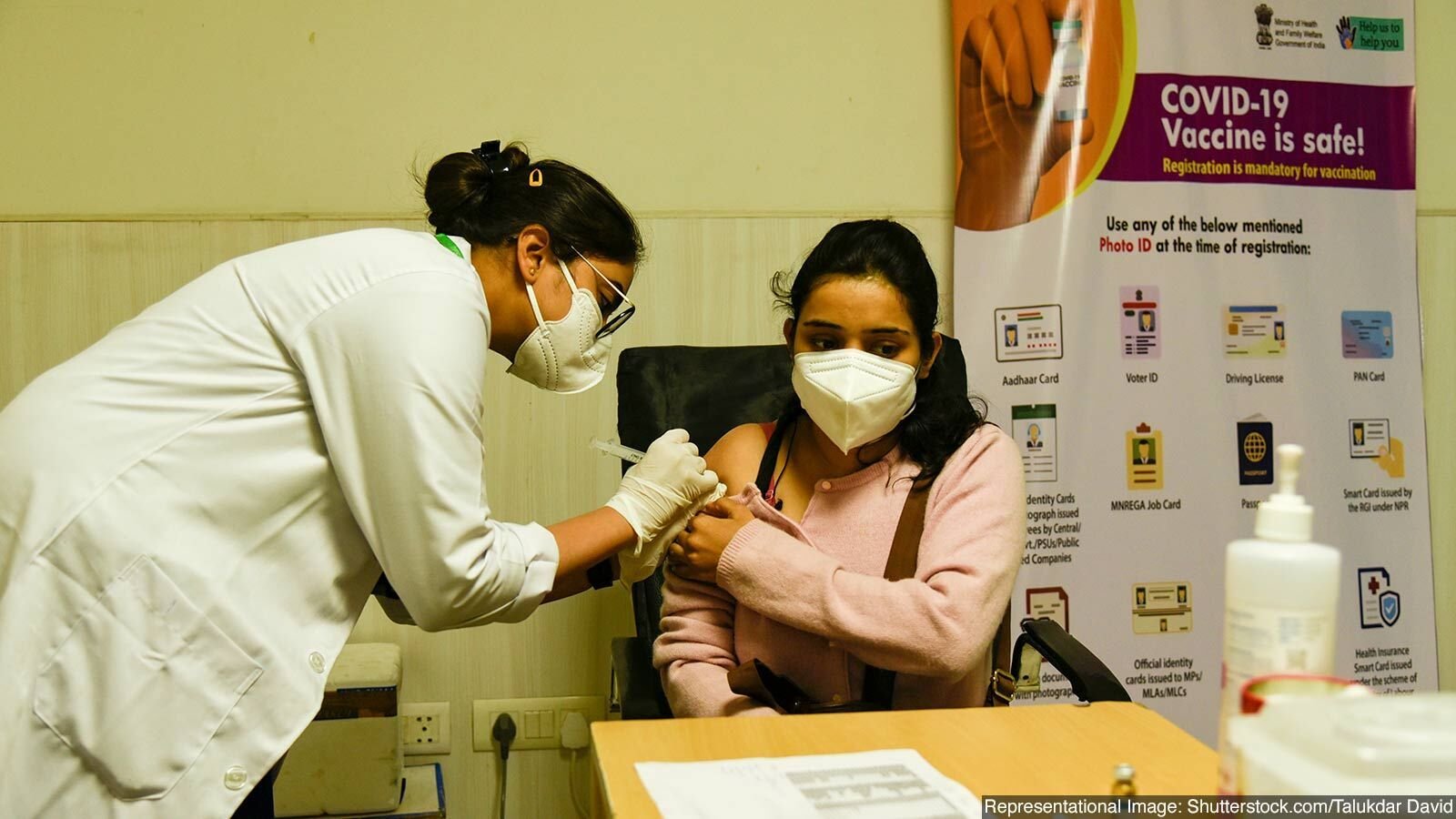
Vaccination remains the single most effective tool in preventing meningitis. There are several types of vaccines designed to protect against different strains of the bacteria. According to public health guidelines, the following vaccines are critical for long-term protection:
- MenACWY Vaccine: This protects against four strains of meningococcal bacteria (A, C, W, and Y). It is routinely offered to teenagers and first-time university students.
- MenB Vaccine: Specifically targets the Group B bacteria, which was a major concern in the Kent outbreak. This is often administered to infants but is increasingly recommended for high-risk groups.
- Pneumococcal Vaccine: Protects against meningitis caused by Streptococcus pneumoniae.
- Hib Vaccine: Protects against Haemophilus influenzae type b.
Clinical data suggests that high vaccination coverage creates herd immunity, significantly reducing the number of carriers in a population. For travelers and students moving from India to the UK, ensuring that all vaccinations are up to date before departure is a mandatory safety step.

Why is the Kent Outbreak Relevant to India?
While the outbreak occurred in the UK, the lessons are globally applicable. India has its own history with meningitis, particularly in the northern regions. The high population density in Indian metropolitan cities like Delhi, Mumbai, and Bangalore creates a similar risk profile to the congregate settings seen in Kent. Furthermore, the global nature of travel means that health crises in one region can quickly become a concern for another.
Experts suggest that India can learn from the Kent public health response, which involved rapid testing, contact tracing, and the administration of prophylactic antibiotics to those in close contact with confirmed cases. Strengthening the diagnostic infrastructure in India to quickly identify specific bacterial strains can help in managing localized clusters before they turn into major outbreaks.
Common Mistakes and Misconceptions
One of the most common mistakes is waiting for the rash to appear before seeking medical help. Not all patients with meningitis develop a rash. If a person exhibits a stiff neck, high fever, and light sensitivity, medical attention should be sought immediately, regardless of whether a rash is present. Another misconception is that meningitis only affects children. While infants are at high risk, teenagers and young adults are also highly vulnerable due to their social behaviors and living conditions.
Additionally, many people confuse viral meningitis with bacterial meningitis. While viral meningitis is more common and usually less severe, bacterial meningitis is a medical emergency that can cause death within hours. Distinguishing between the two requires professional medical diagnosis through a lumbar puncture and blood tests.
Pro Tips for Health Safety
- Maintain a Symptom Diary: If you or a loved one feels unwell, track the progression of symptoms hourly. Meningitis moves fast.
- Check Vaccination Records: Before starting university or traveling abroad, verify your immunization status for MenACWY and MenB.
- Practice Good Hygiene: Regular handwashing and avoiding shared water bottles can reduce the risk of transmission.
- Trust Your Instincts: If a patient’s condition is deteriorating rapidly, do not wait for a GP appointment: go straight to the emergency department.
Frequently Asked Questions
What is the main cause of the Kent meningitis outbreak?
The outbreak was primarily associated with Meningococcal Group B (MenB) bacteria. This strain is known for causing rapid-onset inflammation of the brain and spinal cord membranes and can lead to severe complications if not treated with intravenous antibiotics immediately.
How can you tell if a rash is meningitis?
The most reliable method is the tumbler test. Press a clear glass firmly against the rash. If the marks or spots do not fade and remain clearly visible through the glass, it is a sign of septicaemia related to meningitis and requires urgent medical care.
Who is most at risk for contracting meningitis?
Infants, adolescents, and young adults (especially those in university dorms) are at the highest risk. People with weakened immune systems or those traveling to areas with known outbreaks are also more vulnerable to the infection.
Are meningitis vaccines available in India?
Yes. Vaccines like MenACWY and MenB are available in India, especially recommended for travelers to high-risk areas.
What should you do if you suspect someone has meningitis?
Meningitis is a medical emergency. You should immediately call emergency services or take the person to the nearest hospital. Early treatment with antibiotics is crucial for survival and reducing the risk of long-term disabilities like hearing loss or brain damage.
Important Note: Medical Disclaimer: This information is not intended to be a substitute for professional medical advice, diagnosis, or treatment. Always seek the advice of your physician or other qualified health provider.
Conclusion
The Kent meningitis outbreak serves as a vital reminder of the speed and severity of bacterial infections in modern society. By understanding the symptoms, such as the non-blanching rash and stiff neck, and prioritizing vaccinations like MenACWY and MenB, individuals can significantly reduce their risk. Public health vigilance and rapid medical response remain the best defenses against such life-threatening health events.
Related Media
Quick View: Understanding the Kent Meningitis Outbreak: A Comprehensive Guide to Symptoms, Prevention, and Public Health Safety





Comments 0
Leave a Reply
Your email address will not be published. Required fields are marked *
Be the first to share your thoughts!