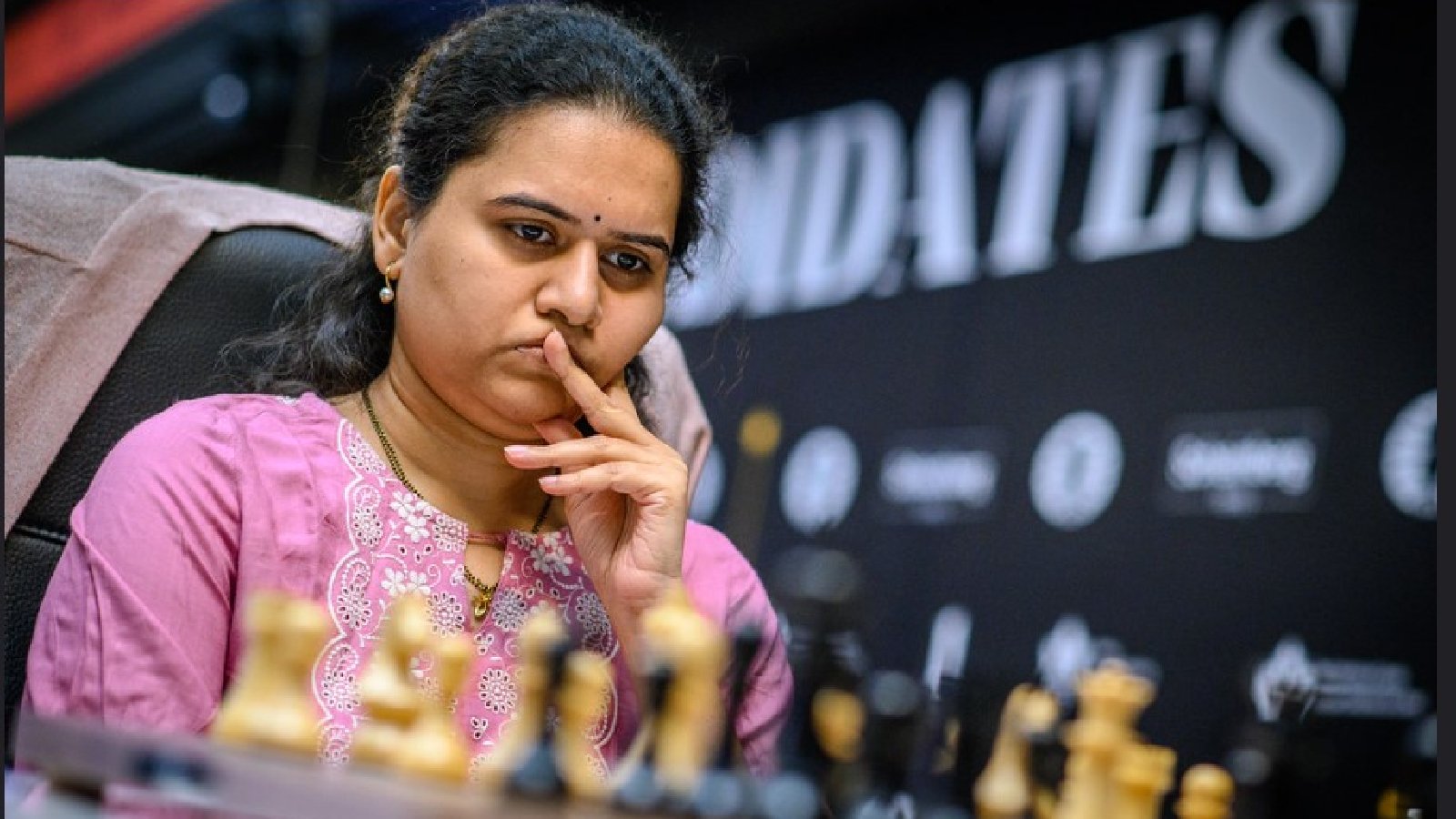
💡 Where is Humpy chess?
Explore the illustrious career of Koneru Humpy, her impact on Indian chess, and the complexities behind professional tournament participation and venue selection.
Who is Koneru Humpy?
Koneru Humpy is a name that resonates with excellence in the world of international chess. Born in Gudivada, Andhra Pradesh, she emerged as a prodigy who would eventually shatter glass ceilings for women in sports across India. As the youngest woman to achieve the title of Grandmaster at the age of 15 years and 1 month, she didn't just break records: she set a new standard for excellence. According to global chess analysts, Humpy's career represents the bridge between the traditional era of Indian chess and the modern explosion of talent we see today.
Humpy was introduced to the game by her father, Koneru Ashok, who recognized her talent early on. Her journey from winning the World Youth Chess Championship to becoming the World Rapid Chess Champion in 2019 showcases a trajectory of consistent growth and resilience. In the context of Indian sports history, Humpy is often cited as a pivotal figure who proved that Indian women could dominate at the highest levels of intellectual sports, paving the way for the likes of R. Vaishali and Harika Dronavalli.

What is the FIDE Candidates Tournament?
To understand the significance of a player like Koneru Humpy, one must understand the ecosystem of professional chess. The FIDE Candidates Tournament is perhaps the most grueling and prestigious event in the chess calendar. It is the final hurdle before the World Chess Championship. The winner of this tournament earns the right to challenge the reigning World Champion for the crown. For any professional player, qualifying for the Candidates is a career-defining achievement.
The tournament features the top-rated players in the world, selected through various qualification paths including the World Cup, the Grand Swiss, and rating spots. As per recent industry reports, the selection of venues for these high-stakes tournaments often involves complex logistics, including visa arrangements, security protocols, and financial backing. When a top-tier player like Humpy decides to withdraw or raises questions about the tournament structure, it sends ripples through the international chess community.
How did Koneru Humpy Impact Indian Chess?
Humpy’s impact on Indian chess is multifaceted. Before the recent surge of teenage Grandmasters from India, Humpy was a lone warrior in the top echelons of the women’s game. Experts suggest that her technical style, characterized by a deep understanding of positional play and endgame precision, has influenced a generation of players. She brought a level of professionalism and psychological toughness that became a blueprint for younger athletes.
- Pioneering Success: Being the first Indian woman to cross the 2600 Elo rating mark.
- Global Representation: Consistently maintaining a top-5 world ranking for over a decade.
- Mental Fortitude: Her ability to return to the game after a maternity break and win the World Rapid Championship is often cited as an example of elite athletic discipline.
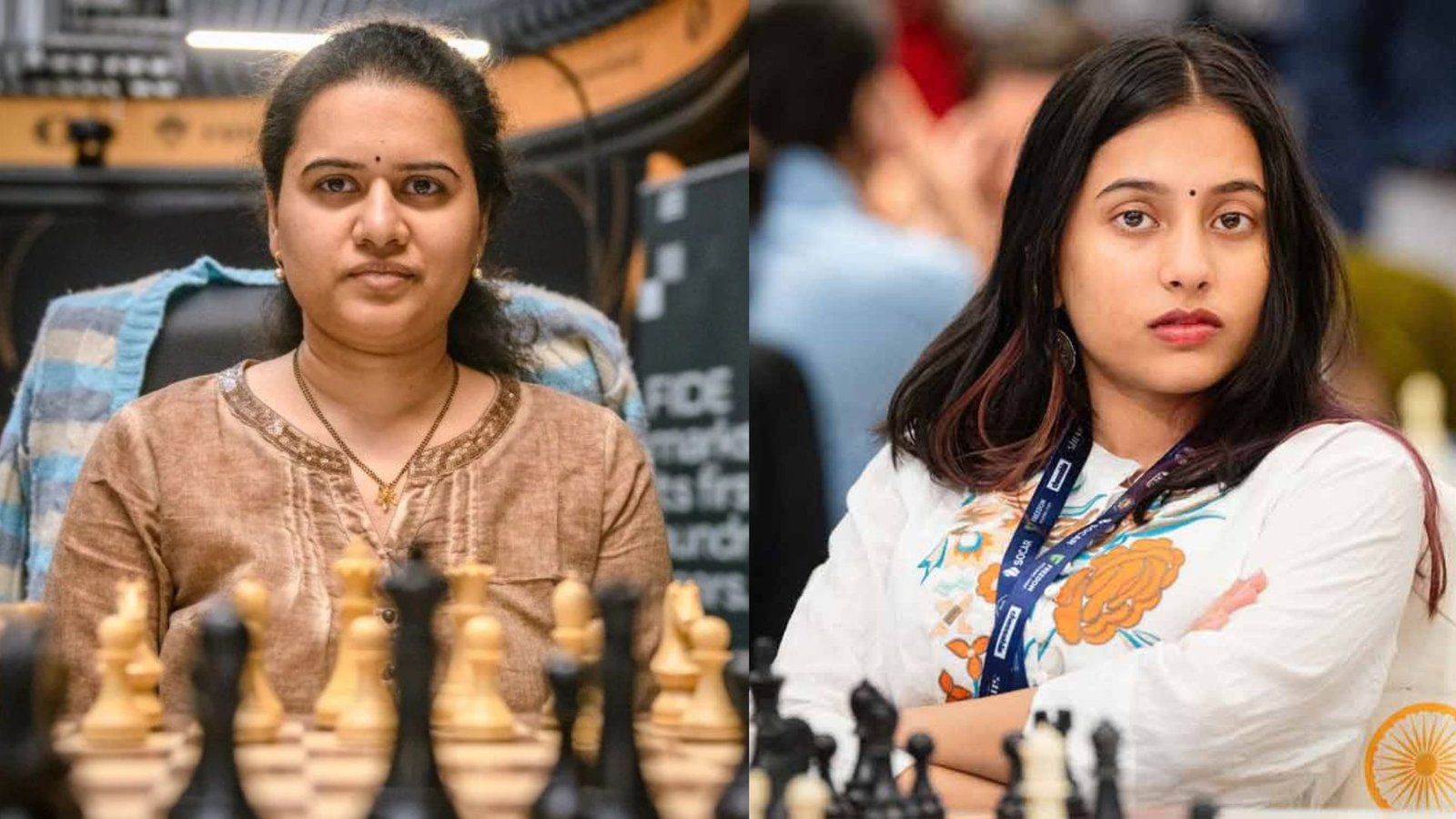
Why do Players Raise Concerns Over Venue Selection?
The logistics of international chess are more complicated than they appear. In a notable discussion regarding the selection of tournament locations, Humpy raised critical questions about the consistency of governing bodies like FIDE. Specifically, she pointed out the challenges faced by players when tournaments are held in regions with difficult visa processes or logistical hurdles. Her rhetorical question regarding whether FIDE would hold tournaments in places like Kashmir was a call for parity and a critique of how certain regions are prioritized over others based on geopolitical convenience.
According to sports governance experts, the choice of a venue can significantly affect a player's performance. Factors such as travel time, climate, food, and administrative ease (like visas) play a massive role. When Humpy highlighted the disparity in how venues are chosen, she was advocating for a more balanced approach that considers the convenience of players from all continents, not just those in Europe or North America. This perspective is vital for the globalization of the sport, ensuring that players from the Global South are not systematically disadvantaged by travel logistics.
What are the Core Concepts of Humpy’s Playstyle?
Analyzing Humpy's games reveals a player who thrives on clarity and structural stability. Unlike players who rely on chaotic tactical complications, Humpy often prefers a solid foundation. As per technical chess commentary, her strengths include:
- Positional Dominance: She excels at slowly improving her pieces until the opponent’s position becomes untenable.
- Endgame Mastery: Humpy is widely regarded as one of the best endgame players in the women’s circuit, often converting tiny advantages into full points.
- Opening Preparation: She maintains a narrow but extremely deep opening repertoire, making her difficult to surprise.

What Challenges do Professional Female Chess Players Face?
The journey of a female Grandmaster involves navigating unique challenges. Experts suggest that the gender gap in chess is not about cognitive ability but about systemic support and participation rates. Humpy has often spoken about the need for more tournaments specifically designed to bridge the gap between the men’s and women’s prize funds and opportunities.
Furthermore, the life of a traveling professional is demanding. For players who are also parents, the lack of childcare facilities at major tournaments can be a significant barrier. Humpy’s decision-making regarding which tournaments to play often reflects a balance between her professional ambitions and personal responsibilities, a struggle that many elite female athletes face but is rarely discussed in mainstream sports media.
Pro Tips for Aspiring Chess Players
If you are looking to emulate the success of Koneru Humpy, consider these insights derived from her career:
- Focus on Fundamentals: Do not rush into complex tactics before understanding pawn structures and piece coordination.
- Study the Classics: Humpy’s deep understanding of the game comes from a thorough study of past masters.
- Maintain Physical Fitness: Chess at the professional level requires hours of intense concentration, which is only possible with good physical health.
- Develop a Routine: Consistency in training is more important than occasional bursts of study.
Common Mistakes to Avoid in Professional Chess
Even seasoned players can fall into traps. Based on observations from high-level matches, here are common pitfalls:
- Ignoring Time Management: Many players lose games not because of a lack of skill, but because they run out of time in critical positions.
- Over-reliance on Engines: While chess engines are powerful, relying on them too much can weaken a player's intuitive understanding of the game.
- Emotional Volatility: Letting a loss in one round affect your performance in the next is a common mistake in tournament play.
Frequently Asked Questions
Who is the highest-rated Indian female chess player?
Koneru Humpy has held the title of the highest-rated Indian female player for the majority of her career, consistently maintaining an Elo rating that puts her among the world's elite.
Why did Koneru Humpy withdraw from certain tournaments?
Withdrawals are often due to a combination of logistical challenges, personal reasons, or concerns regarding the organization and venue of the event, as highlighted in her discussions about FIDE’s tournament locations.
What is Koneru Humpy’s most significant achievement?
While she has many accolades, winning the World Rapid Chess Championship in 2019 and becoming the youngest woman Grandmaster in 2002 are considered her most iconic milestones.
How does Koneru Humpy contribute to chess in India today?
Beyond her active play, she serves as an inspiration and a mentor figure for the burgeoning talent in India, showing that it is possible to maintain a long-term career at the highest level.
What is the significance of her comments on Kashmir?
Her comments were intended to highlight the perceived inconsistency in how FIDE selects venues, questioning why certain regions are avoided while others with similar or greater logistical hurdles are chosen, advocating for fair treatment of all potential host locations.
Conclusion
Koneru Humpy remains a cornerstone of Indian sports, representing not just chess excellence but also the courage to speak on institutional issues. Her career serves as a masterclass in perseverance, technical skill, and the importance of advocating for player rights. As the landscape of global chess continues to evolve, Humpy’s influence will undoubtedly be seen in the next generation of Grandmasters who follow the path she so brilliantly carved. Whether through her precise endgame play or her thoughtful critiques of sports governance, she continues to shape the future of the game.
Related Media
Quick View: The Evolution of Koneru Humpy: Understanding the Legacy and Challenges of India’s Chess Queen





Comments 0
Leave a Reply
Your email address will not be published. Required fields are marked *
Be the first to share your thoughts!