
💡 KOSPI Index: Strategic Analysis of South Korea's Market
A comprehensive analysis of the KOSPI Index, exploring the Korea Discount, semiconductor cycles, and corporate governance reforms shaping the future of Seoul's equity market.
Executive Summary
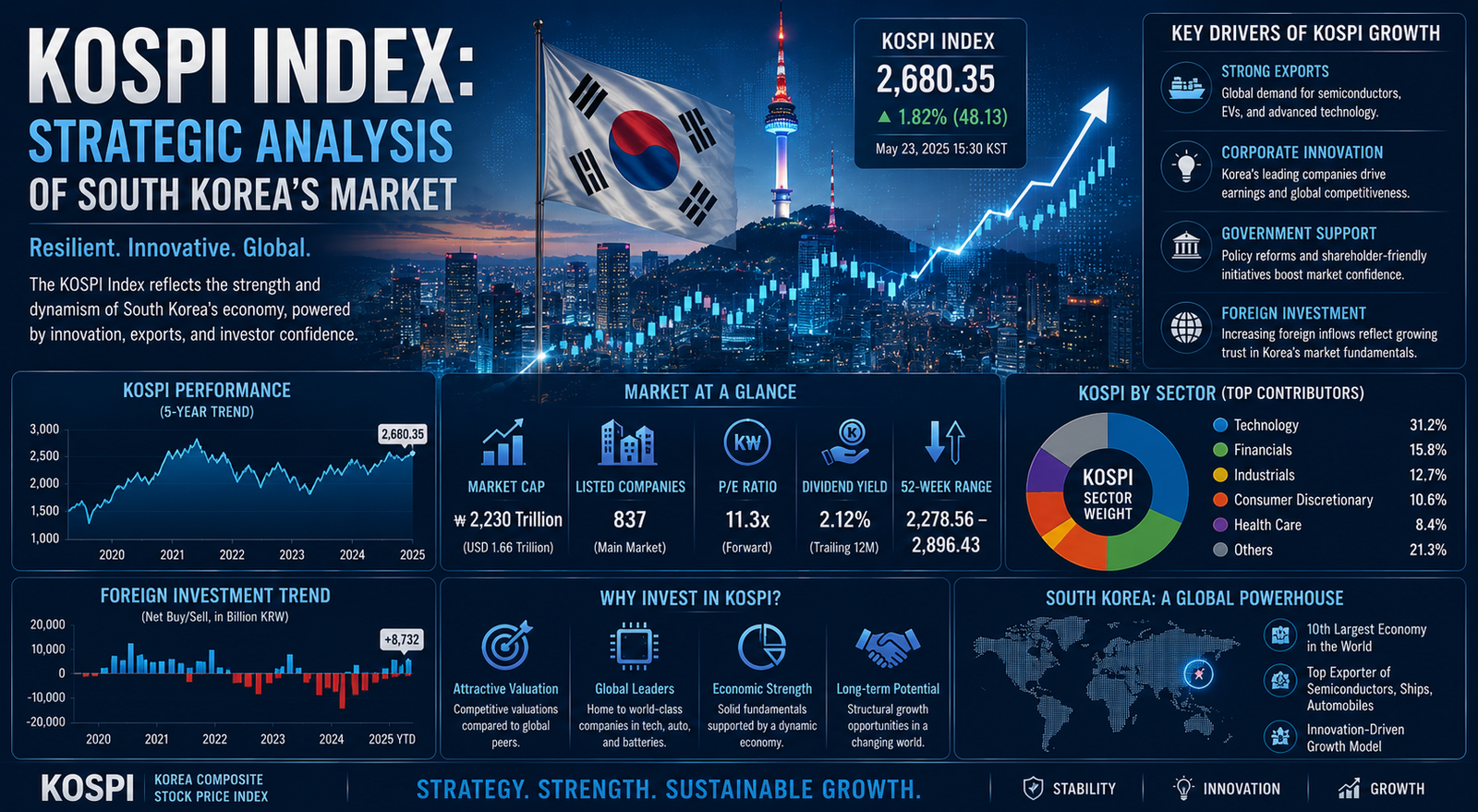
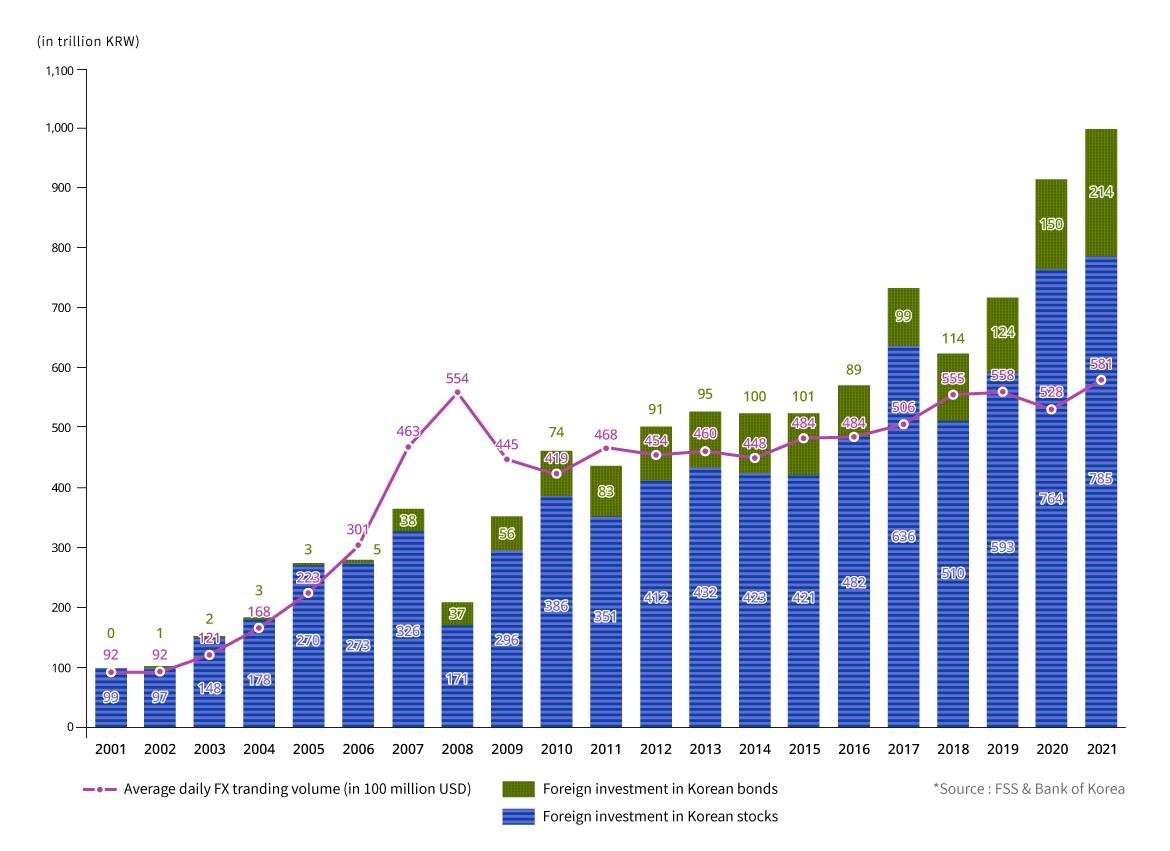
The Korea Composite Stock Price Index, commonly known as the KOSPI, serves as the primary benchmark for the South Korean equity market. Representing all common stocks traded on the Stock Market Division of the Korea Exchange (KRX), the KOSPI is a market capitalization weighted index that offers a transparent window into the health of the fourth largest economy in Asia. Key findings indicate that while the index is heavily weighted toward the technology and semiconductor sectors, specifically Samsung Electronics and SK Hynix, it currently faces a unique structural challenge known as the Korea Discount. This analysis highlights that despite a price to book (P/B) ratio often hovering below 1.0, recent government initiatives such as the Corporate Value Up Program are designed to align Korean governance standards with global benchmarks. Data from the Korea Exchange shows that foreign investors own approximately 30 to 35 percent of the total market capitalization, making the index highly sensitive to global liquidity trends and US Federal Reserve policy.
Introduction
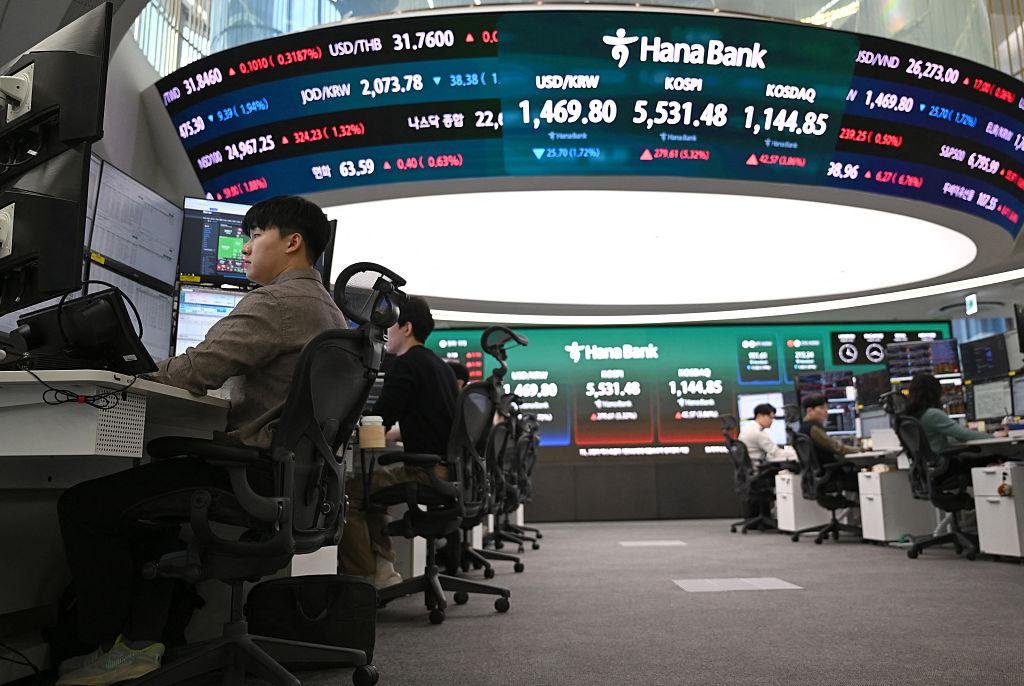
The KOSPI Index is more than just a numerical value; it is a strategic indicator of global industrial demand. Established in its current form in 1980 with a base value of 100, the index has tracked South Korea's transition from a developing nation to a global leader in high tech manufacturing, automotive engineering, and green energy solutions. For global investors, the KOSPI acts as a bellwether for the global semiconductor cycle and international trade health. Because South Korea is an export oriented economy, the index often leads global market trends by three to six months. Understanding the nuances of this market requires a grasp of both macroeconomic factors and the specific corporate structures, known as Chaebols, that dominate the domestic landscape. This analysis provides a professional breakdown of the factors driving the KOSPI and the strategic reforms currently underway to enhance shareholder value.
The Deep Dive: Structural Dynamics and Market Drivers
The composition of the KOSPI is unique among major global indices due to its high concentration in specific industries. Technology and electronics account for nearly one third of the index weight. Samsung Electronics alone often represents 20 to 25 percent of the total index value. This concentration means that the KOSPI is highly correlated with the Philadelphia Semiconductor Index (SOX) and global demand for memory chips. When analyzing the valuation of these entities, applying a robust framework for Market Pricing and Valuation: A Strategic Framework becomes critical, as traditional metrics often fail to account for the cyclicality of the hardware industry.
One of the most discussed topics in Korean finance is the Korea Discount. This term refers to the tendency for South Korean companies to have lower valuations compared to global peers. Several factors contribute to this phenomenon:
- Low Dividend Payouts: Historically, Korean firms have prioritized capital expenditure and cash reserves over shareholder returns.
- Governance Concerns: The complex cross shareholding structures of Chaebols can sometimes lead to decisions that favor controlling families over minority shareholders.
- Geopolitical Risks: Proximity to North Korea introduces a persistent risk premium that affects long term institutional positioning.
- Regulatory Environment: Restrictions on the foreign exchange market and historical bans on short selling have occasionally limited market fluidity.
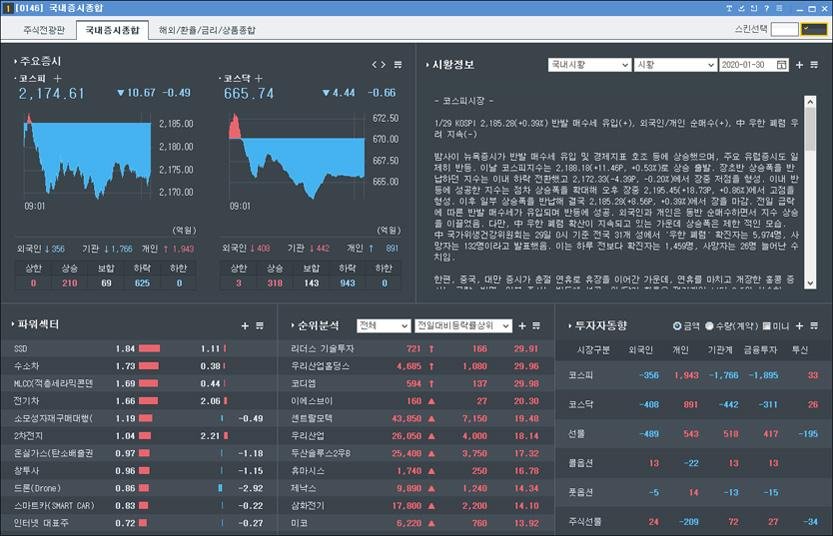
To combat these issues, the South Korean Financial Services Commission (FSC) recently introduced the Corporate Value Up Program. Modeled after similar successful reforms in Japan, this initiative encourages companies to voluntarily disclose plans to improve capital efficiency and increase shareholder returns. For investors who track global financial hubs via platforms like Moneycontrol: Strategic Analysis of India's Financial Hub, the parallels in emerging market maturation are evident. The goal is to migrate the KOSPI from its current status in the MSCI Emerging Markets Index to the MSCI Developed Markets Index, a move that could trigger billions of dollars in passive fund inflows.
Liquidity in the KOSPI is also influenced by the retail investor base, often referred to as ant investors. During the post 2020 period, retail participation surged, leading to increased volatility in specific sectors like secondary batteries and electric vehicle materials. However, institutional and foreign flows remains the primary driver of long term trends. Professional traders frequently use tools such as Forex Factory: Strategic Analysis of the Trading Hub to monitor the KRW/USD exchange rate, as a weak Won typically benefits exporters but can lead to capital flight if the depreciation is too rapid.
What This Means For You
For the average investor or financial observer, the KOSPI offers a high beta play on the global economy. If you believe that the artificial intelligence revolution will continue to drive demand for High Bandwidth Memory (HBM), the KOSPI is the most direct way to gain exposure to the primary suppliers of that technology. However, it is important to recognize that the KOSPI is not a buy and hold index in the same way the S&P 500 has been historically. It is a cyclical market that requires active management and an understanding of commodity and tech cycles. Investors should look for companies with high cash flow that are actively participating in the government's Value Up initiatives, as these firms are most likely to see a narrowing of the Korea Discount.
Expert Verdict and Future Outlook
The outlook for the KOSPI over the next 24 months is cautiously optimistic. The convergence of the semiconductor upcycle and meaningful corporate governance reform provides a dual catalyst that has been absent for the past decade. Industry experts suggest that if the KOSPI can successfully implement its transparency reforms, a re rating of the market P/E ratio from the current 9x to 10x range toward a more global average of 14x to 15x is possible. Furthermore, the potential inclusion in the FTSE World Government Bond Index (WGBI) would stabilize the Korean Won, providing a more predictable environment for equity investors. The primary risks remain global recessionary pressures and any significant escalation in US China trade tensions, which could disrupt the intricate supply chains that Korean companies rely upon.
FAQ: Authoritative Insights
What is the difference between KOSPI and KOSDAQ?
The KOSPI consists of large, established corporations like Hyundai and Samsung, while the KOSDAQ is modeled after the NASDAQ and features smaller, high growth technology, biotech, and entertainment companies.
Why is Samsung Electronics so influential on the index?
Due to its massive market capitalization, Samsung Electronics accounts for roughly 20 percent of the index. Its performance in the mobile and semiconductor sectors often dictates the direction of the entire KOSPI.
What is the Corporate Value Up Program?
It is a government led initiative aimed at encouraging Korean listed companies to improve their governance and shareholder returns to resolve the Korea Discount and attract more foreign investment.
How does the KRW/USD exchange rate affect the KOSPI?
A weaker Won makes Korean exports more competitive globally, potentially boosting earnings for companies like Kia or LG. However, a very weak currency can lead foreign investors to sell their Korean holdings to avoid currency loss.
Can international investors trade the KOSPI directly?
While direct access to the Korea Exchange requires a local brokerage account and an Investor Registration Certificate (IRC), most international investors gain exposure through ETFs like the iShares MSCI South Korea ETF (EWY).
Important Note: Financial Disclaimer: This content is for educational purposes only and does not constitute professional financial advice. Always consult with a certified financial planner before making investment decisions.
Conclusion
The KOSPI Index remains a critical component of the global financial ecosystem, acting as a high stakes barometer for technological innovation and trade. While structural challenges like the Korea Discount persist, the current momentum toward corporate reform and the dominance of Korean firms in the AI supply chain suggest a significant opportunity for valuation growth. Strategically, the KOSPI represents a market in transition, moving from a cyclical manufacturing hub to a more shareholder friendly, developed financial center.




Comments 0
Leave a Reply
Your email address will not be published. Required fields are marked *
Be the first to share your thoughts!