
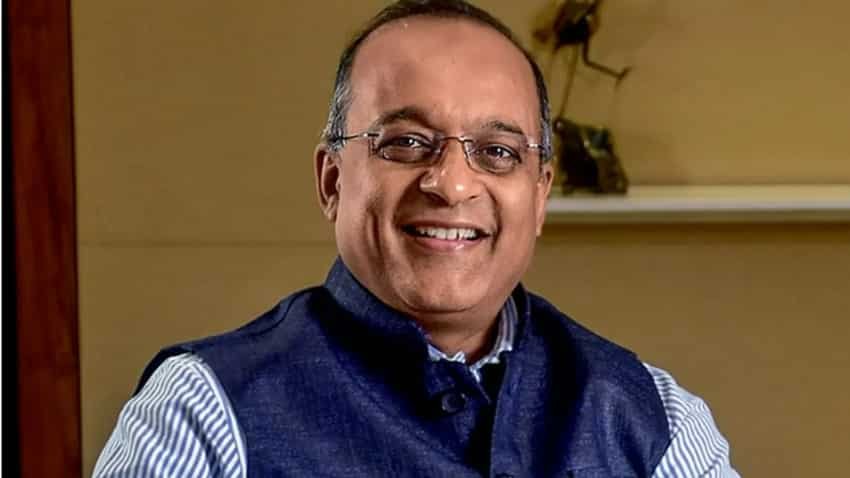
💡 Where is Sashidhar jagdishan?
Explore the leadership philosophy of Sashidhar Jagdishan, CEO of HDFC Bank, focusing on corporate governance, the 'No Yes-Sir' culture, and digital transformation in Indian banking.
Who is Sashidhar Jagdishan?
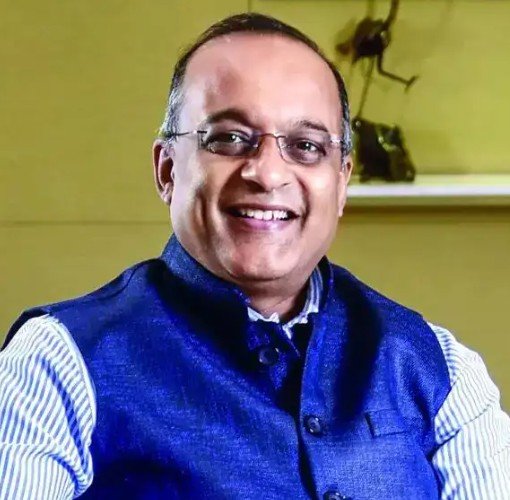
Sashidhar Jagdishan serves as the Managing Director and Chief Executive Officer of HDFC Bank, India's largest private sector lender. Since succeeding Aditya Puri, Jagdishan has been a pivotal figure in navigating the bank through a period of massive structural changes and digital evolution. His journey with HDFC Bank began in 1996 as a manager in the finance function, eventually rising to the position of Chief Financial Officer before being appointed as the leader of the institution. According to financial analysts, his tenure represents a transition from the foundational growth era to a more complex, technology-driven, and governance-heavy environment.
Experts suggest that Jagdishan is not just a banker but a strategist who understands the delicate balance between aggressive growth and conservative risk management. His leadership style is often characterized by transparency and a deep-seated belief in institutional integrity. Under his guidance, the bank has focused on expanding its reach into semi-urban and rural India while simultaneously upgrading its digital infrastructure to compete with emerging fintech players.
Why is the No Yes-Sir Culture Vital for Banking?
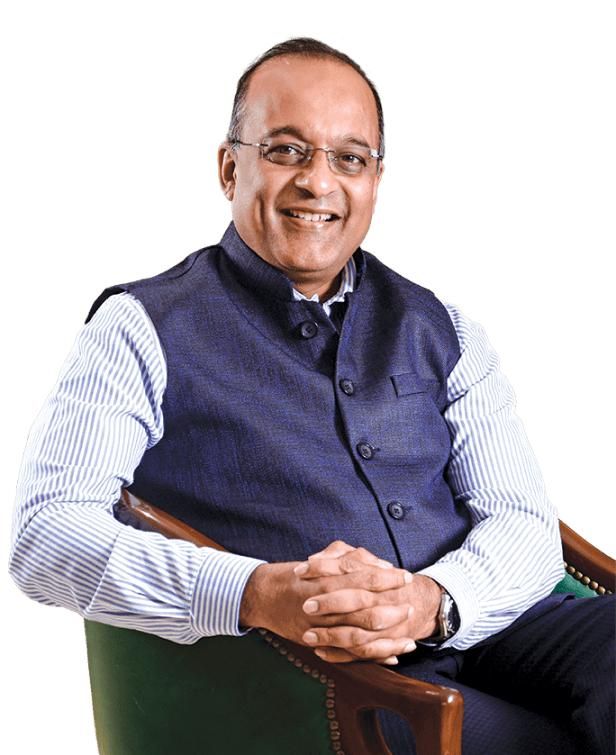
One of the most profound statements made by Sashidhar Jagdishan revolves around the concept of governance. He believes that for an organization to maintain high standards of ethical conduct, it must foster an environment where dissent is encouraged. In his view, being in a "yes-sir" mode is the antithesis of good governance. When subordinates simply agree with their superiors to avoid conflict, critical risks can be overlooked, and poor decisions can go unchallenged.
As per recent industry reports, corporate governance in the banking sector is under more scrutiny than ever before. Regulators such as the Reserve Bank of India expect leaders to build cultures where internal checks and balances are robust. Jagdishan’s philosophy suggests that a leader’s primary job is to listen to dissenting voices. By inviting diverse perspectives and allowing for healthy debate within the boardroom and across management levels, a bank can identify potential pitfalls before they become systemic issues. This approach builds a resilient institution that can withstand economic fluctuations and regulatory changes.
How Does Sashidhar Jagdishan Approach Corporate Governance?
Corporate governance at a bank as large as HDFC involves more than just following rules; it involves creating a mindset. Jagdishan has emphasized several core pillars that define his approach to governance:
- Accountability at the Top: Governance starts with the leadership taking responsibility for both successes and failures. This includes being transparent with stakeholders and regulators.
- Empowerment of Independent Functions: Roles such as the Chief Risk Officer and the Compliance Officer must have the independence to flag concerns without fear of retribution.
- Technology as a Governance Tool: In the modern era, governance is heavily reliant on data. Jagdishan has pushed for automated systems that can track transactions and identify anomalies in real-time.
- Cultural Integrity: Ensuring that every employee, from the branch level to the executive suite, understands the ethical boundaries of the business.
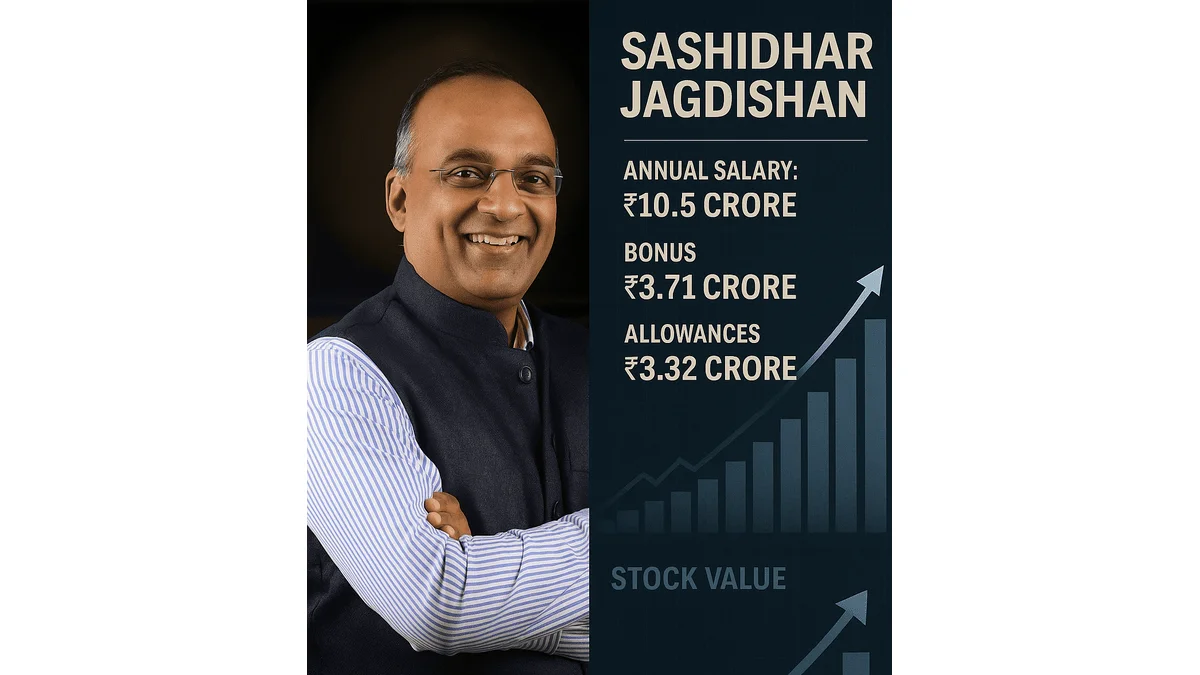
What are the Key Concepts of the HDFC and HDFC Bank Merger?
One of the most significant milestones during Jagdishan’s leadership has been the historic merger between HDFC Limited and HDFC Bank. This was one of the largest corporate mergers in Indian history, creating a financial behemoth with a massive balance sheet. The logic behind the merger was to create a unified entity that could offer a full suite of financial products, from home loans to credit cards, under one roof.
Industry experts note, the merger was a masterclass in strategic execution. Jagdishan had to ensure that the cultures of two very different organizations blended seamlessly while maintaining operational continuity. The merger allowed the bank to leverage the massive customer base of HDFC Limited and provide them with banking services, thereby increasing the cross-selling opportunities and lowering the cost of funds. This move has positioned the bank to compete on a global scale, making it one of the most valuable banks in the world by market capitalization.
How to Implement a Governance-First Culture in Large Organizations?
For aspiring leaders and organizations looking to emulate the success of HDFC Bank, Jagdishan’s tenure offers a step-by-step roadmap for building a governance-first culture:
- Define Core Values: Clearly articulate the ethical standards of the organization. These should not just be posters on a wall but principles that guide daily decision-making.
- Encourage Open Dialogue: Create forums and channels where employees can share their views and concerns. Anonymity in whistleblowing and feedback is essential.
- Invest in Training: Regularly train staff on compliance, risk management, and the importance of ethical conduct.
- Lead by Example: Leaders must demonstrate that they value truth over flattery. When a leader admits a mistake, it sets a powerful precedent for the rest of the organization.
- Monitor and Audit: Use internal and external audits to verify that governance standards are being met. Continuous monitoring is the only way to ensure long-term compliance.
What are the Benefits of a Strong Governance Framework?
The benefits of the governance model championed by Sashidhar Jagdishan extend beyond just regulatory compliance. They include:
- Investor Confidence: Investors are more likely to put their capital into institutions that are transparent and well-governed. This leads to better valuation and access to cheaper capital.
- Risk Mitigation: A culture of dissent and scrutiny helps in identifying credit risks, operational risks, and market risks early on, preventing major financial losses.
- Brand Reputation: In banking, trust is the primary currency. A strong governance record builds a brand that customers feel safe with.
- Sustainable Growth: While aggressive growth can lead to short-term gains, governance-led growth ensures that the institution remains stable over decades.
What are the Common Challenges in Modern Banking Leadership?
Even with a strong focus on governance, leaders like Jagdishan face significant hurdles. One major challenge is the rapid pace of technological change. As banks migrate to the cloud and adopt artificial intelligence, the the potential for cyber threats grows. Ensuring that governance keeps pace with technology is a constant struggle.
Another challenge is balancing the needs of various stakeholders. Shareholders want high returns, customers want low fees and high-quality service, and regulators want absolute safety. Navigating these conflicting demands requires a leader who can make tough choices without compromising on the bank's core values. Additionally, managing a workforce of hundreds of thousands of employees and ensuring they all adhere to the same cultural standards is a monumental task.
Pro Tips for Navigating Corporate Leadership
Experts suggest that individuals looking to grow into leadership roles should focus on the following insights derived from Jagdishan’s career:
- Master the Fundamentals: Before becoming a CEO, Jagdishan spent years mastering the finance and risk aspects of the bank. Deep technical knowledge is the foundation of confident leadership.
- Stay Humble: Despite leading a massive institution, Jagdishan is known for his low-profile and professional demeanor. Humility allows a leader to stay grounded and connected to the reality of the business.
- Prioritize Resilience over Speed: In the financial world, it is better to be right than to be first. Building systems that are resilient to failure is more important than chasing every short-term trend.
- Focus on the Customer: Ultimately, a bank exists to serve its customers. Every governance policy and technological upgrade should be viewed through the lens of how it improves the customer experience.
- Hands-on Oversight: Jagdishan personally reviews high-risk portfolios each quarter, demonstrating the importance of leaders being actively involved in critical business decisions.
- Empowering Debate: He encourages cross-functional teams to challenge management ideas, showing that open debate strengthens decision-making and organizational resilience.
- Governance in Practice: Regular internal workshops are held under his leadership to ensure employees at all levels understand compliance, risk, and ethical standards-not just senior management.
Frequently Asked Questions
Who is Sashidhar Jagdishan?
Sashidhar Jagdishan is the Managing Director and CEO of HDFC Bank. He took over the role in 2020 and has since led the bank through major digital transformations and a historic merger with HDFC Limited.
What is the No Yes-Sir philosophy?
It is a leadership approach where the CEO encourages subordinates to challenge ideas and provide honest feedback rather than simply agreeing with leadership. This is seen as a critical component of strong corporate governance.
What was the HDFC merger?
The HDFC merger involved the integration of India's largest mortgage lender, HDFC Limited, into HDFC Bank. This created a massive financial entity capable of offering a wide range of retail and corporate banking products.
How has HDFC Bank changed under Jagdishan?
Under his leadership, the bank has significantly increased its focus on digital banking, expanded its rural footprint, and successfully integrated the mortgage business while maintaining a high standard of regulatory compliance.
Why is corporate governance important in banking?
Governance is vital because banks handle public money. Strong governance ensures that the bank operates ethically, manages risks effectively, and maintains the trust of customers, investors, and regulators.
Important Note: Financial Disclaimer: This content is for educational purposes only and does not constitute professional financial advice. Always consult with a certified financial planner before making investment decisions.
Conclusion
Future corporate leaders can learn from Jagdishan that fostering dissent, empowering independent teams, and integrating governance into every decision not only mitigates risk but drives sustainable growth. His leadership shows that ethical oversight and strategic ambition can coexist at the highest level. His commitment to a culture that rejects flattery in favor of critical thinking has strengthened HDFC Bank's position as a global financial leader. By navigating complex mergers and digital shifts with a focus on institutional integrity, he provides a valuable blueprint for future corporate leaders.
Related Media
Quick View: Leadership and Governance: An In-Depth Look at the Vision of Sashidhar Jagdishan





Comments 0
Leave a Reply
Your email address will not be published. Required fields are marked *
Be the first to share your thoughts!