
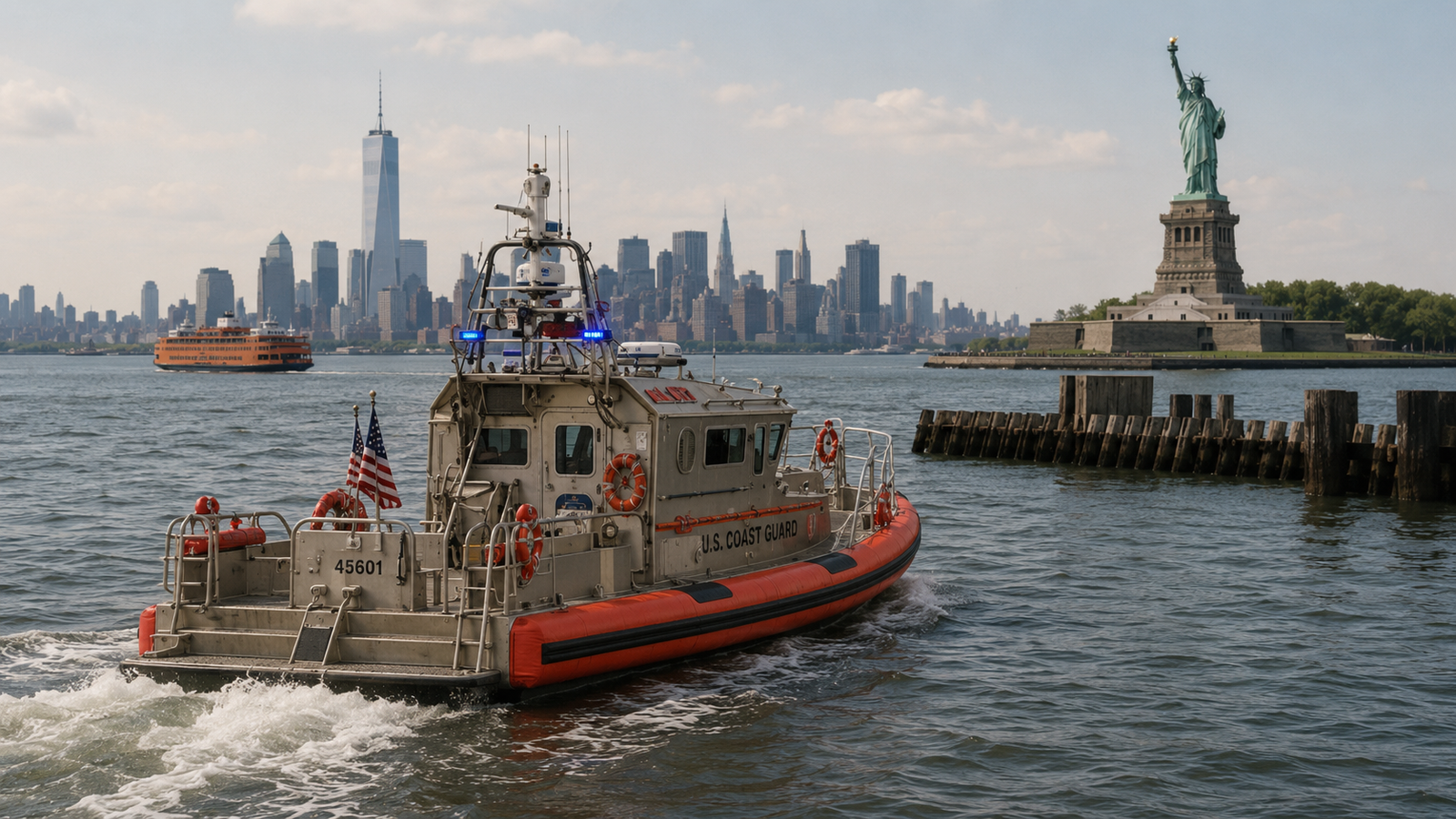
💡 Liberty Island Charter Boat Capsize: Strategic Safety Analysis
A comprehensive analysis of the Liberty Island charter boat capsize, exploring maritime safety protocols, regulatory oversight, and the economic impact on New York Harbor tourism.
Executive Summary
The recent capsize of a charter vessel near Liberty Island serves as a critical case study in maritime safety and urban harbor management. According to the United States Coast Guard (USCG) 2023 Recreational Boating Statistics, capsizing remains the leading cause of death in boating accidents, accounting for approximately 50 percent of all fatalities. This incident highlights the complex interplay between vessel stability, passenger load management, and the unpredictable environmental conditions of the New York Harbor. Key findings suggest that while modern navigation technology has improved, human error and non-compliance with weight distribution standards continue to pose significant risks to the commercial charter sector.
Introduction
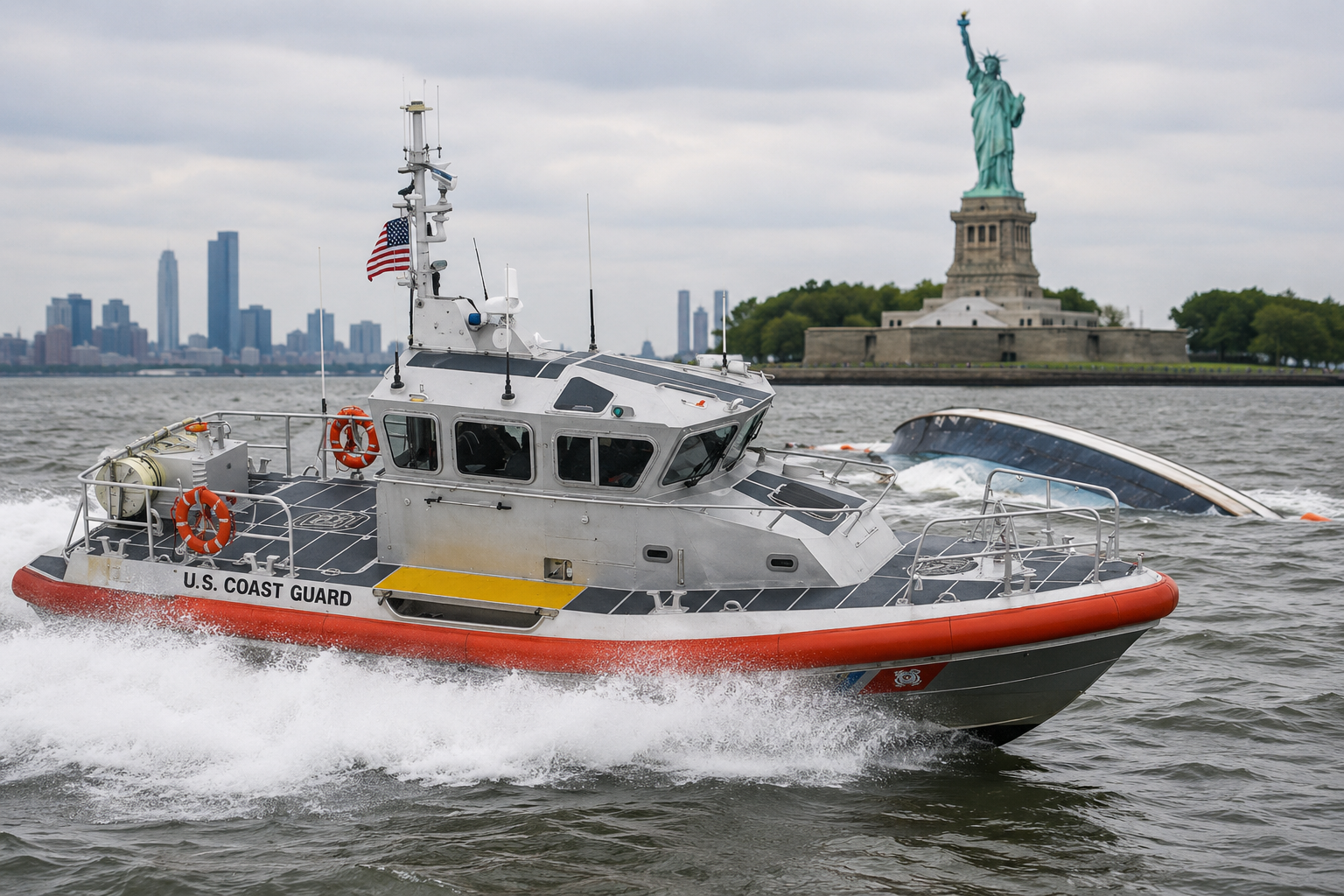
On a clear afternoon in the New York Harbor, the sudden overturning of a commercial charter boat near the Statue of Liberty sent shockwaves through the maritime community. This event was not merely a localized accident but a symptom of broader challenges facing the small-vessel tourism industry. Navigating the waters around Liberty Island requires more than just basic seamanship: it demands an acute understanding of wake turbulence, tidal currents, and the rigorous safety standards set by federal authorities. As we examine the specifics of this capsize, we must look beyond the immediate rescue efforts to understand the systemic vulnerabilities in vessel design and operator training that contribute to such high-stakes emergencies.
The Deep Dive: Analyzing the Mechanics of a Capsize
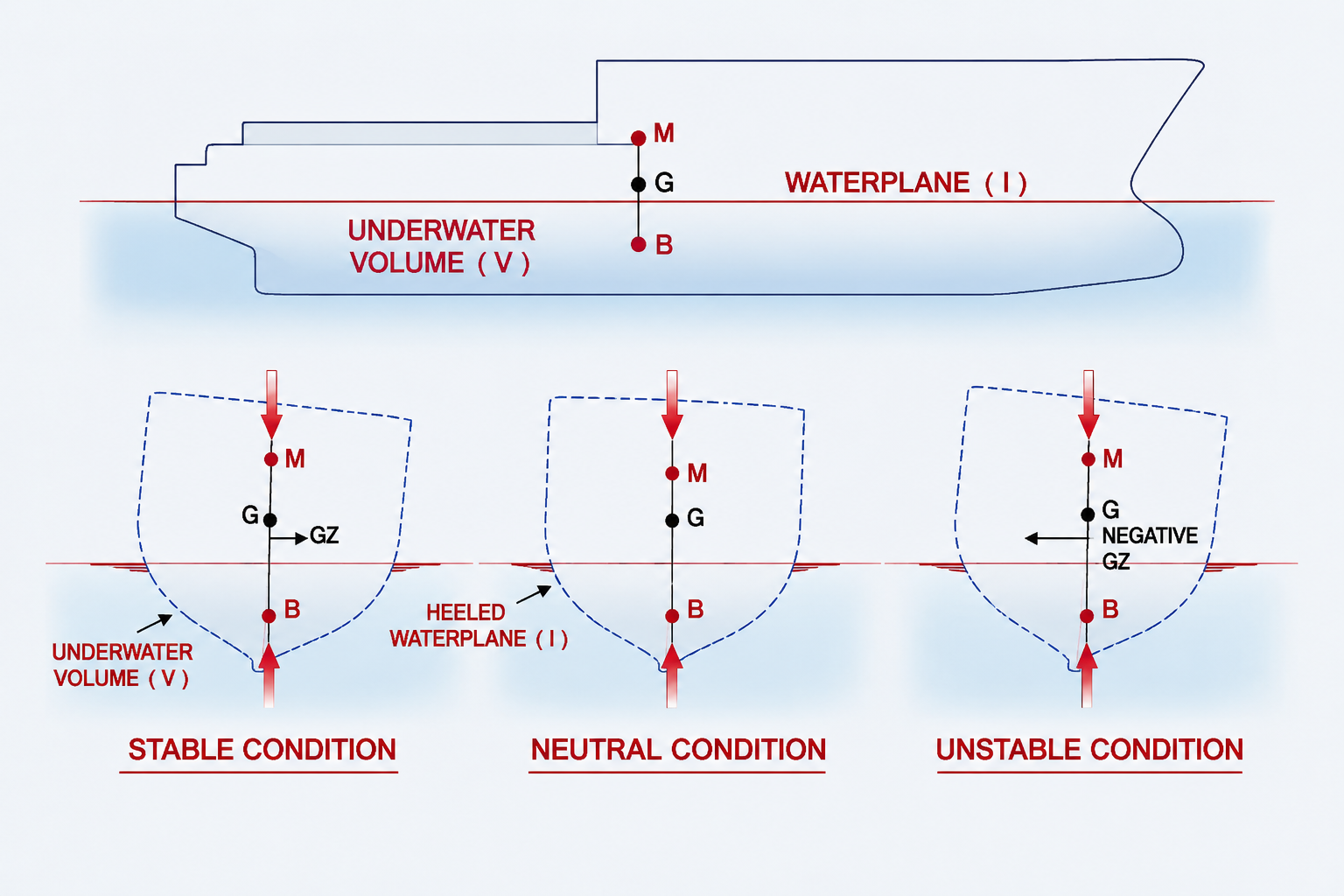
The physics of a vessel capsize often involve a loss of transverse stability. In the context of the Liberty Island incident, investigators focus on the vertical center of gravity and the free surface effect. When passengers on a small charter boat move simultaneously to one side to view a landmark or take a photograph, the shift in weight can exceed the vessel's righting arm. Data from the National Transportation Safety Board (NTSB) indicates that overloading or improper weight distribution is a factor in nearly 30 percent of small commercial vessel accidents.
Furthermore, the New York Harbor is one of the busiest maritime corridors in the world. The interaction between large commercial tankers and smaller recreational or charter craft creates a dangerous environment. The beach economy strategic analysis demonstrates how coastal tourism relies heavily on the perception of safety: any high-profile accident near a global landmark like Liberty Island can have an immediate cooling effect on local charter bookings. The wake from a passing Staten Island Ferry or a large container ship can provide the final force necessary to tip an already unstable or overloaded vessel.
Regulatory Framework and Compliance
Commercial charter boats operating in U.S. waters fall under different categories of USCG regulation. Subchapter T vessels, which carry more than six passengers, are subject to more stringent inspection and stability requirements than uninspected passenger vessels (UPVs). The Liberty Island incident brings into question the frequency and depth of these inspections. Industry reports suggest that while the cruise ship industry strategic analysis shows a high level of standardized safety across large-scale operations, the smaller charter market often struggles with consistent compliance due to the high cost of maintenance and specialized crew training.
Operators must adhere to the Simplified Stability Test or a full stability analysis conducted by a naval architect. However, environmental factors such as wind shear and sudden gusts can bypass even the best theoretical calculations. Utilizing advanced meteorological data is essential for modern captains. As explored in the tornado warnings strategic analysis, the ability to interpret rapid changes in atmospheric pressure and wind speed is a vital skill for preventing maritime disasters before they occur.
Economic and Insurance Implications
The financial fallout from a capsize extends far beyond the damage to the hull. Marine insurance premiums for New York Harbor operators have seen a steady increase of 12 to 15 percent annually over the last three years, driven by rising litigation costs and higher settlement values. A single incident near a high-profile location like Liberty Island can trigger a review of all regional charter licenses, leading to temporary suspensions or increased oversight that impacts the entire local economy.
- Liability Coverage: Most commercial policies now require minimums of 1 million to 5 million dollars per occurrence.
- Salvage Costs: Recovering a submerged vessel in a high-traffic zone can cost upwards of 50,000 dollars, excluding environmental cleanup fees.
- Brand Damage: Tourism operators face long-term reputational risks that can take years to mitigate through marketing and safety rebranding.
What This Means For You
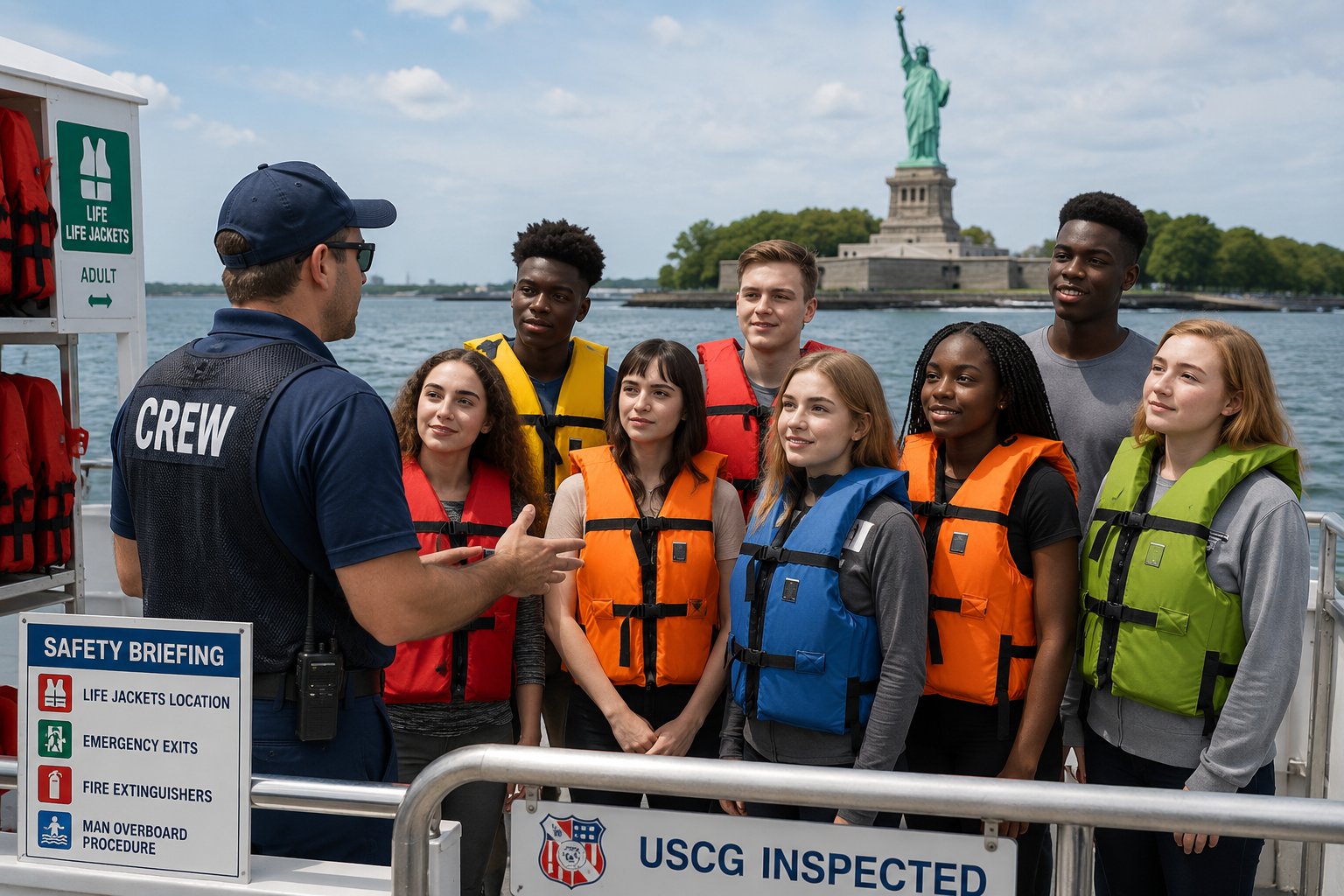
For the average passenger or tourist, the Liberty Island incident is a reminder that maritime safety is a shared responsibility. When booking a charter, it is essential to verify that the vessel is USCG-inspected and that the crew provides a comprehensive safety briefing before departure. Identifying the location of life jackets and understanding the vessel's emergency procedures are not just formalities: they are life-saving steps. For boat operators, this event underscores the necessity of strict adherence to passenger limits and the importance of monitoring weather conditions in real-time using satellite-based forecasting tools.
Expert Verdict: The Future of Harbor Safety
The long-term outlook for New York Harbor safety involves the integration of Smart Harbor technology. This includes AI-driven traffic management systems that can predict potential collisions and wake-related risks between large and small vessels. We expect to see a push for mandatory electronic stability monitoring systems on all commercial charter vessels carrying more than six passengers. These systems provide real-time feedback to the captain regarding the vessel's heel and trim, allowing for immediate corrective action if the boat becomes dangerously unbalanced.
FAQ: Authority on Maritime Safety
What is the primary cause of boat capsizing in New York Harbor?
The primary causes are a combination of excessive wake from large commercial vessels, improper passenger weight distribution, and the complex tidal currents of the Hudson and East Rivers meeting in the Upper Bay.
How can I verify if a charter boat is safe?
Look for the USCG Certificate of Inspection (COI) decal, which should be clearly displayed. This indicates the vessel has met federal safety, design, and equipment standards for its specific class.
Are charter boat captains required to have a license?
Yes, all commercial charter captains must hold a valid Merchant Mariner Credential (MMC) issued by the USCG, which requires passing rigorous exams, sea time documentation, and physical screenings.
What should passengers do if a boat begins to tilt excessively?
Passengers should immediately move toward the center of the vessel and lower their center of gravity by sitting down. Follow all instructions from the crew without hesitation, as they are trained to counter-balance the vessel.
How does weather forecasting impact harbor safety?
Modern forecasting allows captains to anticipate squalls and high-wind events. However, localized microbursts can still occur, making real-time monitoring of barometric pressure and wind direction critical for small-vessel stability.
Conclusion
The Liberty Island charter boat capsize is a stark reminder that the margin for error in maritime operations is incredibly thin. By analyzing the data surrounding stability, regulatory gaps, and environmental challenges, the industry can move toward a more resilient safety culture. For stakeholders in the New York maritime economy, the path forward involves a commitment to technological innovation, transparent safety protocols, and a relentless focus on passenger education. Ensuring that a trip to see the Statue of Liberty remains a safe and memorable experience is paramount for the continued health of the coastal tourism sector.


Comments 0
Leave a Reply
Your email address will not be published. Required fields are marked *
Be the first to share your thoughts!