
💡 Longrange Capital: Strategic Private Equity Analysis
A comprehensive strategic analysis of Longrange Capital, its investment philosophy, and its impact on the middle-market private equity landscape.
Executive Summary
Longrange Capital represents a specialized shift in the private equity landscape, moving away from high-velocity turnover toward a patient, operationally focused investment model. Founded by Robert Berlin, a former Managing Director at the Baupost Group, the firm applies a value-oriented lens to middle-market companies. Key findings in this analysis include the firm's focus on businesses with enterprise values between 200 million and 2 billion USD, a preference for complex corporate carve-outs, and a commitment to long-term capital appreciation over short-term financial engineering. Data indicates that Longrange Capital prioritizes sectors such as consumer goods, industrial services, and business infrastructure, where operational efficiencies can drive significant margin expansion.

Introduction
The private equity industry is undergoing a period of significant structural change. As interest rates remain higher for longer and traditional exit routes like initial public offerings face volatility, the demand for "patient capital" has reached a decade-high. Longrange Capital has emerged as a key player in this niche, positioning itself as a partner for companies that require more than just a capital infusion. Unlike traditional buyout shops that may seek an exit within three to five years, Longrange employs a flexible mandate that allows for longer holding periods. This strategy is essential when navigating the complexities of the Stock Market: A Strategic Analysis of Global Financial Dynamics, where short-term sentiment often masks long-term intrinsic value.
THE DEEP DIVE: The Longrange Methodology
To understand the competitive advantage of Longrange Capital, one must analyze its foundational leadership and investment criteria. Robert Berlin established the firm with a philosophy rooted in the Baupost Group tradition of margin of safety and fundamental value. This approach is increasingly relevant as the global private equity dry powder sits at approximately 2.59 trillion USD, creating an environment where overpayment for assets is a constant risk.
Longrange Capital focuses on three primary pillars for value creation:
- Operational Excellence: The firm does not rely solely on leverage to generate returns. Instead, it focuses on EBITDA growth through cost optimization, supply chain restructuring, and market share expansion.
- Complexity Management: Longrange specializes in corporate carve-outs and divestitures. These transactions are often ignored by larger funds due to the heavy lifting required to separate integrated business units.
- Capital Flexibility: By utilizing a longer time horizon, the firm can weather economic cycles that would force other PE-backed companies into premature sales or distressed refinancings.
Strategic Acquisition: The Batesville Case Study
One of the most significant data points in Longrange Capital's recent history is the acquisition of Batesville Services from Hillenbrand, Inc. for 761.5 million USD. Batesville, a leader in the death care industry, provides a stable, cash-flow-positive foundation that fits the Longrange profile perfectly. This acquisition highlights the firm's ability to execute large-scale carve-outs of legacy businesses. The death care industry is characterized by steady demand and high barriers to entry, making it an ideal candidate for the firm's long-term value creation strategy. Similar to the principles found in the Reliance Infrastructure: Strategic Analysis of Corporate Turnaround, the success of such an acquisition depends on the ability to streamline operations while maintaining the core brand equity of the target company.
The Macroeconomic Context
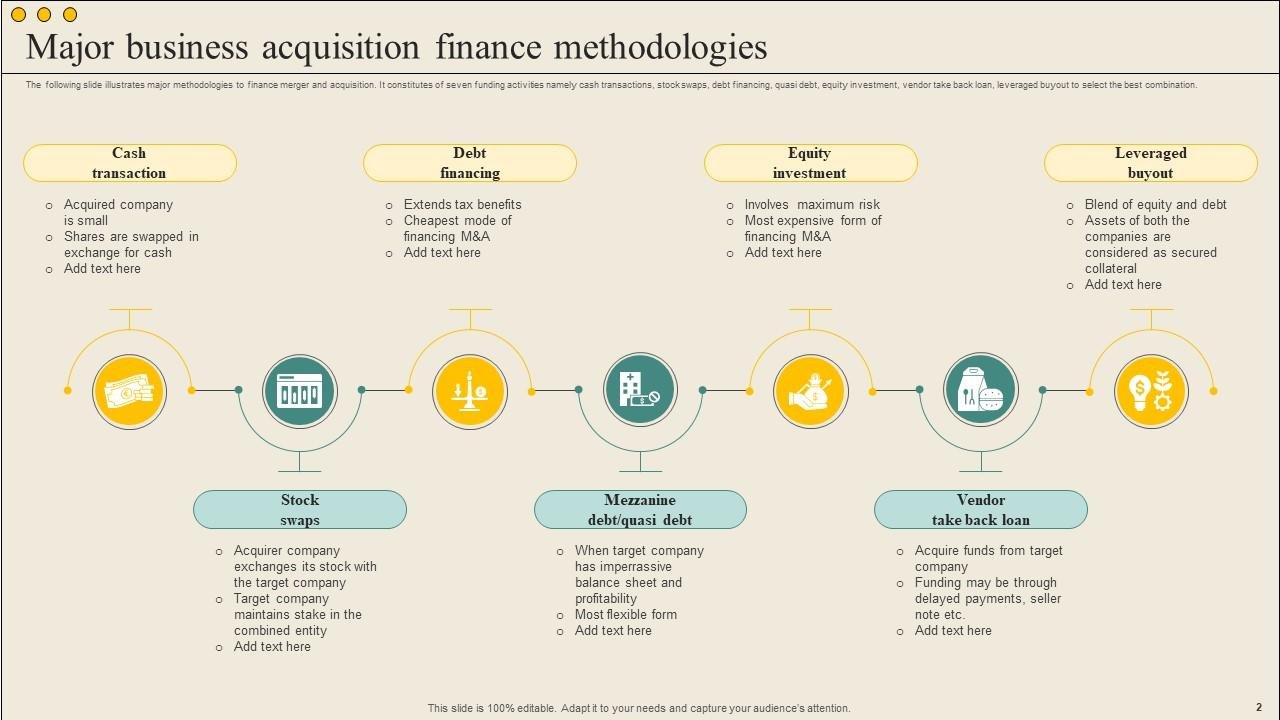
The current economic environment, characterized by fluctuating inflation and shifting labor markets, requires a sophisticated approach to risk management. Longrange Capital utilizes a conservative debt structure, which protects its portfolio companies from the interest rate shocks that have plagued over-leveraged competitors. This fiscal discipline is comparable to the institutional stability discussed in the SSA Strategic Analysis: The Future of Federal Social Security, where long-term solvency is prioritized over immediate gains. By maintaining a healthy balance sheet, Longrange ensures that its portfolio companies can continue to invest in R&D and capital expenditures even during market downturns.
WHAT THIS MEANS FOR YOU
For the professional investor or business leader, the rise of Longrange Capital signifies a broader trend toward specialization in the private equity sector. If you are a business owner in the middle-market space, the Longrange model offers an alternative to the "strip and flip" reputation of traditional private equity. It suggests that there is a growing appetite for sustainable growth and operational partnership.
For employees of companies acquired by Longrange, the focus on operational improvement often leads to more stable, long-term employment compared to firms that prioritize immediate cost-cutting to service high debt loads. Understanding this shift is vital for anyone participating in the modern corporate ecosystem, as it defines how capital will be deployed in the coming decade.
Expert Verdict / Future Outlook
The expert consensus suggests that Longrange Capital is well-positioned to capitalize on the increasing number of corporate divestitures as conglomerates seek to simplify their operations. As larger firms struggle with the exit of massive funds, the middle-market remains a fertile ground for disciplined value investors. The future outlook for Longrange involves a likely expansion into more technology-enabled industrial services, where the firm can apply its operational playbook to modernize legacy systems. We expect the firm to remain a quiet but dominant force in the 500 million to 1 billion USD deal size range, providing a blueprint for the next generation of value-oriented private equity.
FAQ
What is the typical deal size for Longrange Capital?
Longrange Capital generally targets companies with enterprise values ranging from 200 million to 2 billion USD. They focus on middle-market leaders that have a strong competitive position but require operational or structural changes to reach their full potential.
Who founded Longrange Capital?
The firm was founded by Robert Berlin. Before establishing Longrange, Berlin was a Managing Director at the Baupost Group and served in leadership roles at Navab Capital Partners. His background is deeply rooted in value investing and complex transaction structuring.
What sectors does Longrange Capital invest in?
The firm maintains a broad mandate but shows a strong preference for consumer goods, industrial products, business services, and specialized manufacturing. They look for industries with durable demand and identifiable levers for operational improvement.
How does Longrange Capital differ from traditional private equity?
The primary difference lies in their time horizon and operational focus. While many firms seek a 3-5 year exit, Longrange is designed for longer holding periods. They also emphasize EBITDA growth through operational improvements rather than relying primarily on financial leverage.
What was the Batesville Services acquisition?
In early 2023, Longrange Capital acquired Batesville Services from Hillenbrand for approximately 761.5 million USD. This move was a classic example of their strategy: acquiring a market-leading business through a corporate carve-out to focus on its individual growth and operational efficiency.
Conclusion
Longrange Capital exemplifies the evolution of private equity toward a more sustainable and operationally intensive model. By leveraging the deep value-investing expertise of its leadership and focusing on complex middle-market opportunities, the firm has carved out a unique position in the financial landscape. The strategic takeaway for market observers is clear: in an era of volatility, the most successful capital allocators will be those who prioritize long-term fundamental value and operational excellence over short-term financial engineering. As the firm continues to execute its playbook, it will likely serve as a benchmark for patient capital in the private markets.
Important Note: Financial Disclaimer: This content is for educational purposes only and does not constitute professional financial advice. Always consult with a certified financial planner before making investment decisions.





Comments 0
Leave a Reply
Your email address will not be published. Required fields are marked *
Be the first to share your thoughts!