
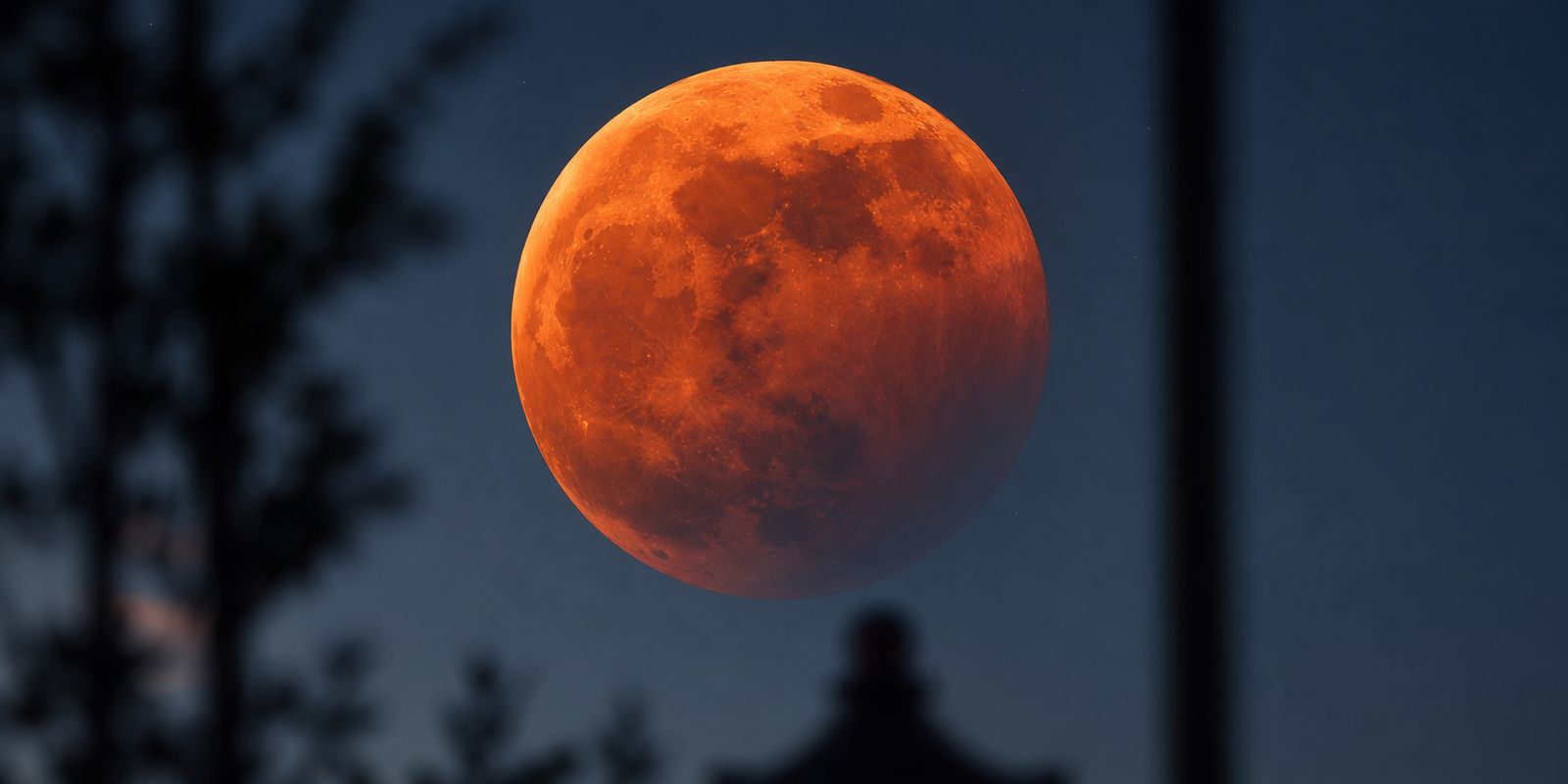
💡 Lunar Eclipse: A Strategic Analysis of Celestial Mechanics
A deep dive into the science, economic impact, and strategic significance of lunar eclipses, featuring data-driven insights and expert analysis.
Executive Summary
A lunar eclipse is more than a celestial spectacle; it is a predictable astronomical event with significant implications for astronomical research, atmospheric studies, and global cultural narratives. Lunar eclipses occur roughly two to five times per year, with their recurrence patterns related to the approximately 18-year Saros cycle. Key observations indicate that during a total lunar eclipse, parts of the Moon's surface can cool at rates exceeding 100 degrees Celsius per hour, providing valuable data about the thermal properties of the lunar surface and regolith. This analysis examines the mechanics of syzygy, the observational and economic interest surrounding eclipses, and their scientific importance.
Introduction
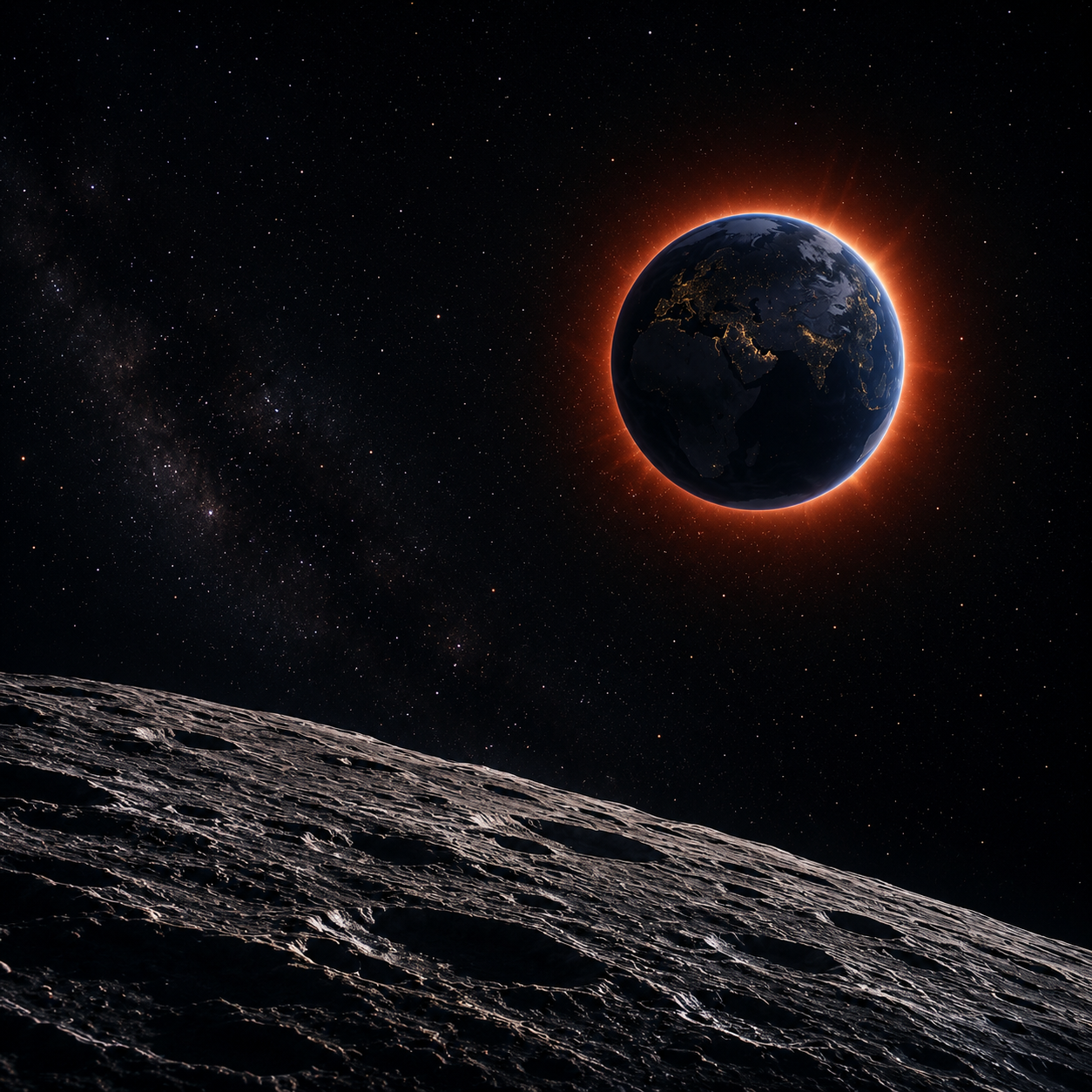
The lunar eclipse, or Chandra Grahanam, represents a unique alignment where the Earth positions itself directly between the Sun and the Moon. This configuration, known as syzygy, results in the Earth casting its shadow across the lunar surface. Unlike solar eclipses, which are visible only from specific geographic regions, lunar eclipses are observable from much of the night side of Earth. Historically, observations of lunar eclipses provided evidence supporting the spherical shape of Earth and contributed to the development of astronomy. In a modern context, they offer opportunities for studying the lunar surface, Earth's atmosphere, and changes in infrared radiation during the eclipse.
The Deep Dive: Mechanics and Strategic Data
Understanding a lunar eclipse requires an analysis of the two main regions of Earth's shadow: the umbra and the penumbra. A total lunar eclipse occurs when the Moon enters the umbra, the darkest part of the shadow. During this phase, the Moon often assumes a reddish hue because sunlight passing through Earth's atmosphere is scattered and refracted toward the Moon. This is related to the same atmospheric processes that contribute to the colors of red sunsets.
From a data perspective, the duration of totality can last up to about 107 minutes, depending on the Moon's position and distance from Earth during the eclipse. Media outlets and regional information hubs can play a role in providing real-time updates and scientific context to the public during these periods of high interest. The frequency of these events is not random. The Saros cycle, a period of approximately 6,585.3 days, allows astronomers to predict recurring eclipse patterns with high precision. This predictability is useful for astronomical observation and scientific mission planning.
Infrastructure and Economic Impact
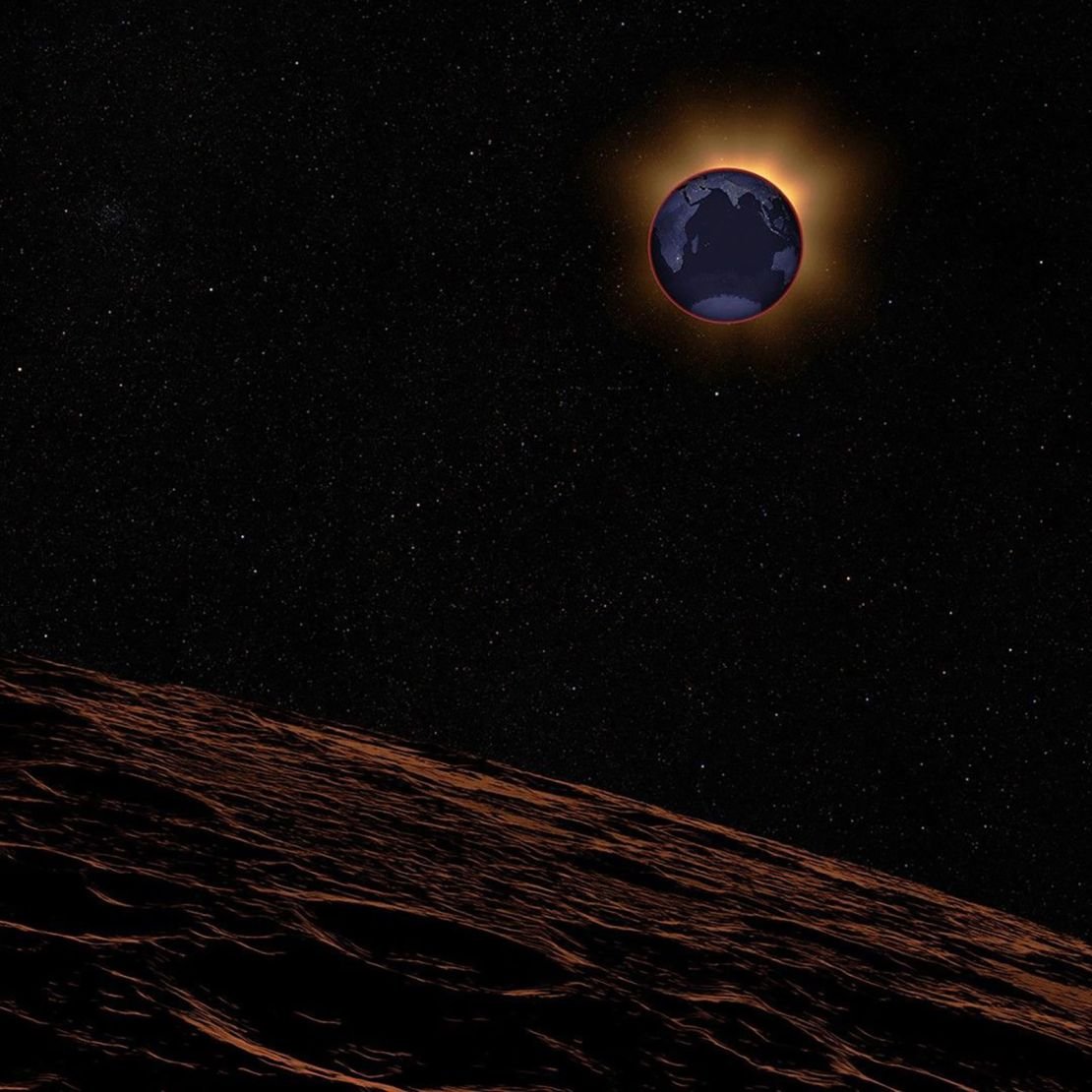
While the visual impact is the primary focus for the general public, scientific and technical sectors also monitor lunar eclipses for specific research and observational purposes. For instance, satellite operators must account for the loss of solar power when a spacecraft passes through Earth's shadow. This requires careful battery management to maintain spacecraft operations during the eclipse.
The aviation industry may also monitor astronomical and atmospheric conditions as part of its broader operational planning, although lunar eclipses do not normally have a direct impact on commercial-airline navigation. Furthermore, eclipse events can increase public interest in telescopes, cameras, and other astronomical equipment, creating opportunities for related businesses and media organizations. Scientific institutions and aerospace companies also use predicted eclipse dates to plan observations and research activities involving the Earth-Moon system.
What This Means For You
- Observation Safety: Unlike solar eclipses, lunar eclipses are completely safe to view with the naked eye. No special filters or protective eyewear are required.
- Photography Opportunities: For enthusiasts, a total lunar eclipse provides an excellent opportunity to capture the Moon alongside stars that can become more visible as the Moon's brightness decreases.
- Scientific Literacy: Understanding the mechanics of an eclipse helps individuals grasp broader concepts of orbital mechanics, shadows, and light physics.
- Cultural Awareness: Many regions have specific traditional observances during an eclipse. Being aware of these can improve cross-cultural understanding and social engagement.
Expert Verdict / Future Outlook
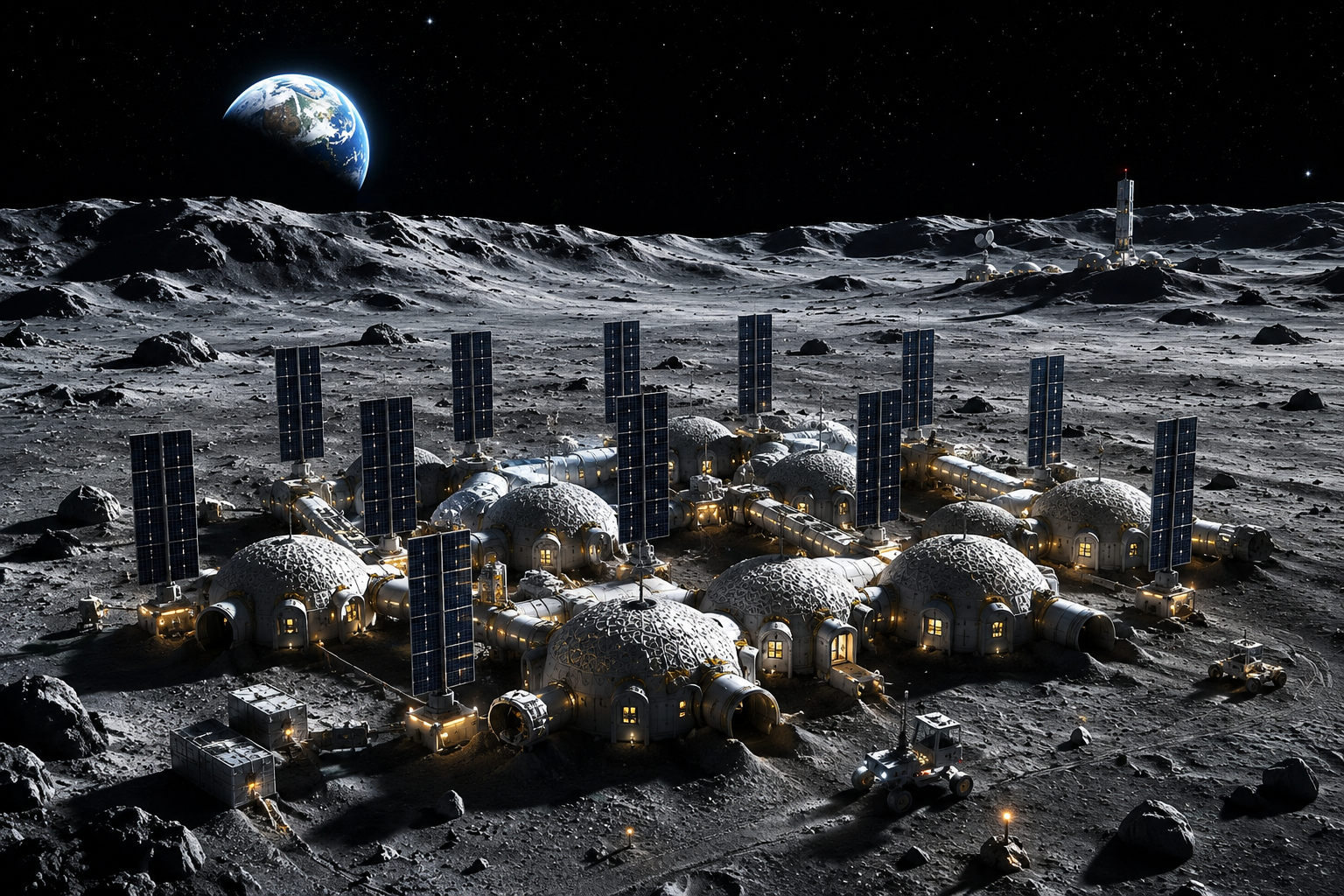
The future of lunar eclipse research is increasingly connected to broader lunar exploration efforts. As NASA and other space agencies advance programs such as Artemis, studying the thermal behavior of the lunar surface during eclipses can improve our understanding of the lunar environment. Scientists can use eclipse observations to investigate how quickly different areas of the lunar surface cool and how these changes relate to the properties of lunar regolith. While such research may contribute to future lunar exploration and habitat planning, it is too early to say that eclipse data will directly determine the materials used for lunar construction. Lunar eclipses are therefore becoming more than objects of wonder—they are valuable opportunities for studying the Earth-Moon system and supporting future scientific exploration.





Comments 0
Leave a Reply
Your email address will not be published. Required fields are marked *
Be the first to share your thoughts!