
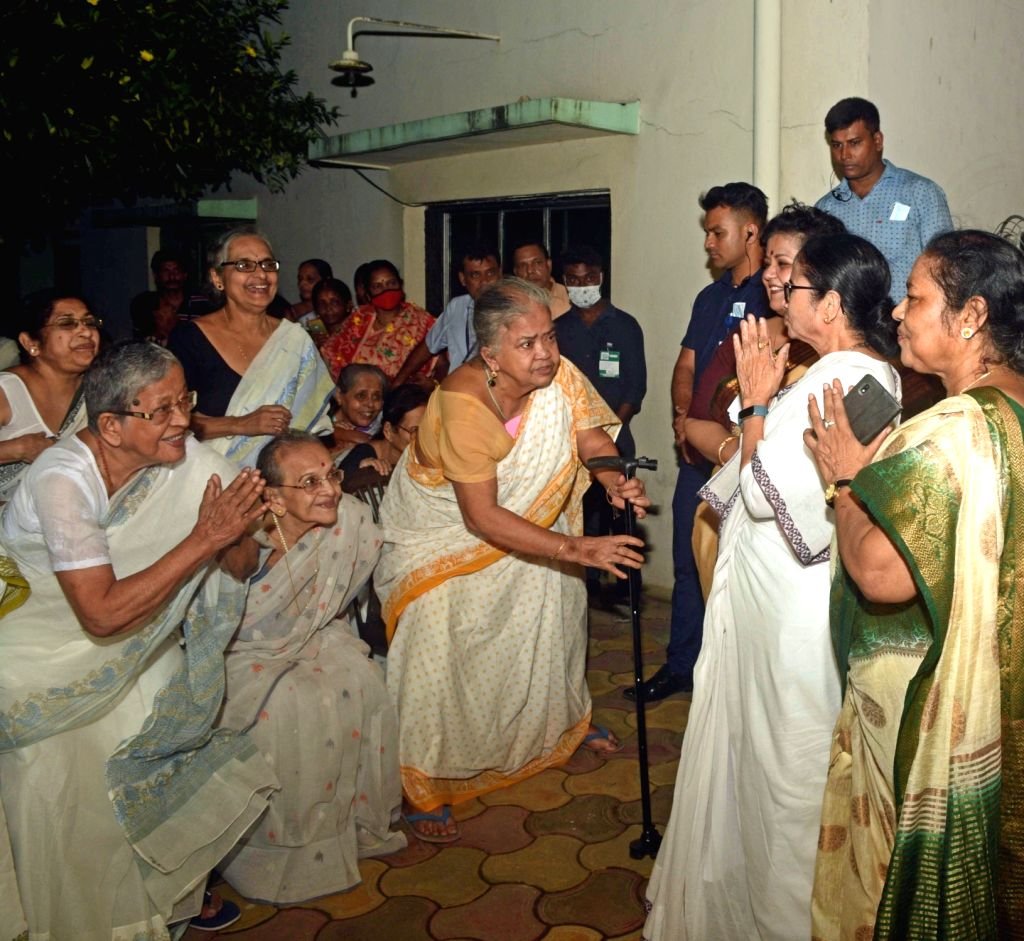
💡 The Political Heart of West Bengal: A Comprehensive Guide to Mamata Banerjee’s Constituency
An in-depth look at Bhowanipore, the assembly constituency of West Bengal Chief Minister Mamata Banerjee, exploring its history, demographics, and political significance.
Mamata Banerjee, the Chief Minister of West Bengal and the chairperson of the All India Trinamool Congress (AITC), currently represents the Bhowanipore Assembly constituency. Located in the heart of South Kolkata, Bhowanipore has served as her primary electoral base for the majority of her tenure as Chief Minister. It is considered the political nerve center of the state, reflecting both the traditional roots and the cosmopolitan aspirations of West Bengal.
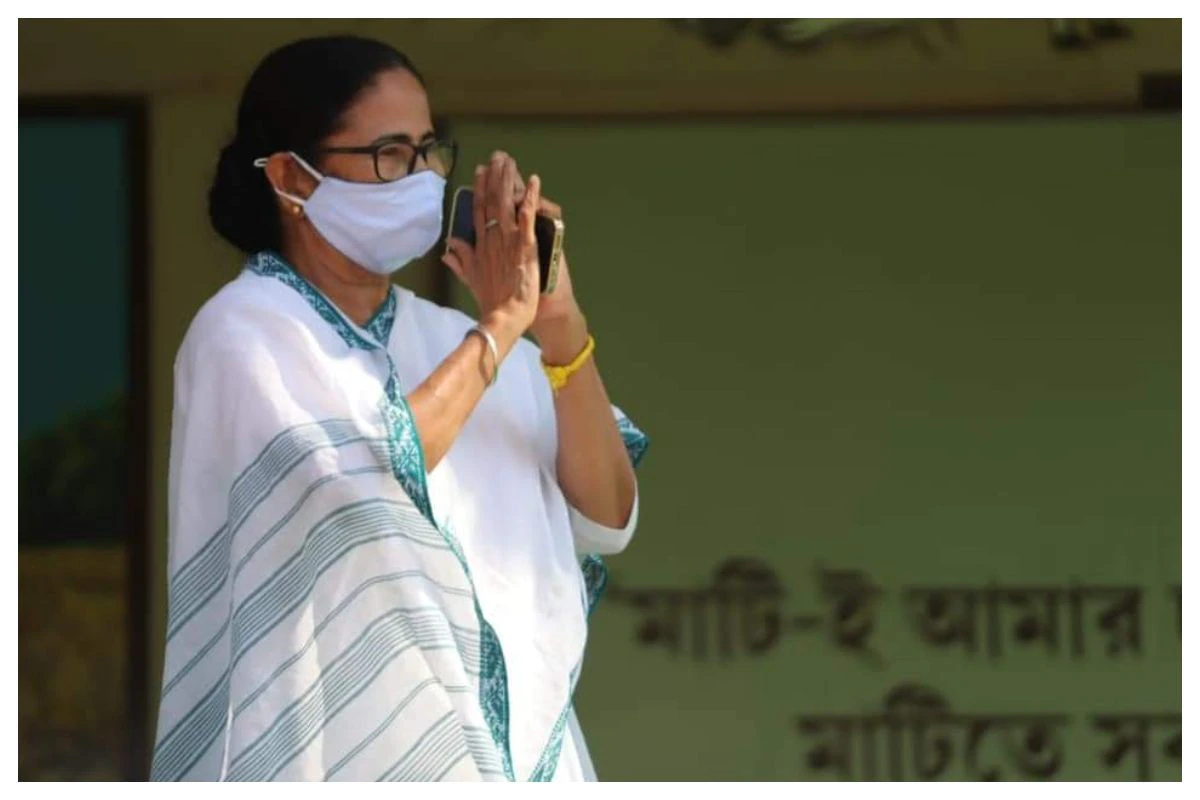
The Significance of the Chief Minister’s Electoral Base
In Indian politics, the constituency of a Chief Minister is rarely just a geographical boundary; it is a symbol of their political strength and a blueprint for their governance. For Mamata Banerjee, her constituency is an extension of her personal identity. Representing a seat in Kolkata allows her to stay connected with the urban pulse of the state while managing the complex administration of West Bengal.
A VVIP constituency like Bhowanipore naturally attracts more attention, investment, and scrutiny. The performance of the local administration here is often seen as a reflection of the state government’s efficiency. For the residents, having the Chief Minister as their local MLA means direct access to high-level grievance redressal and rapid infrastructure development.
The Evolution of a Leader: From South Kolkata MP to Bhowanipore MLA
Mamata Banerjee’s connection with South Kolkata dates back decades. Before becoming the Chief Minister in 2011, she was a long-standing Member of Parliament (MP) from the South Kolkata Lok Sabha seat, winning it six times consecutively between 1991 and 2009. Her transition from Parliament to the State Assembly was a pivotal moment in Bengal's history.
When she led the Trinamool Congress to a historic victory in 2011, ending 34 years of Left Front rule, she was not initially an MLA. To continue as Chief Minister, she needed to win a seat in a by-poll. Subrata Bakshi, a loyalist, vacated the Bhowanipore seat, and Banerjee won the subsequent election with a massive margin. Since then, with one notable exception in 2021, Bhowanipore has remained her chosen home turf.
Decoding Bhowanipore: Why This Constituency Defines Mamata Banerjee’s Political Identity
Bhowanipore is unique because it houses the Chief Minister’s personal residence in the Kalighat area. This proximity creates a "neighborly" bond between the leader and the voters. Unlike many politicians who live in gated official bungalows, Banerjee’s choice to reside in her modest ancestral home reinforces her image as "Didi" (elder sister)—a leader of the masses.
The constituency is a mix of old-world Kolkata charm and modern urban development. It features iconic heritage buildings alongside high-end shopping malls and hospitals. This duality mirrors Banerjee’s political strategy: balancing traditional grassroots populism with a drive for modern industrial growth.
The Nandigram Experiment: Analyzing the 2021 Shift and the Return to Home Turf
The 2021 West Bengal Assembly elections saw a dramatic shift when Mamata Banerjee decided to contest from Nandigram instead of Bhowanipore. Nandigram was the site of the anti-land acquisition movement that propelled her to power in 2011. By contesting there, she aimed to take the fight directly to the opposition's stronghold.
While the Trinamool Congress won the state with a thumping majority, Banerjee lost the Nandigram seat by a narrow margin. To remain Chief Minister, she returned to Bhowanipore for a by-election later that year. The Bhowanipore by-poll was a record-breaking event; she won by over 58,000 votes, the highest margin ever recorded in that constituency. This victory reaffirmed that while she might take risks across the state, Bhowanipore remains her ultimate safety net and political heartland.
Governance and Development: The Impact of Being a High-Profile VVIP Constituency
Being the Chief Minister’s constituency brings several tangible benefits to Bhowanipore. The area boasts some of the best civic amenities in Kolkata. Key highlights include:
- Healthcare: The presence of SSKM (IPGMER) Hospital, one of the state's premier government healthcare facilities, ensures the area is a medical hub.
- Infrastructure: Roads in Bhowanipore are among the best-maintained in the city, with specialized lighting and frequent beautification projects.
- Security: Due to the Chief Minister’s residence, the security apparatus and police presence are robust, leading to a generally lower crime rate and faster emergency response times.
However, the "VVIP" status also has limitations. Frequent VIP movements can lead to traffic diversions, which occasionally inconvenience local commuters. Furthermore, the high cost of real estate in this area makes it difficult for middle-class families to find new housing within the constituency.
Demographics and Voter Sentiment: The Cosmopolitan Fabric of Bhowanipore
Bhowanipore is often described as a "Mini-India." Unlike many other parts of Kolkata that are predominantly Bengali-speaking, Bhowanipore has a highly diverse population. It is home to significant communities of:
- Sikhs: The area around Northern Park has a vibrant Punjabi community.
- Gujaratis and Marwaris: Many business families have lived here for generations.
- Muslims: Pockets of the constituency have a strong minority presence.
This demographic diversity makes Bhowanipore a challenging seat. A leader cannot rely on a single community's vote. Mamata Banerjee’s success here is attributed to her ability to appeal to this cosmopolitan mix through inclusive festivals, community outreach, and ensuring that urban development benefits all linguistic and religious groups equally.

Frequently Asked Questions Regarding Mamata Banerjee’s Electoral History
1. Which assembly constituency does Mamata Banerjee currently represent?
She currently represents the Bhowanipore Assembly constituency in South Kolkata.
2. Why did Mamata Banerjee contest from Nandigram in 2021?
She contested from Nandigram to challenge the opposition directly in a region that was historically significant to her political rise. Although her party won the state, she lost the individual seat, leading her to return to Bhowanipore for a by-election.
3. Has Mamata Banerjee ever lost an election?
Yes. She lost the Jadavpur Lok Sabha seat in 1989 during a nationwide wave against the Congress party (her party at the time), and she lost the Nandigram Assembly seat in 2021.
4. Who vacated the Bhowanipore seat for her in 2021?
Sobhandeb Chattopadhyay, a veteran Trinamool leader, won the Bhowanipore seat in the general assembly election but later resigned to allow Mamata Banerjee to contest the by-poll and remain Chief Minister.
5. What makes Bhowanipore a "VVIP" constituency?
It is classified as VVIP because it is the home constituency of the Chief Minister, housing her personal residence and several key government administrative offices and hospitals.
Conclusion
The relationship between Mamata Banerjee and Bhowanipore is one of mutual identity. For the Chief Minister, the constituency provides a stable, loyal, and diverse base that mirrors the multicultural ethos of her politics. For the residents of Bhowanipore, having the state’s highest executive as their representative ensures that their neighborhood remains at the forefront of urban development. While the political landscape of West Bengal continues to evolve, Bhowanipore remains the steadfast anchor of Mamata Banerjee’s long and influential career.




Comments 0
Leave a Reply
Your email address will not be published. Required fields are marked *
Be the first to share your thoughts!