
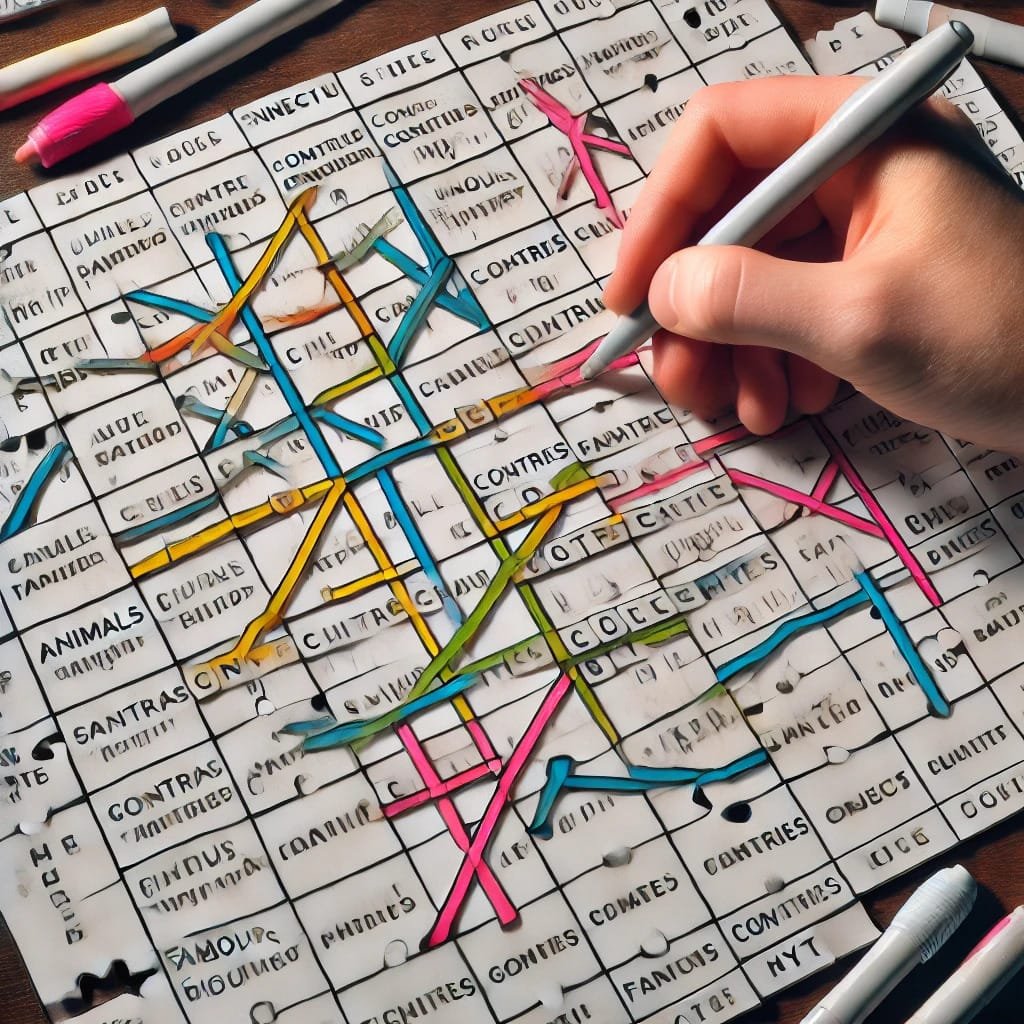
💡 What is Connections hint today?
Explore the ultimate guide to mastering word association puzzles. Learn how to identify categories, avoid red herrings, and improve your daily solving skills with expert tips.
Word association games have captured the global imagination, transforming simple vocabulary exercises into a daily ritual for millions. Among these, the challenge of finding a hint for the NYT Connections puzzle today has become a primary objective for enthusiasts looking to sharpen their cognitive skills. These puzzles require more than just a large vocabulary; they demand lateral thinking, the ability to spot patterns, and a healthy dose of patience. As digital puzzles continue to evolve, understanding the underlying logic of these games is essential for anyone looking to maintain a winning streak.
What is the appeal of word association puzzles?
The rise of daily word games is not a coincidence. According to gaming industry trends and user engagement data from major digital platforms such as The New York Times Company, daily word puzzles have gained immense popularity worldwide. Unlike long-form games that require hours of commitment, a word grid can be solved during a morning commute or a coffee break. This format provides a quick dopamine hit upon completion, fostering a sense of accomplishment. Furthermore, the social aspect of sharing results without spoiling the answers has created a global community of solvers who compare their strategies and success rates daily.
Psychologically, these puzzles tap into our innate desire to categorize information. Humans are naturally wired to find order in chaos. When presented with a jumble of sixteen words, the brain immediately begins to look for links. Experts suggest that this type of mental exercise can help improve neuroplasticity, keeping the mind agile and improving memory retention over time. The search for a daily Connections hint is, in essence, a pursuit of cognitive clarity.
How to approach the sixteen word grid?
Approaching a fresh grid requires a systematic strategy. Most players make the mistake of clicking on the first four related words they see. However, seasoned experts suggest a more cautious approach. Before making a single selection, it is vital to scan the entire grid and look for words that might fit into multiple categories. This is the first step in avoiding the traps set by puzzle designers.
A successful strategy involves identifying at least two or three potential groups before committing to a selection. If you find five words that seem to belong to the same category, you know you have encountered a red herring. By pausing to evaluate the entire board, you can deduce which word belongs elsewhere, thereby preserving your limited number of allowed mistakes. This methodical approach is the hallmark of a master solver.
What are the different difficulty levels in word categories?
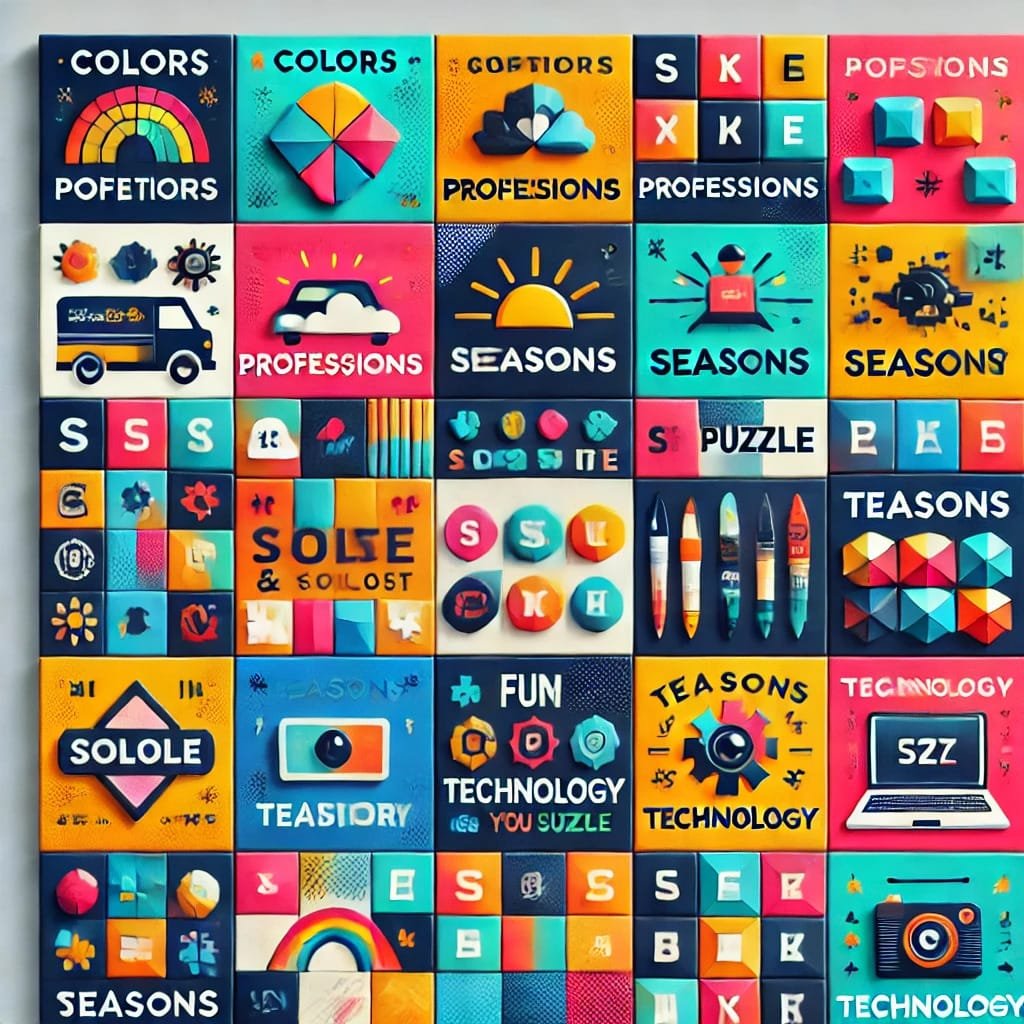
In the world of professional puzzle design, categories are often ranked by their complexity. Typically, these are divided into four distinct levels of difficulty, often represented by colors. Understanding these levels can help you prioritize which groups to solve first and which ones to save for the end when fewer options remain.
- The Straightforward Group: These are usually synonyms or very common direct associations. For example, types of fruit or synonyms for fast. This group is designed to be the easiest to spot.
- The Intermediate Group: This level requires a bit more thought. The connection might be a bit more abstract, such as words that share a common prefix or suffix.
- The Challenging Group: Here, the connections become more obscure. They might involve pop culture references, specific technical jargon, or words that belong to a niche field.
- The Tricky Group: Often considered the hardest, this category frequently involves wordplay, homophones, or words that share a hidden characteristic, such as being palindromes or names of famous fictional characters when a specific letter is removed.
How to identify and avoid red herrings?
Red herrings are the primary obstacle for anyone seeking a connections hint today. A red herring is a word that appears to belong to one category but actually belongs to another. For instance, if the grid contains the words Blue, Red, Green, and Sky, your first instinct might be to group the colors. However, if there is another category involving things found in the atmosphere, Sky might be the intended fit there, while Blue belongs with a different set of words entirely.
To avoid these traps, linguistic researchers note that players should look for the most specific connection possible. If a word is very versatile and could fit in three different places, it is likely a red herring. Conversely, if a word is very specific and only seems to have one possible partner, that pair is likely the anchor for a correct category. By working around the most specific words first, the rest of the grid often falls into place naturally.
Why are word associations beneficial for cognitive health?
Engaging with complex word puzzles is more than just a pastime; it is a form of mental gymnastics. Studies in cognitive psychology suggest that word puzzles enhance memory, pattern recognition, and problem-solving skills, making them valuable tools for mental stimulation. By forcing the brain to switch between different types of logic, from literal meanings to phonetic similarities, players are strengthening the neural pathways responsible for executive function.
Moreover, these puzzles expand one's vocabulary and general knowledge. A player might encounter a word they are unfamiliar with and be forced to use the process of elimination. This often leads to looking up the definition, thereby learning something new. The educational value of searching for a connections hint today extends far beyond the game itself, fostering a lifelong habit of curiosity and learning.
What are the best pro tips for consistent success?
If you want to move from a casual player to an expert, consider these pro tips used by the world's top puzzle solvers. First, read the words out loud. Sometimes, the connection is phonetic rather than semantic. Hearing the words can trigger an association that your eyes missed. Second, take a break. If you are stuck, looking away for even five minutes can allow your subconscious to process the information, often leading to an epiphany when you return.
Another expert insight involves the use of external resources. While many purists prefer to solve without help, using a thesaurus or a dictionary can be a great way to learn. If you find a word you don't know, look it up! There is no shame in building your toolkit. Finally, always solve the easiest categories first. By removing the obvious words from the grid, you reduce the number of variables, making the more difficult categories much easier to visualize.
How to handle the most difficult categories?
The most difficult category in a word grid is often the one that involves the most abstract thinking. This is where you might find words that all follow a specific blank (e.g., words that can follow the word Stone: Age, Cold, Wall, Wash). When you are down to the last eight words and cannot find a connection, try placing a common word before or after each of them to see if a pattern emerges.
Another common trick used by puzzle creators is the use of homophones or words that sound like other words. For example, a category might consist of words that sound like numbers (Won, Too, For, Ate). If the literal meanings of the words don't make sense together, start thinking about how they sound or how they are spelled. This shift in perspective is often the key to cracking the hardest part of the puzzle.
Frequently Asked Questions
How many mistakes can I make in a standard connections puzzle?
Most daily word association puzzles allow for four mistakes. Once you exceed this limit, the game usually ends and reveals the answers. This is why it is crucial to be certain of at least one or two groups before you start clicking, as errors can accumulate quickly when dealing with red herrings.
What should I do if I am completely stuck on a grid?
If you find yourself unable to make any progress, the best strategy is to look for a connections hint today that doesn't give away the entire answer. Many enthusiasts look for the general theme of a category rather than the specific words. This provides a nudge in the right direction without ruining the satisfaction of solving the puzzle yourself.
Are the colors always the same difficulty?
In most standardized versions of these puzzles, the color-coding remains consistent. Yellow is almost always the most straightforward, followed by green, blue, and finally purple as the most difficult. Knowing this allows you to gauge your progress and understand when you are dealing with the most complex wordplay the designer has to offer.
Can I play previous puzzles I might have missed?
Yes, many platforms offer an archive of past puzzles. This is an excellent way to practice and familiarize yourself with the common tropes and styles of the puzzle designers. Practice is the most effective way to improve your speed and accuracy over time.
Why do some words seem to fit in multiple categories?
This is a deliberate design choice known as overlap. It is intended to test your ability to look at the puzzle as a whole rather than in isolation. The presence of overlapping words is what elevates the game from a simple vocabulary test to a complex logic puzzle.
Conclusion
Mastering the art of word association puzzles is a rewarding journey that combines linguistic skill with logical deduction. By understanding the structure of the grid, recognizing the different levels of difficulty, and staying vigilant against red herrings, anyone can improve their daily performance. Whether you are looking for a connections hint today to save a streak or simply want to understand the mechanics of the game better, the key lies in patience and lateral thinking. As these puzzles continue to grow in popularity, they remain a testament to the enduring power of language and the human drive to solve problems. Keep practicing, stay curious, and enjoy the mental clarity that comes with every solved grid.
Related Media
Quick View: Decoding the Grid: A Comprehensive Guide to Connections Hint Today and Puzzle Strategy





Comments 0
Leave a Reply
Your email address will not be published. Required fields are marked *
Be the first to share your thoughts!