
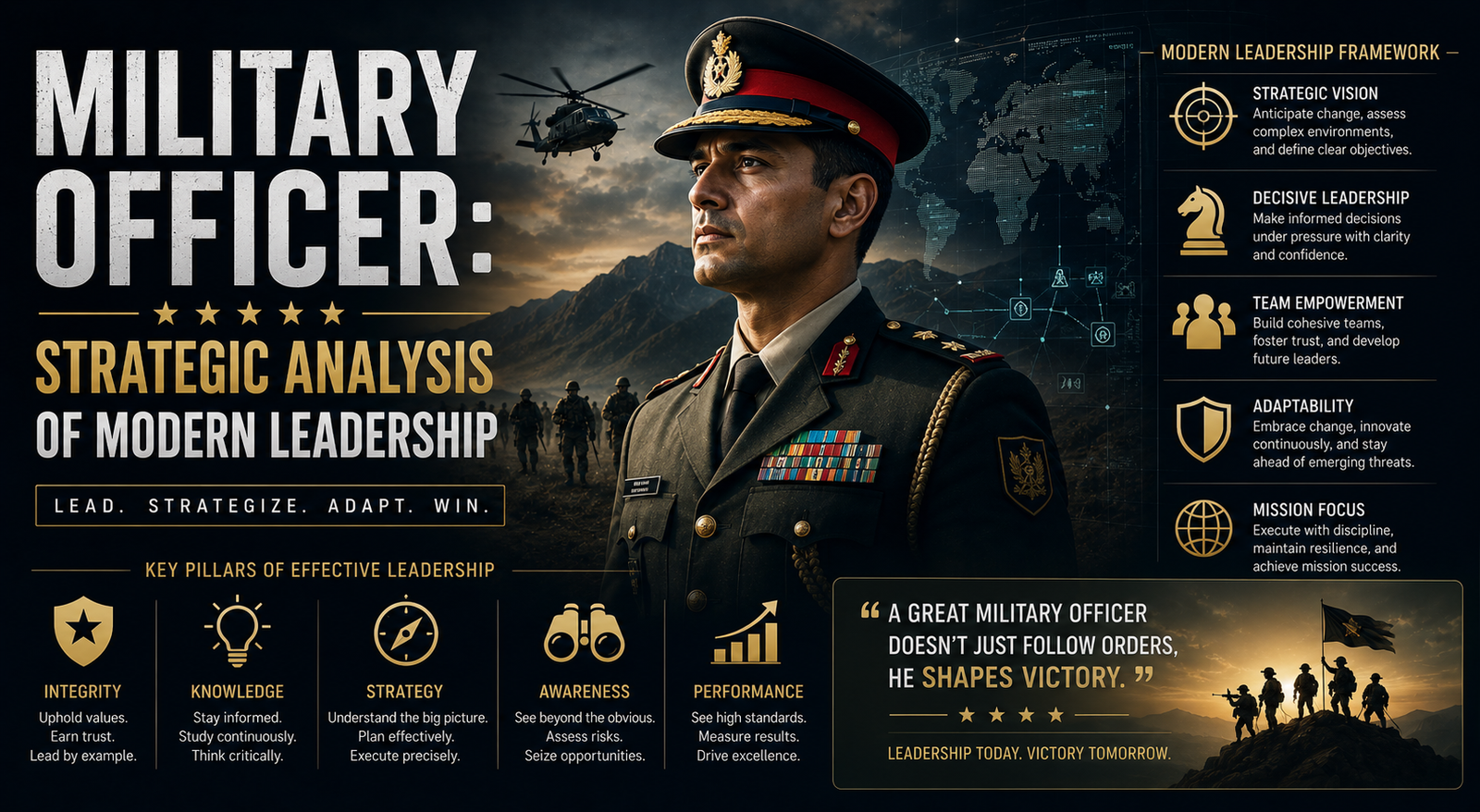
💡 Military Officer: Strategic Analysis of Modern Leadership
An in-depth professional analysis of the military officer's role in the 21st century, focusing on strategic command, technological integration, and global defense dynamics.
Executive Summary
The role of the military officer has undergone a fundamental transformation in the last decade. Moving beyond traditional battlefield command, modern officers now function as high-level managers of technology, diplomacy, and complex logistics. According to data from the Stockholm International Peace Research Institute (SIPRI), global military expenditure reached a record high of 2.44 trillion dollars in 2023. This financial surge places immense responsibility on the officer corps to manage massive budgets while navigating a landscape defined by hybrid warfare and rapid technological disruption. Key findings in this analysis indicate that the modern officer must balance traditional combat readiness with expertise in cyber defense, space-based assets, and international policy. The integration of artificial intelligence and autonomous systems has shifted the officer's primary function from direct tactical supervision to strategic data synthesis and ethical decision-making in high-pressure environments.
Introduction
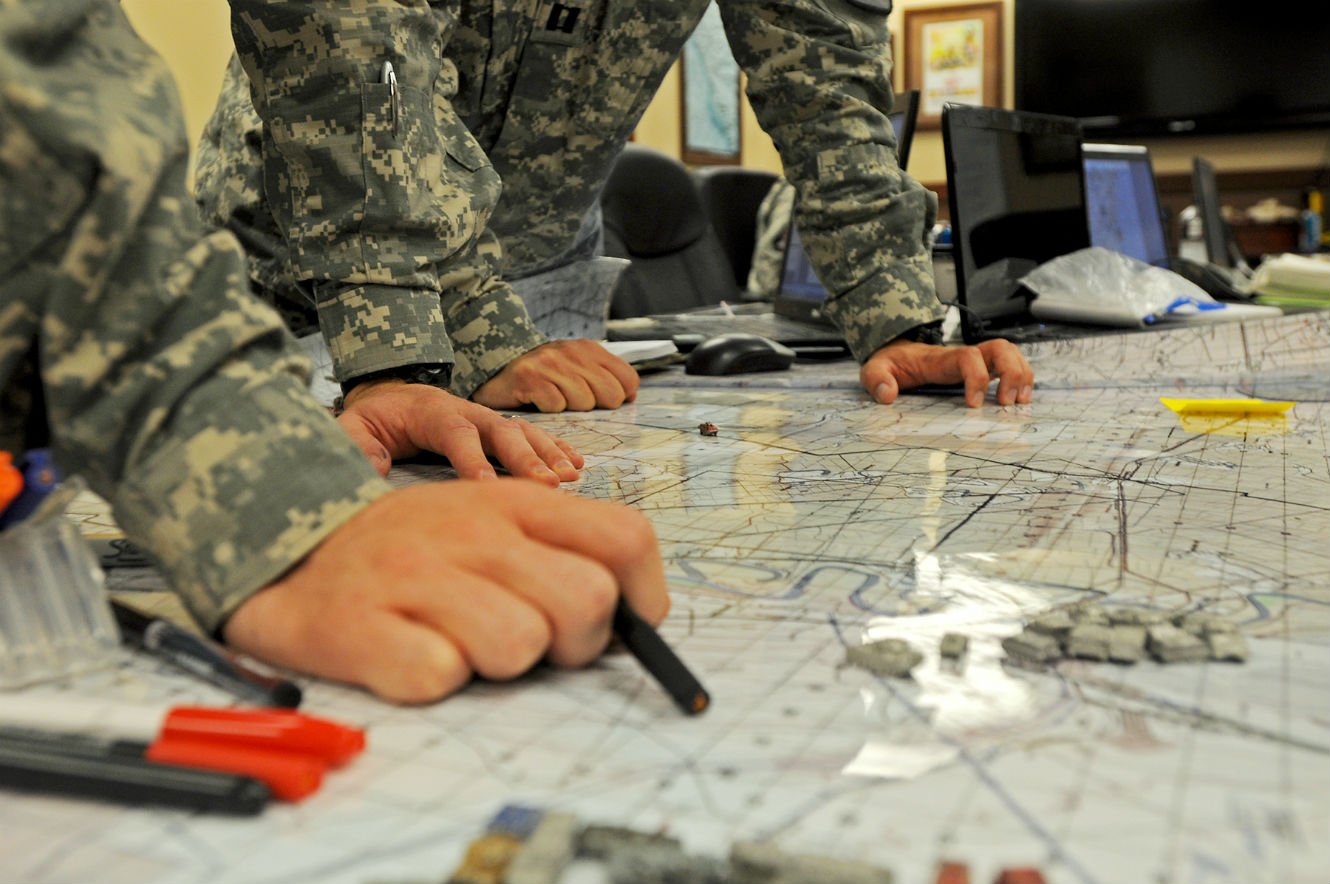
A military officer is a professional leader who holds a commission from a sovereign power, granting them the authority to command personnel and manage the vast resources of a nation's defense apparatus. Unlike enlisted personnel who focus on specialized technical or tactical tasks, officers are trained to view the battlefield and the geopolitical landscape through a strategic lens. The complexity of modern conflict requires a sophisticated understanding of how regional stability impacts global markets. For instance, an officer managing maritime security must understand the broader implications of trade route disruptions, much like how experts perform a Strategic Analysis of Global Weather Dynamics and Economic Impacts to predict market shifts. Today, the officer's commission is not just a badge of rank; it is a mandate for high-level organizational management and strategic foresight.
THE DEEP DIVE: The Strategic Framework of the Officer Corps
1. The Hierarchy of Command and Responsibility
The structure of the officer corps is divided into three primary tiers: company grade (junior), field grade (senior), and general or flag officers. Each tier carries distinct responsibilities that scale in complexity. Junior officers (O-1 to O-3) focus on the tactical execution of missions and the direct welfare of their subordinates. Field grade officers (O-4 to O-6) serve as the bridge between high-level strategy and tactical reality, often managing organizations equivalent to medium-sized corporations. General officers (O-7 and above) operate at the intersection of military strategy and national policy. In the United States, the Department of Defense (DoD) manages a workforce of approximately 1.3 million active-duty personnel, with officers making up roughly 18 percent of that total. This ratio ensures a high level of supervision and strategic planning across all branches of service.
2. Technological Integration and the New Frontier
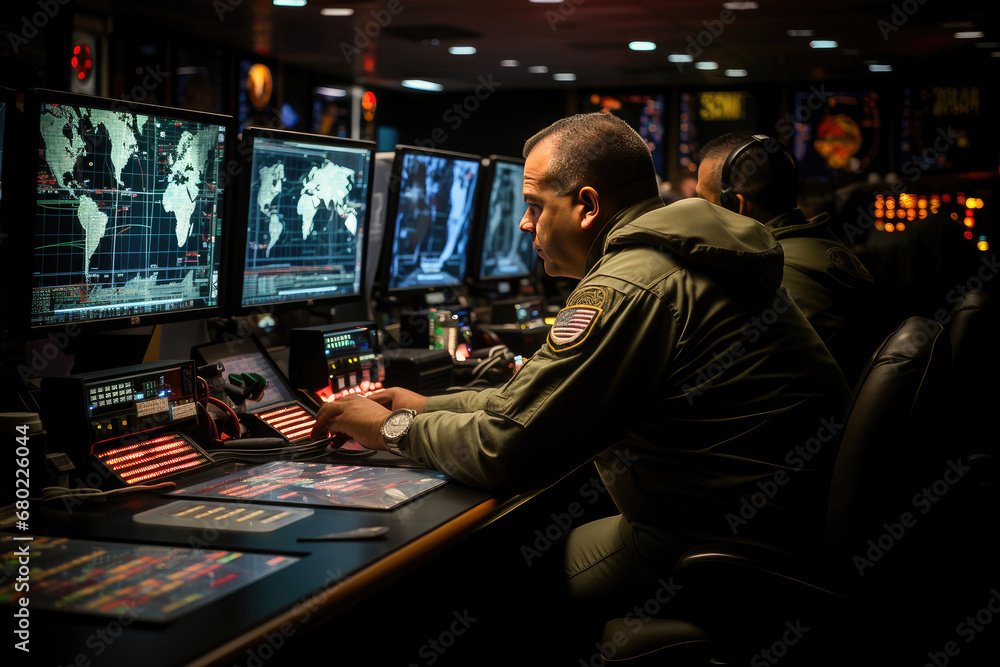
The modern officer must be a technologist. The shift toward Multi-Domain Operations (MDO) means that land, sea, air, space, and cyberspace are now interconnected. Officers are increasingly required to manage assets that exist outside the traditional physical realm. This trend is mirrored in civilian sectors where specialized agencies lead complex technological missions. A prime example is the work done by space agencies, as detailed in the ISRO: Strategic Analysis of Global Space Leadership. Military officers now oversee satellite constellations for communication and reconnaissance, requiring a level of technical literacy that was unnecessary forty years ago. The integration of AI-driven decision support systems allows officers to process vast amounts of sensor data, but it also increases the cognitive load, demanding higher standards for mental resilience and analytical speed.
3. Educational Pathways and Professional Development
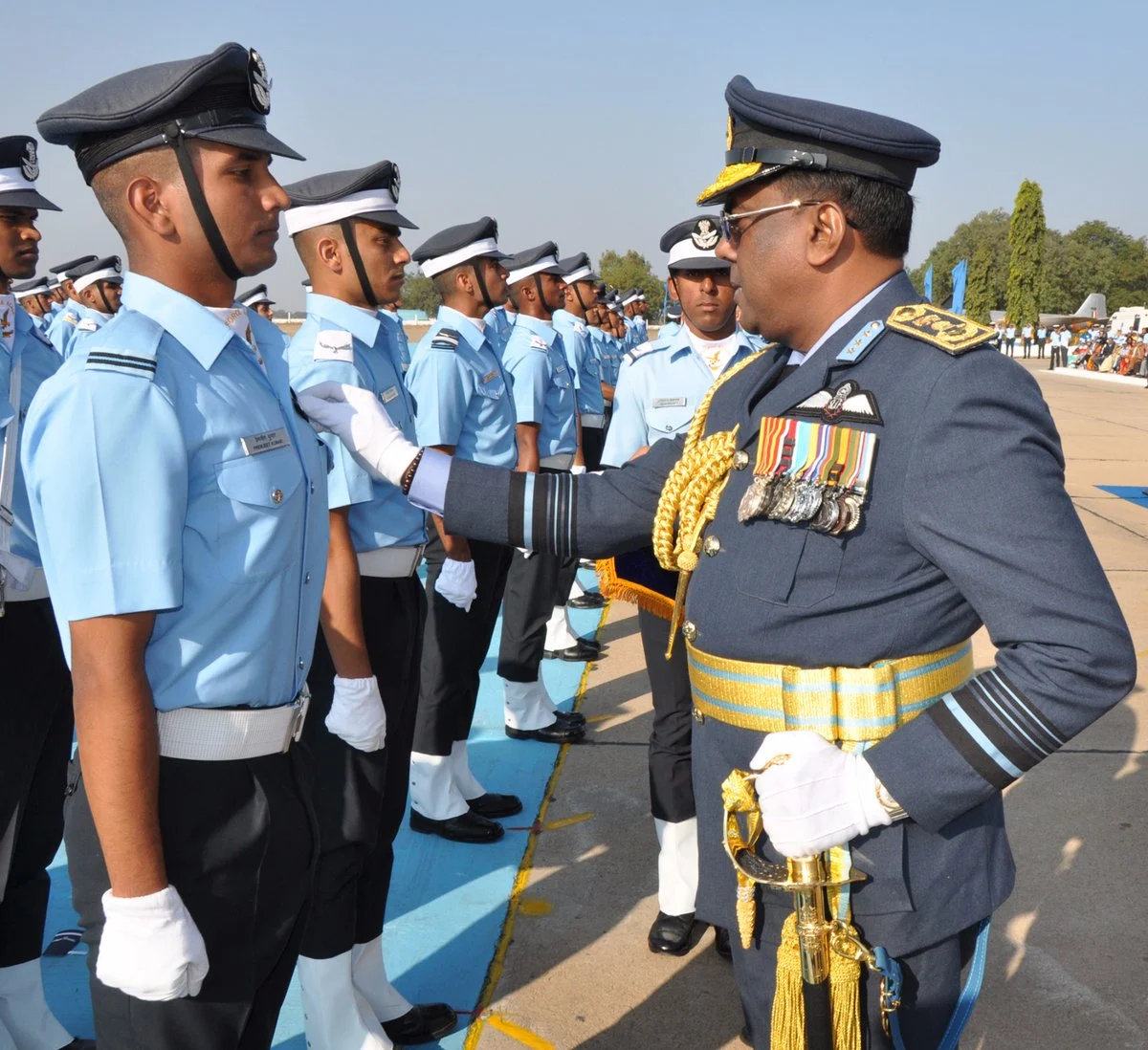
The path to becoming a military officer is rigorous and highly competitive. In the United States, primary commissioning sources include service academies like West Point or Annapolis, the Reserve Officers' Training Corps (ROTC), and Officer Candidate School (OCS). Statistics show that approximately 40 percent of new officers come from ROTC programs, providing a diverse influx of civilian-educated talent into the military. Continuous education is a requirement for advancement. Officers must attend Command and General Staff Colleges and War Colleges, where they study history, ethics, and strategic theory. This commitment to lifelong learning ensures that the leadership remains adaptable to new threats, such as cyber warfare and information operations.
4. Economic and Institutional Management
Military officers are often responsible for the stewardship of public funds on a scale that rivals the largest federal agencies. Managing the lifecycle of weapon systems, housing for families, and healthcare for veterans requires a deep understanding of institutional frameworks. This is comparable to the administrative challenges faced by other large-scale government programs, such as those discussed in the SSA Strategic Analysis: The Future of Federal Social Security. Officers in procurement and logistics roles must ensure that every dollar spent contributes to national readiness, balancing immediate operational needs against long-term modernization goals. The 2024 US defense budget request of 842 billion dollars highlights the scale of this management task, where even a one percent margin of inefficiency can result in billions of dollars in lost value.
WHAT THIS MEANS FOR YOU
- For Aspiring Leaders: The military officer career path offers unparalleled leadership training that is highly valued in the corporate sector. The ability to lead diverse teams under extreme stress is a rare and marketable skill.
- For Policy Analysts: Understanding the officer's role is crucial for interpreting national security strategies. The officer corps is the primary engine that translates political will into operational reality.
- For the Taxpayer: The efficiency and integrity of the officer corps directly impact national fiscal health. Their ability to manage resources effectively ensures that defense spending provides maximum security value.
- For Technology Professionals: The military is a major driver of R and D. Officers often manage the implementation of cutting-edge technologies that eventually trickle down to civilian use, such as GPS and advanced telecommunications.
Expert Verdict / Future Outlook
The future of the military officer will be defined by the concept of the "Strategic Corporal" expanded to the "Digital Colonel." As decentralized command becomes more common due to secure communication networks, lower-ranking officers will be empowered to make decisions that have strategic consequences. We expect to see a greater emphasis on soft skills, such as cultural intelligence and diplomatic negotiation, as officers are frequently deployed in stability operations where winning hearts and minds is as important as kinetic force. Furthermore, the ethical implications of autonomous weaponry will require officers to act as the ultimate moral arbiter on the battlefield. The demand for officers with STEM backgrounds will likely increase by 20 percent over the next decade to keep pace with the digitalization of warfare.
FAQ
What is the difference between a commissioned officer and a non-commissioned officer?
A commissioned officer holds a document of authority from the head of state and focuses on management and strategy. A non-commissioned officer (NCO) is a high-ranking enlisted member who focuses on technical expertise and the direct supervision of personnel.
Do you need a college degree to be a military officer?
Yes, in almost all modern militaries, a four-year bachelor's degree is a prerequisite for receiving a commission. Many senior officers also hold master's degrees or doctorates in fields like international relations or engineering.
What is the average salary of a military officer?
In the United States, a newly commissioned Second Lieutenant (O-1) earns a base pay of approximately 45,000 dollars per year, but with housing allowances and tax advantages, the total compensation is often closer to 65,000 dollars. Senior officers (O-6) can earn base pay exceeding 150,000 dollars annually.
Can military officers transition easily to civilian careers?
Yes. Officers are highly sought after for roles in project management, operations, and executive leadership because of their experience in logistics, personnel management, and strategic planning.
What are the physical requirements for an officer?
Officers must meet the same physical fitness standards as enlisted personnel, which include regular testing of strength, endurance, and body composition. However, the emphasis for officers is increasingly on cognitive performance and mental resilience.
Conclusion
The military officer remains the cornerstone of national defense, serving as the vital link between political policy and tactical execution. As the global landscape becomes increasingly volatile, the requirement for highly educated, ethically grounded, and technologically proficient leaders has never been greater. By managing billions in assets and leading the next generation of service members, officers ensure that the military remains a capable and disciplined instrument of national power. The strategic takeaway is clear: the modern officer is no longer just a warrior; they are a sophisticated executive operating in the world's most high-stakes environment.





Comments 0
Leave a Reply
Your email address will not be published. Required fields are marked *
Be the first to share your thoughts!