

💡 Ministerial Leadership: A Strategic Analysis of Governance
An authoritative analysis of ministerial roles, executive governance, and the strategic impact of cabinet-level leadership on national policy and economic stability.
Executive Summary
The role of a minister has evolved from a primarily advisory position into a high-stakes executive function that demands a blend of political acumen and administrative expertise. This strategic analysis examines the structural importance of ministerial offices in modern governance. Ministerial leadership plays an important role in a nation's ability to implement fiscal policy, manage social welfare, and maintain effective governance. This report highlights the evolution of these roles, the impact of policy influence, and the necessity of strategic leadership in the executive branch.
Introduction: The Architect of Public Policy
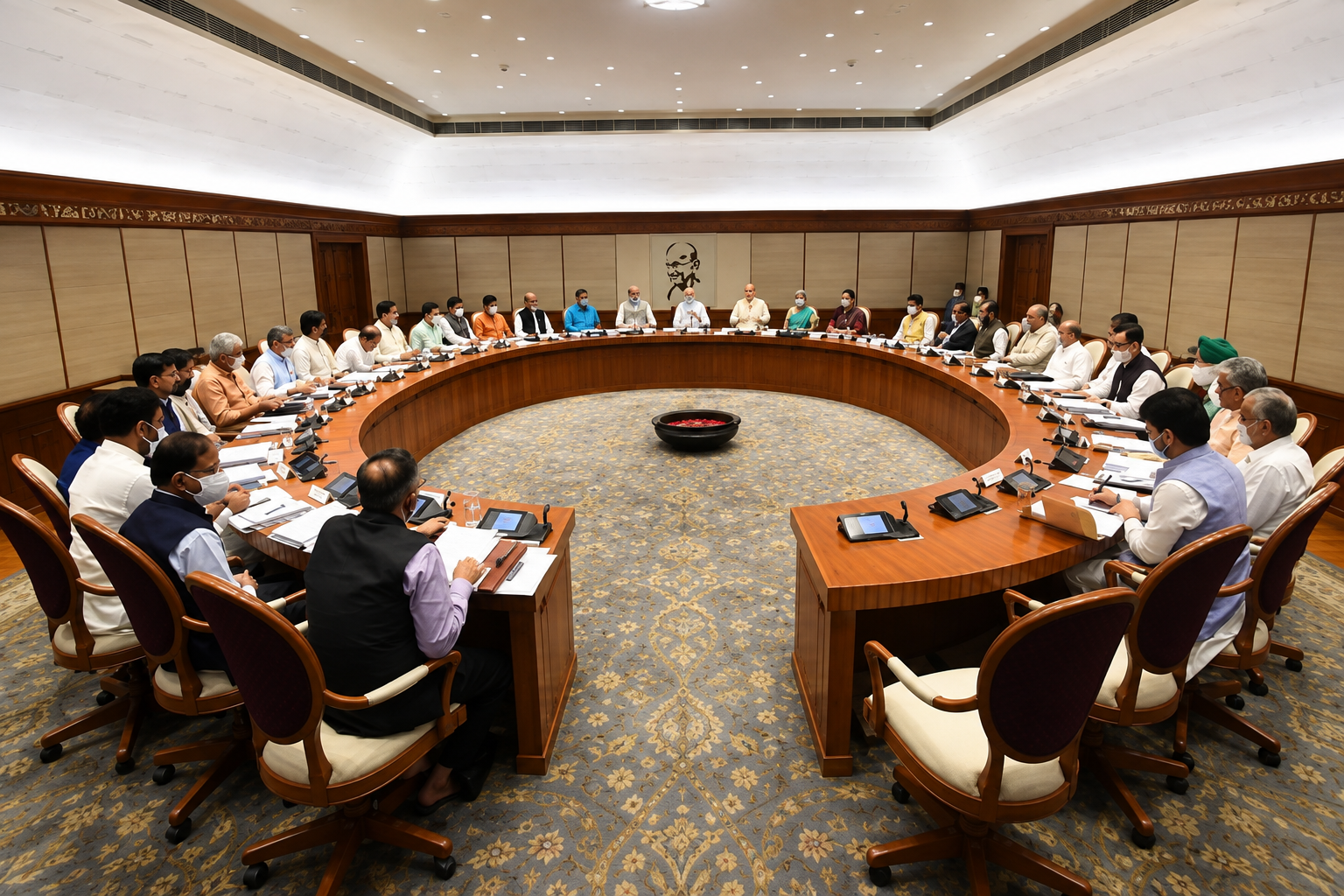
In the architecture of modern democracy, the minister serves as an important bridge between legislative intent and executive action. Derived from the Latin word for servant, the contemporary minister is anything but a passive follower. They are senior political leaders within government departments, responsible for major budgets and public services affecting millions of people. Whether in a Westminster parliamentary system or a presidential cabinet, the minister plays an important role in political and administrative accountability. As global challenges become more complex, the demand for ministers who can navigate the intersection of technology, economics, and social justice has reached a critical peak.
The Deep Dive: Structural Dynamics and Economic Impact
The ministerial office operates within a framework of collective responsibility and individual authority. To understand the strategic importance of this role, one must examine the different facets of ministerial influence.
1. The Evolution of Portfolio Management
Historically, cabinets were small, focusing on core functions like defense, treasury, and foreign affairs. Today, the diversification of ministerial portfolios reflects the complexities of the 21st century. We now see specialized roles for digital transformation, climate action, and mental health. This

3. Economic Stewardship and Fiscal Responsibility
One of the most critical functions of a minister is overseeing departmental budgets and public spending. Government spending as a share of national GDP varies significantly across developed economies and depends on each country's fiscal structure and policies. The strategic allocation of these funds can influence the trajectory of national growth. Ministers must exercise fiscal prudence while ensuring that essential services are funded. Effective leadership in this area is vital for maintaining market confidence. This is particularly evident in regions where General Asim Munir: Strategic Leadership and Economic Stability has been a focal point of discussion regarding the intersection of executive power and financial health.
4. Healthcare and Social Infrastructure
The efficacy of a minister is perhaps most visible in the social sector. The implementation of universal healthcare systems requires ministers to oversee complex logistics, substantial resources, and large amounts of data. A prime example is the strategic framework seen in the Ayushman Bharat: A Strategic Analysis of Universal Healthcare, where ministerial oversight is crucial for scaling services to reach hundreds of millions of citizens. In this context, the minister acts as a strategist, ensuring that the infrastructure can support the policy goals without being undermined by administrative inefficiency.
What This Means For You
For the average citizen and business owner, the performance of a minister can have direct, tangible consequences. Here is how ministerial actions affect your daily life:
-
Regulatory Environment: Ministerial decisions can influence the ease of doing business, the strength of consumer protections, and the level of environmental oversight.
-
Public Services: The quality of schools, hospitals, and infrastructure can be influenced by government policies and ministerial resource allocation.
-
Economic Stability: Through fiscal policy and trade negotiations, ministers can influence inflation, job market trends, and overall economic security.
-
National Security: Ministers responsible for defense and internal affairs play an important role in maintaining the safety and stability of the environment in which people live and work.

Expert Verdict and Future Outlook
The future of ministerial leadership lies in the integration of data-driven decision-making and artificial intelligence. The use of technology and data-driven approaches is likely to play an increasingly important role in government decision-making. Ministers will continue to require a combination of domain expertise, political judgment, and administrative skills. Rather than suggesting that the era of the generalist is fading, modern governance is likely to require both broad political understanding and specialized expertise. As public scrutiny increases through digital transparency, ministers will be held to higher standards of performance and ethical conduct. We expect to see a greater emphasis on cross-departmental collaboration, breaking down the silos that have traditionally hindered effective governance.
FAQ: Understanding Ministerial Authority
How is a minister appointed?
In most parliamentary systems, the Prime Minister selects ministers, usually from members of the legislature. In presidential systems, the President appoints cabinet officials, often subject to confirmation by a legislative body.
What is the difference between a Cabinet Minister and a Minister of State?
A Cabinet Minister is a senior member of the government who sits in the cabinet and has direct responsibility for a major department. A Minister of State is typically a junior minister who assists the Cabinet Minister in specific areas of the department. The exact roles and powers can vary between countries.
Can a minister be held legally accountable for their decisions?
Yes. While they may have certain protections when performing their official duties, ministers are subject to the rule of law, applicable ministerial codes of conduct, and, in many cases, judicial review of administrative actions.
What is the principle of collective responsibility?
This is a constitutional convention in many parliamentary systems where cabinet members are expected to publicly support government decisions made collectively, even if they privately disagree with them. If a minister cannot support a major government decision, they may be expected to resign.
How do ministers influence the economy?
They influence the economy through the development of government policies, preparation of department budgets, participation in tax and regulatory policy, and oversight of sectors such as energy, transport, and finance.
Conclusion
The role of the minister remains a cornerstone of effective governance. By balancing political vision with administrative precision, these leaders play an important role in shaping the success of national policies. As we move into an era of increasing global volatility, the need for strategic, high-trust ministerial leadership remains important. Understanding the mechanics of this office is essential for any citizen or professional looking to navigate the complexities of the modern world.





Comments 0
Leave a Reply
Your email address will not be published. Required fields are marked *
Be the first to share your thoughts!