💡 The Speed King: Mitchell Starc’s Career Stats, Lethal Bowling Technique, and Cricket Journey
A comprehensive guide to Mitchell Starc’s cricket career, exploring his record-breaking statistics, unique left-arm bowling technique, and his status as a World Cup legend.
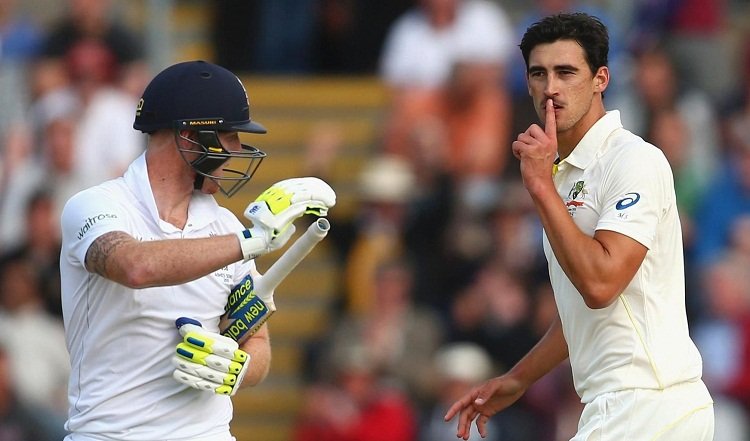
Mitchell Starc is a premier Australian left-arm fast bowler renowned for his extreme pace, lethal inswinging yorkers, and record-breaking performances in ICC tournaments. With over 650 international wickets across Tests, ODIs, and T20Is, he is widely regarded as one of the greatest white-ball bowlers in history and a vital spearhead of Australia's multi-format bowling attack. His ability to deliver the ball at speeds exceeding 150 kph while maintaining late swing makes him one of the most feared cricketers in the modern era.
The Impact of Mitchell Starc on Modern Fast Bowling
In an era where T20 cricket often favors batsmen, Mitchell Starc has remained a constant threat to the world’s best. Unlike many fast bowlers who prioritize consistency and line-and-length, Starc is an out-and-out strike bowler. His primary objective is to take wickets, particularly at the start and the end of an innings. This aggressive mindset has redefined the role of the left-arm quick, proving that raw pace and attacking angles are still the most effective tools for winning matches.
From Berala to the Big Stage: The Formative Years and Rise of a Left-Arm Icon
Born in Baulkham Hills, New South Wales, Starc’s cricketing journey began at the Berala Sports Cricket Club. Interestingly, he did not start as a fast bowler; in his early teens, Starc was a tall, gangly wicketkeeper. It was only when a coach suggested he try bowling to utilize his height that the world caught a glimpse of his potential.
He rose through the ranks of New South Wales cricket with remarkable speed, making his first-class debut in 2009. By 2010, he had earned his first international cap for Australia in an ODI against India. His tall frame, natural left-arm angle, and ability to generate bounce immediately set him apart from his peers, marking the beginning of a decade-long dominance.
Anatomy of a Strike Bowler: Breaking Down Starc’s Unique Bowling Action and Release
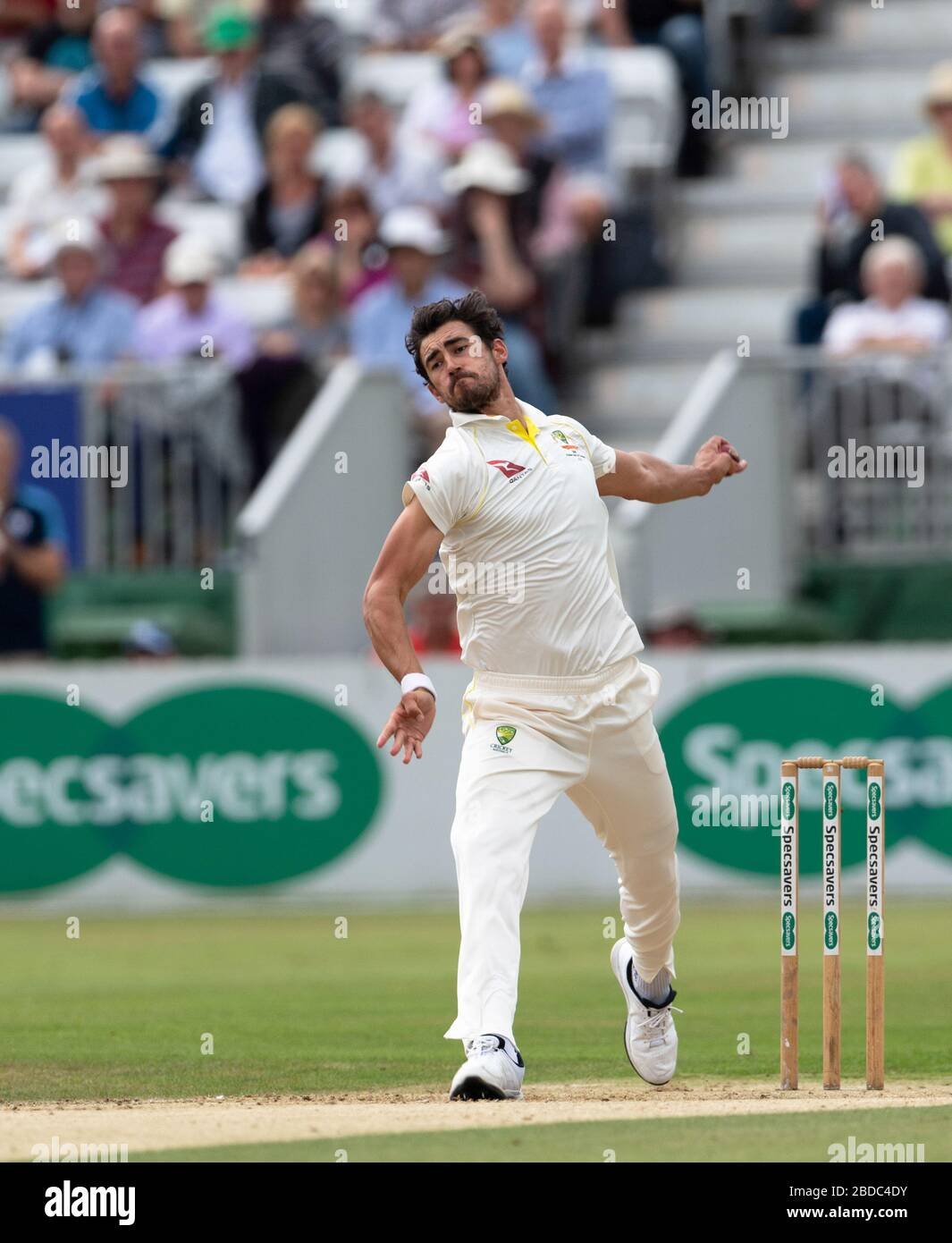
Starc’s bowling action is often described as one of the most fluid and aesthetically pleasing in the game. However, behind the grace is a highly mechanical process that generates immense power.
- The Run-up: Starc uses a long, rhythmic run-up that allows him to build significant momentum before reaching the crease.
- High Arm Release: His delivery stride is long, and his bowling arm reaches a high vertical point. This height allows him to extract extra bounce even on flat pitches.
- The Snap: At the point of release, Starc uses a powerful flick of the wrist. This "snap" is what generates the late swing that moves the ball back into the right-handed batsman.

The Art of the Inswinging Yorker: How Starc Mastered Cricket’s Most Difficult Delivery
The inswinging yorker is Mitchell Starc’s calling card. While many bowlers attempt the yorker, few can execute it at 145+ kph with the ball tailing inward. This delivery is particularly effective against right-handed batsmen because it targets the "corridor of uncertainty" before curving sharply toward the toes or the base of the stumps.
Starc’s mastery comes from his ability to hide the ball during his approach and his impeccable control over the seam position. By angled the seam slightly toward fine leg, he uses the air resistance to curl the ball late in its flight. This leaves the batsman with milliseconds to react, often resulting in spectacular bowled or LBW dismissals.
Statistical Dominance: A Comprehensive Breakdown of Test, ODI, and T20I Records
Starc’s career statistics reflect his versatility and longevity across all formats. He is one of the few modern bowlers to maintain an elite strike rate in both red-ball and white-ball cricket.
Test Cricket
In the longest format, Starc has surpassed 350 wickets. He is known for his ability to clean up the tail quickly, ensuring that Australia’s opposition rarely recovers once the middle order falls. His partnership with Pat Cummins and Josh Hazlewood is considered one of the greatest fast-bowling trios in Test history.
ODI and T20I Cricket
Starc’s white-ball records are even more staggering. He became the fastest bowler to reach 150 and 200 ODI wickets in terms of matches played. His economy rate remains respectable despite bowling the most difficult overs at the death.
| Format | Matches | Wickets | Best Bowling |
|---|---|---|---|
| Test | 85+ | 358 | 6/50 |
| ODI | 120+ | 236 | 6/28 |
| T20I | 60+ | 74 | 4/20 |
The World Cup Specialist: Analyzing Starc’s Unparalleled Performance in ICC Tournaments
If there is one stage where Mitchell Starc truly shines, it is the ICC Cricket World Cup. He has a unique ability to peak during major tournaments. In the 2015 World Cup, he was named the Player of the Tournament after taking 22 wickets at an average of just 10.18. He followed this up in 2019 by setting a new record for the most wickets in a single World Cup edition (27 wickets).
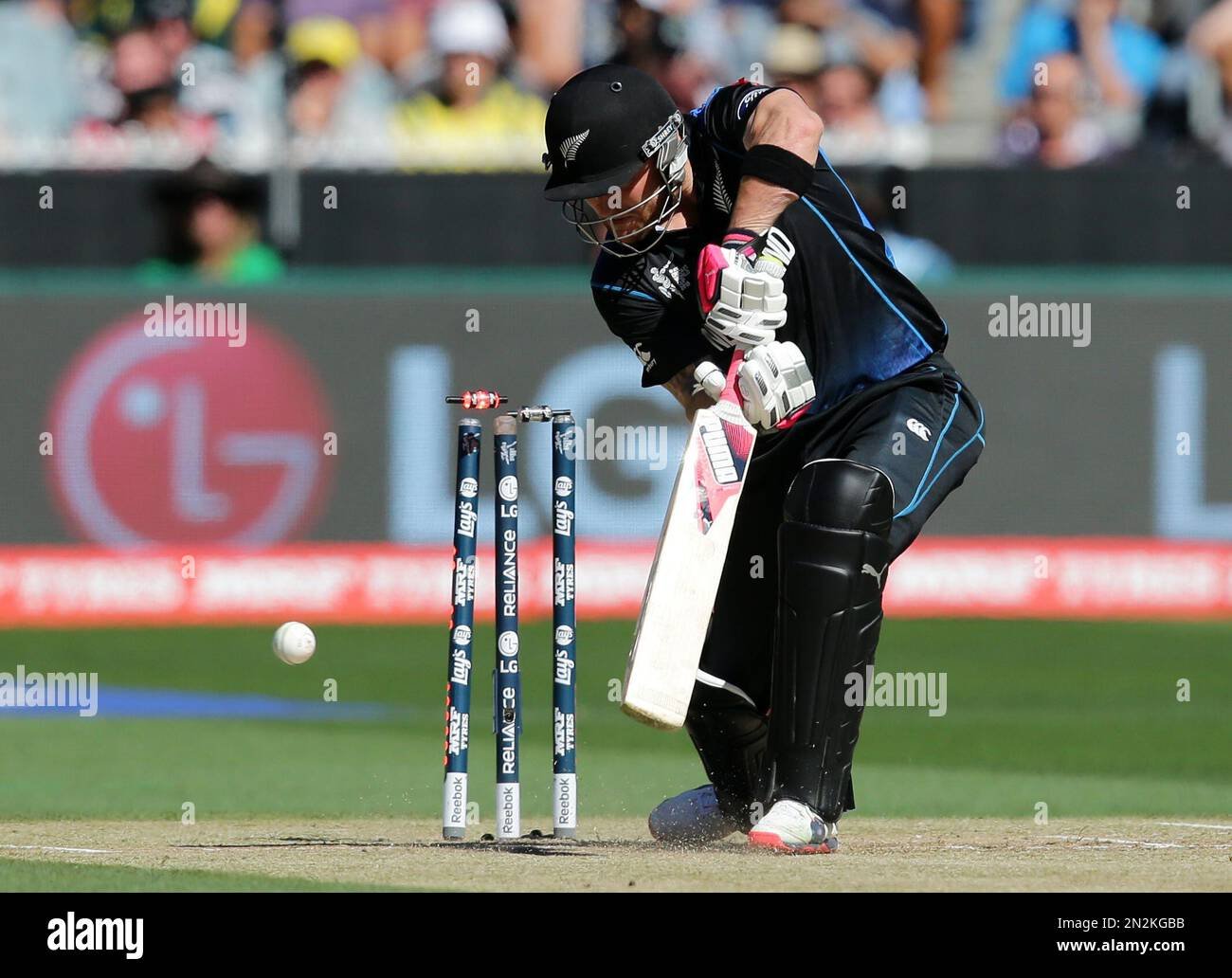
His performance in finals is equally legendary. The image of him bowling New Zealand’s Brendon McCullum in the first over of the 2015 final remains one of the most iconic moments in Australian cricket history. Starc’s big-match temperament makes him an invaluable asset for any captain.
Managing the Workload: Overcoming Injuries and Maintaining Elite Pace Over a Decade
Maintaining a speed of 150 kph for over a decade takes a significant toll on the body. Starc has faced numerous challenges, including chronic foot stress fractures and ankle injuries. His longevity is a testament to his disciplined fitness regime and professional workload management.
For several years, Starc chose to opt out of the Indian Premier League (IPL) and other T20 leagues to prioritize his fitness for national duties. This decision allowed him to prolong his career and remain spearhead for Australia’s Test and World Cup campaigns. His return to the IPL in recent years, including becoming the most expensive player in IPL history at one point, highlights his enduring value even in the twilight of his career.
Frequently Asked Questions About Mitchell Starc’s Career and Records
1. What is Mitchell Starc’s fastest recorded delivery?
Starc’s fastest delivery was clocked at 160.4 kph (99.7 mph) during a Test match against New Zealand at the WACA in 2015. It remains one of the fastest balls ever recorded in cricket history.
2. Why is Mitchell Starc so effective against tail-enders?
Starc uses his extreme pace and the steep angle of the left-arm delivery to target the stumps. Lower-order batsmen often lack the footwork to deal with 150 kph yorkers, making him a specialist at cleaning up the tail.
3. How many World Cups has Mitchell Starc won?
Starc has been a key part of multiple Australian trophy wins, including the 2015 ODI World Cup, the 2021 T20 World Cup, and the 2023 ODI World Cup.
4. Is Mitchell Starc a good batsman?
While primarily a bowler, Starc is a very capable lower-order batsman. He has scored over 2,000 runs in Test cricket, including 10 half-centuries, often providing crucial runs in the lower order.
5. What makes his bowling different from other left-armers?
Unlike many left-armers who rely solely on swing (like Trent Boult) or angle (like Shaheen Afridi), Starc combines both with raw, intimidating pace and a vertical release that generates more bounce than the average left-arm quick.
Conclusion
Mitchell Starc’s legacy is defined by his ability to turn a game in a single over. Whether it is a swinging red ball on a fresh Perth wicket or a toe-crushing yorker under the lights of a World Cup final, Starc has consistently delivered when the stakes are highest. His blend of athletic grace, mechanical precision, and fierce competitive spirit ensures that he will be remembered as the 'Speed King' of his generation, leaving a blueprint for future left-arm fast bowlers to follow.





Comments 0
Leave a Reply
Your email address will not be published. Required fields are marked *
Be the first to share your thoughts!