
💡 Navigating the Decades-Long Rivalry: A Comprehensive Guide to US-Iran Diplomacy
An in-depth guide to the complex history, nuclear negotiations, and geopolitical tensions between the United States and Iran.
The diplomatic relationship between the United States and Iran is defined by a deep-seated cycle of mistrust, historical grievances, and competing regional interests. Since the 1979 Islamic Revolution, the two nations have lacked formal diplomatic ties, communicating instead through intermediaries like Switzerland or Oman. Today, the rivalry centers on three main pillars: Iran’s nuclear program, its influence across the Middle East through proxy groups, and the heavy use of economic sanctions by the U.S. to influence Iranian policy. Understanding this relationship requires looking past daily headlines to the structural events that turned former allies into arch-adversaries.
The Global Significance of the US-Iran Relationship
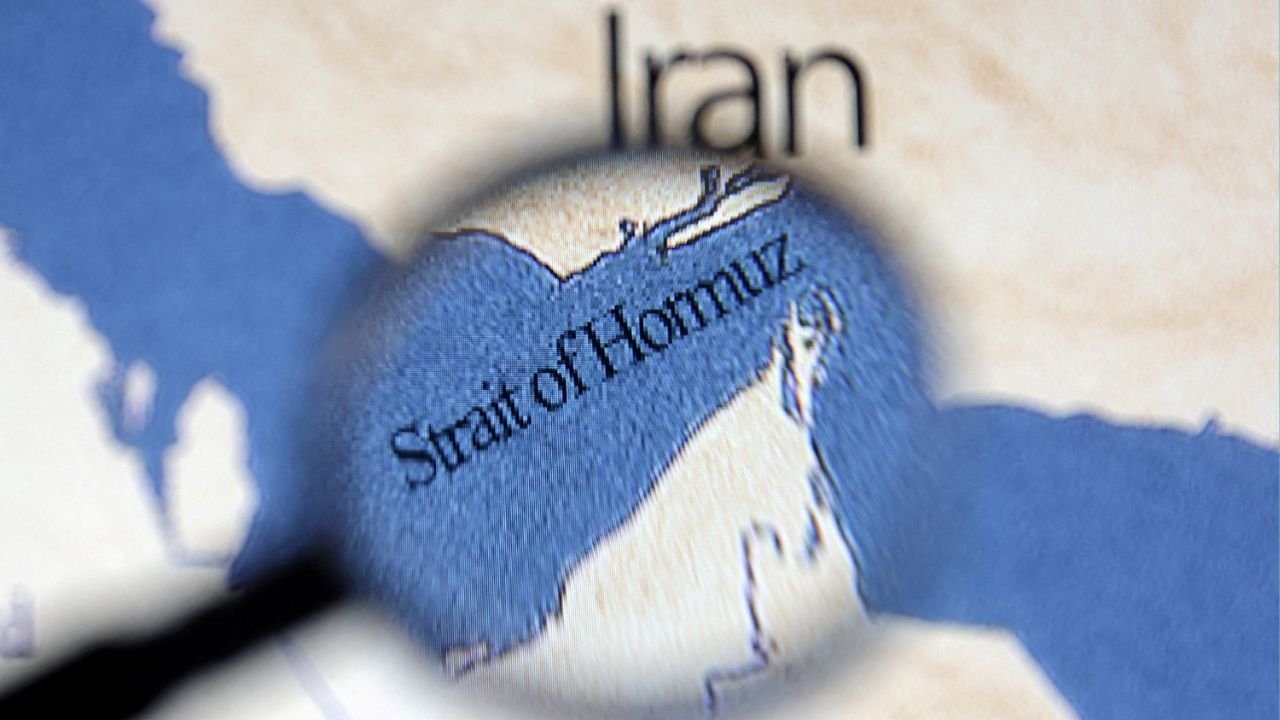
Why does a rift between two countries thousands of miles apart dominate global discourse? The answer lies in geography and energy. Iran sits on some of the world’s largest oil and natural gas reserves and borders the Strait of Hormuz, a narrow waterway through which twenty percent of the world’s petroleum passes. Any escalation in tension can cause immediate spikes in global energy prices.
Beyond economics, the rivalry shapes the security architecture of the entire Middle East. The U.S. maintains a network of alliances with countries like Saudi Arabia and Israel, both of whom view Iran’s regional ambitions as a primary threat. Consequently, the US-Iran dynamic isn't just a bilateral issue; it is the axis around which much of Middle Eastern geopolitics revolves.
The Historical Foundation: From the 1953 Coup to the 1979 Islamic Revolution
To understand why Iranian leadership remains wary of Washington, one must look back to 1953. At that time, the U.S. and UK orchestrated a coup (Operation Ajax) to overthrow Iran’s democratically elected Prime Minister, Mohammad Mossadegh, after he moved to nationalize the country's oil industry. The coup restored the absolute power of Shah Mohammad Reza Pahlavi, who became a key U.S. ally for the next 25 years.
While the Shah modernized Iran’s infrastructure, his secret police (SAVAK) suppressed dissent, leading to widespread resentment. This culminated in the 1979 Islamic Revolution, led by Ayatollah Khomeini. The subsequent storming of the U.S. Embassy in Tehran and the 444-day hostage crisis created a trauma in the American psyche that still influences policy today. The U.S. severed ties in 1980, and the two nations have been in a state of cold war ever since.

The Nuclear Question: Understanding the JCPOA and the Struggle for Non-Proliferation
For the last two decades, the primary flashpoint has been Iran’s nuclear program. Iran maintains its program is for peaceful energy and medical purposes, while the U.S. and its allies fear it is a cover for developing nuclear weapons. This tension led to the 2015 Joint Comprehensive Plan of Action (JCPOA), commonly known as the Iran Nuclear Deal.
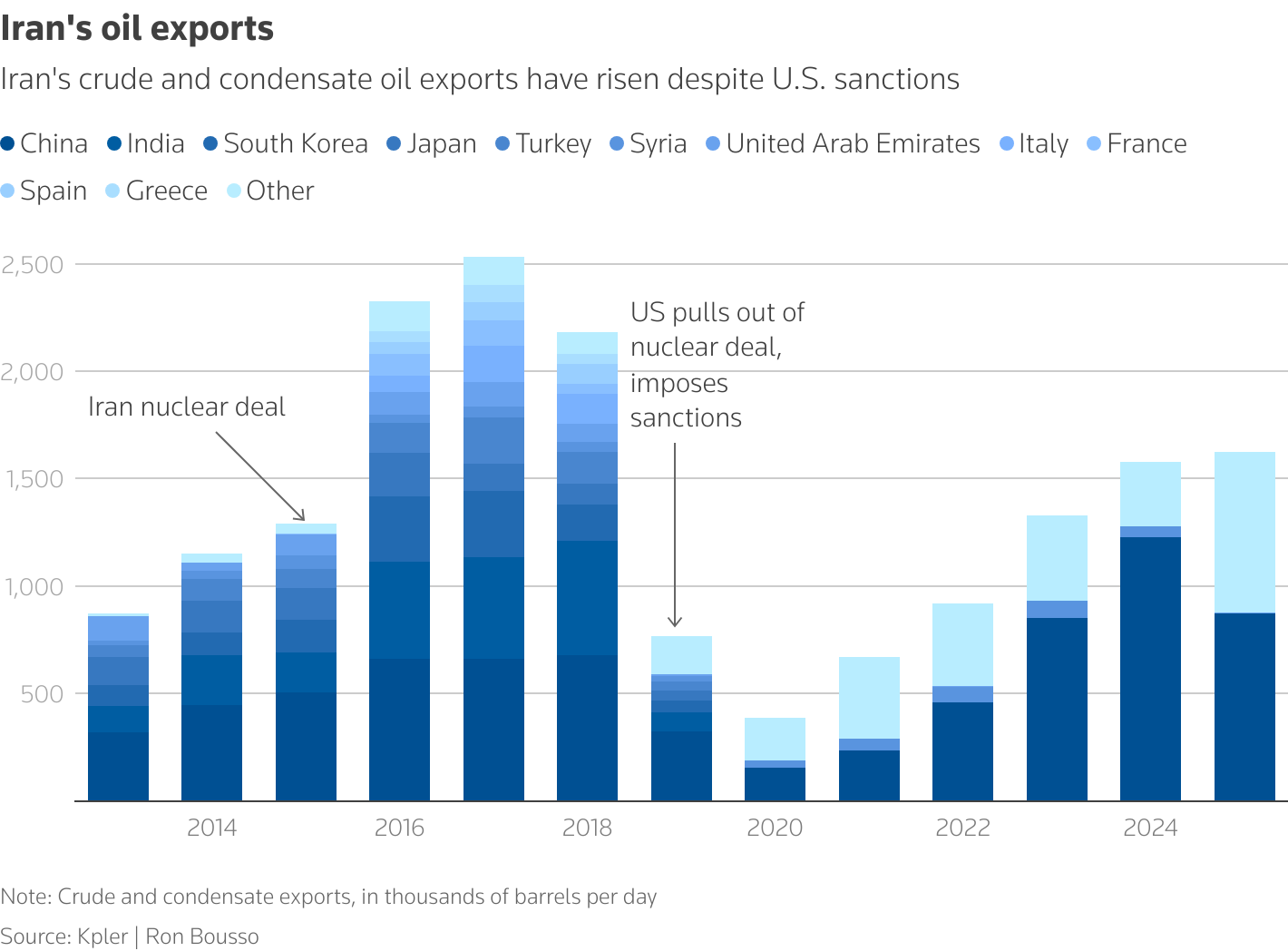
Under the JCPOA, Iran agreed to limit its uranium enrichment and allow international inspections in exchange for the lifting of economic sanctions. The deal was a landmark of diplomacy, but it was fragile. In 2018, the U.S. unilaterally withdrew from the agreement, citing concerns that it did not address Iran’s ballistic missile program or regional activities. This withdrawal led to a "maximum pressure" campaign, and Iran subsequently began exceeding the deal's limits on nuclear material, leaving the agreement in a state of limbo.
Geopolitical Chess: Regional Influence and Proxy Dynamics
The rivalry is rarely fought directly. Instead, it plays out in third-party countries like Iraq, Syria, Lebanon, and Yemen. Iran utilizes a strategy of "forward defense," supporting various groups—often referred to as the Axis of Resistance—to project power and deter potential attacks on its own soil.
From the U.S. perspective, these groups are seen as destabilizing forces that threaten sovereign states and international shipping lanes. This creates a dangerous environment where a local skirmish between a proxy group and U.S. forces can quickly escalate into a direct confrontation between Washington and Tehran. The strategic importance of the Strait of Hormuz adds another layer of risk, as Iran has occasionally threatened to close the strait if its oil exports are blocked.
Economic Leverage: The Mechanics and Humanitarian Consequences of Sanctions
Sanctions are the primary tool the U.S. uses to exert pressure on Iran without resorting to military action. These measures target Iran’s ability to sell oil, access the international banking system (SWIFT), and trade in gold or other precious metals. The goal is to drain the Iranian government's revenue and force it back to the negotiating table.
While sanctions have successfully crippled Iran’s GDP and caused the rial (Iran’s currency) to lose significant value, they also have a profound impact on the civilian population. Inflation has skyrocketed, making basic goods and imported medicines difficult for many Iranians to afford. Although the U.S. often includes humanitarian exemptions for food and medicine, the complexity of the banking sanctions often scares away foreign companies from engaging in even legal trade with Iran.
Diplomatic Channels and the Challenges of De-escalation
In a world that is becoming increasingly multipolar, the US-Iran relationship is no longer a vacuum. China has emerged as a major buyer of Iranian oil and recently brokered a normalization deal between Iran and Saudi Arabia. This shift provides Iran with economic and diplomatic alternatives to Western demands.
De-escalation remains difficult because of the lack of direct communication. When crises arise, messages must pass through the Swiss Embassy in Tehran or through intermediaries in Doha or Muscat. This delay increases the risk of miscalculation. For diplomacy to succeed, both sides would likely need to find a "more for more" or "less for less" framework—where incremental Iranian concessions on nuclear or regional issues are met with incremental sanctions relief from the U.S.
FAQ: Common Questions Regarding US-Iran Diplomatic Relations
Why don't the US and Iran have embassies in each other's countries?
Formal ties were severed in 1980 following the 1979 Hostage Crisis. Since then, neither government has felt the political climate was right to restore full diplomatic recognition. Switzerland serves as the "protecting power" for U.S. interests in Tehran, and Pakistan performs a similar role for Iran in Washington.
What is the main goal of U.S. sanctions on Iran?
The primary goals are to prevent Iran from developing a nuclear weapon, to limit its development of ballistic missiles, and to reduce its support for regional militias. The U.S. uses economic pressure to incentivize Iran to change its foreign and domestic policies.
Is the 2015 Nuclear Deal (JCPOA) still active?
Technically, the deal exists, but it is not being fully implemented. The U.S. withdrew in 2018, and Iran has since stopped following many of the deal's restrictions. Negotiations to revive it have stalled multiple times over disagreements regarding the extent of sanctions relief and the scope of inspections.
How does the rivalry affect global oil prices?
Iran is a major oil producer. When tensions rise—especially near the Strait of Hormuz—markets fear a disruption in supply. This uncertainty leads to higher prices at the pump for consumers worldwide.
Conclusion
The path toward stability in US-Iran relations remains fraught with historical baggage and conflicting strategic goals. While the era of the 1953 coup and the 1979 revolution set the stage for hostility, modern issues like nuclear proliferation and regional proxy wars keep the tension high. Moving forward, any sustainable breakthrough will require more than just technical agreements; it will require a fundamental shift in how both nations perceive their security and their roles in a changing global landscape. Until then, diplomacy will likely remain a cautious game of managing crises rather than resolving them.



Comments 0
Leave a Reply
Your email address will not be published. Required fields are marked *
Be the first to share your thoughts!