
💡 MLB Draft Time: A Strategic Guide to Schedule and Logistics
A comprehensive analysis of the MLB Draft schedule, timing, and strategic logistics for the 2024-2025 cycle.
Executive Summary
The Major League Baseball (MLB) Draft has undergone a significant transformation in recent years, moving from a June event to a mid-July spectacle integrated with the All-Star Break. This strategic realignment aims to maximize viewership and concentrate baseball interest during a peak period of the sporting calendar. Key findings for the current cycle include a 20-round structure spread over three days, a sophisticated draft lottery system that determines the top six picks, and a total signing bonus pool exceeding 300 million dollars across all 30 franchises. For 2024 and 2025, the primary broadcast window for Day 1 remains 7:00 PM Eastern Time, reflecting a shift toward primetime positioning to compete with other major league draft events.
Introduction
The timing of the MLB Draft is no longer just a date on a calendar; it is a calculated component of the league's broader marketing and developmental strategy. Historically held in early June, the draft now serves as the centerpiece of the All-Star festivities. This shift provides a high-profile platform for collegiate and high school athletes, similar to the hype cycles seen in other sports. For instance, while the NBA focuses on generational talents like those discussed in the Victor Wembanyama: Strategic Analysis of an NBA Icon, MLB utilizes its July window to showcase a deeper volume of talent across its 20 rounds.
Understanding the precise MLB draft time requires navigating a three-day schedule that balances television broadcast requirements with the logistical needs of 30 front offices. This guide provides the analytical data and schedule breakdowns necessary for fans, analysts, and industry professionals to track the movement of the next generation of baseball talent.
The Deep Dive: Analyzing the MLB Draft Schedule
The modern MLB Draft is governed by the 2022 Collective Bargaining Agreement (CBA), which standardized the 20-round format and introduced the Draft Lottery. The timing is split into three distinct phases, each with its own broadcast and operational tempo.
Day 1: The Primetime Showcase
Day 1 consists of the most high-stakes selections: Round 1, Prospect Promotion Incentive picks, Competitive Balance Round A, Round 2, and Competitive Balance Round B. The start time is consistently set for 7:00 PM Eastern Time (4:00 PM Pacific Time). This window is designed for national television coverage, primarily on MLB Network and ESPN.
The pace of Day 1 is deliberate. Teams are typically allotted five minutes between selections in the first round and one minute for subsequent rounds on the first night. This allows for deep analytical dives into player metrics, such as exit velocity, spin rates, and defensive range. This level of scrutiny is comparable to the scouting depth seen in National League matchups, such as the Phillies vs Reds: Strategic Analysis of National League Dynamics, where every statistical advantage is weighed.
Day 2 and Day 3: The Operational Grind
Day 2 covers Rounds 3 through 10, while Day 3 covers Rounds 11 through 20. The start time for these sessions shifts to 2:00 PM Eastern Time. Unlike the televised spectacle of Day 1, these rounds are primarily broadcast via MLB.com and the MLB App. The speed increases significantly, with teams often making selections every 60 to 90 seconds. This is where the depth of a franchise's scouting department is truly tested, as they look for value in the middle and late rounds.
Financial Implications and Slot Values
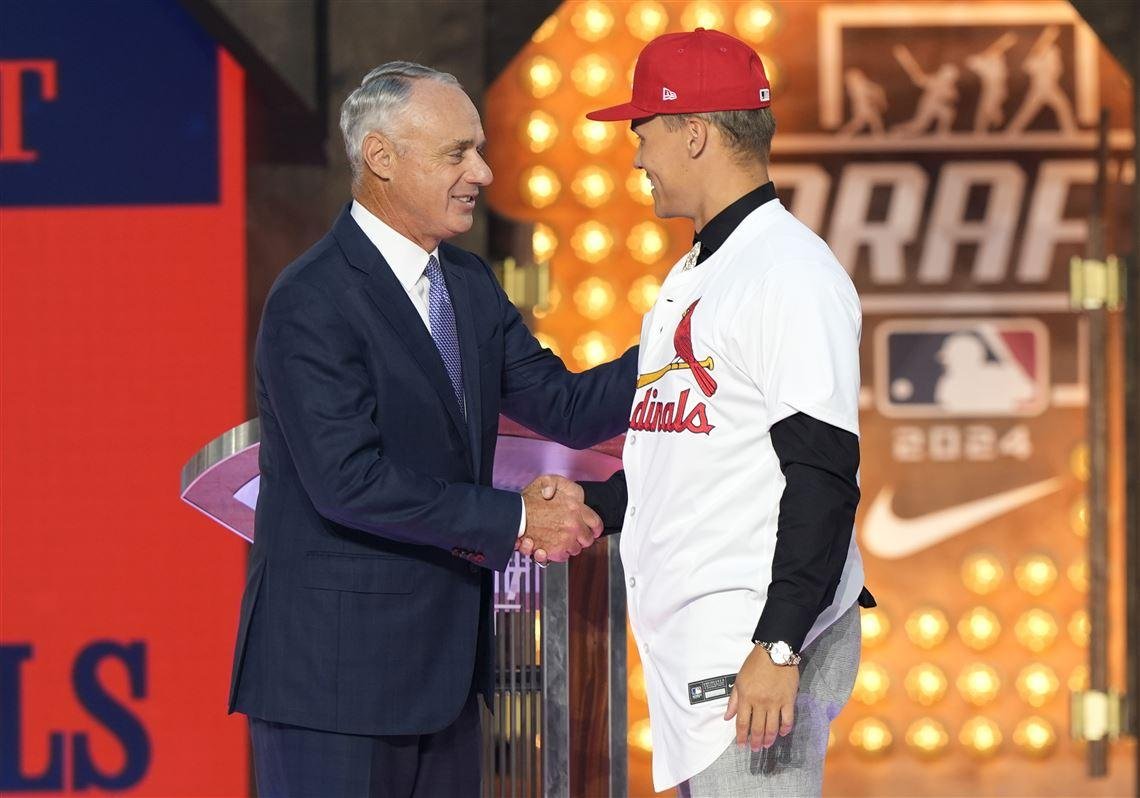
The timing of the draft is inextricably linked to the financial calendar of the league. Each pick in the first 10 rounds has an assigned slot value. For example, in the 2024 draft, the top overall pick carried a slot value of approximately 10.5 million dollars. Teams must manage their total bonus pool, which is the sum of the slot values for all their picks in the first 10 rounds. If a team exceeds this pool by more than 5 percent, they face stiff penalties, including the loss of future first-round picks. This financial maneuvering is a high-stakes game of asset management, mirroring the complexities found in Stock Market Trends: Strategic Analysis of Global Equities.
The Impact of the Draft Lottery
Introduced to discourage intentional losing, the Draft Lottery takes place months before the actual draft time. The 18 teams that do not make the playoffs are entered into a weighted lottery for the top six picks. This adds a layer of uncertainty to the draft order that did not exist prior to 2022. The lottery results dictate the strategy for the remainder of the scouting season, as teams adjust their boards based on their final draft position.
What This Means For You
For the casual fan or the serious analyst, the MLB Draft time serves as the starting gun for the next phase of franchise development. Here is a breakdown of how to engage with the event:
- Viewership: Tune in to MLB Network at 7:00 PM ET on Day 1 for the highest production value and expert commentary.
- Tracking: Use the MLB Draft Tracker for real-time updates during Days 2 and 3, as the pace is too fast for traditional television formats.
- Prospect Following: Pay attention to the signing deadline, which usually falls in late July or early August. Players who do not sign by this time return to school or their respective leagues.
- Local Impact: Monitor how your favorite team allocates its bonus pool. A team might sign a first-round pick for under the slot value to save money for a high-upside player in a later round.
Expert Verdict / Future Outlook
The integration of the MLB Draft into All-Star Week has been a resounding success in terms of engagement metrics. However, from a strategic standpoint, the industry is watching closely to see if the 20-round limit remains permanent. There is ongoing debate among front offices regarding whether 20 rounds are sufficient to populate a minor league system that has seen significant contraction in recent years. Looking forward to 2025 and 2026, expect the league to continue refining the lottery odds and potentially introducing an international draft, which would fundamentally alter the timing and structure of amateur player acquisition globally.
FAQ
What time does the MLB Draft start?
Day 1 typically starts at 7:00 PM ET. Day 2 and Day 3 usually begin at 2:00 PM ET.
How many rounds are in the MLB Draft?
The current format consists of 20 rounds, plus compensatory and competitive balance picks. This was reduced from the traditional 40 rounds following the 2020 season.
Where is the MLB Draft held?
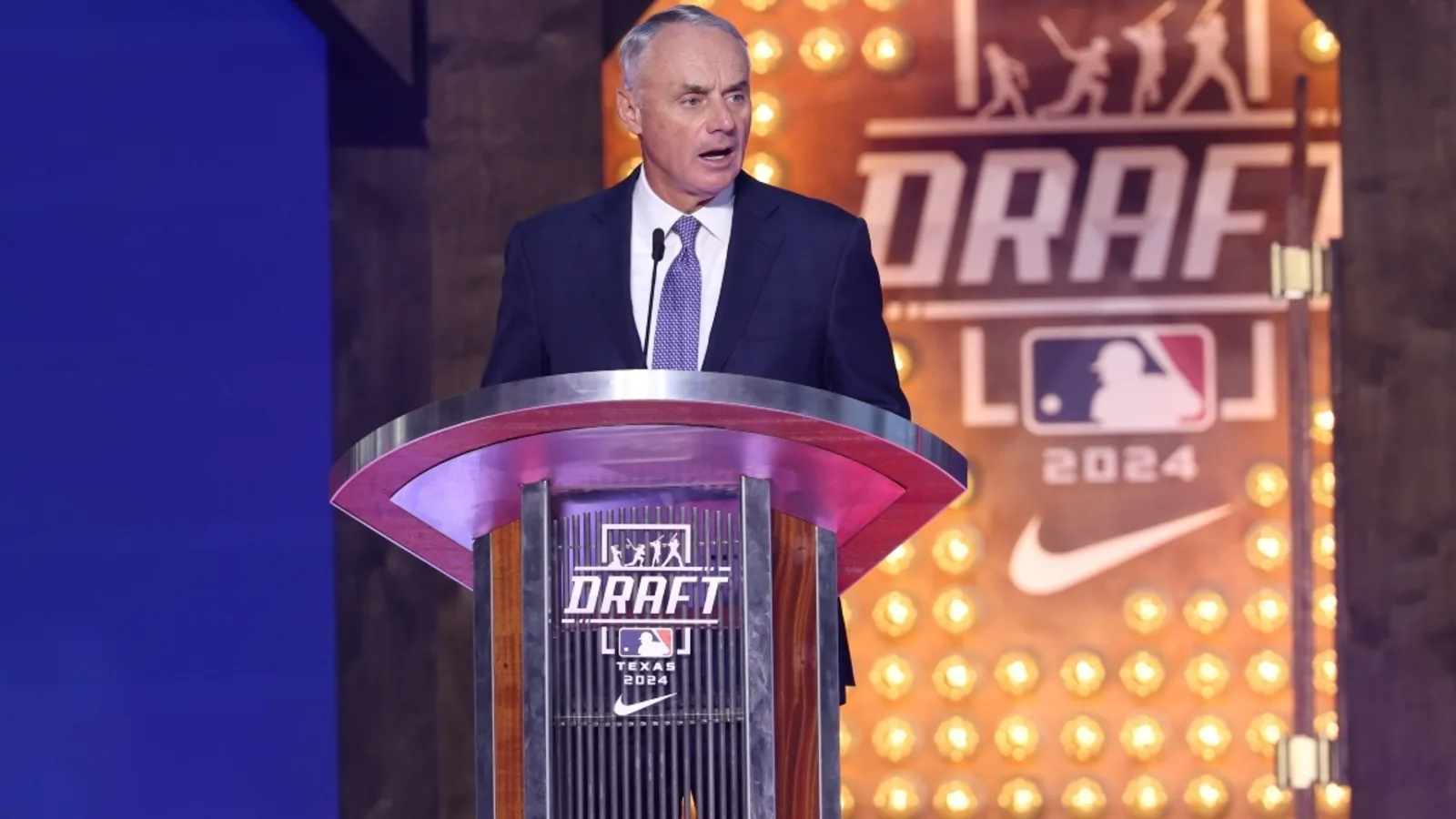
Since 2021, the draft has been held in the host city of the MLB All-Star Game. For 2024, it was held in Arlington, Texas, at Cowtown Coliseum.
Who is eligible for the MLB Draft?
Eligibility includes high school graduates who have not yet attended college, players at four-year colleges who are three years removed from high school graduation or were born before September 1, 2003, and all junior college players.
How long do teams have to sign their draft picks?
Teams generally have until early August to reach an agreement with their selected players. If a player has exhausted their college eligibility, the deadline does not apply in the same way, but most signings occur within this window.
Conclusion
The MLB Draft time is a critical focal point for the sport's annual cycle, blending high-stakes financial decisions with the hope of future stardom. By aligning the event with the All-Star Break, MLB has successfully elevated the profile of amateur scouting. Success in the draft requires more than just identifying talent; it demands a sophisticated understanding of the lottery system, slot values, and the strategic timing of the three-day event. As the league continues to refine these processes, the draft will remain the primary engine for parity and long-term growth in professional baseball.




Comments 0
Leave a Reply
Your email address will not be published. Required fields are marked *
Be the first to share your thoughts!