
💡 Mumbai Rains Weather: Strategic Analysis of Monsoon Impact
An authoritative analysis of Mumbai's monsoon patterns, urban infrastructure resilience, and meteorological data for strategic planning.
Executive Summary
Mumbai weather during the monsoon season is a critical variable for India's economic capital. This strategic analysis examines the meteorological drivers, infrastructure challenges, and socio-economic impacts of the Mumbai rains. Key findings include a significant increase in extreme weather events, with the India Meteorological Department (IMD) recording annual rainfall often exceeding 2,500 mm. Urban flooding remains a primary risk due to a drainage system designed for 25 mm of rain per hour, while modern intensities frequently surpass 50 mm per hour. This report provides a data-driven overview of rainfall trends, climate change influences, and mitigation strategies for residents and businesses.
Introduction
The arrival of the southwest monsoon in Mumbai is more than a seasonal change; it is a systemic event that dictates the rhythm of the city. Typically arriving between June 10 and June 15, the rains provide a necessary reprieve from summer heat but simultaneously test the limits of the city's infrastructure. Mumbai's unique geography, a peninsula surrounded by the Arabian Sea and the Thane Creek, makes it highly susceptible to tidal influences and heavy precipitation. Understanding the strategic implications of these weather patterns is essential for risk management, urban planning, and daily logistics. Similar to the challenges discussed in our report on Chennai Weather: A Strategic Analysis of Climate Patterns, Mumbai faces a complex interplay between coastal geography and urban density.
The Deep Dive: Meteorological Drivers and Data Trends
The Mumbai monsoon is characterized by its intensity and volume. According to historical data from the IMD Santacruz observatory, the city receives approximately 70 percent of its total annual rainfall in the months of July and August alone. The orographic lift provided by the Western Ghats to the east of the city enhances the precipitation levels as moisture-laden winds from the Arabian Sea are forced upward.
Statistical analysis reveals a worrying trend: while the total number of rainy days remains relatively stable, the frequency of extreme rainfall events (exceeding 100 mm in 24 hours) has increased by nearly 30 percent over the last two decades. The benchmark for extreme weather remains July 26, 2005, when the city recorded a staggering 944 mm of rain in a single day. More recently, years like 2019 and 2020 have seen the city surpass the 3,500 mm mark for the entire season, highlighting a shift toward more volatile weather patterns.
Urbanization has exacerbated these issues through the Urban Heat Island (UHI) effect. Concrete surfaces retain heat, creating localized low-pressure zones that can intensify convective rainfall. Furthermore, the loss of natural sponges like mangroves and salt pan lands has reduced the city's natural ability to absorb excess water. Strategic risk management in these scenarios is as vital as the protocols outlined in our guide on Severe Thunderstorm Watch: Strategic Risk Management.
Infrastructure and Drainage Resilience
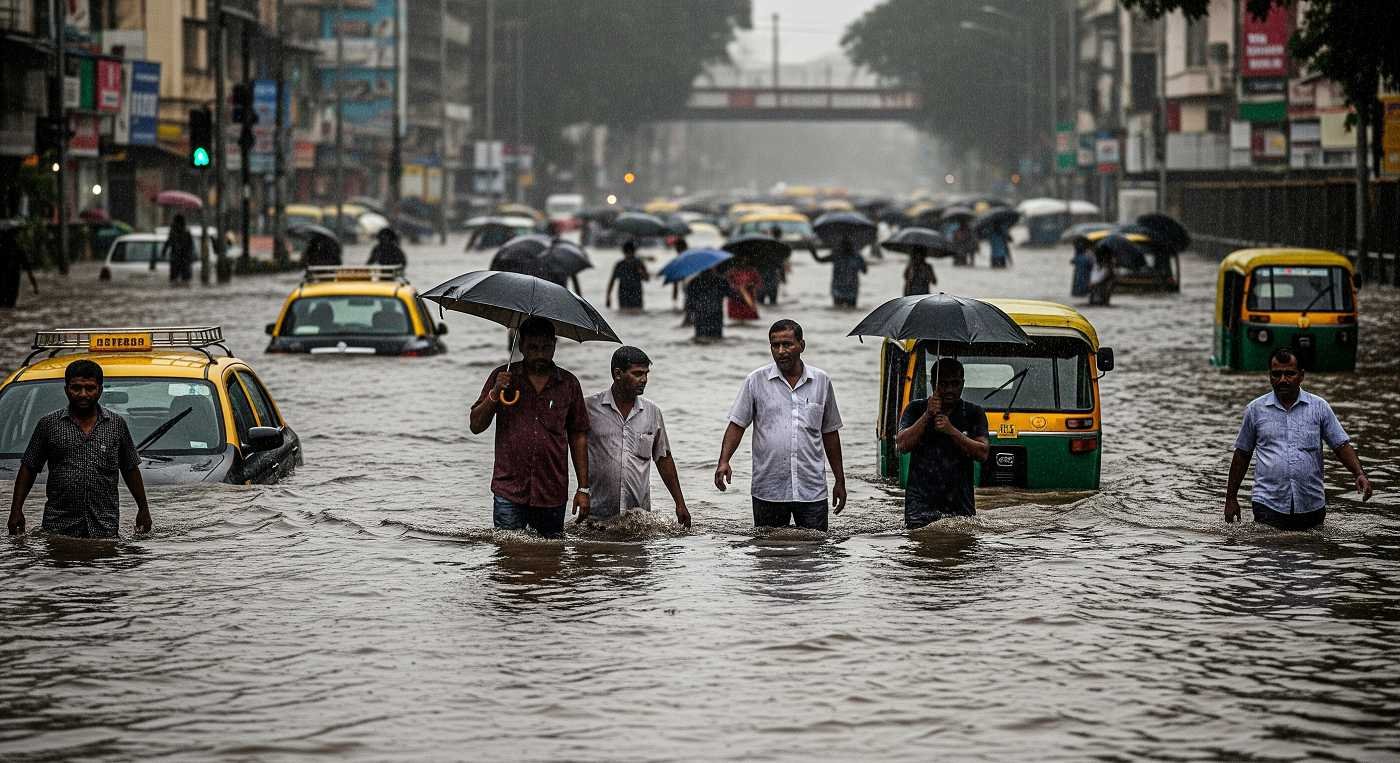
The Brihanmumbai Municipal Corporation (BMC) manages a complex network of over 2,000 kilometers of open drains, closed pipes, and outfalls. However, the legacy system, much of which dates back to the colonial era, was designed to handle a rainfall intensity of 25 mm per hour during low tide. When rainfall exceeds this limit or coincides with a high tide (above 4.5 meters), the system reaches capacity, leading to immediate waterlogging in low-lying areas like Hindmata, Milan Subway, and Kurla.
To combat this, the city has implemented the Brimstowad (Brihanmumbai Storm Water Disposal System) project. This includes the construction of massive pumping stations at locations such as Love Grove, Cleveland Pier, and Gajdharbandh. These stations are capable of pumping out thousands of liters of water per second into the sea, even during high tides. Despite these efforts, the rapid pace of construction and the accumulation of plastic waste in drains continue to hinder efficiency.
Economic and Social Impact
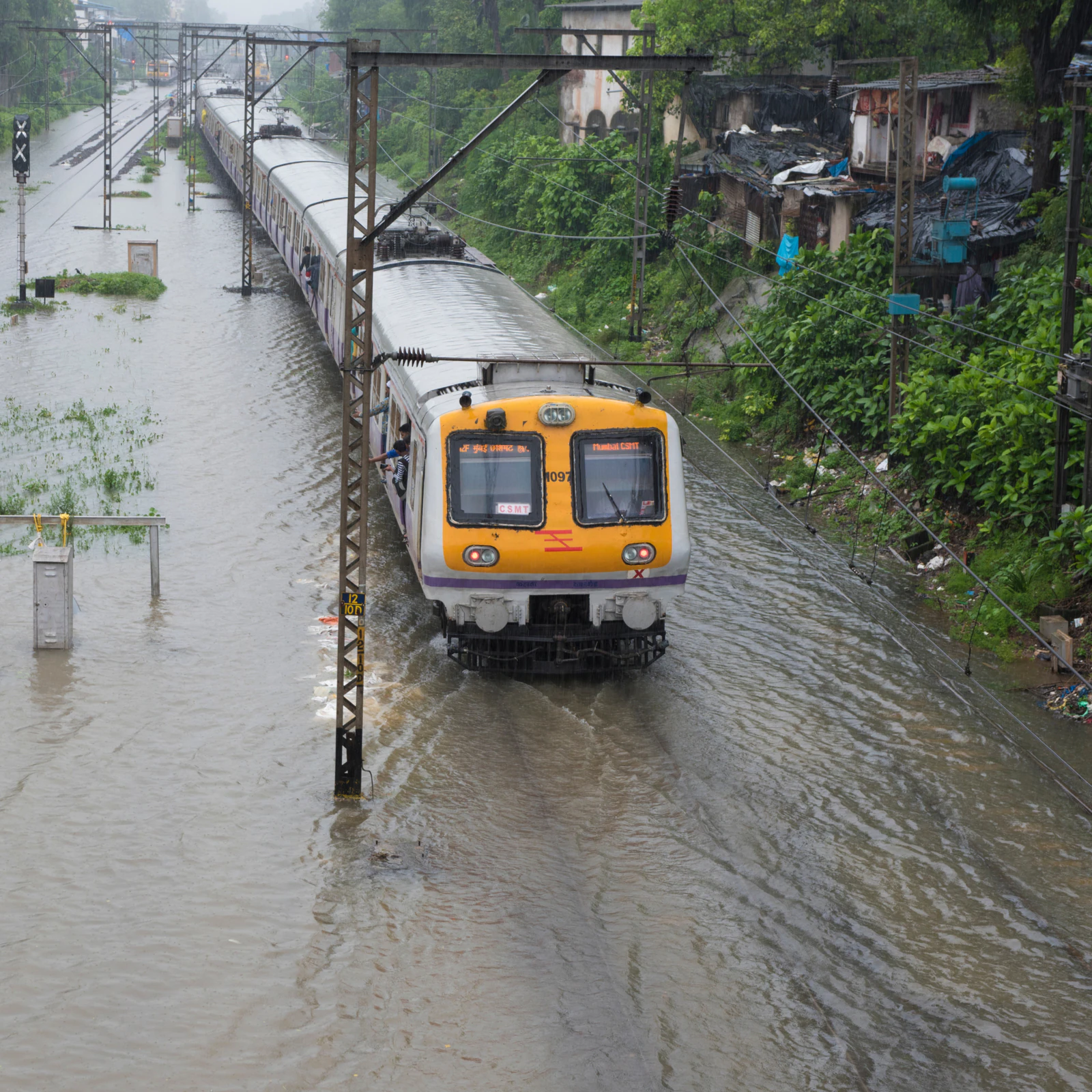
The economic cost of Mumbai rains is substantial. Disruptions to the suburban railway network, which carries over 7 million passengers daily, result in millions of lost man-hours. Logistics and supply chains, including the famous Dabbawala network, face significant delays. Small and medium enterprises (SMEs) in water-prone areas often suffer inventory damage, while the insurance industry sees a spike in vehicle and property claims during the peak monsoon months.
Public health is another critical concern. The monsoon season typically correlates with an increase in vector-borne diseases such as malaria and dengue, as well as water-borne illnesses like leptospirosis. Strategic healthcare planning involves pre-monsoon desilting of drains and intensive fumigation drives to mitigate these risks.
What This Means For You
For the average resident or business owner, navigating the Mumbai monsoon requires proactive planning. Understanding the local geography is the first step. If you reside in a low-lying area, investing in flood barriers and ensuring that electrical installations are elevated can prevent significant loss.
- Monitor IMD alerts: Use official apps and social media handles for real-time updates on rainfall intensity and high tide timings.
- Commute Strategy: Avoid travel during the two hours preceding and following a high tide if heavy rain is predicted.
- Health Precautions: Ensure all drinking water is boiled or filtered, and maintain a high level of hygiene to prevent monsoon-related infections.
- Business Continuity: Implement remote work policies during 'Red Alert' days to ensure employee safety and operational stability.
Expert Verdict and Future Outlook
The future of Mumbai's weather resilience lies in the adoption of the 'Sponge City' concept. This involves creating permeable pavements, urban forests, and rooftop gardens to slow down and absorb rainwater. While the BMC's pumping stations are a necessary short-term fix, long-term sustainability requires a restoration of the Mithi River and the protection of the remaining mangrove ecosystems.
Climate models suggest that as the Arabian Sea continues to warm, the intensity of cyclonic circulations and monsoon depressions will likely increase. This necessitates a more sophisticated early warning system that provides ward-level rainfall forecasts rather than general city-wide alerts. Integration of AI and IoT sensors in the drainage network could allow for real-time monitoring and automated response to rising water levels.
FAQ
When is the peak of the Mumbai monsoon?
The peak rainfall usually occurs in July and August. These two months account for the majority of the season's precipitation and the highest frequency of heavy rain alerts.
How does high tide affect flooding in Mumbai?
Mumbai's drainage system relies on gravity to discharge water into the sea. During a high tide (typically above 4.5 meters), the sea level is higher than the drain outlets, causing water to back up and flood the streets if heavy rain occurs simultaneously.
Which areas are most prone to waterlogging?
Historically, areas like Parel (Hindmata), Dadar, Sion, Kurla, Andheri Subway, and parts of South Mumbai like Girgaon are highly susceptible to waterlogging due to their low elevation.
Is it safe to travel to Mumbai during the rains?
While the city remains functional, travelers should expect delays. It is advisable to check the weather forecast and avoid visiting during predicted periods of extremely heavy rainfall or high tides.
What is the role of the IMD in Mumbai rains?
The India Meteorological Department (IMD) provides forecasts, warnings, and real-time data through its Santacruz and Colaba observatories. They issue color-coded alerts (Yellow, Orange, Red) to signify the severity of expected rainfall.
Conclusion
The Mumbai rains are a testament to the city's resilience and a reminder of the challenges posed by rapid urbanization and climate change. A strategic approach involving infrastructure upgrades, environmental preservation, and data-driven citizen awareness is the only path forward. By understanding the patterns and preparing for the risks, Mumbai can continue to thrive as a global economic hub despite the seasonal volatility of the monsoon.





Comments 0
Leave a Reply
Your email address will not be published. Required fields are marked *
Be the first to share your thoughts!