
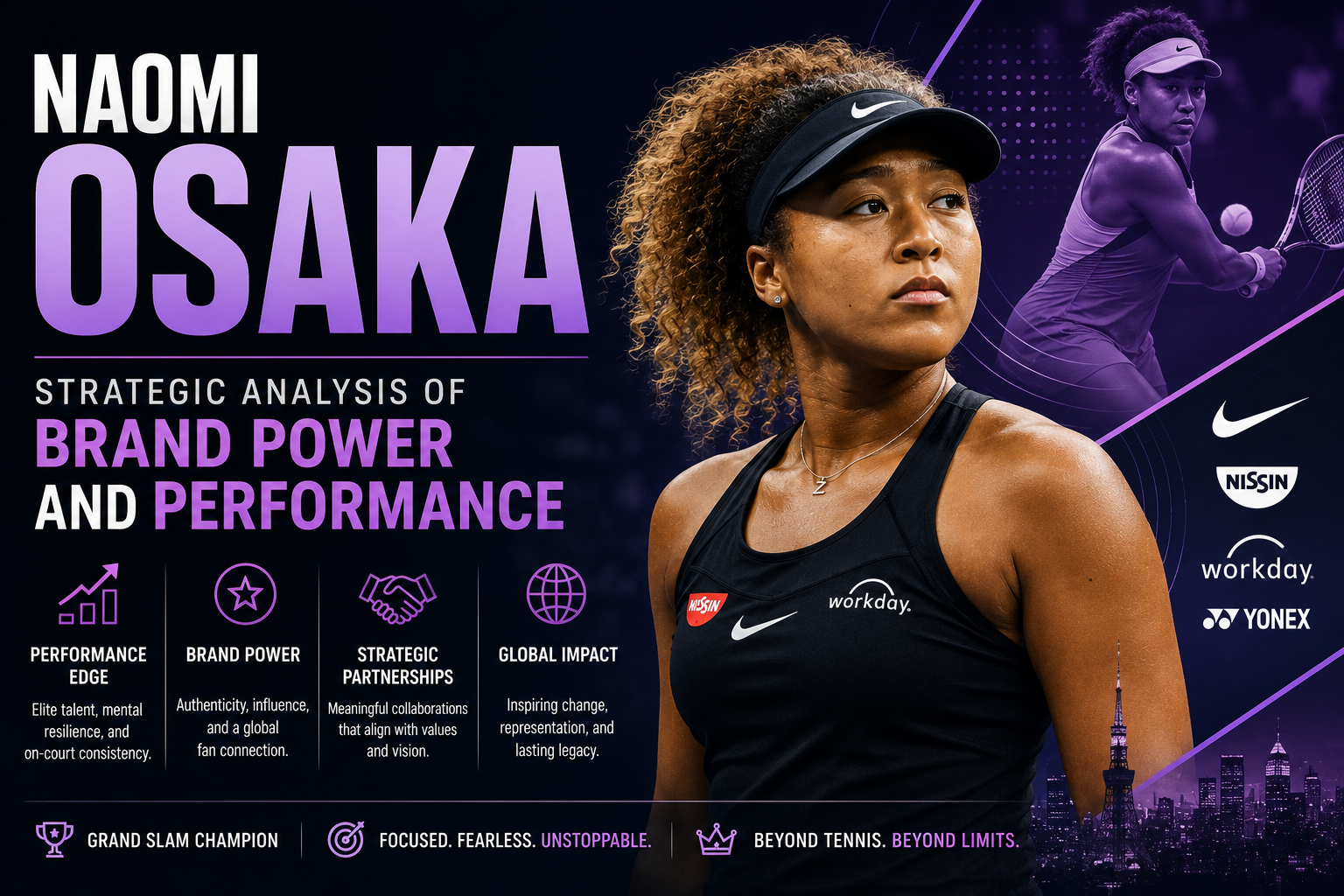
💡 Naomi Osaka: Strategic Analysis of Brand Power and Performance
An authoritative analysis of Naomi Osaka's impact on professional tennis, her record-breaking brand valuation, and her strategic shift into sports entrepreneurship.
Executive Summary
Naomi Osaka represents a paradigm shift in the intersection of professional sports, mental health advocacy, and global brand management. As a four-time Grand Slam champion, Osaka has not only dominated the court but also redefined the earning potential for female athletes. Data from 2021 and 2022 highlights her as the highest-paid female athlete in history, with annual earnings peaking at approximately 57.3 million dollars. This analysis examines her strategic pivot from a traditional athlete-endorsement model to an ownership-driven entrepreneurial framework. Key findings include her successful launch of the Evolve agency, her influence on corporate wellness policies, and her continued relevance in a competitive WTA landscape after her 2024 return from maternity leave.
Introduction: The Architect of Modern Athlete Branding
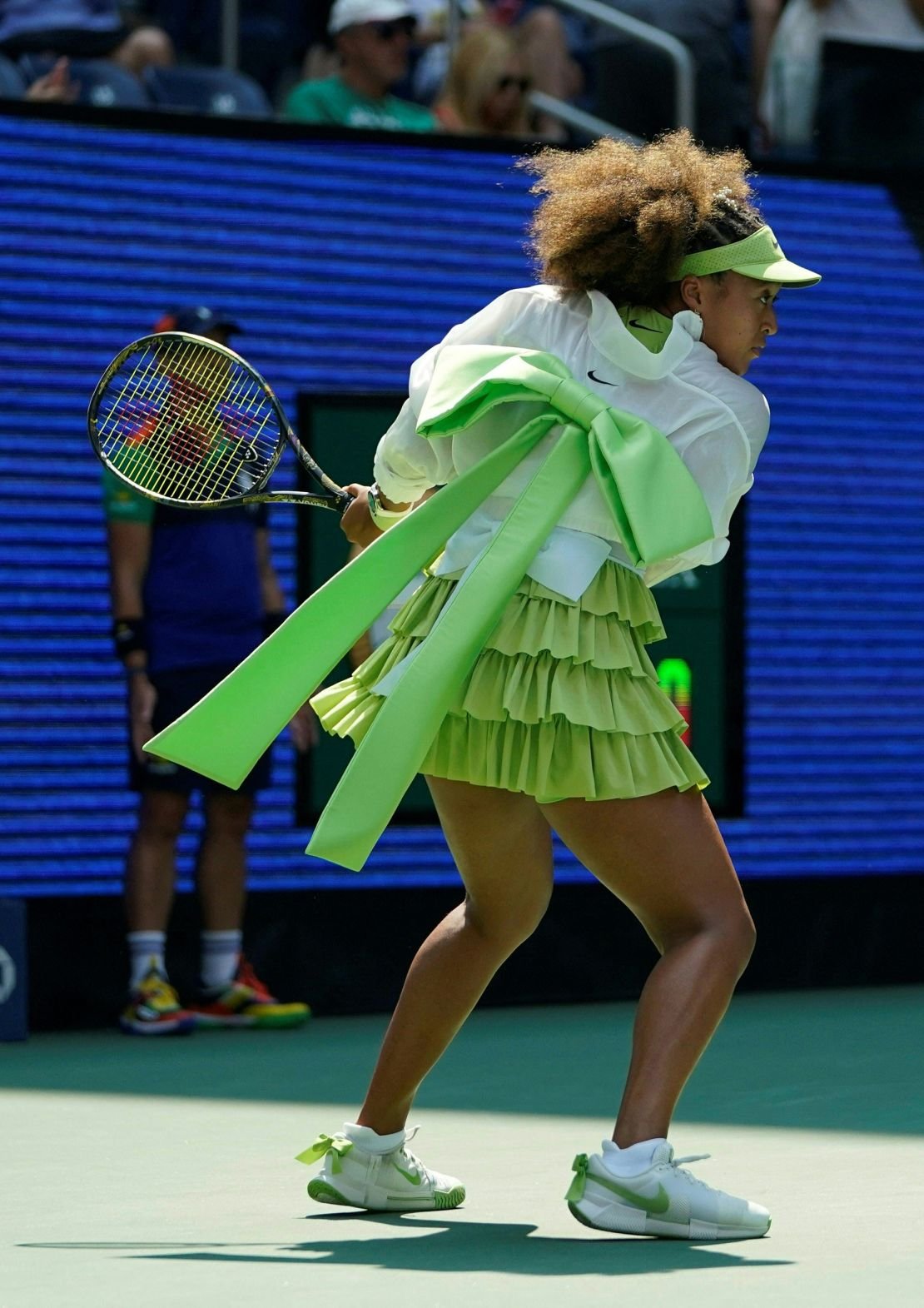
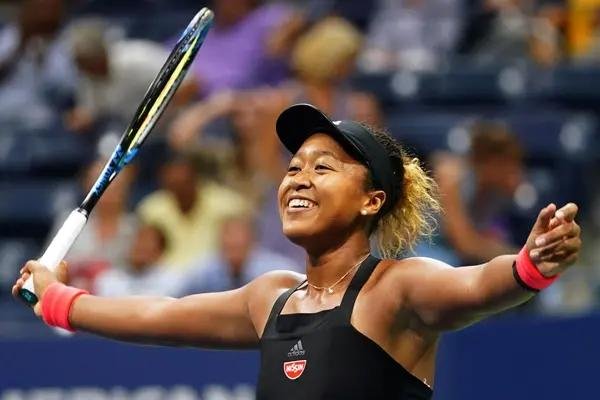
The trajectory of Naomi Osaka provides a blueprint for the modern athlete as a self-contained enterprise. Emerging as a powerhouse by defeating Serena Williams at the 2018 US Open, Osaka quickly transcended the boundaries of the tennis court. Her career is characterized by a unique blend of elite technical skill and a willingness to challenge institutional norms. Unlike previous generations of athletes who prioritized silent compliance, Osaka has leveraged her platform to address social justice and mental health, effectively becoming a strategic media authority in her own right. This strategic positioning has allowed her to maintain a high market value even during periods of competitive absence.
The Deep Dive: Performance, Economics, and Advocacy
1. On-Court Statistical Foundation
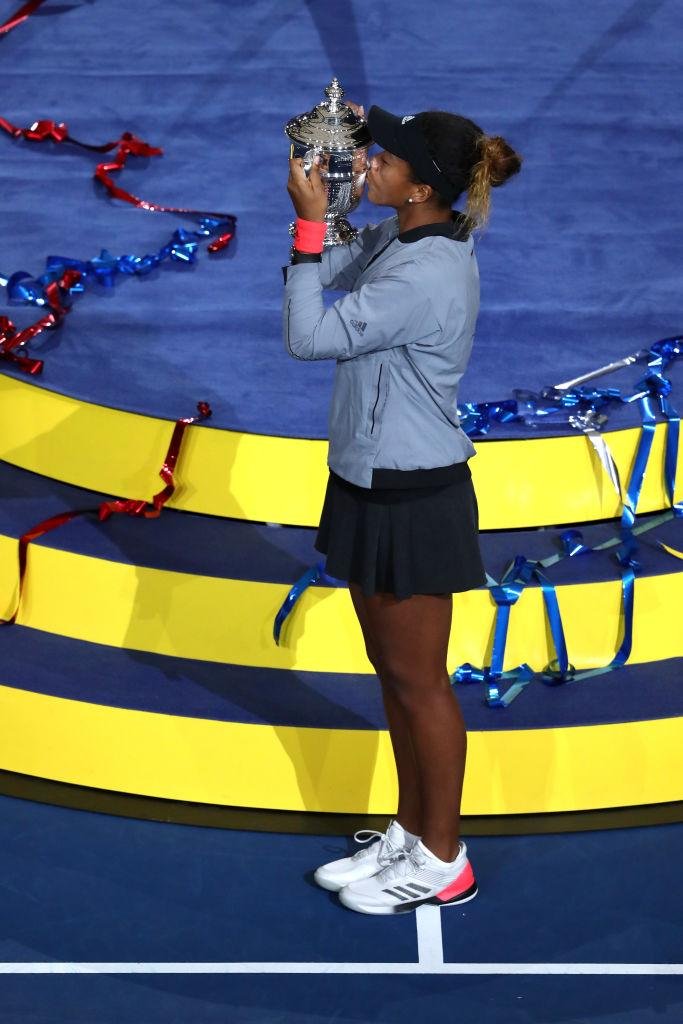
To understand the Osaka brand, one must first analyze the athletic foundation. Osaka's game is built on a high-velocity serve and aggressive baseline play. Statistics from her peak seasons show an average first-serve speed of 100 to 115 mph, placing her in the top percentile of the WTA. Her four Grand Slam titles (US Open 2018, 2020; Australian Open 2019, 2021) were achieved on hard courts, demonstrating a specialized dominance that rivals the greatest in history. However, her return in 2024 has shown the challenges of professional reintegration. After a 15-month hiatus for the birth of her daughter, her ranking fluctuated significantly, highlighting the physical and psychological demands of elite-level competition after a prolonged break.
2. The Business of Naomi Osaka: A Financial Powerhouse
Osaka's financial portfolio is a masterclass in global diversification. In 2021, Forbes reported her earnings at 60 million dollars, with over 90 percent of that revenue generated off-court. Her endorsement roster includes industry giants such as Nike, Yonex, Mastercard, and Louis Vuitton. What distinguishes Osaka is her transition from being a face for hire to a partner in equity. By launching Kinlo, a skincare brand specifically formulated for people of color, she established herself as a wellness authority with a tangible product line. This move mirrors the shift seen in other industries where personal brand equity is converted into long-term corporate assets.
3. Strategic Entrepreneurship and Evolve
In 2022, Osaka made a landmark decision to leave IMG and co-found her own sports agency, Evolve, with her longtime agent Stuart Duguid. This was a significant disruption to the traditional agency model. Evolve was designed to provide a bespoke, athlete-led approach to representation, subsequently signing high-profile talents like Nick Kyrgios and Ons Jabeur. This move towards self-governance is a critical component of her legacy. It ensures that she retains a higher percentage of commission and maintains total control over her narrative and commercial partnerships. This level of autonomy is essential for maintaining brand legacy and financial recovery in an era where athlete longevity is increasingly tied to business acumen.
4. Advocacy as a Market Disruptor
Osaka’s decision to withdraw from the 2021 French Open to prioritize her mental health was a watershed moment for the sports industry. While initially met with resistance from tournament organizers, the move sparked a global conversation about the pressures placed on elite performers. This advocacy did not alienate her sponsors; rather, it deepened the emotional connection with her audience. Brands like Sweetgreen and Panasonic publicly supported her, recognizing that her vulnerability made her more relatable to a younger, socially conscious demographic. This shift in sentiment forced sports organizations to re-evaluate their media requirements and support systems for players.
What This Means For You
- For Athletes: Osaka’s model proves that diversifying income streams early is vital for long-term financial security.
- For Marketers: Authenticity and social alignment are now more valuable than simple performance metrics when selecting brand ambassadors.
- For Business Leaders: Prioritizing mental health is not just a moral choice but a strategic one that can preserve the longevity of high-performing talent.
- For Fans: Supporting an athlete today involves engaging with their off-court ventures and personal values as much as their game-day stats.
Expert Verdict and Future Outlook
The future of Naomi Osaka is likely to be defined by her ability to balance her role as a mother, an entrepreneur, and a competitor. While her ranking may take time to stabilize, her commercial influence remains untouched. Experts suggest that her next phase will involve expanding Hana Kuma, her media production company founded in partnership with LeBron James’s SpringHill Company. By controlling the stories told about her and her peers, Osaka is moving into a space of cultural production that will sustain her long after she retires from professional tennis. Her return to the court is less about proving her skill and more about cementing a legacy of resilience.
FAQ: Authoritative Insights
How many Grand Slam titles has Naomi Osaka won?
As of 2024, Naomi Osaka has won four Grand Slam singles titles: the US Open in 2018 and 2020, and the Australian Open in 2019 and 2021.
What is Naomi Osaka's net worth?
While exact figures vary, Osaka has consistently ranked among the world's highest-paid athletes. Her peak annual earnings exceeded 50 million dollars, and her total net worth is estimated to be between 45 million and 60 million dollars, driven largely by her endorsement deals and business ventures.
What is Evolve, and why is it significant?
Evolve is a sports agency co-founded by Naomi Osaka and Stuart Duguid. It is significant because it represents a move toward athlete-owned representation, allowing players to have more control over their careers and business interests.
Why did Naomi Osaka take a break from tennis?
Osaka took a hiatus from the professional tour in 2023 for the birth of her daughter, Shai. She also previously took breaks to focus on her mental health, specifically highlighting the pressures of the professional circuit.
What brands does Naomi Osaka own?
Osaka is the founder of Kinlo, a skincare brand for melanin-rich skin, and she is a co-founder of Hana Kuma, a media production company. She also holds various equity stakes in companies like Modern Health and Hyperice.
Conclusion
Naomi Osaka has fundamentally altered the expectations for the modern professional athlete. By prioritizing her mental health, asserting her business independence through Evolve, and maintaining a dominant presence on the hard court, she has built a sustainable and highly valuable brand. Her strategic approach to equity and advocacy ensures that her influence will persist regardless of her current ranking, providing a definitive roadmap for future generations of global icons.





Comments 0
Leave a Reply
Your email address will not be published. Required fields are marked *
Be the first to share your thoughts!