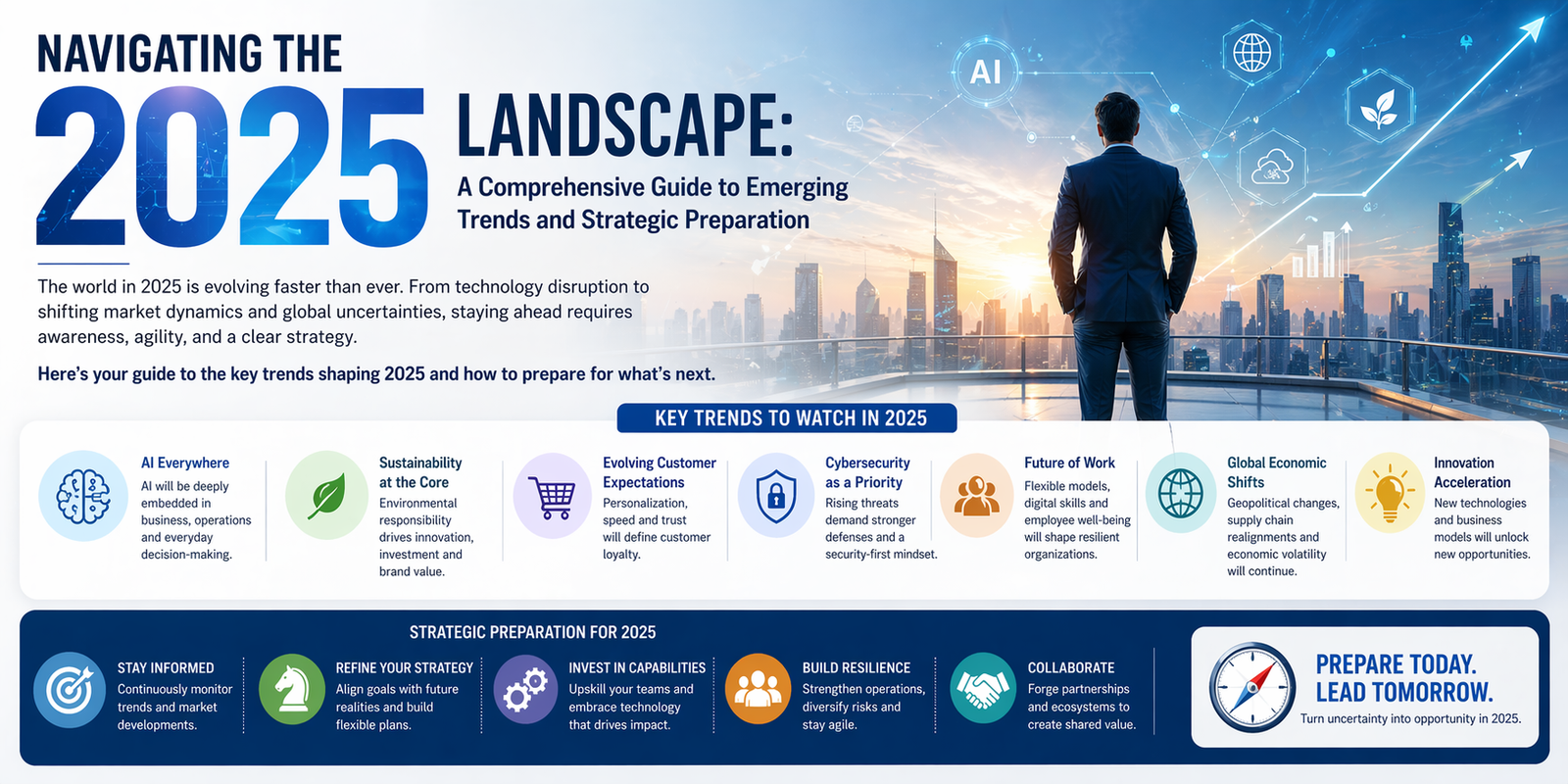
💡 Navigating the 2025 Landscape: A Comprehensive Guide to Emerging Trends and Strategic Preparation
Explore the major shifts of 2025, from AI-driven economic growth to the rise of precision wellness and skill-based economies in India and beyond.
2025 marks the point where emerging technologies like Artificial Intelligence (AI) and quantum computing transition from experimental novelties into the primary engines of the global economy. With a projected $56 trillion increase in global GDP over the next five years, this year represents a shift where digital infrastructure and green energy become the baseline for all professional and personal growth. In India, this transformation is particularly visible as the nation aligns its digital prowess with new global standards for data privacy and sustainable manufacturing.
The Mid-Decade Shift and Why 2025 Represents a Global Turning Point
The year 2025 is not just another step on the calendar; it is the threshold of the "Intelligent Age." We are moving away from the post-pandemic recovery phase and entering a period defined by massive technological convergence. This shift is fueled by the maturation of generative AI, the rollout of more stable renewable energy grids, and a fundamental change in how we value human labor. While previous years focused on surviving disruption, 2025 is about mastering the new tools that have emerged from it.
The AI Integration Milestone: Moving from Generative Novelty to Functional Necessity
By 2025, the novelty of "chatting" with an AI has faded, replaced by functional AI agents that operate autonomously within daily workflows. These agents don't just suggest text; they manage complex project timelines, automate routine administrative tasks, and provide real-time data synthesis during meetings. In the Indian corporate sector, this means a shift from manual data entry and basic coding to high-level system architecture and AI oversight.
The advantage of this integration is a massive boost in productivity and the elimination of repetitive tasks. However, the limitation lies in the "black box" nature of some AI decisions, requiring companies to invest heavily in AI ethics and transparency to maintain client trust.
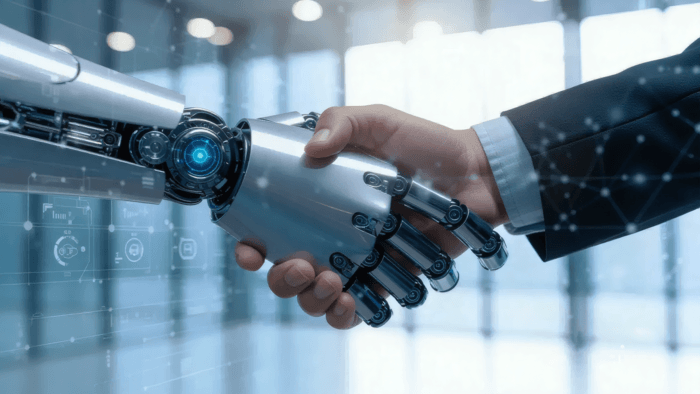
Practical use-case: An Indian marketing firm in 2025 uses AI agents to analyze consumer sentiment across ten different regional languages simultaneously, adjusting ad spends in real-time without human intervention, allowing the creative team to focus solely on strategy and storytelling.
Redefining the Professional Ecosystem: The Rise of Skill-Based Economies
The traditional degree is no longer the sole currency of the job market. 2025 sees the full emergence of the "Skill-Based Economy," where specific, verifiable competencies—often acquired through micro-credentials—outweigh general educational backgrounds. Hybrid autonomy has also matured; professionals now negotiate for "output-based" schedules rather than "hour-based" ones.
In India, this is leading to a surge in specialized freelance hubs. Professionals are diversifying their income streams, often working for a domestic firm while contributing to global projects via decentralized platforms. This provides flexibility but also demands a high level of self-discipline and constant upskilling to remain competitive.
The Sustainability Pivot: Circular Economies and Green Infrastructure
Urban living in 2025 is being reshaped by the "Circular Economy" model. Instead of the traditional take-make-dispose cycle, businesses are moving toward product-as-a-service models. For example, instead of buying air conditioners, consumers in major Indian metros like Bengaluru or Delhi might pay for "cooling services," where the manufacturer retains ownership and responsibility for the unit's maintenance and eventual recycling.
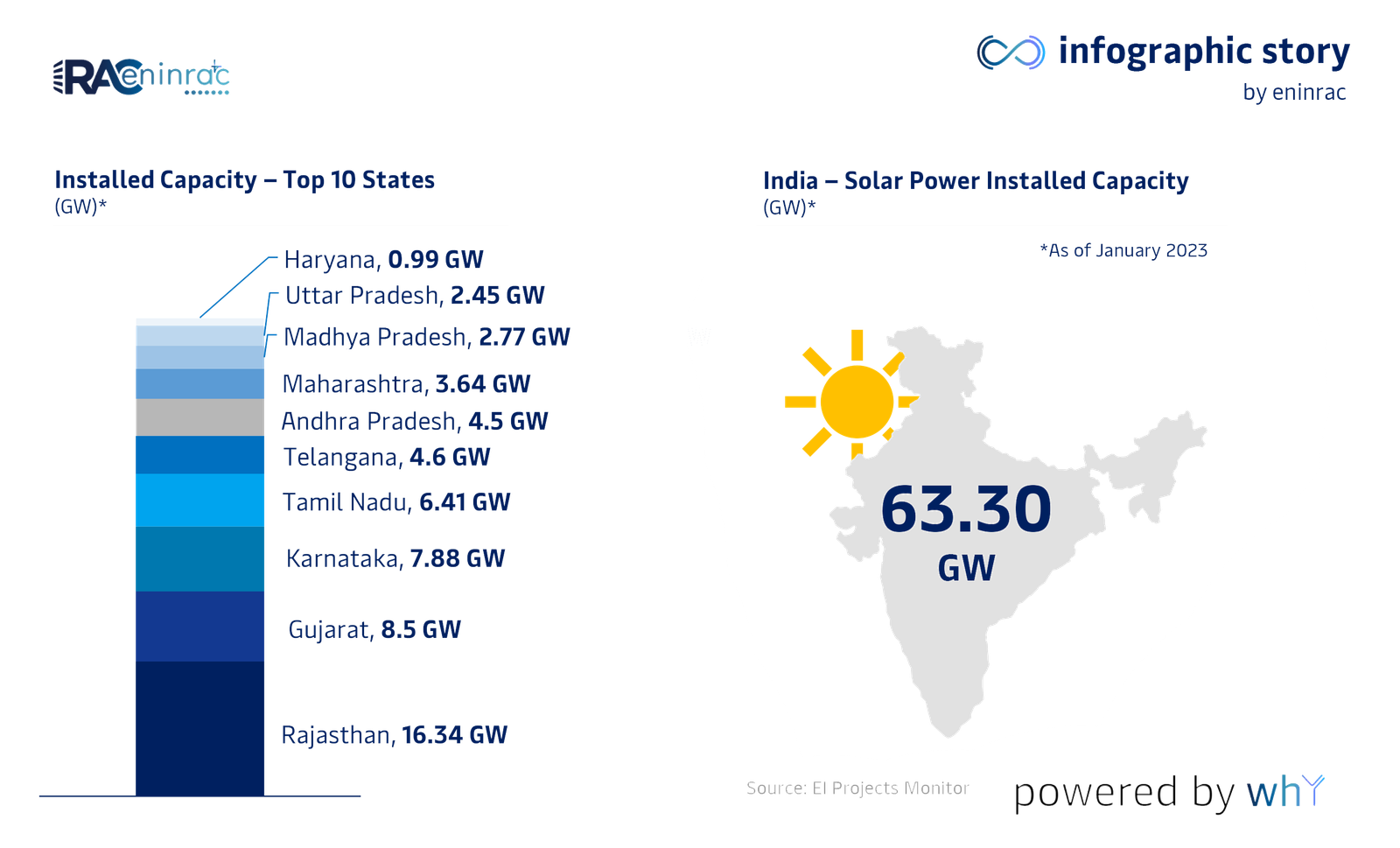
India’s commitment to green hydrogen and the expansion of the solar grid is now reflecting in local infrastructure. New residential projects are increasingly required to include EV charging stations and greywater recycling systems as standard features, rather than luxury additions.
Precision Wellness: Bio-Data and Personalized Health Management
Health in 2025 has moved from reactive treatment to proactive management. We are seeing the convergence of wearable technology and bio-data. Devices no longer just count steps; they monitor continuous glucose levels, blood pressure, and even cortisol levels to track stress in real-time. This "Precision Wellness" allows individuals to tailor their diet and exercise to their specific genetic and biological markers.
While this empowers individuals to live longer, healthier lives, it raises significant concerns regarding who owns this sensitive health data. Insurance companies are beginning to offer personalized premiums based on this data, which offers lower costs for the healthy but creates potential barriers for those with chronic conditions.
Digital Sovereignty and Privacy: The New Standards
With the implementation of frameworks like India’s Digital Personal Data Protection (DPDP) Act, 2025 is the year of "Digital Sovereignty." Users are gaining more control over their data footprints. Companies can no longer treat personal data as a free resource; it is now a liability that must be managed with extreme care. Cybersecurity has evolved into a proactive defense mechanism using AI to predict and neutralize threats before they manifest.
Strategic Foresight: Actionable Steps to Future-Proof Your Life
To navigate 2025 successfully, you need a proactive strategy. Here are practical steps to stay ahead:
- Build a 'Skill Stack': Don't just be a specialist. Combine a core technical skill (like data analysis) with a soft skill (like empathetic leadership) and a tool-specific skill (like AI prompt engineering).
- Financial Diversification: With the global GDP rising through tech, ensure your portfolio has exposure to green energy, AI infrastructure, and Indian manufacturing sectors.
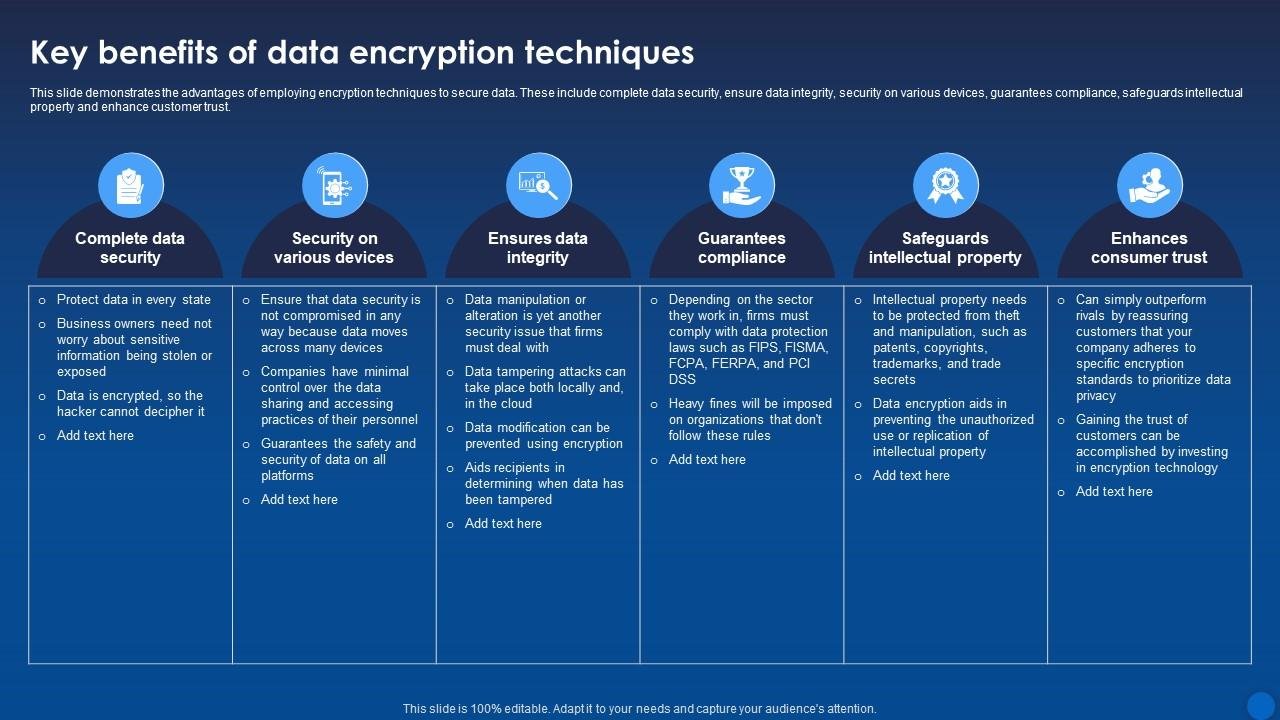
- Data Hygiene: Audit your digital footprint. Use encrypted communication tools and be selective about which platforms you grant access to your bio-data.
- Adopt an 'AI-First' Workflow: Start using AI for the 20% of your work that takes up 80% of your time. Learn to manage AI agents rather than doing the manual work yourself.
Conclusion
The landscape of 2025 is defined by the seamless blending of human creativity and machine efficiency. As global wealth expands through technological breakthroughs, the key to thriving lies in adaptability. Whether it is managing your digital identity, pivoting to a skill-based career, or embracing circular consumption, the most successful individuals will be those who view these shifts not as disruptions, but as the new foundation for a more precise and productive way of living.

Comments 0
Leave a Reply
Your email address will not be published. Required fields are marked *
Be the first to share your thoughts!